Lazio Concludes Serie A Season with Win Over Pisa
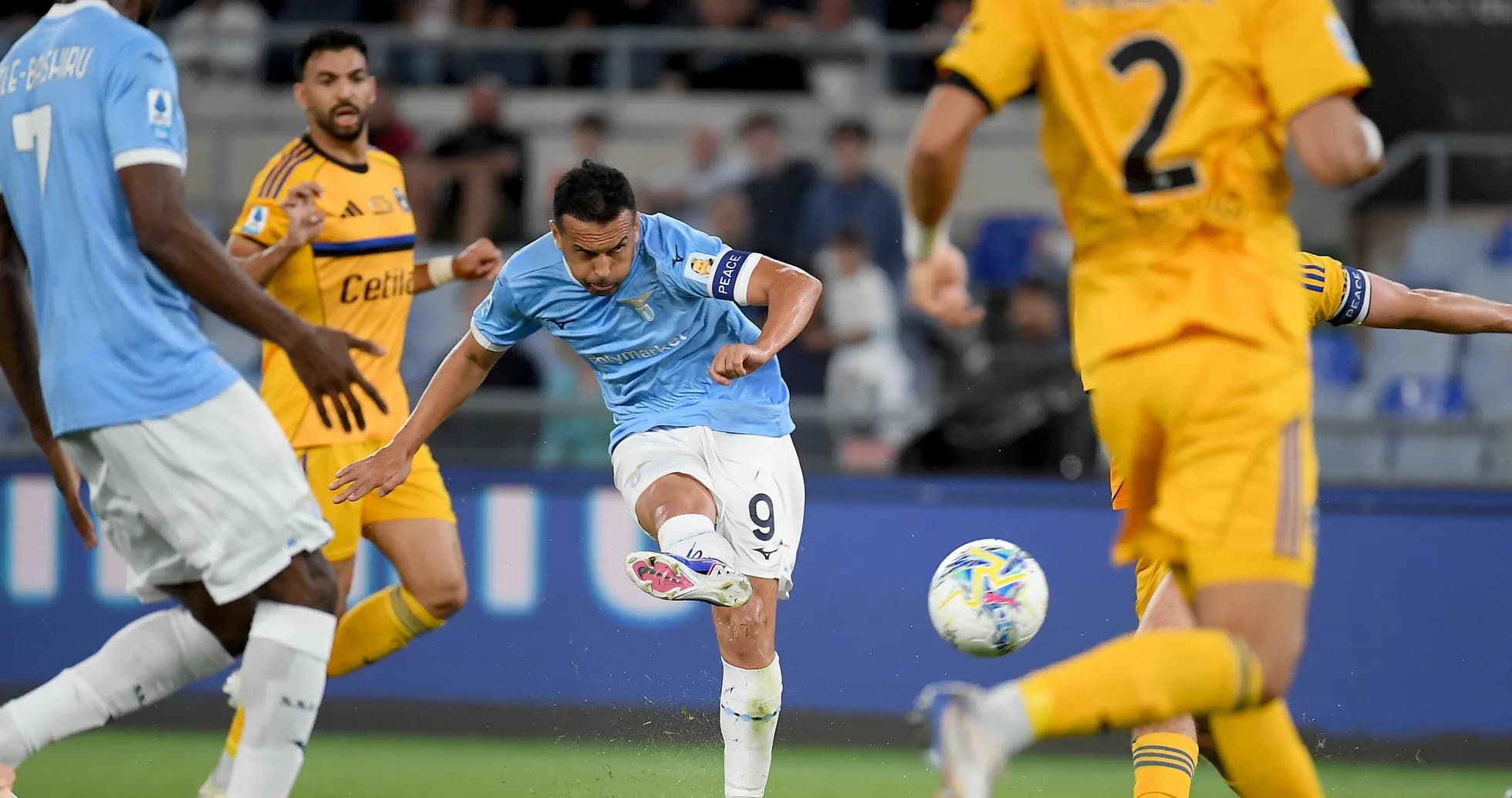
Under the Roman evening sky at Stadio Olimpico, Lazio closed their Serie A campaign with a 2–1 win over Pisa, a result that neatly encapsulated the season’s hierarchy as much as the match itself. Following this result, the table snapshot tells its own story: Lazio finishing 9th on 54 points with a narrow overall goal difference of +1 (41 scored, 40 conceded), Pisa marooned in 20th on 18 points with a brutal overall goal difference of -45 (26 scored, 71 conceded) and relegation confirmed.
I. The Big Picture – Structures and Season DNA
Maurizio Sarri stayed loyal to his seasonal blueprint, rolling out the familiar 4‑3‑3 that has underpinned Lazio’s campaign. Across the season, they used this shape in 36 of 38 league matches, and the XI here reflected that continuity: A. Furlanetto in goal behind a back four of A. Marusic, Mario Gila, A. Romagnoli and L. Pellegrini; a midfield trio of F. Dele‑Bashiru, T. Basic and R. Belahyane; and a fluid front line of M. Cancellieri, T. Noslin and Pedro.
The numbers back up the identity. Heading into this game, Lazio’s attack at home produced 27 goals from 19 matches, an average of 1.4 per game, while conceding 25 at an average of 1.3. This is a side that lives on controlled risk: enough punch in the final third to win, but rarely with a margin that allows them to relax. Their 15 clean sheets overall, split as 6 at home and 9 on their travels, underline a defensive phase that is more solid than spectacular.
Pisa arrived with a very different story. Oscar Hiljemark’s team lined up in a 3‑5‑2, the formation they have used most often this season (21 times), with A. Semper behind a back three of A. Calabresi, S. Canestrelli and R. Bozhinov. The wing‑backs M. Leris and S. Angori flanked a central trio of M. Aebischer, E. Akinsanmiro and I. Vural, supporting forwards S. Moreo and F. Stojilkovic.
Yet the shape could not hide the structural issues that defined their season. Overall, Pisa scored 26 and conceded 71; on their travels they managed 17 goals in 19 away games (0.9 per match) while shipping 45 (2.4 per match). Those figures speak of a team that can occasionally threaten but is habitually overwhelmed, especially away from home.
II. Tactical Voids – Absences and Discipline
Both sides came into the fixture with notable absentees that subtly reshaped their squads.
For Lazio, the spine was dented: first‑choice goalkeeper I. Provedel missed out with a shoulder injury, opening the door for Furlanetto. In front of him, N. Rovella sat out through suspension (red card), while creative and wide options like M. Zaccagni (knee injury), N. Tavares and K. Taylor (both suspended for yellow cards) were also unavailable. E. Motta’s thigh injury further trimmed Sarri’s options. The result was a slightly more workmanlike midfield and front line, with Dele‑Bashiru and Basic asked to carry more vertical running and ball‑progression responsibility.
Pisa’s absences were just as telling. Defensive leader A. Caracciolo, one of Serie A’s most card‑prone players this season with 10 yellows, was suspended, removing a rugged presence from the back line and a defender who had blocked 24 shots over the campaign. Injuries to F. Coppola, D. Denoon, M. Marin and M. Tramoni, plus Lorran being left out by coach’s decision, stripped depth from midfield and attack. Pisa’s bench was long but less balanced, forcing Hiljemark to lean heavily on M. Aebischer’s control and the running of Moreo and Stojilkovic.
Disciplinary trends framed the late‑game psychology. Lazio’s yellow‑card curve this season peaked in the 76‑90' window, where 25.64% of their bookings arrived, and they also showed a worrying late‑red tendency with 55.56% of their dismissals in that same period. Pisa mirrored the yellow‑card spike late on, with 25.64% of their cautions also coming in the final quarter‑hour. Both squads, in other words, are at their most frantic when legs are heavy and the game stretches.
III. Key Matchups – Hunter vs Shield, Engine Room
Without league‑wide top‑scorer data, this match’s “Hunter vs Shield” duel was less about a single marksman and more about systems. Lazio’s home attack, averaging 1.4 goals per match, faced a Pisa away defence conceding 2.4. The 2–1 final scoreline sits almost exactly where the probabilities would place it: Lazio hitting something close to their offensive norm, Pisa once again unable to hold the dam.
Individually, the clash down Lazio’s left was decisive. L. Pellegrini’s raids from full‑back, supported by Pedro drifting inside, repeatedly asked questions of Pisa’s right‑sided trio of Calabresi, Leris and the right‑sided centre‑back. Without Caracciolo’s presence to compress space and attack crosses, Pisa’s back line lacked the same aggression in duels and penalty‑box defending.
In the engine room, the “playmaker vs enforcer” narrative centred on R. Belahyane and T. Basic against Pisa’s combination of M. Aebischer and the more destructive profiles around him. Aebischer’s season numbers – 1 goal, 2 assists, 34 key passes and 65 tackles – mark him as Pisa’s metronome and first presser in midfield. Lazio’s trio responded by circulating the ball quickly, pulling Pisa’s 3‑5‑2 out of shape and allowing Dele‑Bashiru to drive through half‑spaces, especially in the first half when Lazio scored twice.
Behind them, the defensive “shield” duel was clear. For Lazio, Mario Gila and Romagnoli formed a partnership that has become quietly authoritative. Gila’s campaign, with 46 tackles, 17 successful blocks and 25 interceptions, reflects a defender comfortable both stepping into midfield and defending the box. Romagnoli, whose season was marked by a red card, again walked the line between aggression and control but anchored a unit that, overall, conceded just 40 in 38 matches.
Pisa’s back line, shorn of Caracciolo, relied heavily on Canestrelli to marshal the central channel. But with wing‑backs forced deep by Lazio’s wide forwards, Pisa’s transitions were blunted; Moreo and Stojilkovic often received the ball underloaded and far from goal.
IV. Statistical Prognosis – xG, Momentum and What This Game Told Us
Even without explicit xG values, the season data offers a strong proxy. Lazio’s overall scoring average of 1.1 per match and conceding average of 1.1, combined with Pisa’s 0.7 scored and 1.9 conceded overall, pointed towards a game where Lazio would generate the higher quality chances and Pisa would need set‑pieces or counter‑attacks to stay alive. The 2–1 scoreline suggests a pattern where Lazio likely edged the xG battle, especially in the first half when they led 2–1 at the break.
Clean‑sheet trends also hinted at the script. Lazio kept 6 clean sheets at home across the season; Pisa failed to score in 9 of 19 away matches. That Pisa did find a goal here speaks to their sporadic ability to exploit moments, but the broader defensive fragility – 45 conceded away – was never likely to hold out against a Lazio side that, even in a transitional season, still has the tools to hurt teams from wide and through quick central combinations.
In the end, this match felt less like a twist and more like a final confirmation. Lazio, flawed but structurally sound, closed the season in mid‑table respectability. Pisa, brave but structurally porous, departed Serie A exactly as their numbers foretold: chasing shadows, conceding too often, and discovering once again in Rome that in this league, tactical courage without defensive solidity is rarely enough.