AC Milan vs Cagliari: Serie A Final Day Drama
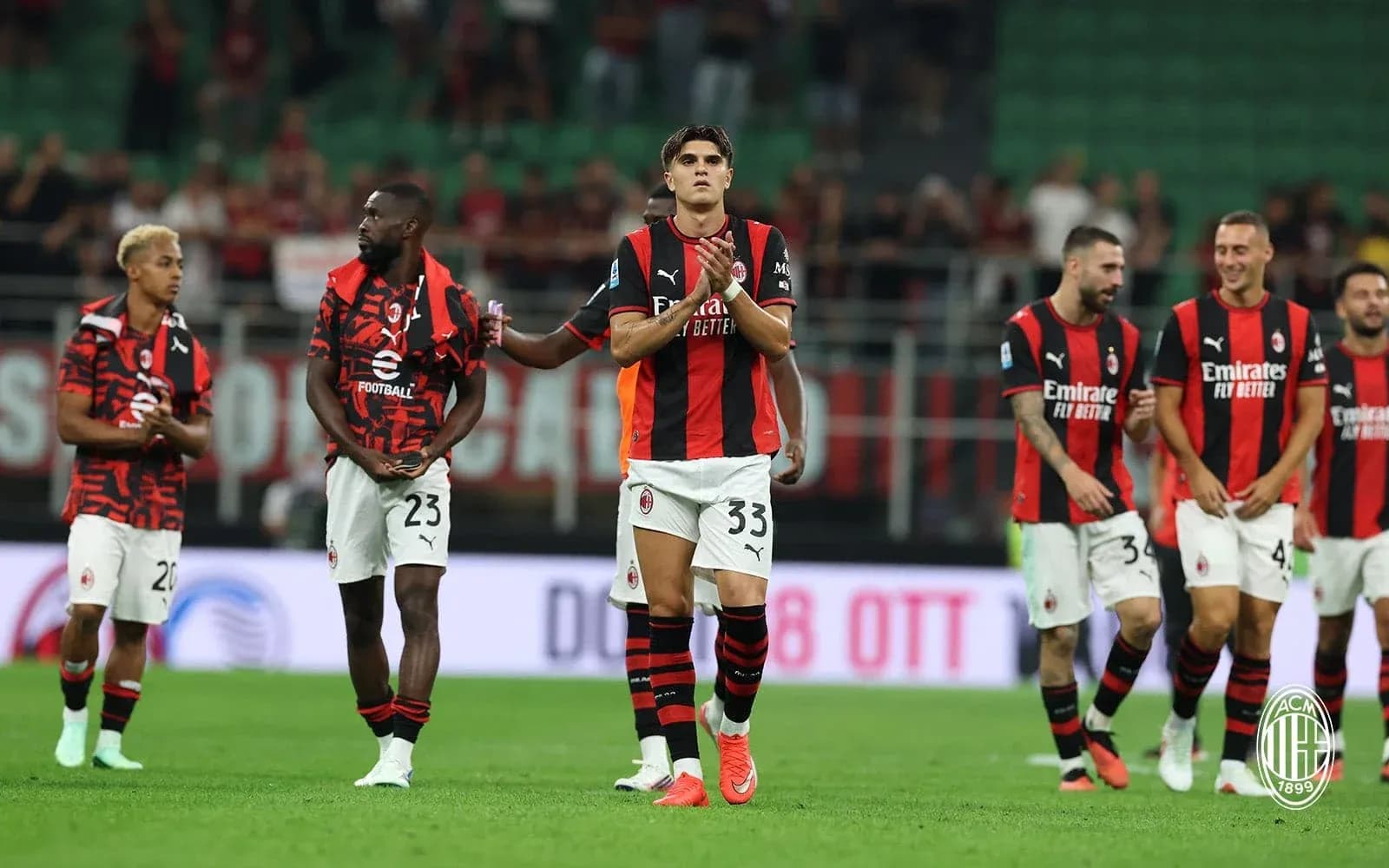
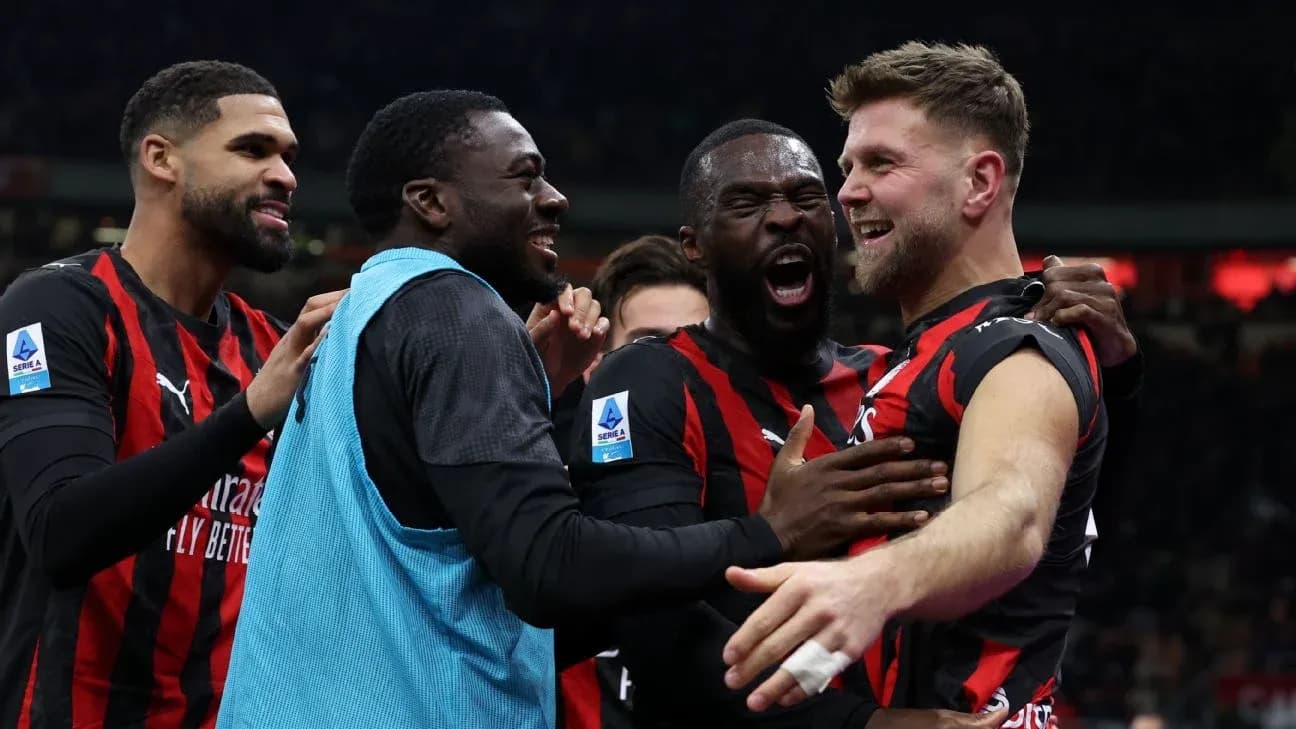
Under the late spring lights of Stadio Giuseppe Meazza, a season’s worth of tendencies and tensions converged into a final‑day twist. AC Milan, bound for Europa League football after finishing 5th with 70 points and a goal difference of 18 (53 scored, 35 conceded), fell 1–2 at home to a Cagliari side that closed in 14th on 43 points and a goal difference of -13 (40 scored, 53 conceded). Following this result in Round 38 of Serie A 2025, the table confirms what the 90 minutes suggested: Milan’s structure is largely sound, but their margins are thin; Cagliari’s survival has been built on opportunism and resilience in awkward games like this.
Both coaches mirrored each other with a 3‑5‑2, but the shared numbers hid very different intentions. Massimiliano Allegri’s Milan, so often a 3‑5‑2 this season (34 league appearances in that shape), used the system as a platform for controlled possession. With M. Maignan behind a back three of F. Tomori, M. Gabbia and S. Pavlovic, the Rossoneri aimed to compress the pitch, trusting their defensive record at home: across the campaign they conceded only 21 goals at San Siro, an average of 1.1 per match, and kept 7 clean sheets.
Ahead of them, the quintet of A. Saelemaekers, Y. Fofana, A. Jashari, A. Rabiot and D. Bartesaghi formed a broad, technical band. Jashari and Rabiot were the metronomes, Fofana the shuttler, while Saelemaekers and Bartesaghi were asked to pin Cagliari’s wing‑backs deep. Up front, S. Gimenez and C. Nkunku gave Allegri a dual‑threat pairing: one to occupy centre‑backs, the other to roam into half‑spaces.
Fabio Pisacane’s Cagliari, by contrast, used the same 3‑5‑2 template as a survival mechanism. Their season’s numbers underline the risk: on their travels they conceded 30 goals, an average of 1.6 per away match, with only 2 away clean sheets. Yet here, the back three of J. Pedro, Y. Mina and J. Rodriguez, protected by a combative midfield, found a way to bend but not break.
In midfield, G. Zappa and A. Obert patrolled the flanks, while M. Adopo, G. Gaetano and A. Deiola formed a compact central triangle. Up front, G. Borrelli and S. Esposito were the release valves. Esposito, one of Serie A’s standout creators this season with 5 assists and 7 goals in 36 appearances, dropped off the line to link play, while Borrelli ran channels and attacked the box.
If there was a tactical void in this contest, it lay in Cagliari’s absentees and how they re‑wired their threat. Missing M. Folorunsho (muscle injury), R. Idrissi (knee injury), S. Kilicsoy (personal reasons), J. Liteta (thigh injury) and L. Pavoletti (knee injury), Pisacane was stripped of depth and alternative profiles in attack and midfield. That made Esposito’s creative burden even heavier and increased the importance of Obert’s two‑way game on the left.
Milan, on paper, had the deeper bench and more varied weapons. Among the substitutes, R. Leao (9 league goals and 3 assists in 29 appearances) and C. Pulisic (8 goals and 4 assists in 30 appearances) offered game‑breaking potential from the flanks or as second strikers. P. Estupiñán, whose season has been coloured by disciplinary volatility – 5 yellows and 1 red in just 19 appearances – was another card in Allegri’s hand, both literally and figuratively. Yet the narrative of the match suggests Milan never fully leveraged that depth, or did so too late.
Discipline has been a recurring subplot for both teams, and it bled into the tension of this finale. Across the campaign, Milan’s yellow‑card distribution shows a late‑game spike: 25.00% of their yellows came between 76–90 minutes, part of a broader pattern of rising stress in the second half (18.75% in both the 46–60 and 61–75 windows). Cagliari’s profile is similar but even sharper: 27.16% of their yellows arrived in the 76–90 period, with another 23.46% between 46–60. Every second‑half duel at San Siro, then, carried the weight of a season’s accumulated impatience.
Red cards tell a more specific story. Milan’s most notable offender, Estupiñán, has already seen one red in league play, underlining the risk when Allegri seeks extra aggression from the flanks. Cagliari, meanwhile, concentrated their dismissals late: 100.00% of their reds this season came in the 76–90 window, a brutal reminder of how thin their emotional control can be when protecting or chasing a result. That they navigated this match without implosion speaks to a maturing game‑management under Pisacane.
The key matchups were layered. In the “Hunter vs Shield” axis, Milan’s attacking ceiling was defined by Leao and Pulisic, even if they did not start. Overall this campaign, Milan scored 53 goals, averaging 1.4 per match in total, with 1.3 at home and 1.5 on their travels. They faced a Cagliari defence that, overall, leaked 53 goals at 1.4 per match, and away from home was particularly porous at 1.6 conceded on average. On paper, this was a mismatch tilted towards Milan’s forwards.
Yet Cagliari’s own “Hunter” was Esposito, whose 71 key passes and 5 assists make him one of the league’s most productive playmakers. His duel with Milan’s “Shield” – the Tomori‑Gabbia‑Pavlovic trio in front of Maignan – defined Cagliari’s attacking viability. By consistently dropping into the right half‑space and combining with Zappa, Esposito could drag Milan’s line out of shape and feed Borrelli’s runs into the gaps.
In the “Engine Room,” Jashari and Rabiot faced Gaetano and Deiola. Milan’s midfield, built for circulation and control, was up against a Cagliari unit designed to disrupt rhythm and spring transitions. Across the season, Milan’s overall goals against average of 0.9 (1.1 at home, 0.7 away) was a testament to their structure; Cagliari’s 1.4 overall, and particularly their vulnerability away, showed how often that structure breaks down for them under sustained pressure.
From a statistical prognosis standpoint, the expected pattern before a ball was kicked would have leaned heavily Milan’s way: a side with 20 wins from 38, 15 clean sheets overall, and a penalty record of 7 scored from 7 (100.00% conversion, no misses) against a team with 11 wins, 17 defeats, and only 8 clean sheets. Cagliari’s attack, averaging 1.1 goals per match overall and just 0.9 on their travels, was supposed to be blunted by Milan’s defensive solidity.
But football lives in the space between numbers and execution. Milan’s recent form line of LWLLD hinted at late‑season fatigue and inconsistency, while Cagliari’s WWLDW suggested a side arriving with momentum and belief. Following this result, that contrast in trajectory feels decisive. Milan’s structure, squad depth and underlying metrics still project well for next season’s Europa League campaign, but Allegri will know that their home record – 25 goals scored and 21 conceded at San Siro – lacks the ruthless edge of a title challenger.
Cagliari, on the other hand, leave Milan with more than three points. They leave with proof that their 3‑5‑2, when anchored by Obert’s rugged defending (68 tackles and 18 blocked shots across the season) and lit by Esposito’s creativity, can survive and even thrive against elite opposition. If they can tighten their away defensive average from 1.6 goals conceded and maintain Esposito’s influence, the next campaign may be about pushing toward mid‑table comfort rather than glancing over their shoulders.
In the end, this 2–1 away win is less an upset in isolation than a crystallisation of each side’s season: Milan, controlled but occasionally blunt and brittle; Cagliari, flawed but defiantly alive when the stakes demand it.