Inter Milano W and Juventus W Battle to 3-3 Draw in Serie A Women
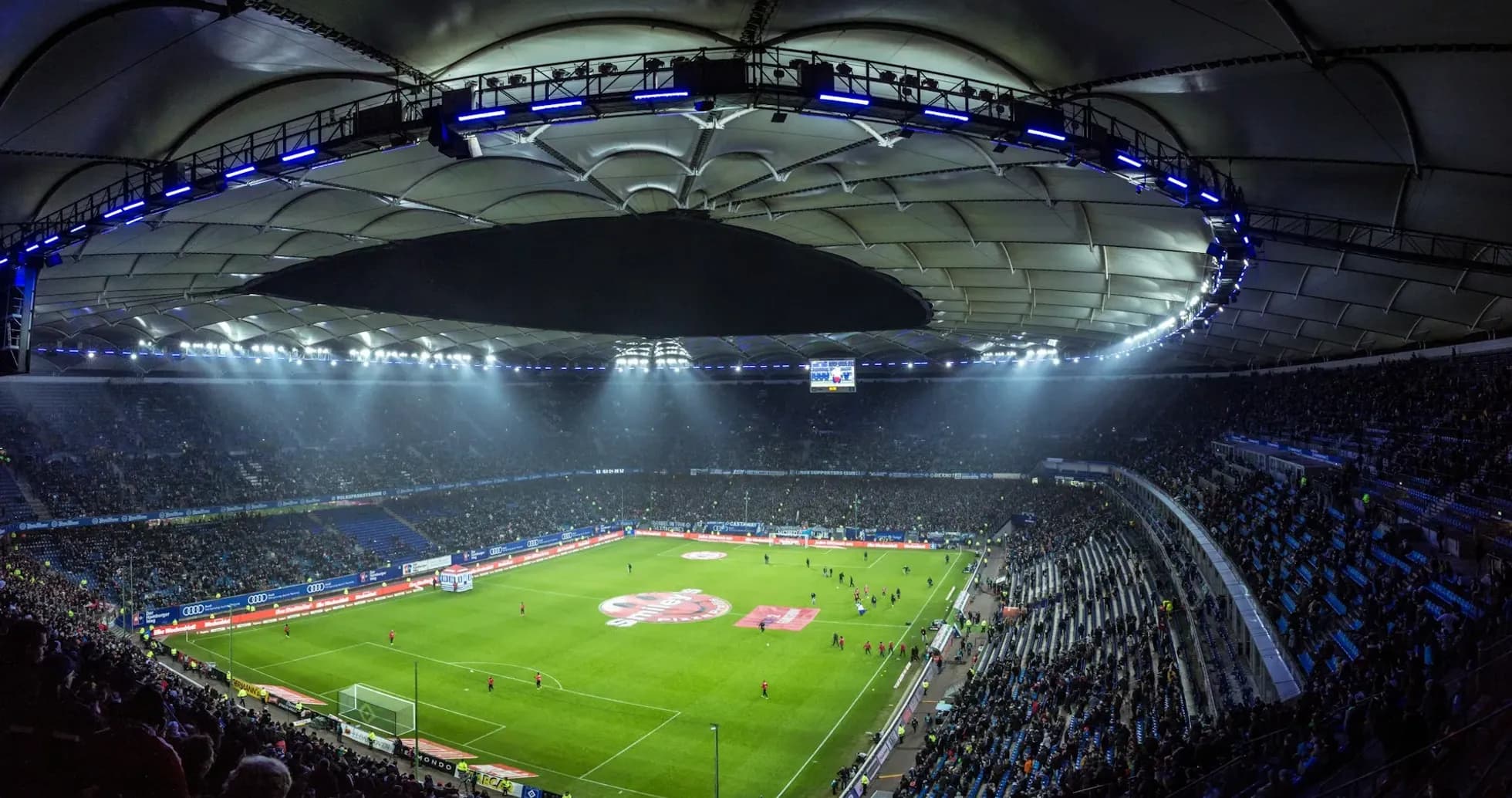
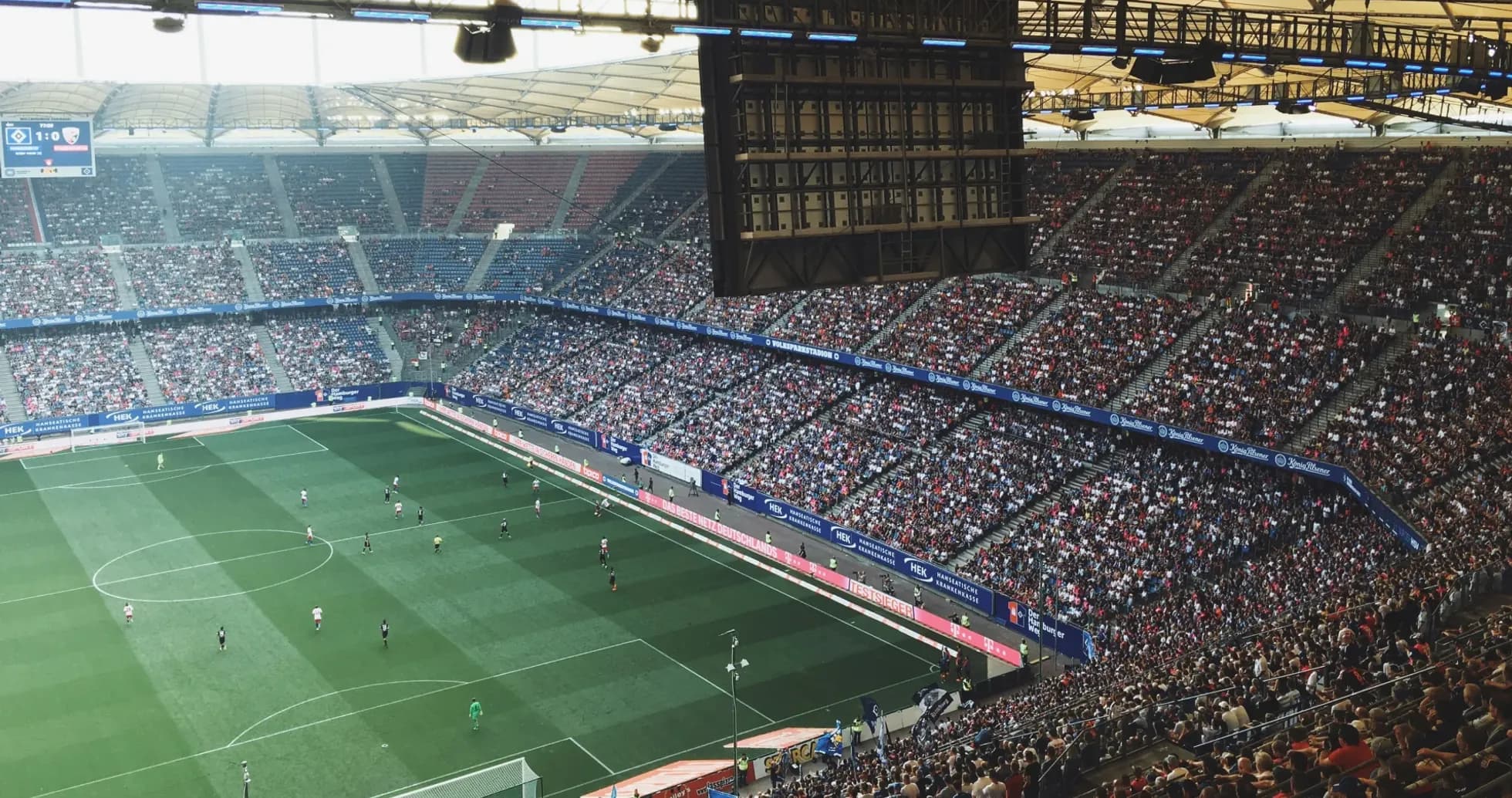
The afternoon at Stadio Vittorio Pozzo ended with the scoreboard locked at 3-3, a fittingly chaotic reflection of two sides whose seasonal DNA is built on front-foot football. Following this result in the Serie A Women regular season Round 21, Inter Milano W protect second place on 44 points, while Juventus W remain third on 36, both still tracking comfortably within the Champions League places. Over the campaign, Inter’s attack has been the benchmark in Italy, scoring 49 goals in total at an average of 2.3 per game, while Juventus have constructed their season on balance: 30 goals for, 18 against, and a total goal difference of +12.
Yet nothing about this match suggested control. Six goals before the interval – the half-time score already 3-3 – turned Biella into a tactical storm, where structure was repeatedly sacrificed for incision.
I. The Big Picture – Two Contenders, One Fractured Script
Heading into this game, the numbers painted a clear contrast. Juventus W, third in the table, had been efficient at home: 17 goals scored and only 8 conceded at Stadio Vittorio Pozzo, averaging 1.5 goals for and 0.7 against per home match. Inter, by contrast, travel with menace: on their travels they had scored 24 times in 11 away fixtures, averaging 2.2 goals away, even if their defensive average of 1.4 goals conceded away hinted at vulnerability once pushed back.
The 3-3 draw, therefore, was not an accident but a collision between Juventus’ usually disciplined home block and Inter’s relentless attacking machine. Across the season, Inter’s total goal difference of +26 (49 scored, 23 conceded) has been built on volume; Juventus’ +12 has been built on control. For 90 minutes, control disappeared.
II. Tactical Voids – What Was Missing, and Where the Game Broke
With no official absences listed, both coaches were theoretically at full disposal. Max Canzi’s Juventus W started with D. de Jong in goal behind a defensive line featuring M. Lenzini, V. Calligaris and M. Harviken, with E. Carbonell adding left-sided balance. In midfield, L. Thomas, L. Wälti and E. Schatzer provided the spine, while A. Vangsgaard, B. Bonansea and A. Capeta formed a fluid, pressing front line.
Gianpiero Piovani’s Inter Milano W mirrored that ambition. C. Runarsdottir started in goal, protected by a back unit including B. Glionna, K. Bowen, Ivana and E. Bartoli. Ahead of them, C. Robustellini, M. Detruyer and L. Magull formed the engine, with K. Vilhjalmsdottir and H. Bugeja flanking the league’s standout attacker, T. Wullaert.
If there was a tactical void, it came in the defensive transitions. Inter’s season-long card profile already hinted at volatility: their yellow cards spike between 31-45 minutes (25.93%) and remain high from 61-90 (a combined 37.04%), while their only red card in the league has arrived late, in the 76-90 range. Juventus, meanwhile, collect 60.86% of their yellows between 46-75 minutes. This match, with three goals per side by the break, felt like both teams leaning into that chaos, pressing high and accepting the risk of exposure.
Disciplinary trends also shape selection. L. Wälti, one of Juventus’ key controllers, carries 5 yellow cards this season, while A. Brighton, on the bench here, has 4. For Inter, Ivana has 4 yellows, and M. Tomasevic, another option from the bench, has 3. These are not incidental figures; they inform how aggressively each side can step into duels without flirting with suspension in the run-in.
III. Key Matchups – Hunter vs Shield, Engine vs Enforcer
The headline duel was always going to be “Hunter vs Shield”: T. Wullaert against a Juventus defence that, heading into this game, conceded only 0.9 goals per match in total and just 0.7 at home. Wullaert’s season is elite by any standard: 10 goals and 7 assists in 20 league appearances, with 14 of her 18 shots on target and 27 key passes. She is not just a finisher but a playmaker, and her penalty record – 3 scored, 1 missed – underlines both her responsibility and the slight edge of risk in her role from the spot.
Juventus’ shield is collective rather than individual. D. de Jong benefits from a structure that has already delivered 9 clean sheets overall, 5 of them at home. The defensive line is supported by Wälti, whose 22 tackles, 9 interceptions and 88% passing accuracy make her the quiet fulcrum of Canzi’s system. She is both the first screen and the first pass into midfield. That same Wälti, however, walks the disciplinary tightrope: 5 yellows, no reds, and a willingness to foul when the line is broken.
The “Engine Room” battle was equally fascinating. For Inter, L. Magull is the metronome: 372 passes at 86% accuracy, 20 key passes, 18 tackles and 11 interceptions. She stitches together Piovani’s 3-5-2 and 3-4-1-2 structures, both of which he has used 5 times each this season. Alongside her, M. Detruyer adds verticality – 2 goals, 4 assists and 10 key passes in limited minutes – making late runs that are difficult to track.
Juventus respond with creativity from deeper lines. Chiara Beccari, one of the league’s top performers, has 4 goals, 19 shots (11 on target) and 16 key passes, operating between midfield and attack. Ahead of her, Cristiana Girelli’s 2 goals and 2 assists from 574 minutes show a forward who can still drop and link when called upon, even if she did not start here. Together with Bonansea and Vangsgaard, they form a front unit that thrives when the game becomes stretched, as this one did.
IV. Statistical Prognosis – What This 3-3 Tells Us About What Comes Next
Following this result, the numbers suggest Inter remain the more explosive side. Their total average of 2.3 goals scored per game, combined with 1.1 conceded, underpins a high xG profile: they generate chances in volume and accept the trade-off at the back, particularly away where they concede 1.4 on average. Juventus, at 1.4 goals for and 0.9 against in total, profile closer to a control-first team whose xG allowed is likely lower, especially at home.
The draw hints at a future in which Inter’s ceiling remains higher, but Juventus’ floor remains safer. In a two-legged knockout scenario, Inter’s attacking trident of Wullaert, Bugeja and Magull, supported by Detruyer, would tilt the xG ledger in their favour. Yet over a tight, high-stakes tie, Juventus’ defensive solidity, clean-sheet record and the presence of an enforcer like Wälti could suffocate the spaces Inter need.
This 3-3 at Stadio Vittorio Pozzo felt less like an outlier and more like a preview: two Champions League-bound sides, one built to overwhelm, the other built to endure, both revealing enough flaws to make their next meeting unmissable.