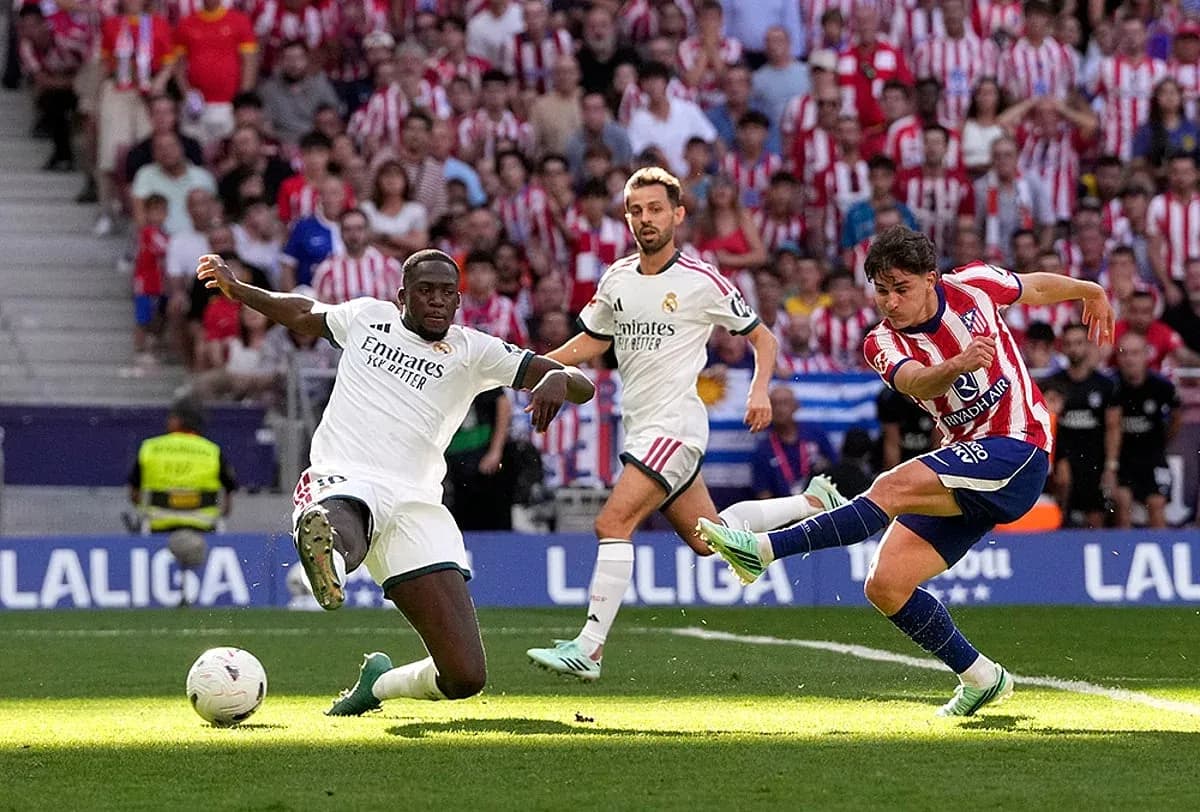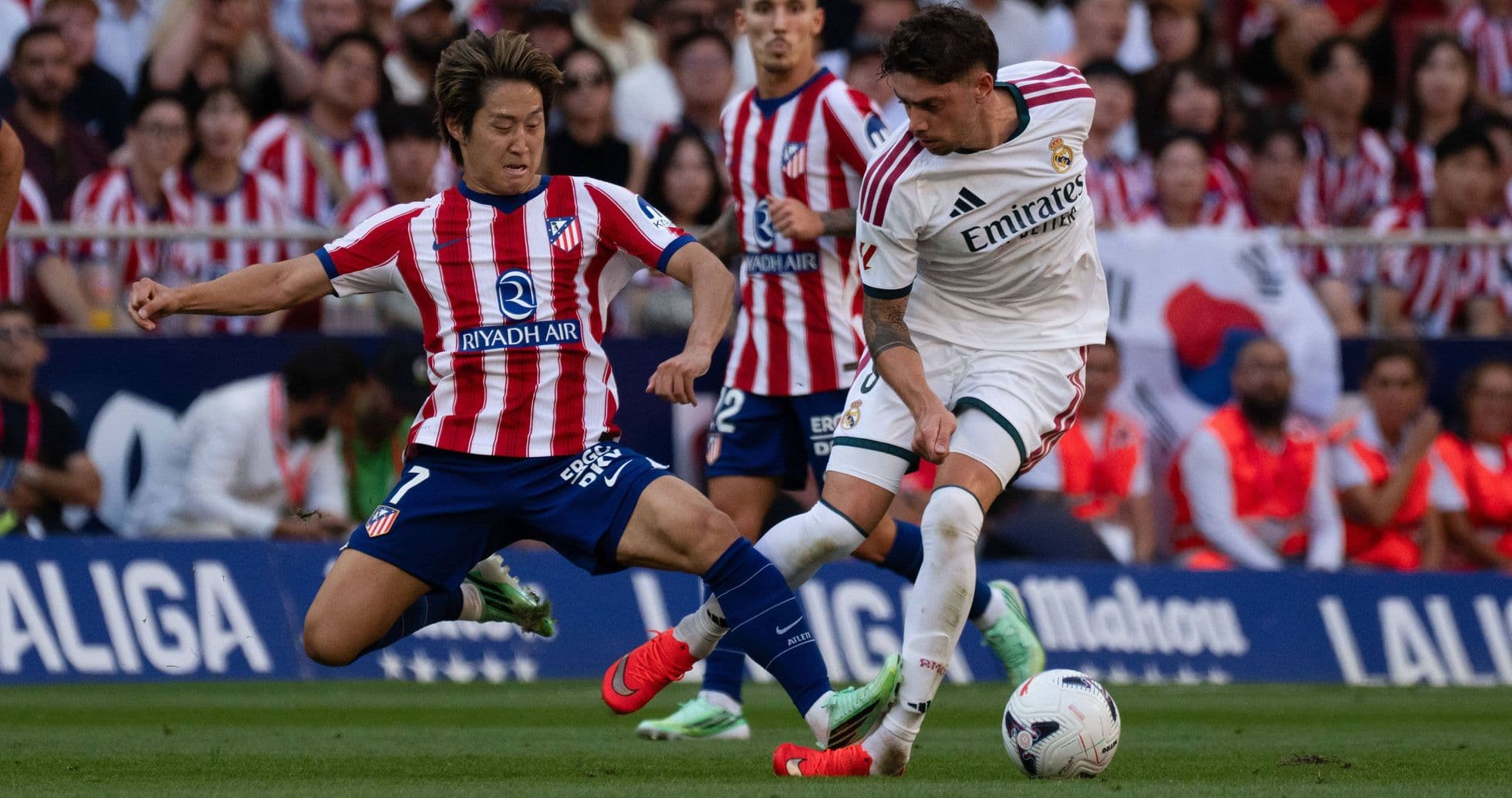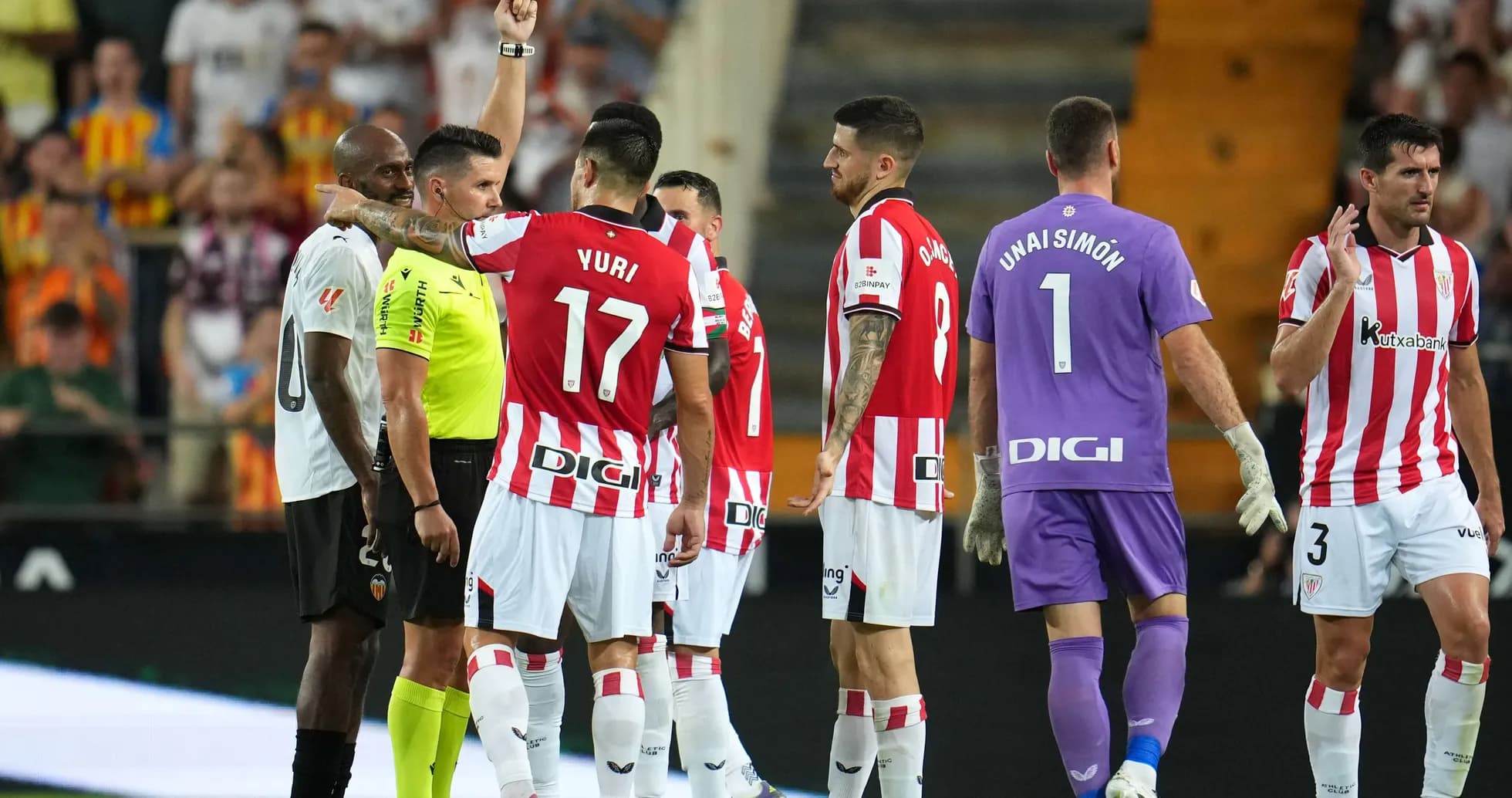
Valencia's Tactical Mastery Seals Victory at San Mamés
San Mamés had the feel of a crossroads rather than a coronation. Matchday 35 in La Liga, two proud clubs separated by only two points in the table, and yet heading into this game their seasons were moving in subtly different directions. Athletic Club arrived in 9th place with 44 points, Valencia in 12th with 42, both with negative goal differences that told of campaigns defined as much by missed chances and soft concessions as by any flourish.
The 0-1 scoreline in Valencia’s favour, sealed within the regular 90 minutes, felt like the distilled version of their season-long identity: compact, pragmatic, and opportunistic on their travels. Overall this campaign, Valencia had scored 38 and conceded 50, for a goal difference of -12. Athletic, for all their attacking intent at San Mamés, had 40 goals for and 51 against overall, a goal difference of -11. Two flawed but dangerous sides, and this time the margins tilted towards the visitors.
I. The Big Picture – Mirror Formations, Different Intentions
Both coaches went to a familiar shape. Ernesto Valverde trusted his staple 4-2-3-1, the same structure Athletic had used in 34 of their 35 league matches. Unai Simón anchored the side behind a back four of Aitor Gorosabel, Yeray Álvarez, Aymeric Laporte and Yuri Berchiche. In front, Mikel Jauregizar and Aitor Rego formed the double pivot, with a line of three – Raúl García Navarro, Oihan Sancet and Nico Williams – supplying Gorka Guruzeta as the lone striker.
Carlos Corberán mirrored the 4-2-3-1 he has increasingly leaned on, even though Valencia’s season has been more tactically fluid – they had lined up in 4-4-2 in 21 league matches, but used 4-2-3-1 nine times. Here, he wanted an extra layer in midfield. Stole Dimitrievski started in goal, with Renzo Saravia, César Tárrega, Eray Cömert and José Gayà as the back four. Pepelu and Guido Rodríguez sat as the screening pair, while Diego López, Javi Guerra and Luis Rioja supported Hugo Duro up front.
Heading into this game, the numbers suggested a tight, attritional contest. Athletic’s attack at home had averaged 1.2 goals per match, while conceding 1.1. Valencia, away from home, had averaged only 0.8 goals for but 1.6 against. The statistical expectation was clear: Athletic would carry the initiative, Valencia would absorb and counter, and the outcome would hinge on whether the hosts could convert territorial control into goals.
II. Tactical Voids – Who Was Missing, and What It Cost
Both squads arrived trimmed by absences that subtly reshaped the contest.
Athletic were without Unai Egiluz (injury), Beñat Prados Díaz (knee injury), Iñigo Ruiz de Galarreta (personal reasons) and Mikel Sannadi (coach’s decision). The loss of Ruiz de Galarreta, in particular, stripped Valverde of his most reliable metronome. Across the season he had logged 2,018 minutes, with 1,117 passes and 24 key passes, plus 58 tackles and 4 successful blocks. His 10 yellow cards in La Liga underlined how central he was to breaking up play and managing transitions. Without him, Jauregizar and Rego had to share the “enforcer and organiser” duties, but lacked his blend of bite and composure.
Valencia’s absentees were concentrated in the defensive core: Lucas Beltrán (knee), Javi Copete (ankle), Mouctar Diakhaby (muscle), Dimitri Foulquier (knee) and T. Rendall (muscle) all missed out. That forced Corberán to lean heavily on Tárrega and Cömert, with Gayà’s presence on the left becoming even more critical. Gayà, who had 67 tackles and 7 blocked shots this season, plus 6 yellow cards and 1 red, carried both defensive and leadership weight in a makeshift back line.
Disciplinary trends also framed the risk profiles. Athletic’s yellow cards peaked between 61-75 minutes (22.37%) and 46-60 (18.42%), pointing to a side that grows increasingly aggressive as matches open up. Their red cards were clustered in the 46-60 (14.29%), 61-75 (28.57%) and 91-105 ranges, suggesting late-game volatility. Valencia, by contrast, concentrated 23.19% of their yellows between 76-90 minutes and 20.29% between 46-60, a sign of a team that digs in when protecting leads or grinding through the second half.
III. Key Matchups – Hunter vs Shield, and the Engine Room
The “Hunter vs Shield” narrative centred on Gorka Guruzeta against a Valencia defence that, on their travels, had conceded 29 goals in 18 matches. With Athletic’s home attack at 21 goals from 18 games, the onus was on Guruzeta to exploit the spaces between Cömert and Tárrega, with Sancet threading passes into the channels and Nico Williams driving at Saravia.
Yet Valencia’s defensive shield – Pepelu and Guido Rodríguez – repeatedly smothered those central lanes. Their presence allowed the back four to hold a compact block around the box, forcing Athletic to circulate wide and cross rather than break lines. For a side that had already failed to score in 5 home matches this season, the pattern was ominously familiar.
The “Engine Room” duel was even more decisive. Without Ruiz de Galarreta, Athletic’s double pivot lacked a natural conductor. Jauregizar and Rego worked, but Javi Guerra and Pepelu dictated. Guerra’s positioning between the lines drew Athletic’s midfield out, opening pockets for Diego López and Rioja to attack the half-spaces.
Luis Rioja, Valencia’s top assist provider this season with 6 in La Liga, was the standout creative threat. Across the campaign he had produced 35 key passes, 60 dribble attempts with 34 successes, and 770 total passes at 79% accuracy. Against Athletic, his role as a transition outlet on the left was crucial: every time Athletic’s full-backs advanced, Rioja waited to spring into the vacated channels, turning defence into immediate counter-pressure.
On the opposite flank, Gayà versus Nico Williams was a duel of pure electricity. Gayà’s 202 duels (119 won) and 24 key passes underlined how complete his left-back profile is. He had to balance overlapping to support Rioja with the need to track Williams’ direct running. The fact that Athletic never found the decisive incision down that side was a quiet victory for Gayà’s game management.
IV. Statistical Prognosis – Why the xG Story Favoured Valencia
Even without explicit xG numbers, the seasonal data points towards a clear tactical prognosis that played out on the pitch.
Athletic’s overall attack, at 1.1 goals per match, has been too blunt for a side that often dominates territory, and they had failed to score in 12 matches overall this campaign. Valencia, meanwhile, had kept 9 clean sheets overall, 5 of them away from home. On their travels they combined a modest 0.8 goals for with a disciplined 1.6 conceded, but those 5 away clean sheets show their ceiling when the defensive block is well-organised.
Heading into this game, the likely xG pattern was one of volume versus quality: Athletic generating more shots and territory, Valencia carving out fewer but clearer chances in transition. Corberán’s choice of 4-2-3-1 over the more expansive 4-4-2 underlined a priority: compress the central spaces where Sancet thrives, funnel Athletic wide, and then strike quickly through Guerra, Rioja and Duro.
The late-game card distributions added another layer. With Valencia’s yellow cards peaking at 76-90 minutes (23.19%), they are used to suffering late and living on the edge to protect results. Athletic’s own spike between 61-75 minutes (22.37%) hinted at frustration and risk as they chased the match. In a tight game like this, those patterns tend to tilt the xG balance towards the more composed side in transition.
Following this result, the narrative is of a Valencia side that has learned to weaponise its away-day austerity, and an Athletic team whose structural solidity cannot always compensate for the absence of a true midfield governor like Ruiz de Galarreta. The tactical story at San Mamés was not of one chance or one mistake, but of a season-long identity: Valencia, disciplined and ruthless in the margins; Athletic, brave but blunt when the game demands a cutting edge.