Genoa W vs Fiorentina W: A Clash of Seasons
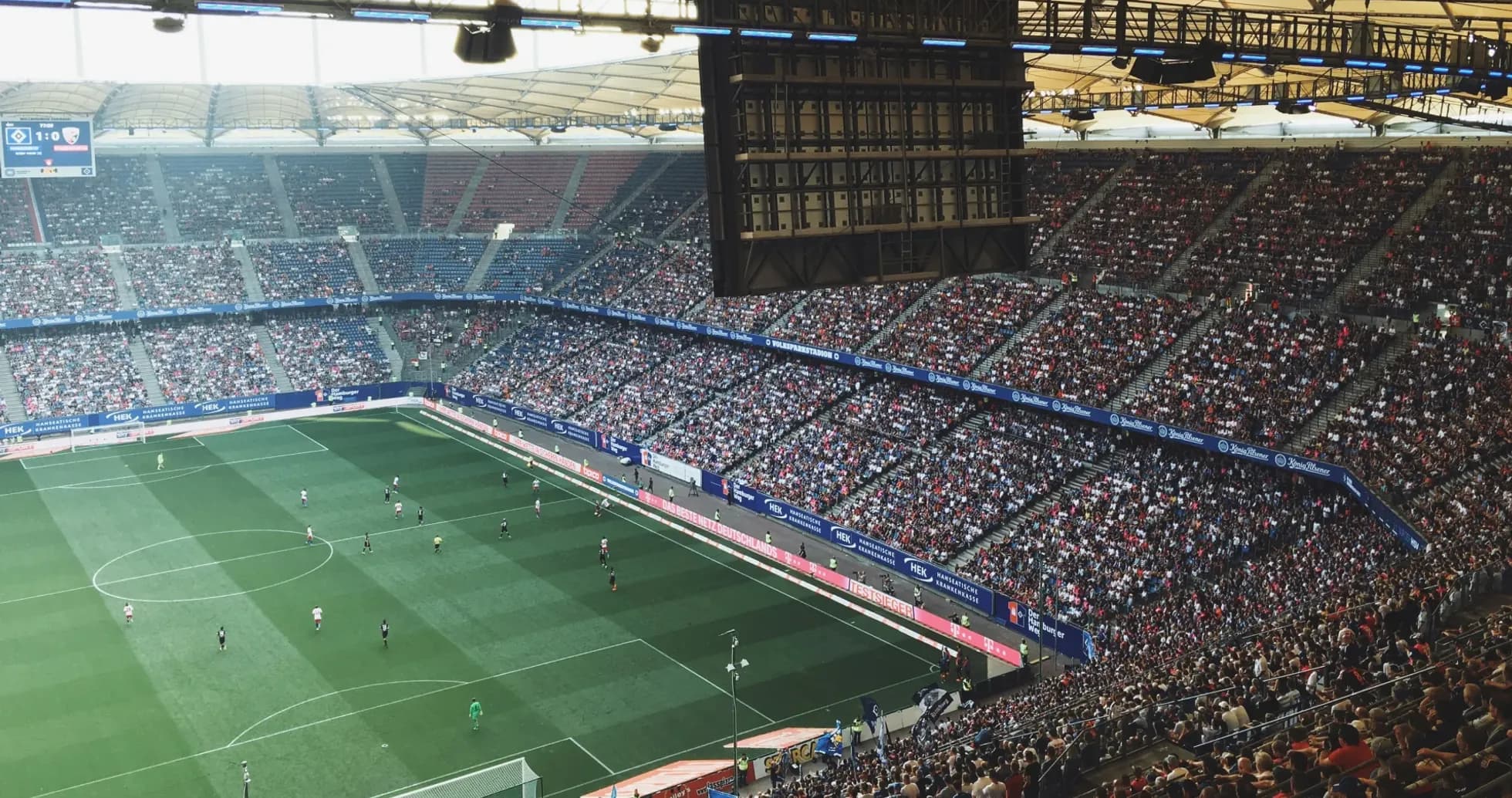
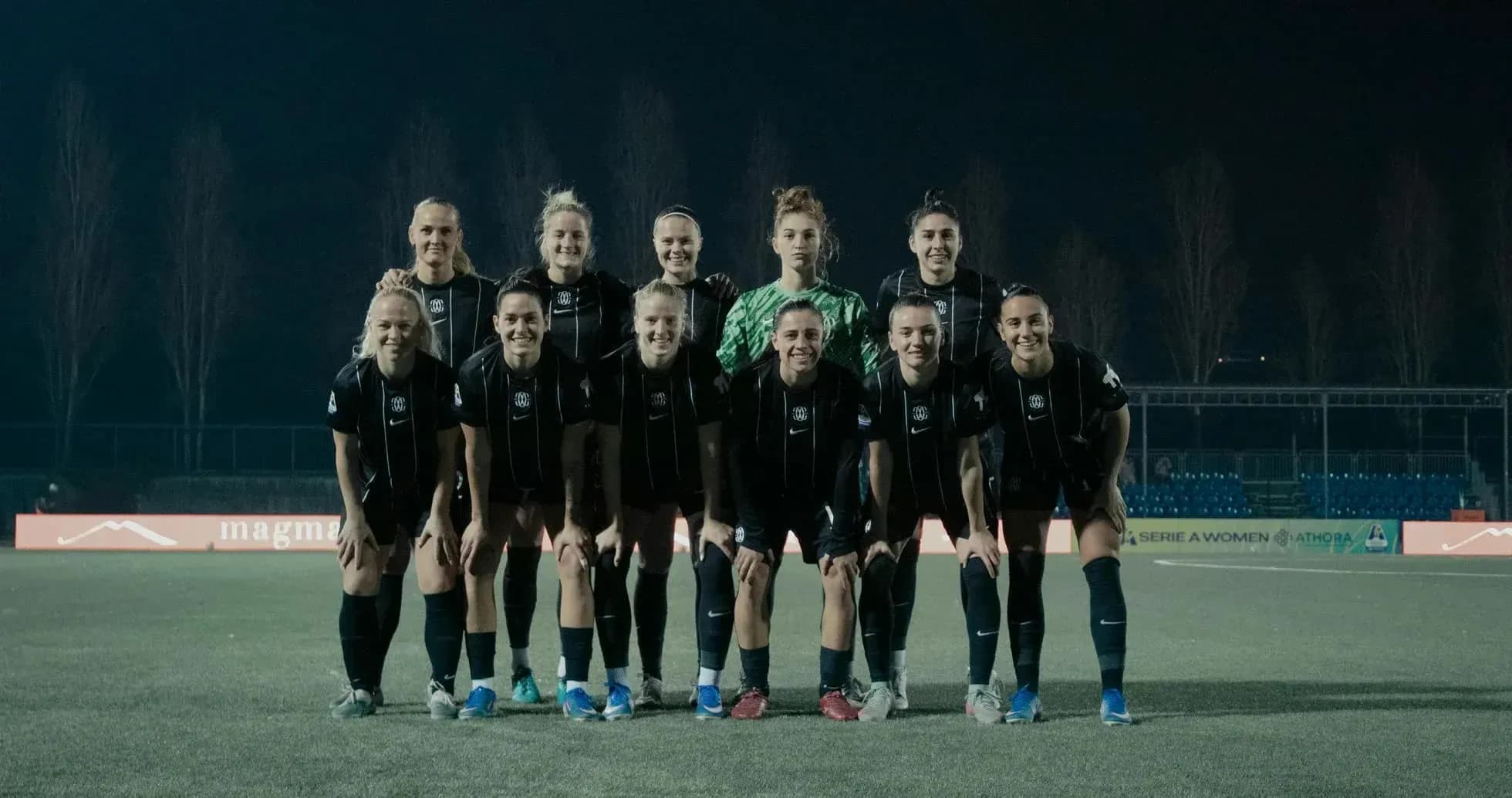
The late afternoon light at Stadio Luigi Ferraris framed a match that felt like two different seasons colliding. On one side, Genoa W, 12th in Serie A Women and locked in a relegation battle, carrying just 10 points and a goal difference of -23 after 21 matches. On the other, Fiorentina W, 5th with 33 points and a slim but positive goal difference of 2, chasing the upper reaches of the table. Over 90 minutes, that structural gap showed in flashes, but so did Genoa’s refusal to quietly accept their fate, as Fiorentina edged a 3–2 away win.
I. The Big Picture: Identities in Conflict
Heading into this game, the statistical profiles of these sides could not have been more contrasting.
Genoa W’s season has been a grind. Overall, they have won only 2 of 21 league fixtures, drawing 4 and losing 15. At home, they had taken both of those victories, but also suffered 8 defeats from 11, scoring 11 goals and conceding 19. Their attacking output at home sits at 1.0 goals per game, while they allow 1.7, a pattern of narrow margins that often tilt the wrong way. Overall, they average 0.9 goals for and 2.0 against per match, a structural imbalance that forces them into constant reactive football.
Fiorentina W arrived as a more balanced, if inconsistent, force. Overall, they have 9 wins, 6 draws and 6 defeats from 21 matches. At home they are strong (5 wins from 10), but crucially on their travels they are competitive: 4 wins, 3 draws and 4 losses from 11 away fixtures, scoring 12 and conceding 15. That away profile—1.1 goals scored and 1.4 conceded per match—suggests a side comfortable in tight games, capable of managing risk and striking in key moments.
The 3–2 scoreline in Genoa underlined those trends: Fiorentina’s slightly superior attacking structure and game management ultimately overcame a Genoa side that once again scored, competed, but could not keep the back door shut.
II. Tactical Voids and Discipline: Edges at the Margins
There were no listed absentees in the data, so both coaches—Sebastian De La Fuente for Genoa and Jesus Pinones-Arce Pablo for Fiorentina—could lean on their core structures.
For Genoa, the spine started with goalkeeper C. Forcinella behind a defensive line including F. Di Criscio and V. Vigilucci, with A. Acuti and C. Mele among those tasked with giving the side some solidity and progression. Up front, A. Sondengaard and B. Georgsdottir offered running and physical presence, while E. Bahr and R. Cuschieri were key to linking midfield and attack.
The disciplinary picture for Genoa has been a quiet but decisive subplot to their season. Their yellow-card distribution shows a clear late-game spike: 30.77% of their bookings arrive between 76–90 minutes, with another 19.23% between 61–75. That means exactly half of their cautions come after the hour mark, a sign of a side that tires, chases games, and is forced into desperate interventions. Midfielders A. Acuti and N. Cinotti embody that edge: both have collected 4 yellow cards in the league, with Cinotti also missing a penalty this season. Even when Genoa find rhythm, game-state pressure often drags them into risky territory.
Fiorentina’s discipline profile is different but equally telling. Their yellow cards peak between 46–60 minutes (28.57%), with another 21.43% in the 76–90 window. They tend to reset aggressively after half-time, using tactical fouls to manage transitions and protect their structure. Their only red-card moment in the data arrives late: 100.00% of their red cards fall in the 76–90 range, a reminder that their intensity can spill over when closing matches.
In this particular fixture, that underlying narrative played out subtly: Genoa’s late-game strain against a more controlled Fiorentina side helped tilt the balance once more against the relegation candidates.
III. Key Matchups: Hunter vs Shield, Engine Room vs Enforcer
The attacking “Hunter” in this contest was clearly I. Omarsdottir for Fiorentina. Across the campaign, she has scored 4 goals in 19 appearances, with 13 shots and 6 on target, and a rating of 6.75. She is not a volume shooter, but a forward who makes her chances count and works hard off the ball—70 duels contested, 30 won, plus 10 fouls drawn. Against a Genoa defence that concedes 2.0 goals per match overall and 2.2 on their travels (but 1.7 at home), her movement between the lines and ability to exploit disorganisation was a natural threat.
Genoa’s “Shield” is more collective than individual. Their three clean sheets overall—2 at home, 1 away—speak to a side that can, in isolated matches, hold their shape. Players like A. Hilaj, officially listed as an attacker but with 21 tackles, 9 blocked shots and 26 interceptions, function almost as hybrid wide enforcers. Hilaj’s work rate and defensive output are crucial when Genoa drop into a deeper block, especially against wide threats.
On Fiorentina’s creative axis, S. Bredgaard is the “Engine Room” in the final third. With 5 assists and 2 goals from 16 league appearances, plus 17 key passes and 28 dribble attempts (13 successful), she is the conduit between midfield and attack. Her 4 yellow cards underline her willingness to counter-press and foul when needed, but the real danger lies in her ability to slip passes into channels and attack half-spaces.
Opposite her, Genoa’s central enforcers A. Acuti and N. Cinotti carry the responsibility of disrupting that rhythm. Acuti has 26 tackles, 2 successful blocks and 21 interceptions, while Cinotti adds 21 tackles and 11 interceptions. Together, they form a combative core that tries to deny players like Bredgaard the time to turn and face goal. Yet their shared disciplinary load—4 yellow cards each—means that every aggressive duel carries risk, especially late in games where Genoa already trend towards more fouls and cards.
IV. Statistical Prognosis: Why Fiorentina Edge It
From a probabilistic lens, Fiorentina’s 3–2 win sits comfortably within the expected pattern of this matchup.
Genoa’s overall attacking average of 0.9 goals per game and Fiorentina’s defensive concession of 1.4 per match suggest that Genoa hitting 2 goals required a strong finishing day and some favourable moments. That they still lost underlines the structural weight of their defensive issues: conceding 2.0 goals per game overall, facing an attack that scores 1.5 per match in total and 1.1 away, the likelihood of Fiorentina finding at least 2–3 goals was always high.
Fiorentina’s penalty record—5 penalties taken, 5 scored, 100.00% conversion—adds another layer of threat in high-leverage situations, even though no penalties were recorded in this specific fixture. Genoa, by contrast, have had 1 penalty overall, scored it, but also carry the memory of Cinotti’s missed spot-kick in league play, a small psychological scar in tight contests.
In xG terms, while exact numbers are not provided, the season-long shot and goal patterns point towards Fiorentina regularly generating the higher-quality chances. Their balanced record of 31 goals for and 29 against overall, coupled with a positive goal difference of 2, suggests a side whose performances broadly match their results. Genoa’s -23 goal difference, with 18 scored and 41 conceded, is the profile of a team whose defensive structure is persistently exposed.
Following this result, nothing fundamental changes in the underlying story. Genoa remain a side that can hurt opponents in moments—especially at home—but whose defensive fragility and late-game discipline issues keep dragging them back into trouble. Fiorentina, meanwhile, continue to operate as a well-calibrated away side: not dominant, but efficient, leaning on the movement of Omarsdottir, the creativity of Bredgaard, and a collective ability to manage game states.
On the evidence of both the numbers and the narrative at Luigi Ferraris, this 3–2 away win felt less like an upset and more like the season’s probabilities playing out in real time.