France Dominates Senegal in World Cup Opener
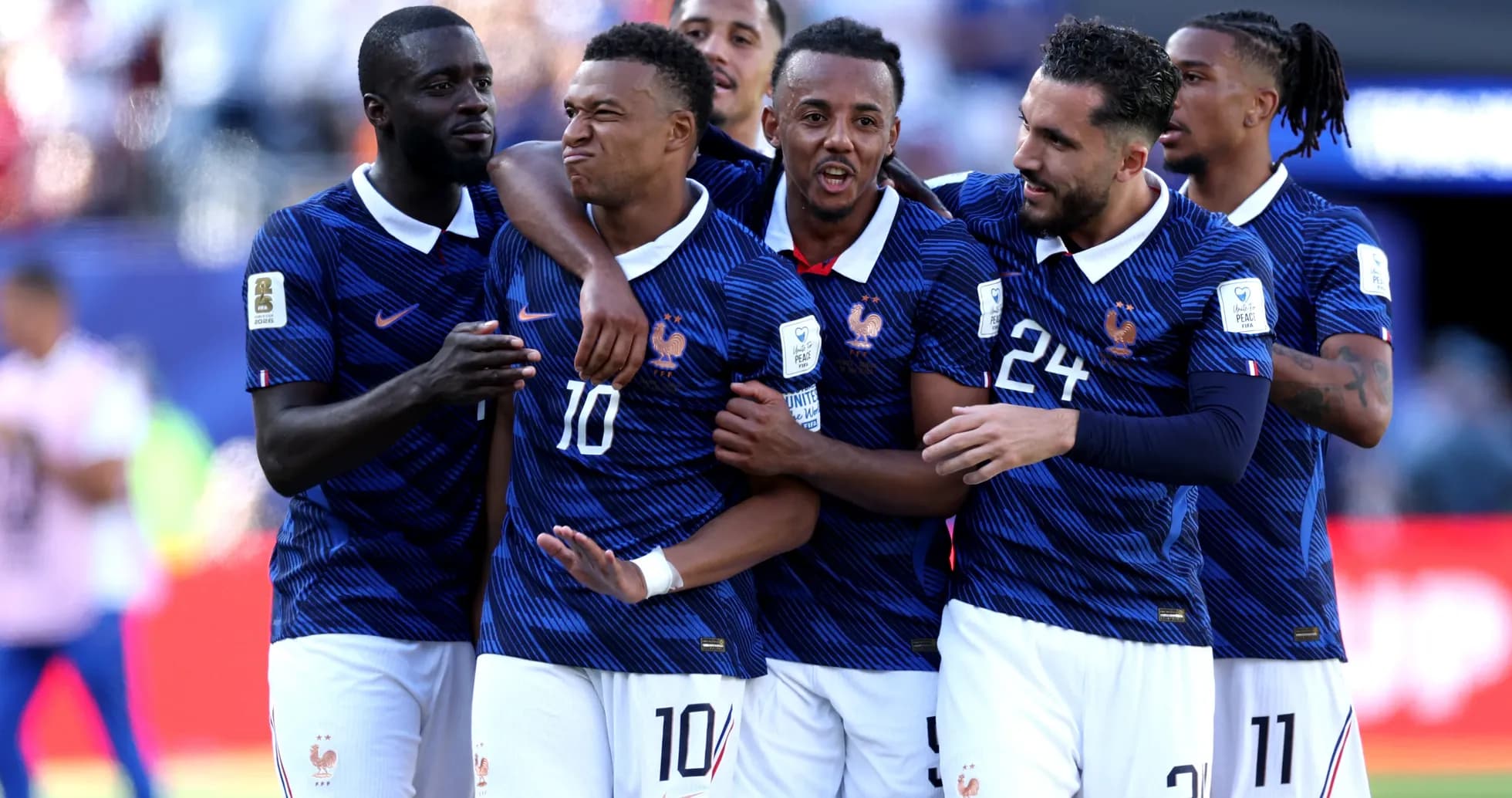
MetLife Stadium in East Rutherford staged a World Cup opener that felt like a statement of intent from France and a stark warning for Senegal. In a Group Stage – 1 fixture, Didier Deschamps’ side, at “home” in name if not in geography, dismantled Senegal 3–1, a scoreline that matched the broader balance of power across the 90 minutes.
Following this result, France sit 2nd in Group I on 3 points, with a goal difference of +2, built from 3 goals for and 1 against overall. Their World Cup campaign so far is defined by control: in total this campaign they have played 1 match, won 1, and have yet to drop a point. Senegal, by contrast, are 3rd in Group I, still pointless, with a goal difference of -2 from 1 goal scored and 3 conceded overall. For a side accustomed to being the aggressor in African competition, this was a sobering opening.
I. The Big Picture – Two 4-2-3-1s, two very different outcomes
Both coaches mirrored each other structurally in a 4-2-3-1, but the same shape produced very different footballing identities.
France’s back four of J. Kounde, D. Upamecano, W. Saliba and T. Hernandez sat behind a double pivot of A. Tchouameni and A. Rabiot. Ahead of them, a fluid band of three – M. Olise on the right, O. Dembele centrally, D. Doue from the left – rotated around K. Mbappe, the lone forward on paper but the true reference point of the entire attack.
Senegal’s line-up read similarly: K. Diatta, K. Koulibaly, M. Niakhate and M. Diouf in defence; I. Gueye and P. Gueye as the screen; I. Sarr, L. Camara and S. Mane behind N. Jackson. But where France’s 4-2-3-1 breathed and shifted, Senegal’s often felt stretched, with gaps between the lines that Mbappe and company were quick to exploit.
Statistically, the story is stark. At home, France have scored 3 goals and conceded 1, averaging 3.0 goals for and 1.0 against per game. On their travels, Senegal’s record is inverted: 1 goal scored and 3 conceded away, for an away average of 1.0 scored and 3.0 conceded. In total this campaign, France’s attack and Senegal’s defence are on opposite ends of the spectrum – one efficient and ruthless, the other porous and reactive.
II. Tactical Voids – Discipline and depth
There were no listed absences in the data, so both coaches had full decks to play with. Deschamps’ bench was stacked with alternatives: M. Thuram, J. Mateta and B. Barcola as forward options; creative sparks like R. Cherki and W. Zaire-Emery; and experienced stabilisers such as N. Kante and L. Digne. This depth allowed France to sustain intensity late, when legs and concentration typically waver.
Senegal’s bench was more about like-for-like reinforcement: forwards B. Dieng, C. Ndiaye, I. Ndiaye and I. Mbaye; midfielders P. Ciss, P. M. Sarr and B. Sapoko Ndiaye; and defensive cover in I. Jakobs, A. Mendy, M. Sarr and A. Seck. The tools were there, but the structural issues in front of K. Koulibaly and M. Niakhate limited the impact of any single change.
Disciplinary data for both sides is blank across all time ranges, so this opener was not shaped by cards or suspensions. That, in itself, is telling: France imposed themselves through structure and talent, not by dragging the game into chaos; Senegal could not disrupt the rhythm enough even with tactical fouling.
III. Key Matchups
Hunter vs Shield – Mbappe and France’s edge over Senegal’s back line
Heading into this game, the World Cup’s early scoring charts already had Kylian Mbappé at the forefront. Over 1 appearance and 90 minutes, he has scored 2 goals in total, converting all 4 of his shots on target. His rating of 8.2 and dribble volume – 6 attempts, with 1 successful – underline how relentlessly he probed, even when not always beating his man.
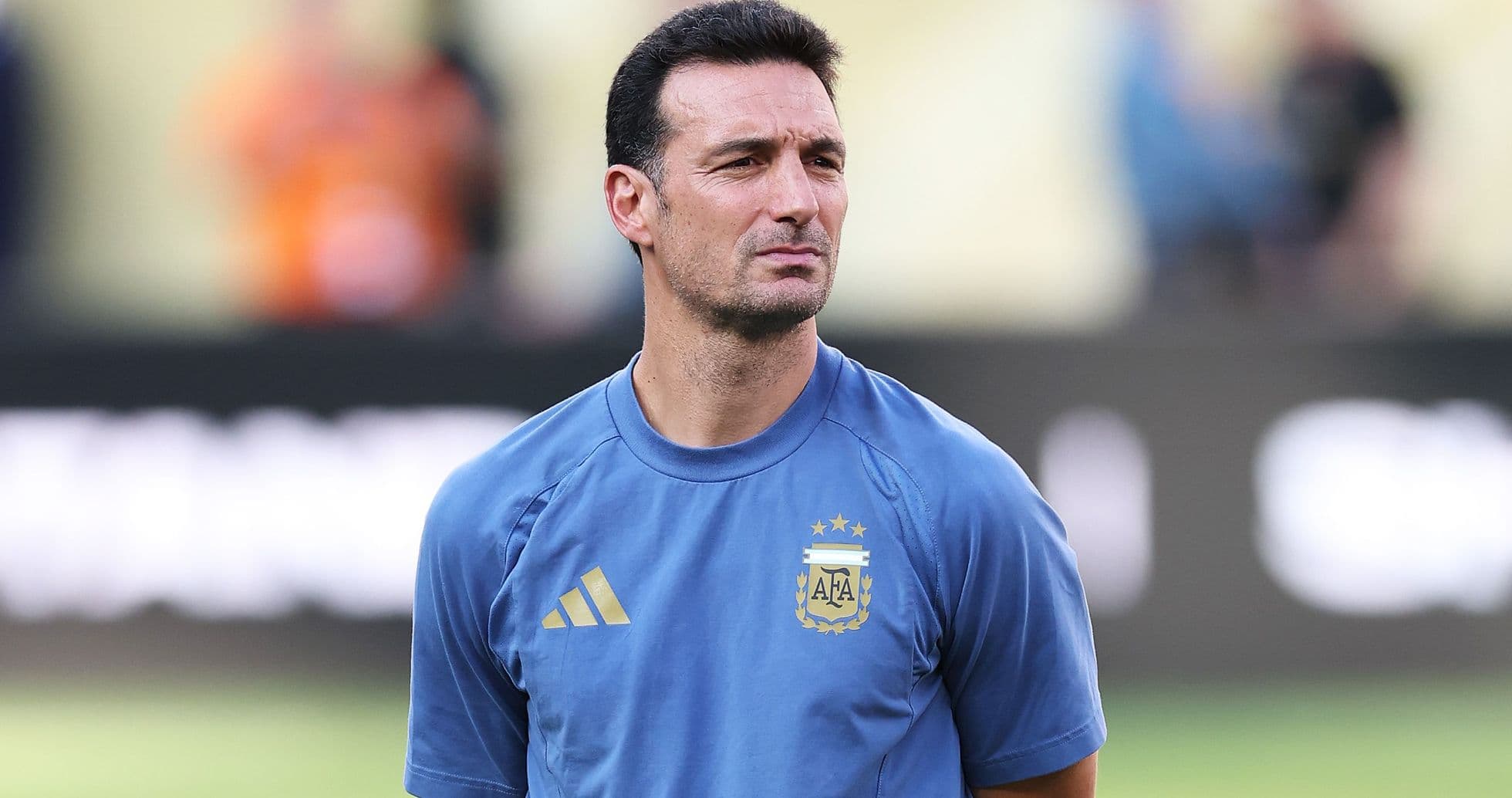
For Senegal, the “shield” was meant to be the axis of K. Koulibaly and M. Niakhate, backed by I. Gueye in front. Yet on their travels, Senegal concede an average of 3.0 goals per game, and this match did nothing to challenge that trend. The back line struggled to compress space between midfield and defence, allowing Mbappe to receive in pockets where his first touch and acceleration are lethal.
France’s total goals for (3) and Senegal’s total goals against (3) align almost perfectly: an attack that expects to score versus a defence that, so far, expects to suffer. The 3–1 home win being France’s biggest home victory and Senegal’s heaviest away defeat of the campaign encapsulates that imbalance.
Engine Room – Creativity vs containment
The creative heartbeat of France’s depth chart is already visible in the numbers. B. Barcola, coming from the bench, has 1 goal in total from just 10 minutes of action, with 7 passes at 85% accuracy and 2 duels won out of 3. He represents the second wave of threat once Mbappe and the starting trio have softened up a back line.
For Senegal, I. Ndiaye stands out as the early playmaker. In 17 minutes, he has produced 1 assist in total, with 10 passes at 90% accuracy and 1 key pass. He also contributed defensively with 1 interception. His role, drifting between the lines and connecting midfield to the front, hints at a route forward for Senegal: shorter, sharper combinations rather than direct balls into N. Jackson.
I. Mbaye, another Senegal substitute, offers a different kind of danger. With 1 goal in total from 1 shot on target, 8 passes at 87% accuracy and a perfect 1 from 1 on dribbles, he showed he can attack tired defences late on. His emergence suggests that Senegal’s attacking ceiling may be higher than the current away average of 1.0 goal per game if they can reach those advanced zones more consistently.
IV. Statistical Prognosis – France in control, Senegal at a crossroads
Following this result, the statistical direction of travel is clear. Overall, France have 1 win from 1, 3 goals scored and 1 conceded, no clean sheets yet but no failures to score either. Their home profile is that of a side confident in outscoring opponents, leaning on an attack that already features the World Cup’s most efficient finisher so far.
Senegal’s overall picture is more fragile: 1 loss from 1, 1 goal for and 3 against, no clean sheets, but also no failures to score. They are not blunt – the likes of I. Ndiaye and I. Mbaye have already contributed directly to goals – but they are exposed. An away average of 3.0 goals conceded per game is unsustainable in tournament football.
Even without explicit xG data, the patterns are unmistakable. France generate high-quality chances through Mbappe’s movement and the support cast’s rotations, while Senegal allow too many of those chances in central zones. Unless Bouna Thiaw Pape tightens the distances between his lines and offers more protection in front of Koulibaly and Niakhate, Senegal’s promising attacking cameos will be drowned out by the weight of goals conceded.
For now, France leave MetLife Stadium looking every inch the Round of 32-bound heavyweight their “Round of 32” group description suggests. Senegal depart knowing that their next fixture is already edging towards must-win territory – and that the balance between their hunters and their shield must shift quickly if their World Cup story is to extend beyond the group.