Iran and New Zealand Share Points in Thrilling World Cup Opener
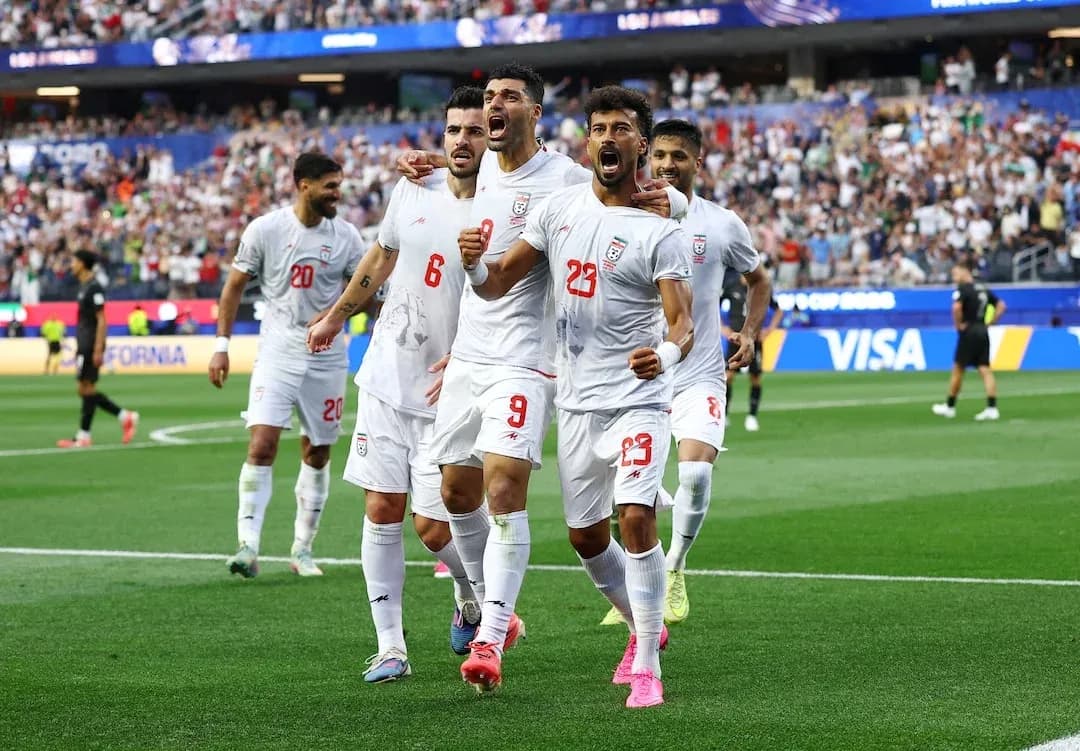
Under the lights of SoFi Stadium, Iran and New Zealand opened their World Cup campaigns with a 2-2 draw that felt less like a cautious group opener and more like a statement of intent from two sides determined not to be passengers in Group G. Following this result, both sit on 1 point, New Zealand nominally top and Iran second, each with a goal difference of 0 after scoring and conceding 2 in total. It was a match that revealed as much about their tactical DNA as it did about individual brilliance.
Iran, designated the home side and lining up in a 4-4-2, leaned into familiarity. Amir Ghalenoei trusted a classic Iranian spine: Alireza Beiranvand in goal, a back four anchored by Shoja Khalilzadeh and Ali Nemati, and a midfield shield led by Saeid Ezatolahi. Up front, Shahriar Moghanlou and Mehdi Taremi formed a strike partnership designed to pin New Zealand’s centre-backs and create pockets for the wide midfielders to attack.
New Zealand, on their travels and set up in a 4-2-3-1, embraced a more modern, layered shape. Max Crocombe stood behind a defence marshalled by Michael Boxall and Finn Surman, with Liberato Cacace and Tim Payne providing width from full-back. Joe Bell and Marko Stamenic formed a double pivot, while the attacking band of three – Elijah Just, Sarpreet Singh and Callum McCowatt – orbited around lone forward Chris Wood.
The match narrative quickly crystallised around two protagonists. For Iran, Ramin Rezaeian was everywhere. Officially a right-back, he played like a hybrid full-back/playmaker, finishing with 1 goal and 1 assist in total, 3 key passes and 7 duels won from 8. His rating of 9.3 underlined how central he was to Iran’s attacking thrusts, often stepping high to create overloads and deliver quality into the final third.
For New Zealand, Elijah Just stole the spotlight. From the left side of the three behind Wood, he scored both of New Zealand’s goals in total, converting both of his shots on target and marrying end product with work rate – 26 passes at 84% accuracy, 1 successful dribble from 2 attempts, and involvement in 11 duels. His performance, rated 9, framed New Zealand not as a purely direct, Wood-dependent side, but as a team capable of fluid combination play in the final third.
Tactically, the clash was defined by how each side used their width. Iran’s 4-4-2 pushed Mohammad Mohebi and Aria Yousefi into advanced wide areas, allowing Rezaeian to underlap or overlap on the right. Saman Ghoddos floated between the lines, trying to connect midfield to attack. With Iran having played 1 home game in total this tournament, all 2 of their goals have come at home, and the pattern here was clear: they are at their most dangerous when full-backs and wide midfielders join the front line quickly.
New Zealand’s 4-2-3-1, by contrast, relied heavily on rotations between Just and Cacace on the left, and Singh’s ability to find pockets centrally. Chris Wood, who has already registered 2 assists in total, dropped off the front line to link play, his 4 key passes illustrating how he functioned more as a facilitator than a pure finisher on this occasion.
Defensively, both sides showed why their overall records now mirror each other so closely. Iran have conceded 2 goals in total, all at home, with an average of 2.0 goals against at home and 2.0 overall. New Zealand’s numbers are identical on their travels: 2 goals for, 2 against, with an away average of 2.0 scored and 2.0 conceded. Neither team has managed a clean sheet in total, and neither has failed to score, underlining their dual identity as entertaining yet vulnerable.
Discipline added another layer to Iran’s story. Their season card distribution shows a clear late-game spike: 100.00% of their yellow cards so far have arrived in the 76-90' window. Ehsan Hajsafi personifies that edge. Coming off the bench for 25 minutes, he collected 1 yellow card in total, committed 1 foul and drew 1, yet still completed 100% of his 7 passes and won 2 of 3 duels. His presence hints at a combative closing phase for Iran’s matches, where control can easily shade into chaos.
New Zealand, by contrast, emerge from this fixture with a clean disciplinary slate – no yellow or red cards recorded in any minute range so far. That restraint, combined with their structured 4-2-3-1, suggests a side comfortable absorbing pressure without resorting to rash challenges, even when stretched by Iran’s surging full-backs.
In the “Hunter vs Shield” duel, the narrative is intriguingly balanced. Iran’s most productive outlet, Rezaeian, has already delivered 1 goal and 1 assist in total, while New Zealand’s defence, though breached twice, showed resilience in open play, particularly through Boxall’s organisation and Bell’s screening. On the other side, New Zealand’s chief hunter, Just, has 2 goals in total, but he faces an Iranian back line that, despite conceding 2, is built around aerial strength and physical duels.
The “Engine Room” battle may define the rest of Group G. Ghoddos and Ezatolahi offer Iran control and set-piece quality, while Bell and Stamenic give New Zealand balance and ball progression. With Wood dropping in and Taremi drifting wide, those central zones will become crowded, tactical battlegrounds where second balls and pressing triggers decide momentum.
From a statistical prognosis standpoint, both teams project as high-variance operators. With 2.0 goals for and 2.0 against per game in total for each, their expected goals profiles are likely to be open, with matches trending towards multi-goal affairs rather than cagey stalemates. Neither side has taken or missed a penalty in total, so there is no spot-kick edge yet to separate them.
Following this result, the table says they are level; the performance suggests they are kindred spirits: brave, flawed, and relentlessly front-foot. For Iran, the task is to tighten a defence that wobbles just as their attack catches fire. For New Zealand, it is to keep Just and Wood supplied while ensuring that their calm discipline does not drift into passivity.
If this 2-2 draw is the template, every remaining Group G fixture involving these two will carry the promise of goals, late drama – and a tactical knife-edge where one decisive adjustment could tilt the balance between glorious progression and heartbreak.