Charleston Battery Dominates Loudoun United 4–1: A Tactical Breakdown
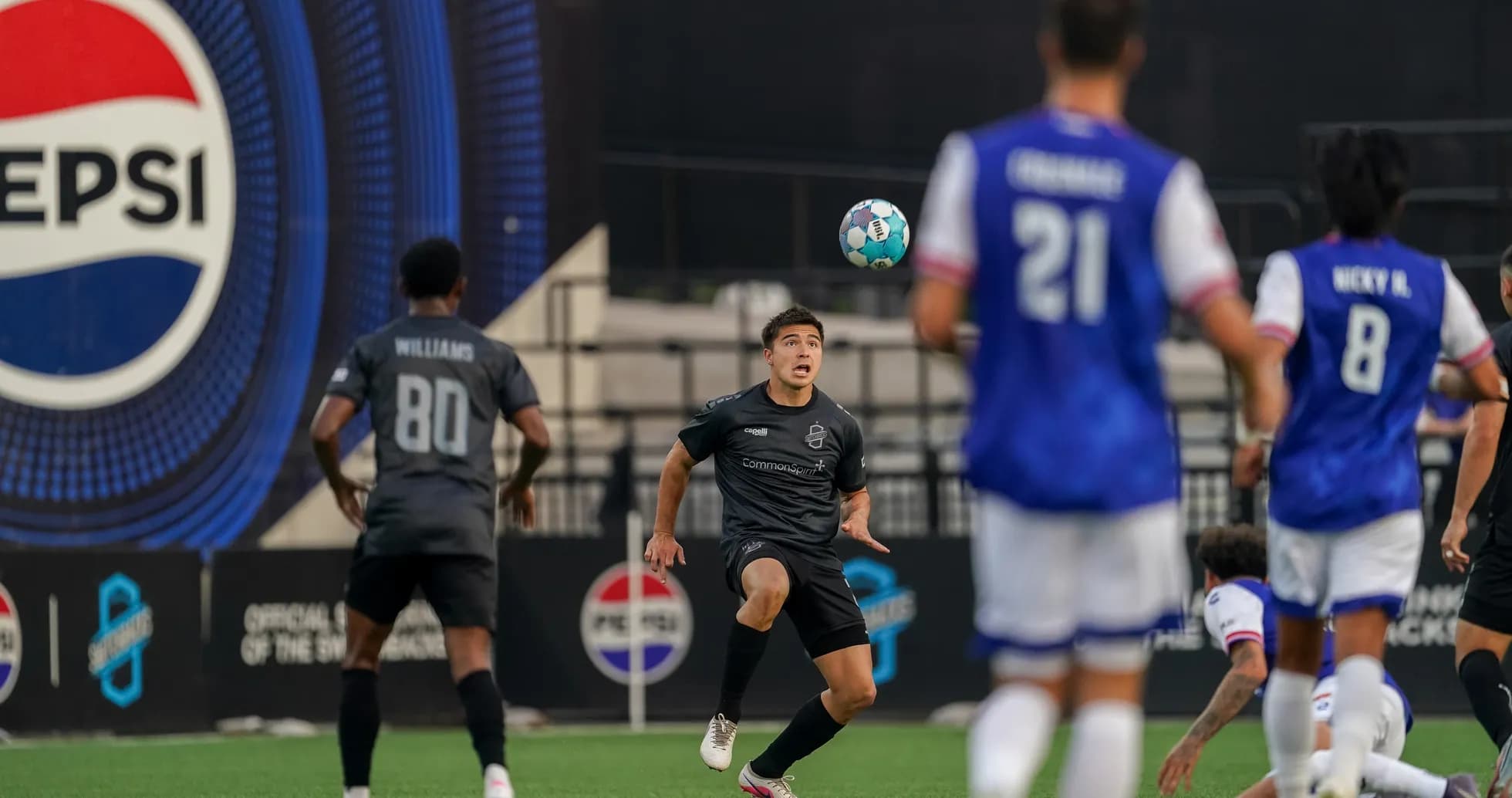
On a humid night at Patriots Point Soccer Complex, Charleston Battery’s 4–1 dismantling of Loudoun United felt less like a routine group-stage win and more like a manifesto. This was second in the USL Championship table, with 26 points and a goal difference of 11, flexing its identity against an 11th‑placed side still searching for a coherent roadmap.
I. The Big Picture – A home fortress on display
Heading into this game, Charleston’s seasonal profile was already clear: ruthless at home, vulnerable on their travels. In total this campaign they had played 14 matches, winning 8, drawing 2 and losing 4. At home, though, they were almost untouchable: 7 played, 6 wins, 1 draw, 0 defeats, with 21 goals for and only 6 against. That translates to an average of 3.0 goals scored at home and just 0.9 conceded – the statistical definition of a fortress.
Loudoun arrived with a very different story. Overall they had 1 win, 7 draws and 5 defeats from 13 matches, with 15 goals for and 26 against. On their travels they had at least shown some resilience – 1 win, 2 draws and 3 defeats, scoring 5 and conceding 12 – but an away average of 0.8 goals for against 2.0 against underlined a team that tends to survive rather than impose.
The 2–0 half‑time lead to Charleston was not a surprise; it was the natural expression of a side whose attacking DNA is built on volume and variety. In total this campaign they were averaging 2.1 goals per match, while conceding 1.4. Loudoun, by contrast, were scoring 1.2 overall and conceding 2.0, a negative goal difference of -11 that matched their table figure precisely (15 for, 26 against).
II. Tactical Voids – What the lineups revealed
Neither side had listed absentees, so the tactical voids were less about missing names and more about structural gaps.
Ben Pirmann’s Charleston XI, with L. Zamudio in goal and a defensive line anchored by S. Suber, G. Smith, J. Akpunonu and N. Messer, looked built for front‑foot control. With no explicit formation provided, the personnel suggest a back four with ball‑playing capacity, protected by the central presence of E. Ycaza and K. Pakhomov. Ahead of them, the attacking trident of M. Foster, M. Berry and J. Kelly, with C. Swan also starting, hinted at a multi‑channel threat: wide runners, a central reference point, and a supporting 10‑type drifting between lines.
The bench reinforced this flexibility. L. Kissiedou and L. Blackstock offered fresh attacking legs and creativity; C. Allan and A. Cabrera gave defensive and structural cover; A. Hughes and D. Martinez added further tactical options. Pirmann could tilt the game towards more control, more directness, or more pressing intensity simply by his substitution vector – [IN] replaced [OUT] changes that would maintain tempo deep into the second half.
For Loudoun, Anthony Limbrick’s selection was more cautious by nature. E. Bandre in goal was shielded by N. Adnan, J. Erlandson, B. Akinyode and K. Awuah – a group that suggests physicality and defensive instincts more than progressive build‑up. The midfield of A. Souper, J. Murphy and C. Torres had to do double duty: screen Charleston’s waves and provide the first pass into the attacking trio of A. Ordonez, A. Aboukoura and T. Ulfarsson.
The bench told its own story: L. Herrera‑Rauda, J. Panayotou, R. Aman, S. Young, L. Piras and L. Barrus offered options, but not the same depth of attacking diversity Charleston enjoyed. In a match where the home side were averaging 3.0 goals at home and Loudoun were conceding 2.0 both home and away, that lack of offensive firepower off the bench was a structural void.
Disciplinary tendencies sharpened the picture. Charleston’s yellow card distribution showed a late‑game surge: 24.14% of their yellows came between 46–60 minutes, and another 24.14% between 76–90. Loudoun were even more volatile late on, with 27.03% of yellows from 46–60 and a striking 32.43% between 76–90. This was always likely to become a second‑half contest of tired legs, loose tackles and momentum swings.
III. Key Matchups – Hunter vs Shield, Engine Room battles
Even without explicit top‑scorer data, the profiles are clear. Charleston’s “Hunter” is collective: 30 goals in total, with the biggest home win at 5–1 and the ability to hit 5 both home and away. Players like M. Foster, M. Berry and J. Kelly embody that threat, attacking different zones and forcing defensive lines to constantly shift.
Loudoun’s “Shield” has struggled. In total this campaign they have conceded 26 goals, with their heaviest away defeat a 4–1 scoreline – exactly what unfolded here. The back unit of Adnan, Erlandson, Akinyode and Awuah had to cope with a side that floods the box and creates numerical overloads. Once Charleston went 2–0 up by half‑time, the psychological and tactical burden on that shield became unsustainable.
In the “Engine Room”, Ycaza and Pakhomov were pitted against Souper and Murphy. Charleston’s midfield duo had the advantage of a system geared towards attack and a back line comfortable stepping into midfield. Loudoun’s pair, by contrast, were forced into reactive work, often receiving under pressure and with limited forward passing options. That imbalance allowed Charleston to keep the game in Loudoun’s half, compressing the pitch and turning second balls into sustained pressure.
IV. Statistical Prognosis – Why this result made sense
Following this result, the numbers and the narrative align. A Charleston side with 3.0 home goals on average and no home defeats translated its dominance into a 4–1 win that sits comfortably within its attacking range. Their penalty record – 2 taken, 2 scored, 100.00% conversion with no misses – underlines a team that punishes any lapse in the box, even if spot‑kicks did not define this particular scoreline.
Loudoun’s overall defensive record of 2.0 goals conceded per match, and a history of heavy defeats such as 4–1 away, foreshadowed the risk of collapse once the first line of resistance broke. Their 4 clean sheets in total show they can be compact on their day, but the combination of Charleston’s home momentum, deeper bench and superior attacking structure made this fixture a mismatch.
In tactical terms, the prognosis was always that Charleston’s relentless home attack would eventually overwhelm a fragile Loudoun defence, especially in the chaotic late‑game windows where both teams’ yellow card data spike. The 4–1 scoreline is less a surprise than a confirmation: a promotion‑chasing side asserting its seasonal identity against a team still stuck between resilience and regression.