Miami FC vs Orange County SC: A Clash of Identities
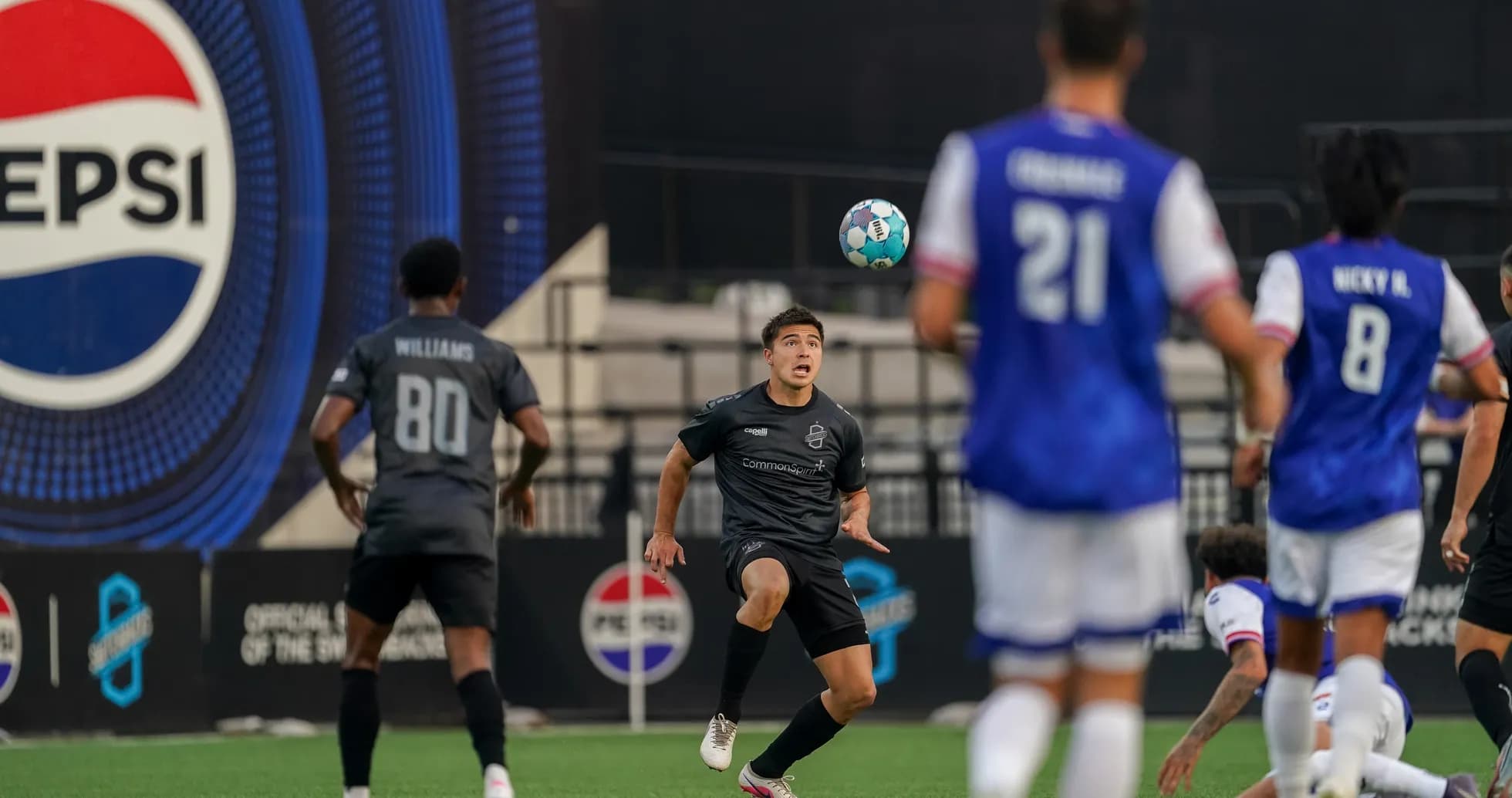
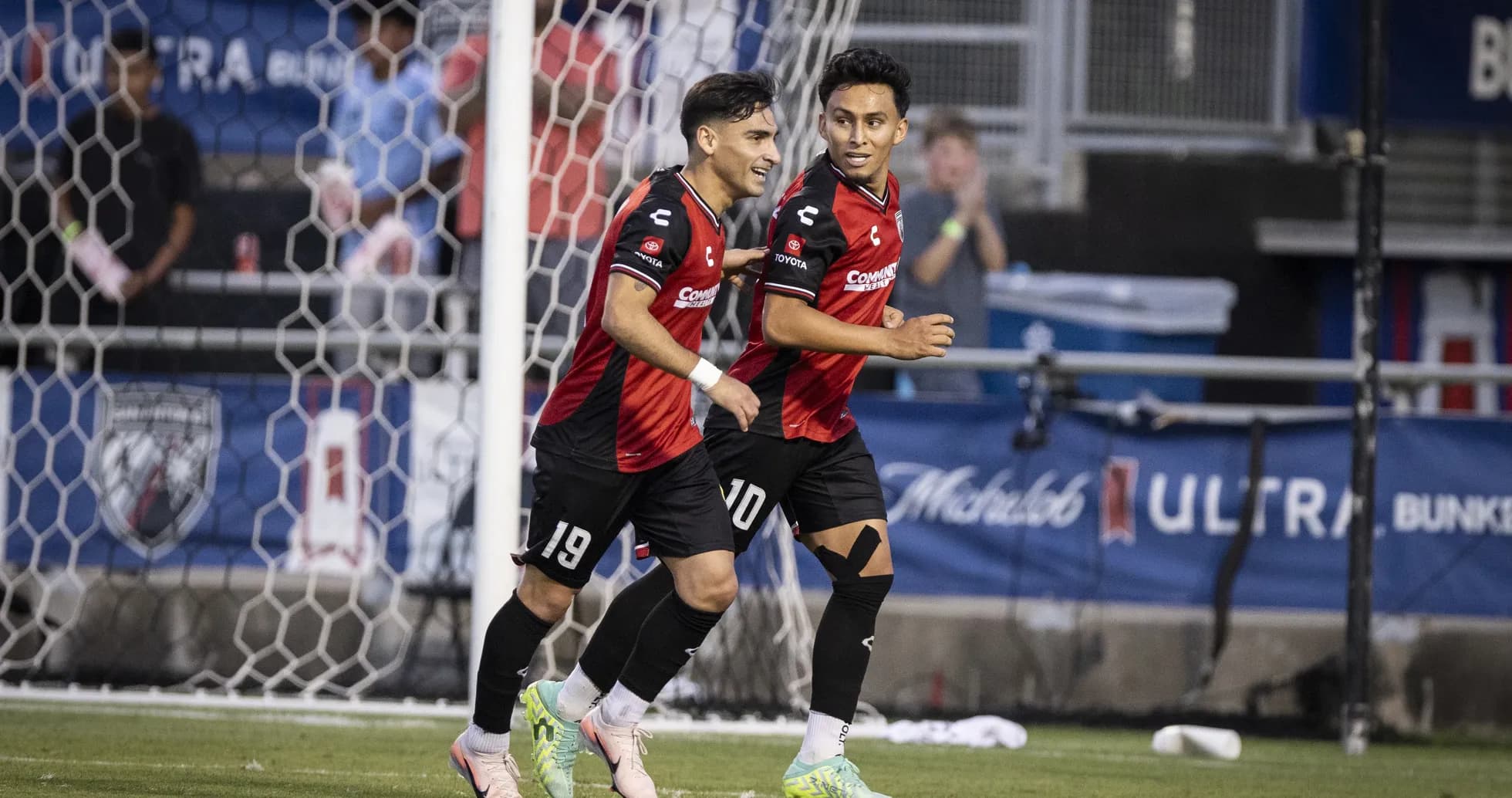
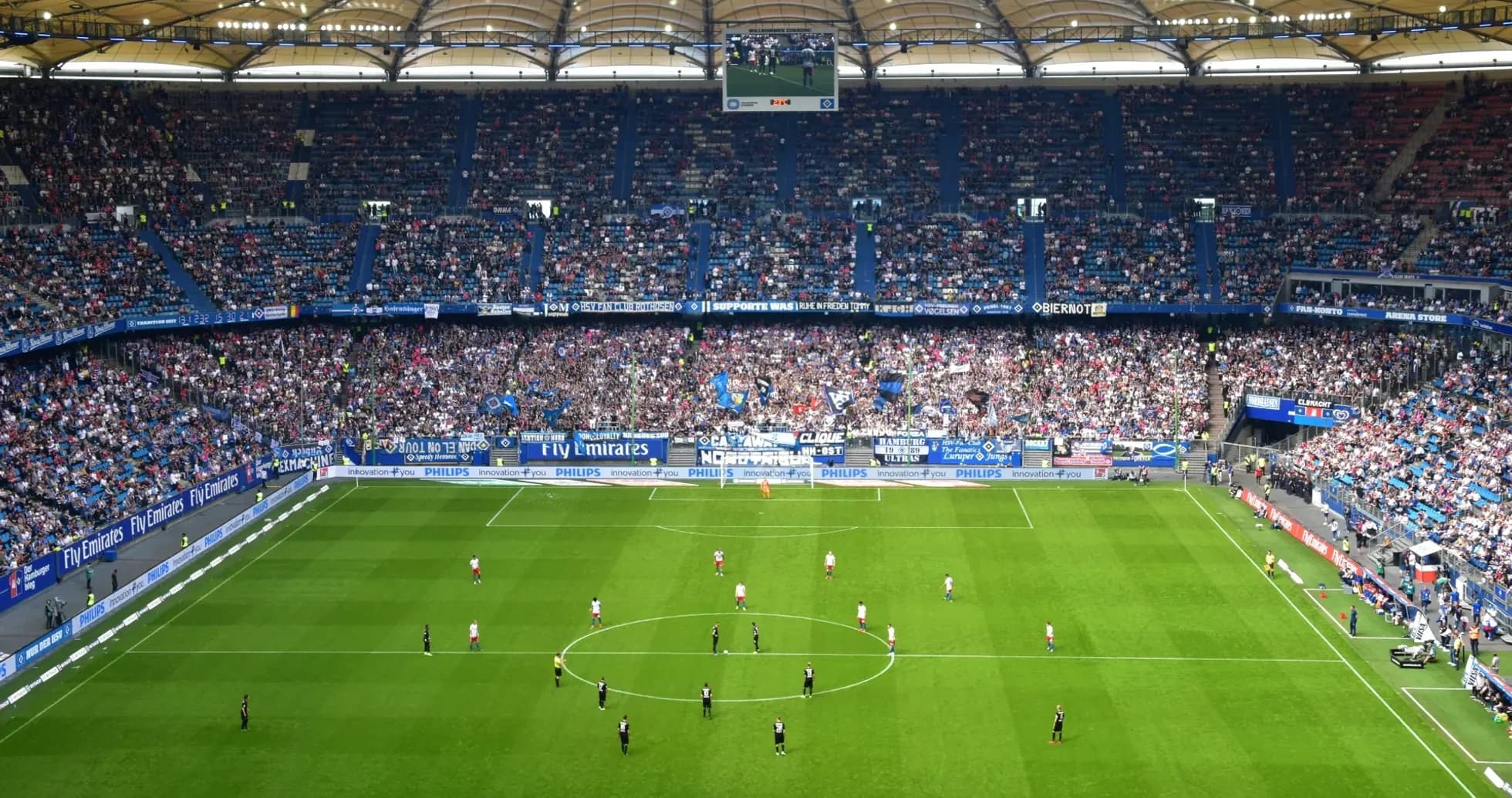
Under the Miami lights at Riccardo Silva Stadium, this Group Stage clash in the USL Championship unfolded as a study in contrasts: a league leader with a clear identity in Orange County SC, and a volatile but dangerous Miami FC side still trying to reconcile their attacking ambition with defensive frailty. The scoreboard at full time – Miami FC 2, Orange County SC 4 – simply confirmed what the broader season data had been hinting at.
Heading into this game, Miami sat 8th in USL 1 with 17 points from 14 matches, their overall goal difference at -6, the arithmetic reflection of 17 goals for and 23 against. At home, they had been both thrilling and chaotic: 11 goals scored and 13 conceded across 6 fixtures, averaging 1.8 goals for and 2.2 against at Riccardo Silva Stadium. Orange County arrived as the division’s benchmark, 1st with 26 points from 14, and a positive goal difference of 7 (22 scored, 15 conceded overall). On their travels, they had been particularly ruthless: 15 away goals in 8 matches, an average of 1.9, while conceding 11 (1.4 per away game).
I. The Big Picture: Identities Colliding
Miami’s season-long DNA is that of a high-variance side. The form line of LDWWDDLWDLWLDL captures a team that can spike in either direction. Their “biggest” results underline this volatility: a 4-3 home win and a 0-3 home loss sit side by side in the same profile. Clean sheets at home are rare (just 1), and they had failed to score in 2 of 6 home games, but when they do attack, they can overwhelm opponents in bursts.
Orange County, by contrast, have built their top-of-the-table status on balance. Their form of DDWWLWWDLDWDWW is that of a side that rarely collapses. Across the season they have kept 5 clean sheets in total, and on their travels they had not failed to score once. Their biggest away win, 2-4, mirrors the pattern we saw here: they are comfortable in open, high-scoring contests and back their attacking structure to outlast the chaos.
II. Tactical Voids and Discipline
With no explicit injury or suspension list provided, both coaches – Gaston Maddoni for Miami and Danny Stone for Orange County – appeared to lean into continuity and trust their full squads. The tactical voids, then, were structural rather than personnel-based.
For Miami, the season’s disciplinary map hinted at a side that often loses control as games progress. Their yellow-card distribution shows a pronounced late-game edge: 24.39% of yellows between 61-75 minutes and another 24.39% between 76-90. Add a red card appearing in the 61-75 range, and you see a pattern of emotional and tactical strain as legs tire and spaces open.
Orange County’s discipline profile is more calculated but still combative. They accumulate 26.09% of their yellows between 61-75 minutes and a hefty 39.13% from 76-90, with their only red card also coming in the 76-90 window. This is a side that pushes the boundaries late, often protecting leads or killing transitions with tactical fouls. In a match that ended 4-2, that willingness to live on the edge likely helped them manage Miami’s surges without completely losing shape.
III. Key Matchups: Hunter vs Shield, Engine Room Battles
Without individual scoring charts, the “Hunter vs Shield” duel becomes a collective one: Miami’s aggressive home attack against Orange County’s away resilience.
Miami’s front unit, led by J. Sonora and R. Da Costa, is supported by the running and link play of M. Tunbridge and the creative touches of G. Diaz. The double axis of A. Milesi and R. Tori in deeper roles suggests a team that wants to build through midfield, not bypass it. Yet the numbers show that while Miami can create at home (1.8 goals on average), they leave their back line – including D. Knutson and A. Calfo – exposed, with 13 home goals conceded.
Orange County’s “shield” is more collective than star-driven. The defensive core of T. Brewitt, G. Tubbs, N. Benalcazar and T. Espy in front of goalkeeper A. Rando has underpinned just 4 goals conceded at home and 11 away. But the real strength lies in how their midfield and attack defend from the front. Players like S. Kelly, E. Solis, and M. Palomino form the engine room, screening the back line and launching counters. Wide threats such as L. MacKinnon and J. Johnson, plus the presence of Y. Bazini up front, give Orange County multiple lanes of attack.
The “Engine Room” matchup tilted the game. Miami’s midfield trio – T. Musto, Milesi, and Tori – needed to control tempo and protect transitions. Yet season data shows Miami concede heavily overall (1.6 goals against per match total), while Orange County’s overall defensive average is only 1.1 goals conceded. Over 90 minutes, Orange County’s structure and pressing likely forced Miami into rushed passes and exposed their centre-backs to direct runs from MacKinnon, Johnson and Bazini.
IV. Statistical Prognosis and xG-Like Reading
We lack explicit xG numbers, but the season profiles allow a strong inference. Heading into this game, an “expected” baseline would have leaned toward an Orange County win with multiple goals:
- Miami at home: 1.8 goals for, 2.2 against.
- Orange County away: 1.9 goals for, 1.4 against.
Overlay those, and a 2-3 or 2-4 type of away win sits right in the plausible band. Miami’s negative overall goal difference of -6 and Orange County’s positive 7, both calculated directly from goals for and against, pointed to a structural gap that a single home advantage could not fully bridge.
Following this result, the narrative is reinforced rather than rewritten. Miami remain the league’s wild card: capable of scoring twice against the leaders, but unable to suppress high-quality chances against a well-drilled opponent. Orange County confirm their status as a ruthless traveler, translating their 1.9 away goals-per-game profile into another four-goal haul.
In tactical terms, this match becomes a reference point for both. Miami must decide whether to temper their attacking instincts to shore up a defence that concedes too freely, especially at home. Orange County can double down on a model that travels well: compact out of possession, ruthless in transition, and prepared to accept late bookings as the cost of game management.