San Antonio Triumphs Over Colorado Springs in USL Clash
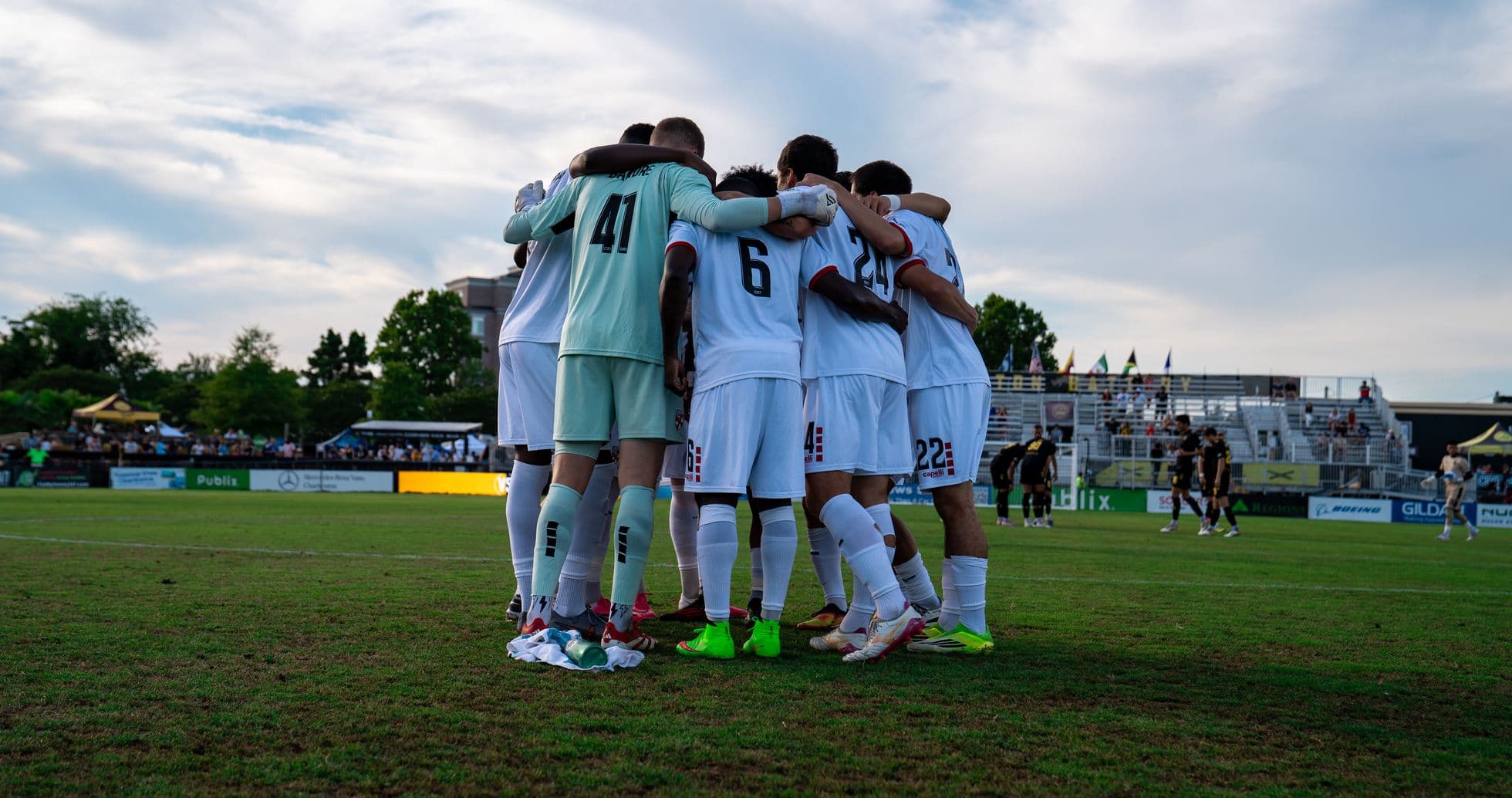
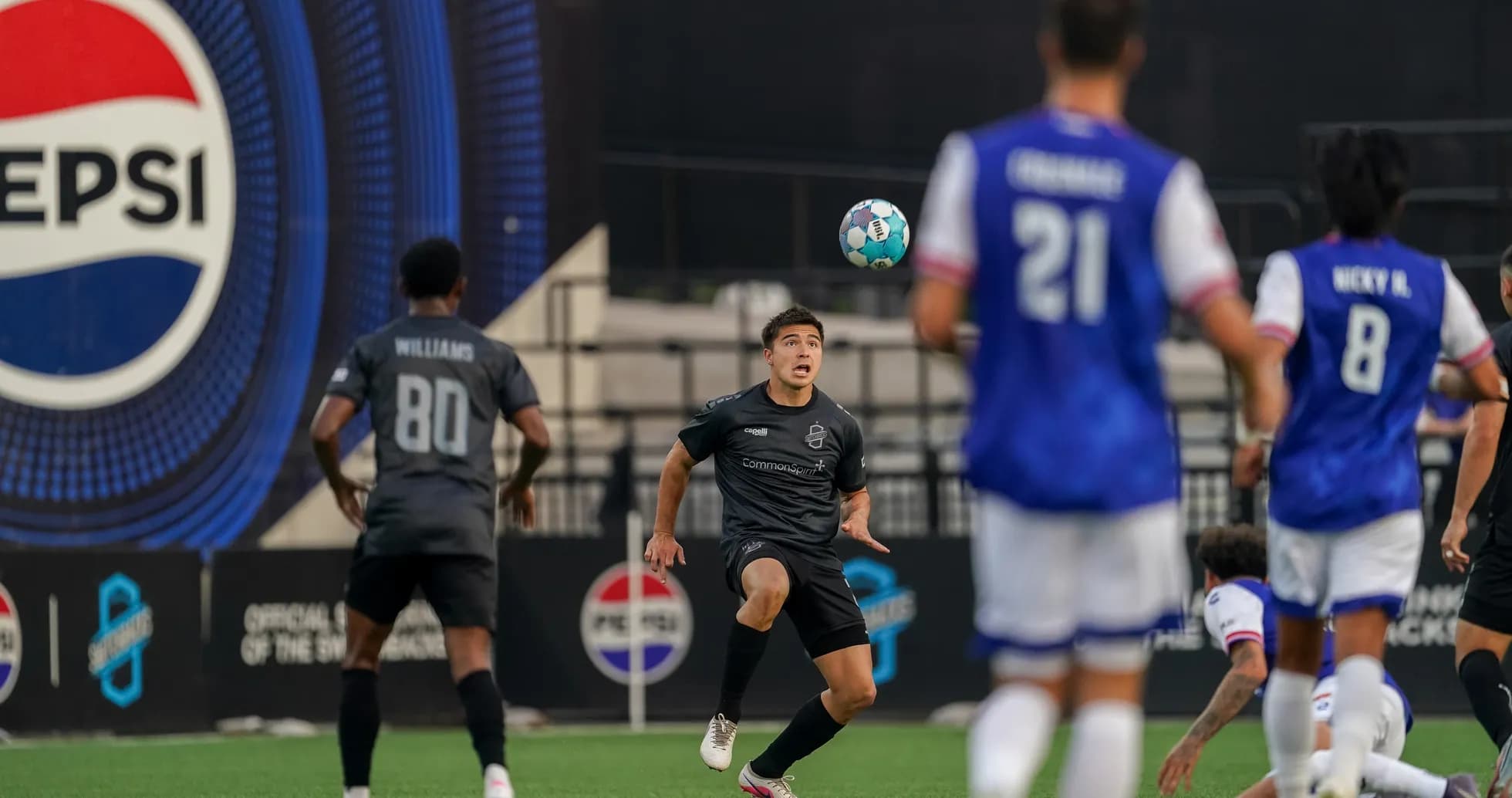
Under the thin Colorado air at Weidner Field, this Group Stage clash in the USL Championship ended with San Antonio walking away 2–1 winners over Colorado Springs, a result that neatly mirrored the broader trajectories of both clubs. Following this result, the table snapshot still underlines the gap between them: Colorado Springs sit 9th in USL 1 with 16 points and a goal difference of 0 (21 scored, 21 conceded overall), while San Antonio occupy 2nd with 24 points and a goal difference of 3 (20 scored, 17 conceded overall), firmly in the promotion play-off picture.
Colorado Springs’ season-long identity has been one of volatility. Overall they have played 13 league matches, winning 4, drawing 4 and losing 5. At home, they have been competitive but not dominant: 6 matches, 2 wins, 2 draws, 2 defeats, with 11 goals for and 9 against. The numbers sketch a side that leans into chaos rather than control. They average 1.8 goals for at home and 1.5 goals against, so matches here tend to open up. Yet the most telling figure is defensive fragility over time: only 1 clean sheet in total this campaign, and none at home, despite their attack’s ability to hit 4 in a single outing (their biggest home win is 4–1).
San Antonio, by contrast, are built on structural resilience. Overall they have played 14 matches, winning 6, drawing 6 and losing only 2. Their defensive record is the platform: 17 conceded in total, an average of 1.2 per game, and a miserly 0.8 goals against at home. Even on their travels, where they have played 8 times for 2 wins, 4 draws and 2 defeats, they concede 1.5 per match but still manage to keep 2 away clean sheets. They rarely collapse; their goal difference of 3 is modest but earned through consistency rather than spectacular scorelines.
Disciplinary and Psychological Standpoint
From a disciplinary and psychological standpoint, Colorado Springs are a side that tends to heat up as the match wears on. Their yellow-card distribution peaks between 46–60 minutes at 21.74%, with another spike in the final quarter-hour of regulation (76–90 minutes at 17.39%). That profile hints at a team that pushes aggressively out of half-time and often chases games late, sometimes at the cost of composure. Crucially, their penalty record underlines both threat and vulnerability: 6 penalties awarded in total, with 5 converted and 1 missed. Any future spot-kick discussion around this group must acknowledge that 16.67% of their penalties have not gone in; this is not a perfect-from-the-spot outfit.
San Antonio’s card pattern is more controlled but equally intense in the heart of games. They take 20.93% of their yellows between 46–60 minutes and another 20.93% between 61–75, with 18.60% in the 76–90 window. The middle third of the match is where their aggression and pressing edge up, often to disrupt rhythm and protect narrow leads. Yet there is a discipline in the extremes: no red cards recorded in any time band, and no early yellow spike in the first 15 minutes. They grow into contests rather than exploding from the start.
Tactical DNA of Both Coaches
The lineups for this fixture revealed the tactical DNA of both coaches. Alan McCann’s Colorado Springs XI, anchored by goalkeeper C. Shutler, leaned on a flexible core of defenders and ball carriers: P. Burner, T. Maples, M. Mahoney and A. Rocha forming the spine from the back, with B. Creek and S. Williams offering legs and bite in the middle. The creative and attacking responsibility fell heavily on A. Perez, Y. Hanya, J. Tejada and K. Bennett. Without explicit formation data, the pattern still suggests a side set up to combine between the lines and run at San Antonio’s back line rather than sit in a low block.
Carlos Llamosa’s San Antonio, starting with J. Batrouni in goal, presented a more rugged, defensively robust structure. The presence of A. Ward, A. Crognale, D. Barbir and M. Taintor signalled a strong, aerially dominant back unit, with E. Cuello and J. Hernandez tasked with linking defense to attack and managing transitions. L. Berron, M. Maldonado, D. Erofeev and C. Sorto supplied the vertical threat and pressing energy. On paper, this is a group designed to absorb pressure, contest duels and then break with direct intent.
Match Dynamics
The “Hunter vs Shield” dynamic in this matchup lay in Colorado Springs’ home scoring rate versus San Antonio’s overall defensive parsimony. Heading into this game, Colorado Springs were averaging 1.8 goals for at home, while San Antonio were conceding 1.2 goals per match overall and only 0.8 at home, with 5 clean sheets total. The 2–1 away win shows the Shield held firm enough: conceding once in a hostile environment fits their seasonal pattern, while finding two goals away from home against a side that concedes 1.5 at Weidner Field underlines their ability to punish lapses.
Engine Room Battle
In the “Engine Room” battle, the contest between Colorado Springs’ central operators like S. Williams and B. Creek and San Antonio’s midfield pair of E. Cuello and J. Hernandez was decisive. Colorado Springs’ season-long form line (DWLLDWDDLWLWL) points to a side struggling to control midfield over 90 minutes, oscillating between brief upticks and sharp drop-offs. San Antonio’s longer form stretch (WDWWDLDWDDWDLW) is that of a team that rarely loses the middle third, grinding out draws when they cannot win.
Statistically, any Expected Goals model built on these trends would have tilted slightly towards San Antonio, especially given their higher league rank, superior points tally and more stable defensive metrics. Colorado Springs’ zero goal difference (21 for, 21 against) across 13 games hints at xG figures that likely hover around parity: they create and concede in equal measure. San Antonio’s positive goal difference of 3, combined with lower goals-against averages and more clean sheets, suggests a side whose defensive solidity consistently nudges probability in their favour.
Following this result, the narrative is clear: Colorado Springs remain a dangerous but unrefined side, capable of scoring at home but undermined by their inability to protect leads or keep clean sheets. San Antonio continue to look like a playoff-calibre machine, not spectacular but relentlessly hard to beat, and increasingly adept at turning tight, balanced contests into narrow wins. If these two meet again with knockout stakes, the numbers say San Antonio’s structure and discipline will again give them the edge—unless Colorado Springs can finally align their attacking verve with a more ruthless defensive block.