Wayne Rooney Critiques Guards of Honour in Manchester City Match
Wayne Rooney did not try to dress it up. On a night dripping with sentiment at the Etihad, he saw something that, in his eyes, crossed a line.
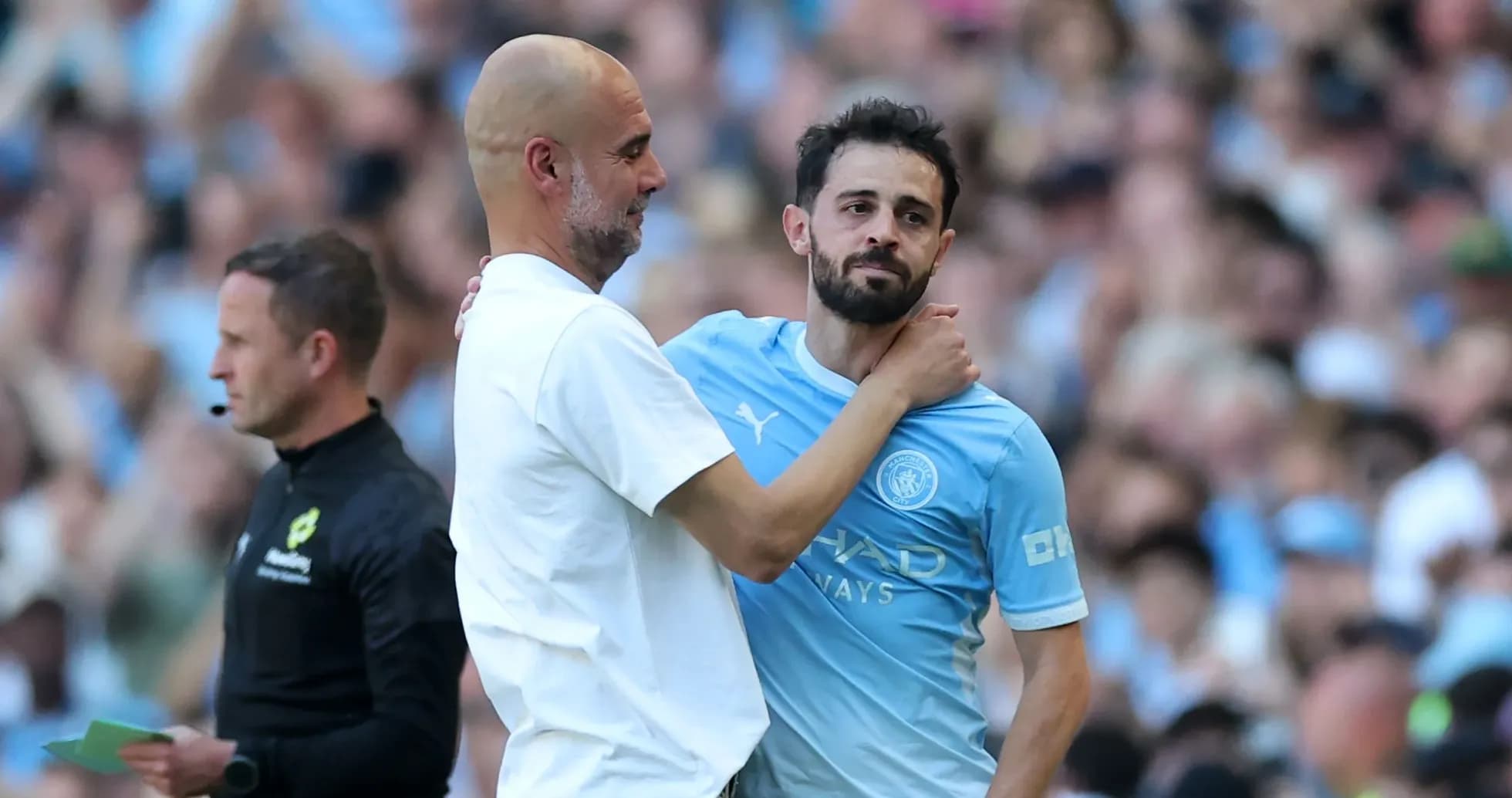
During Manchester City’s farewell to Pep Guardiola, both Bernardo Silva and John Stones were given guards of honour by players from both sides as they left the pitch in the second half of the defeat to Aston Villa. Twice, the game paused. Twice, the competitive edge blurred into ceremony.
Rooney hated it.
"It's incredible," he told BBC Match of the Day. "I've seen a few things this season, and it just makes me sad that some of these things are happening in football. Bernardo Silva and John Stones have been incredible for Manchester City and they deserve it, but do it after the game. If I was in that Aston Villa team, I'd be fuming."
The first tribute came just before the hour, with the scores level. Silva departed to a corridor of clapping opponents and team-mates. Twenty minutes later, Stones received the same treatment. City were still chasing the game, Villa still had something riding on the result, and yet the spectacle belonged to a testimonial rather than a Premier League fixture with European implications.
That was the core of the complaint. The Premier League sells itself on relentlessness, on jeopardy. Guards of honour in the 60th and 80th minutes do not fit that picture.
Alan Shearer was just as puzzled, and not only by City’s choice.
"I was surprised that Villa agreed to doing it, particularly with so long left," the former Newcastle United striker admitted. "I mean, with half an hour, just over half an hour to go with one of the substitutions, so yeah, I'm in Wayne's camp. I'm not a great fan of that while the game is going on."
The question hung over Unai Emery’s side: why play along? Villa still had their own agenda. The result would shape the top end of the table and, by extension, the European landscape. Yet their players stepped aside and clapped.
On the touchline, the mood told a different story. This was the end of an era for City. Guardiola’s ten-year tenure, defined by 20 major trophies and a transformation of English football’s standards, came to a close. The Etihad turned into a farewell stage, and the match became a backdrop to a decade-long goodbye.
Villa refused to stick to the script.
An Ollie Watkins brace delivered a 2-1 win for the visitors, puncturing the party on the pitch even as the emotion swelled in the home dugout. Antoine Semenyo had put City in front, but once the game drifted into tribute mode, Villa sensed their moment. The intensity dropped, the edge softened, and the away side seized control.
For Guardiola, the final whistle brought the emotional release everyone expected. He admitted he was "so tired" and broke down in tears as he reflected on the journey since 2016. What finally undid him was not the result, but the reaction of his players to Silva and Stones leaving the field. The bond inside that dressing room, the shared history, was laid bare in those substitutions.
While City clung to their icons, Villa kept their eyes on the table. They had already booked a place in next season’s Champions League through their Europa League triumph, but this win still mattered. It nudged them into fourth place ahead of Liverpool and sent ripples across the continent.
The knock-on effect was significant. By altering the final standings and coefficient picture, Villa’s victory helped Sporting CP skip the qualifying rounds and walk straight into the Champions League proper. A guard of honour in Manchester, a direct benefit in Lisbon.
For City, the defeat sat awkwardly on a day built to celebrate Guardiola’s glittering reign. Twenty trophies, countless records, a style that reshaped the league – all framed by a 2-1 home loss and a debate about how far modern football is willing to bend for sentiment.
The images of Silva and Stones walking through applauding team-mates will be replayed for years. So will the questions. How do you honour legends without softening the competitive edge that made them legends in the first place?