Real Madrid Fails to Overturn Uefa Sanction for Homophobic Abuse
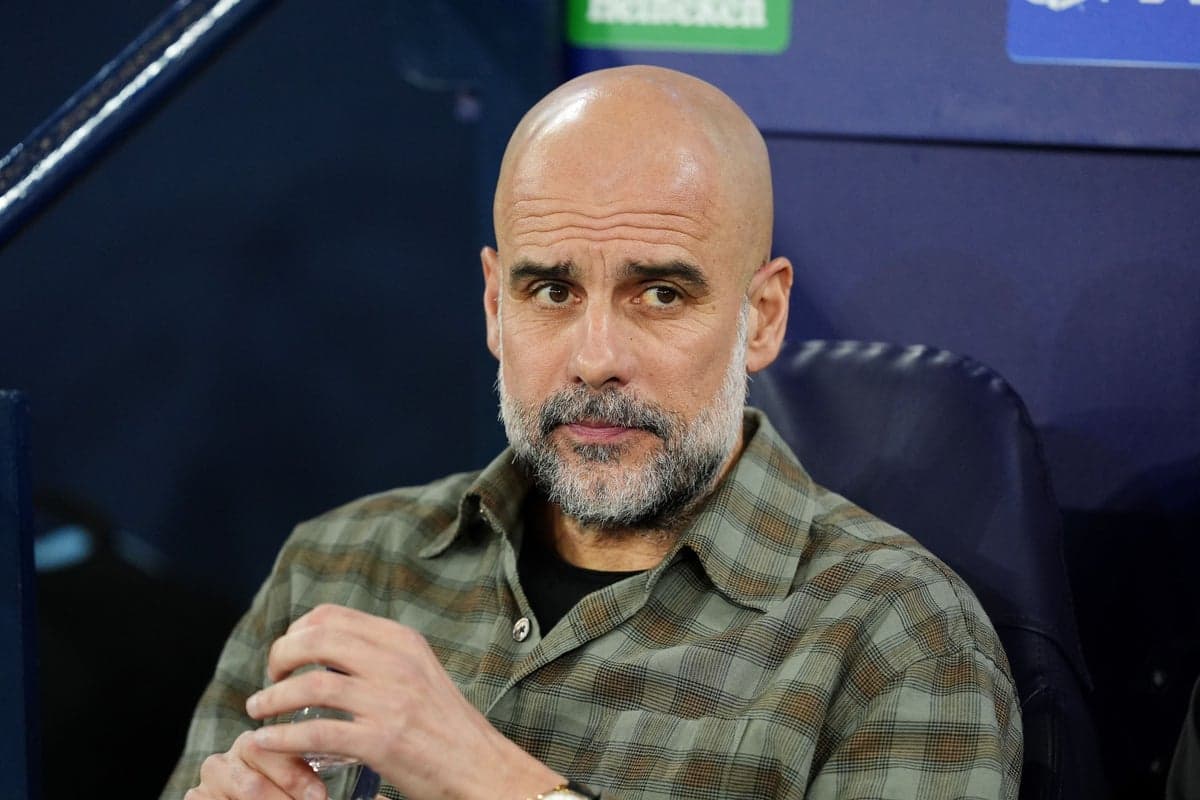
Real Madrid has lost its fight to overturn a Uefa sanction for homophobic abuse aimed at Pep Guardiola, after the Court of Arbitration for Sport (CAS) upheld both the fine and the accompanying stadium punishment.
CAS backs Uefa over “severe discriminatory” chant
In a detailed written verdict explaining its 14 April decision, sport’s highest court backed Uefa’s original ruling that the chant heard at the Bernabéu was “of a severe discriminatory nature … to be considered as far more serious and damaging than acceptable satire and banter.”
The outcome leaves intact a €30,000 (£25,000) fine and a two-year probationary order under which a small section of Real Madrid’s stadium must be closed for one Champions League home game if there is a repeat offence.
The incident dates back to February last year, when Madrid hosted Manchester City in the Champions League knockout play-offs. During the second half of Madrid’s 3-1 win in the second leg, a section of home supporters directed a chant at Guardiola, describing him as thin, a drug user, and saying he would be seen in one of Madrid’s most gay-friendly neighbourhoods.
An expert witness at CAS told the panel that the chant carried the implication that the former Barcelona coach was “infected with HIV/AIDS,” a framing that weighed heavily in the court’s assessment of its discriminatory impact.
Madrid’s defence rejected
Real Madrid’s legal team tried to frame the episode as an example of exaggerated terrace humour aimed at a prominent public figure. They argued that “expressions that are humorous, exaggerated or aimed at powerful institutions or public figures” needed to be assessed in their specific footballing and cultural context, rather than isolated and condemned.
They also attempted to cast doubt on the origin and reporting of the chant. At one stage, the club suggested it could have been sung by Manchester City supporters, pointing to the fact that Uefa’s initial judgment in February 2025 did not definitively attribute the abuse to Madrid fans. The club further attacked the Fare Network’s report, describing it as suffering from “very serious formal and substantive defects.”
CAS judges were unconvinced. The panel sided with Uefa’s interpretation of the evidence, including video footage recorded inside the stadium and later posted on social media, which was submitted by the Fare Network, an organisation that works with Fifa to monitor discrimination at international competitions.
Uefa: homophobia’s “deeply troubling shadow”
Uefa’s lawyers used the hearing in Lausanne last September to set the case within a broader, long-running problem in the sport. They told CAS that homophobia has “cast a long and deeply troubling shadow” over football, pointing to a culture of “machismo, exclusion, prejudice, and hostility towards individuals based on their sexual orientation.”
They argued that this “persistent intolerance has impacted the personal and professional lives of countless players, coaches and fans and also led to tragic outcomes in the past,” insisting that governing bodies and elite clubs share a responsibility to confront it.
In that light, Uefa’s representatives were scathing about Madrid’s decision to contest the sanction. The club, they said, “should be the first fighting against those chants, instead of hiring high profile lawyers to file an appeal with the CAS.”
They also underlined the scale of Madrid’s finances. The €30,000 fine, they noted, represented just 0.03% of the more than €100 million (£85 million) in Champions League prize money the club earned that season.
Legal battles on and off the pitch
The CAS hearing unfolded against the backdrop of a separate, years-long legal war between Real Madrid and Uefa over the failed European Super League project. That dispute was finally settled three months ago, just as CAS judges were finalising their verdict in the homophobic abuse case.
On the ground, the fallout has already altered behaviour. Before Madrid hosted Manchester City again in the Champions League in March, club officials reportedly met with fan groups to stress that Guardiola must not be targeted for abuse this time.
The message from Lausanne is now unambiguous. For clubs operating at the very top of European football, discriminatory “banter” is no longer something to argue away in court. It is something to stop.