Netherlands vs Japan: Tactical Insights from World Cup 2026 Draw
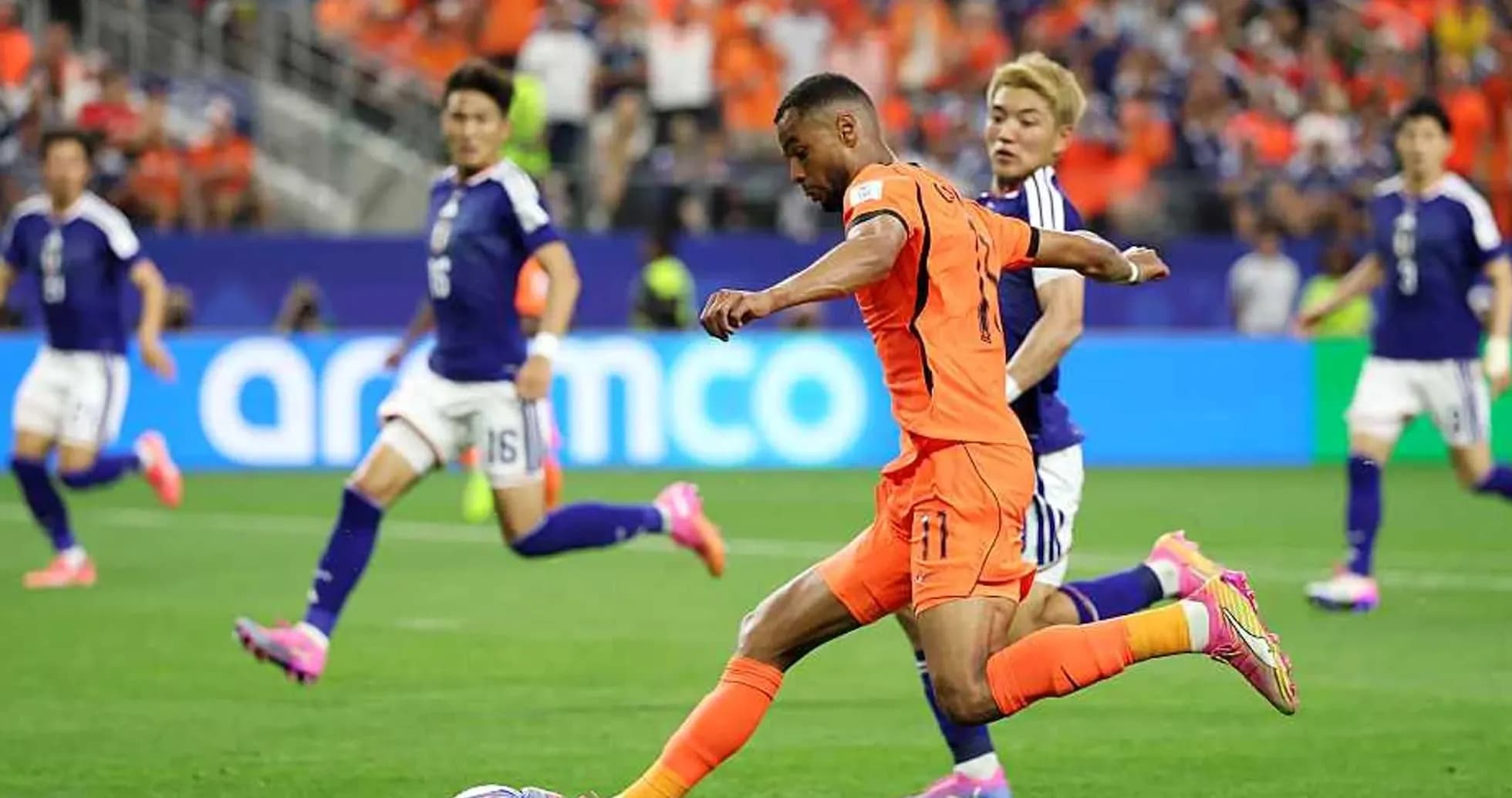
In the cavernous bowl of AT&T Stadium, Netherlands and Japan opened their World Cup 2026 journeys with a 2-2 draw that felt less like a group-stage sparring session and more like an early blueprint for how both sides intend to navigate this tournament. Following this result, both teams sit on 1 point, level on goal difference at 0, their campaigns shaped by contrasting structures but similar ambition.
I. The Big Picture – Systems and Identities
Netherlands arrived as the nominal home side and played exactly like it: a classic 4-3-3 under Ronald Koeman, stretching the pitch horizontally and trusting their technical midfield to dictate. The season data underlines how front-footed this approach already is. In total this campaign, they have played 1 match, scoring 2 goals and conceding 2. All of that action has come at home: 1 home game, 2 home goals for, 2 home goals against, with a home average of 2.0 goals scored and 2.0 conceded.
Japan, listed as the away team, leaned into a modern, flexible 3-4-2-1 under Hajime Moriyasu. Their campaign numbers mirror the Dutch in a different context: 1 total game, played on their travels, with 2 away goals scored and 2 away goals conceded, for an away average of 2.0 goals for and 2.0 against. Structurally, they are built for rapid transitions and clever occupation of half-spaces rather than long spells of sterile possession.
The draw leaves Netherlands appearing twice in the standings snapshot: top of a generic “Group Stage” table and 3rd in Group F, both with 1 point and a total goal difference of 0 (2 goals for, 2 against). Japan sit 2nd in Group F, also on 1 point with a total goal difference of 0 (2 for, 2 against). The message is clear: this group will likely be decided by fine margins in both boxes.
II. Tactical Voids and Discipline
There are no listed injuries or absences, so both coaches had full decks to play with. The tactical voids, therefore, are not about who is missing, but about the spaces each system naturally leaves.
For Netherlands, the 4-3-3 with D. Dumfries and M. van de Ven as full-backs pushes high, inviting overloads but risking exposure in the channels if the press is broken. Their season card profile already hints at a team that can become stretched late on. All of their yellow cards so far have arrived after the hour mark: 33.33% of their yellows between 61-75 minutes, another 33.33% between 76-90, and 33.33% from 91-105. That late-game spread suggests a side that can become reactive and forced into recovery fouls once legs tire and distances grow.
On the individual front, C. Summerville and M. Depay both sit in the disciplinary spotlight. Summerville, despite being a standout attacker, has already collected 1 yellow card. Depay, used off the bench, also carries 1 yellow. Those bookings underline the aggressive edge Koeman demands from his forwards in the press.
Japan, by contrast, emerge from this fixture with a clean disciplinary slate in the data: no recorded yellow or red cards in any time window. That composure is a tactical asset in tournament football, especially in a group where small disciplinary swings can tilt qualification.
III. Key Matchups – Hunter vs Shield, Engine Room vs Enforcer
Hunter vs Shield
For Netherlands, the leading hunter is C. Summerville. In total this campaign he has 1 goal from 1 appearance, with 1 shot and 1 on target, an 8.3 rating, and 3 fouls drawn. Operating from the right of the front three, he is both outlet and finisher. His duel numbers – 7 total duels, 5 won – show a winger willing to fight for territory, not just glide into it.
Japan’s defensive shield is collective rather than individual: a back three of H. Ito, S. Taniguchi, and T. Watanabe supported by wing-backs and a compact midfield line. The raw defensive record – 2 away goals conceded in 1 game, an away average of 2.0 – is not yet reassuring, but it comes against a high-calibre Dutch attack in a wide-open match. The real test will be how that trio adjusts to Summerville’s directness and C. Gakpo’s drifting movements between the lines in future fixtures.
On the other side, Japan’s attacking spear is multi-headed. A. Ueda leads the line, but the creative thrust comes from the duo behind him. T. Kubo, with 1 assist and 16 passes at 75% accuracy, is already on the top assists chart, while K. Ogawa has made a sharp impact from the bench with 1 assist in just 15 minutes, completing 1 key pass and taking 1 shot. Their interplay will repeatedly target the spaces around V. van Dijk and J. P. van Hecke, especially when Netherlands’ full-backs are high.
Engine Room
The midfield battle is where this fixture – and the group – may ultimately be decided. For Netherlands, R. Gravenberch is emerging as the conductor. With 2 assists in total this campaign, 25 passes at 88% accuracy, and 2 key passes, he is already among the top assist providers in the competition. Flanked by F. de Jong and T. Reijnders, he forms a three that can both circulate and break lines.
Japan’s response comes through D. Kamada and K. Nakamura, with R. Doan and K. Sano stepping inside from the flanks. Kubo’s deeper roaming adds another creative layer. Their 3-4-2-1 morphs into a 3-2-5 in possession, with the “2” in midfield tasked with screening transitions and launching quick vertical attacks into Ueda and Maeda.
The pressing triggers here are fascinating: Netherlands want to compress Japan against the touchline, using Summerville and Gakpo to lock in the first pass. Japan will instead bait that press, then look to Kubo and Doan between the lines once the first wave is broken.
IV. Statistical Prognosis – Where This Is Heading
Heading into the remaining group games, both sides carry the same statistical story: 1 match, 2 goals scored, 2 conceded, goal difference 0. Neither has kept a clean sheet; neither has failed to score. Both have yet to take or miss a penalty, with total penalties at 0 for each.
Without explicit xG numbers, we lean on structural and volume indicators. Netherlands’ 4-3-3, their 2.0 home goals-for average, and the creative output of Gravenberch and Summerville suggest they will consistently generate high-quality chances. Their risk lies in an equally open defensive profile: a 2.0 home goals-against average and late yellow-card clustering indicate that game-state and fatigue can drag them into chaotic, transition-heavy finales.
Japan, with a 2.0 away goals-for and 2.0 away goals-against average, look like a classic punch-for-punch tournament side. Their calm disciplinary record and flexibility in the 3-4-2-1 shape hint at a team comfortable suffering without the ball, then exploding forward through Kubo and Ogawa’s creativity.
The tactical preview from this 2-2 draw is clear: whenever these two meet again in the knockouts or beyond, expect an open contest where the “hunter vs shield” dynamic is mutual. Netherlands will trust their structure and star quality in wide areas; Japan will trust their timing, rotations, and composure. In a future rematch, the edge may well go to the side that first tightens the back line without sacrificing the attacking verve that defined this opening chapter in Arlington.