Manchester City Secure Elliot Anderson for Record Fee
Manchester City have won the race for Elliot Anderson – and smashed a record to do it.
The Nottingham Forest midfielder will move to the Etihad in the summer after City agreed a deal worth £116m, a fee that would make him the most expensive British player of all time. Figures close to Forest insist the package comes in even higher, at around £130m, but either way the numbers are staggering.
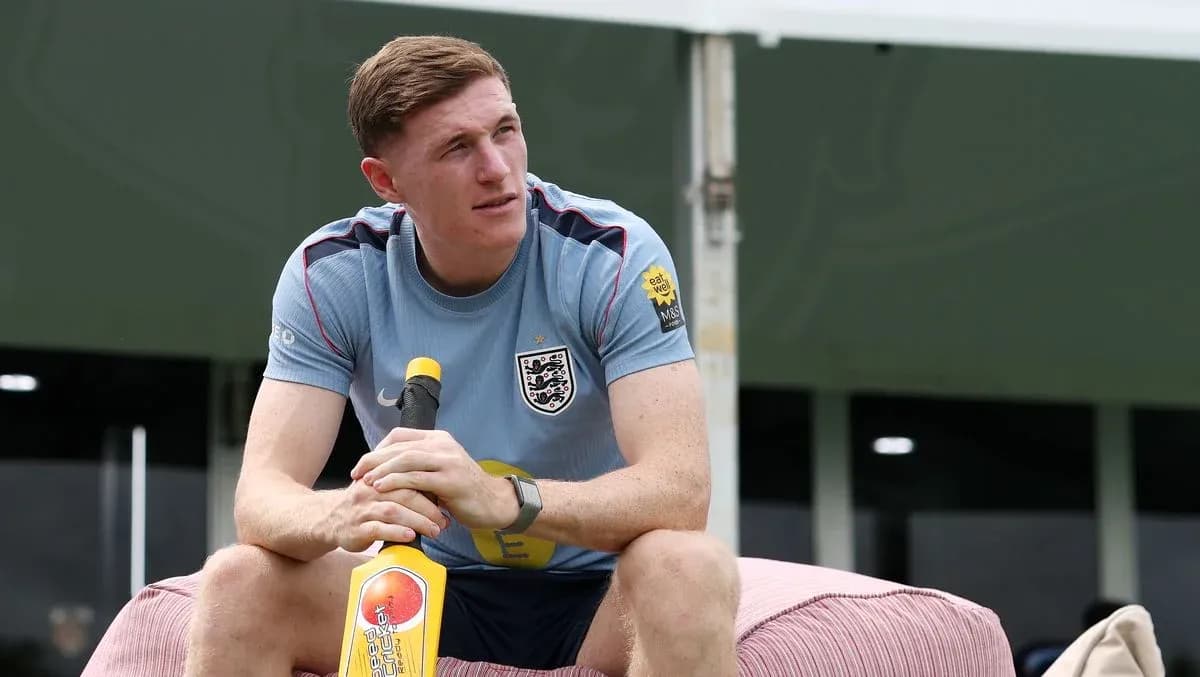
A recent image of Anderson, relaxed and grinning with a cricket bat in hand at England’s training camp in Kansas City, told one story. Behind the scenes, another was unfolding. His future, hanging over this international camp like a cloud, is now settled. Manchester City have their man.
United walk away from the bidding war
Across town, Manchester United watched the auction escalate and stepped aside.
They had been in the conversation for Anderson, viewing him as a potential long-term successor to Casemiro. Once City’s opening, sky‑high bid went in and was knocked back, United effectively withdrew. The cost, they decided, had gone beyond what they were prepared to stomach.
United CEO Omar Berrada had already laid down the ground rules publicly. Speaking on the club’s in-house podcast, he framed the new transfer doctrine in blunt terms.
“We have to be really disciplined, it’s simple. We have a plan, we know what we can invest, and we have to stick to that,” he said. “In some cases, we may decide to make an investment knowing it’s the right thing for not just the next two or three years, but the next 10 years. But clearly, we need to stay very focused on what we’re trying to achieve. It’s very important that you don’t let the market or the agents dictate.”
In Anderson’s case, the market dictated. United refused to follow.
From a footballing point of view, it is a loss. Anderson is a superb midfielder, technically sharp and tactically intelligent, and would have been an outstanding fit at Old Trafford. Yet United’s stance is clear: no matter how good the player, they will not chase a deal that explodes past what they consider fair value.
Fernandes, Tottenham and a new dilemma
Walking away from Anderson was made easier by the presence of another name on the shortlist: Mateus Fernandes.
United’s data department like what they see. Last season’s numbers put Fernandes right alongside Anderson in several key areas, and ahead in others. He won more tackles. He hit more accurate switches of play. He trailed only narrowly in ground duels won, possessions won, and recoveries in the defensive third.
On paper, he looked like the attainable alternative – high ceiling, strong metrics, and a realistic fee in the wake of West Ham’s relegation.
United sensed an opening. West Ham, needing to reset after the drop, appeared ready to talk at a price that would not detonate their budget. Then Tottenham arrived.
Spurs have entered the race and, crucially, are being linked with a willingness to go closer to West Ham’s asking price of £85m. That figure is higher than United had intended to pay for the 21-year-old and instantly shifts the dynamic.
The reaction inside the London Stadium has been one of satisfaction. Competition drives the price up. West Ham, suddenly, hold a stronger hand.
For United, the equation is more awkward. They want to remain disciplined. They also know that, at some point, they must commit serious money to a marquee midfielder or risk watching their top targets vanish to rivals.
Is Fernandes worth £85m? That is the question now staring back at them from the balance sheet.
Discipline vs desperation
The timing adds another layer. The new financial year for clubs is only a week away. Accounts will reset, room will open up, and the serious moves of the window will begin. Cards are about to be laid on the table.
By this time next week, Fernandes’ future is likely to be clearer. United’s position will be, too.
Berrada’s warning hangs over every conversation. The club pulled out of the Anderson race early, unwilling to be dragged into a bidding war with City. With Fernandes, they may not have that luxury. If Tottenham push hard and West Ham stand firm, United must decide whether their new-found discipline bends or holds.
They do have other options. Analysts at Carrington have compiled a list of alternative midfielders, players whose profiles and data sets fit the model. But everyone at the club understands the reality: the further down that list you go, the more you compromise on quality.
United are ready to spend on a headline signing in midfield. That much is not in doubt. The message from the corridors of power, though, has been consistent – the deal has to make sense. Fair value, or no deal.
Anderson’s price soared beyond that threshold. If Tottenham genuinely meet West Ham’s £85m valuation for Fernandes, how United respond will be a genuine test of whether this new transfer strategy is a slogan or a standard.
After all, £85m used to buy you a player with medals, not back‑to‑back relegations on his CV. Fernandes is clearly talented and far from his ceiling, but his price tag underlines how distorted the market has become.
Looking beyond the obvious names
United may yet decide the best value lies elsewhere.
Germany international Felix Nmecha has emerged on their radar. Borussia Dortmund have never been shy about selling key players when the numbers stack up, and his profile appeals to United’s recruitment team. He represents a different route: less hype, potentially better value, and a club historically open to negotiation.
In a perfect world, United would have had a clear run at Anderson at a reasonable fee, tied up a cornerstone midfielder early, and moved on to other priorities. Instead, City have paid whatever it took, Tottenham are circling Fernandes, and United stand at a familiar crossroads.
The market rarely offers a straight path. It twists, it inflates, it punishes hesitation and reckless spending alike.
Now comes the real question for United: do they stay rigid and risk watching another target disappear, or finally pay the premium that modern football demands?