Jonathan David Shines with Hat-Trick in World Cup Match
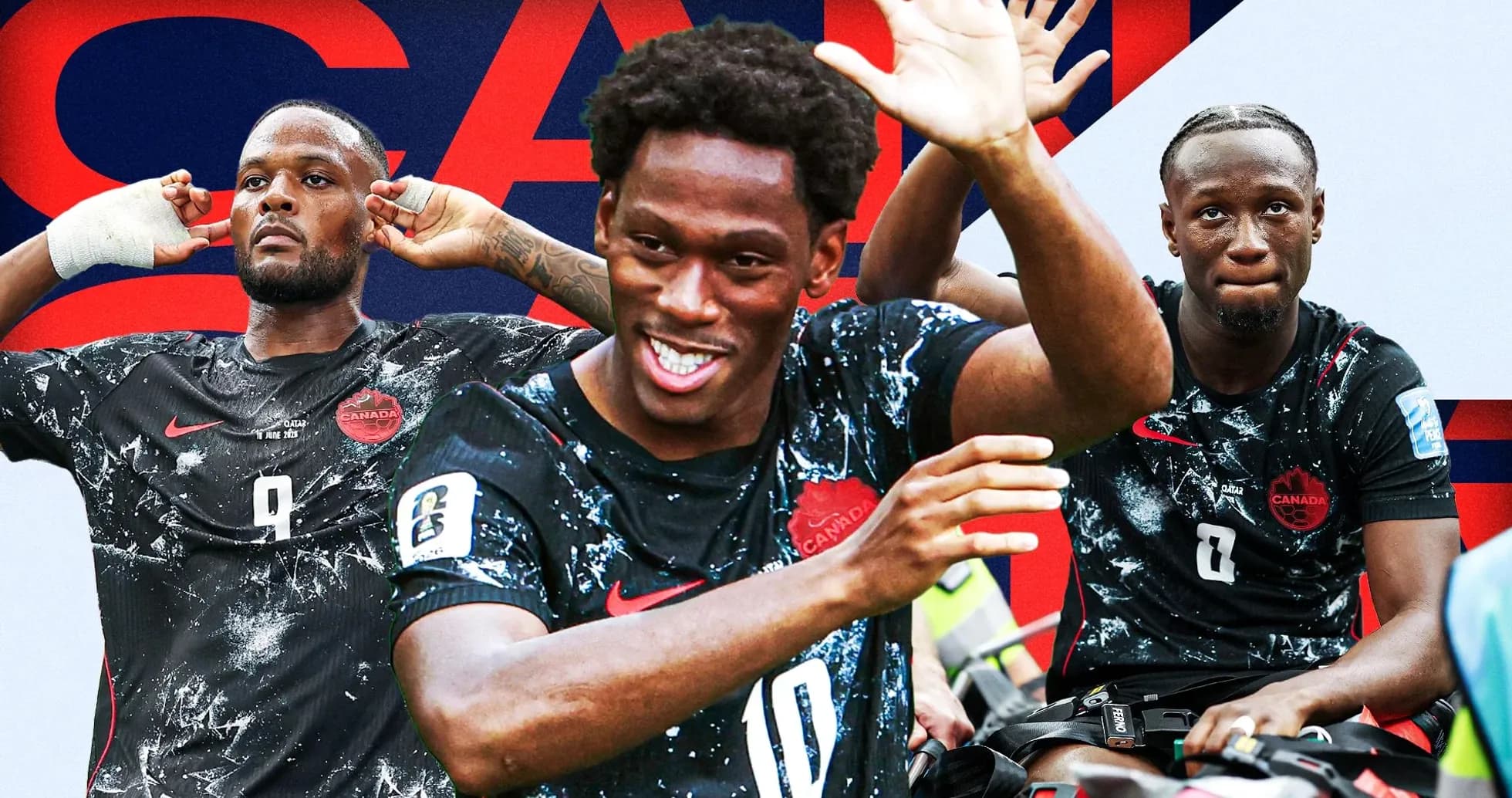
Jonathan David walked into this World Cup week with questions swirling and criticism biting. He walked out of Thursday night with a hat-trick, a record, and a stadium finally hearing him in the only language he really trusts: goals.
The Juventus striker had been dragged for that flat opening display against Bosnia and Herzegovina, hooked before the hour, his big-tournament credentials doubted all over again. He doesn’t often sit down in front of microphones. He doesn’t need to when he plays like this.
From the opening whistle against Qatar, David looked like a man intent on shutting everyone up.
He hunted defenders, snapped into duels, chased every loose ball. Qatar’s back line never settled. The pressure told early. In the 16th minute, David detonated a right-footed volley that the goalkeeper could only spill, and Cyle Larin pounced for his second of the tournament. The noise inside the stadium shifted. So did the tone of Canada’s World Cup.
The second goal was pure design. A sharp, triangular pattern down the right between Tajon Buchanan and Alistair Johnston carved Qatar open, the ball rolled into David’s stride. One touch to set, one to pass it into the corner. His first World Cup goal, finally. No celebration choreographed for the cameras, just a release – and the sense that something had clicked.
Later, the roles reversed. Larin took on the shot, forced another rebound, and David crashed through to bury it. He wasn’t done. In the dying moments, with Qatar already beaten and the scoreline brutal, David broke through again, sliding home Canada’s sixth and completing the first hat-trick by a Canadian at a World Cup.
“It was amazing. After every goal, it got louder and louder,” David said of the crowd. “It gave us motivation to get the next goal and the next goal.”
For a player accused of shrinking in the sport’s biggest moments, this was the response. Canada’s all-time leading scorer – now on 42 goals – played like the forward a nation had been begging to see.
“That’s a player, that's a striker, that's a goal scorer,” head coach Jesse Marsch said. “I never had any doubts in Jonny, and the one thing I said is, for us to really be successful as a team, we need Jonny driving what we do in the attacking part of the pitch. He set up the first goal with the shot, then he obviously scored the hat trick, but I thought he was fantastic in general.”
On the scoreboard, it was a statement win. On the touchline and in the dressing room, it felt more complicated.
Because while Canada were running riot, they were also losing the heartbeat of their midfield.
Ismaël Koné, the player who stitches together so much of their transitional play, went down in obvious distress. The reaction around him told its own story. Teammates turned away. Some froze. Marsch later revealed the grim detail.
“You could hear the bone snap,” the coach said, adding that Koné had gone to hospital for surgery. “Your heart goes out to him. Everybody’s shaken for him.”
There has been no official medical bulletin, but the expectation is bleak: Canada may have to finish this World Cup without the midfielder who best breaks lines, threads passes, and carries the ball with a calm that belies his age. There is no like-for-like replacement in this squad.
Injuries had already scarred Canada’s build-up to the tournament, so the “next man up” mentality is ingrained by now. They will at least get Alphonso Davies back, and they saw a flash of depth when Samuel Saliba came on for Koné and promptly scored from a free kick. Useful profiles, committed players – but none with Koné’s particular blend of guile and bravery in possession.
“For us to be at our best, he's a big part of it. But, look, it's given us now something else to play for,” said fullback Alistair Johnston. “That's what this team is all about, it really is a brotherhood. So it's really difficult to see one of your brothers go down. But, look, if we needed any extra motivation for this tournament, we got it now.”
Johnston embodied that edge all night. One yellow card would have ruled him out of the Group B finale against Switzerland, yet there was nothing cautious about his performance. The Celtic defender flew into overlaps, joined wide overloads with Buchanan, Koné and David, and turned the right flank into Canada’s launchpad.
He assisted the second goal and finished with four accurate crosses and six big chances created, all while steering clear of the booking that would have sidelined him. It was a tightrope, but he danced on it.
“We knew that the idea was kind of to build up against the Akram Afif. He's a maverick; you could see some of the quality he had on the ball,” Johnston explained. “Defensively, though, the idea was to play against him, make him defend, because we didn't think he was going to. We're trying to find that balance of me being in the defensive three in a build-up, but then also give me the license, as I have with my club, to really join in and help Tajon.”
When Koné went down, Johnston’s role shifted from tactical fulcrum to emotional anchor. One of the most vocal figures in the squad, he moved quickly to console teammates, his eyes constantly flicking back to the midfielder on the turf. Leadership doesn’t always come in speeches; sometimes it’s in how you hold a team together in those few stunned minutes when a campaign suddenly feels fragile.
On the other side of the pitch, Qatar simply unraveled.
This was a level of struggle no other team had reached in this World Cup so far. Four years after finishing last as hosts, they again looked overawed by the stage, this time against co-hosts who smelled blood. The resilience they had shown in the 1-1 draw with Switzerland – that late equaliser, the compact defensive shape – vanished under Canada’s relentless tempo.
Julen Lopetegui, a coach who has seen Champions League and international pressure, could not coax any real composure from his players. The structure fell apart. The duels were lost. The belief drained away.
Qatar will almost certainly exit from Group B and will face their final match without two starters. If Thursday’s display is any indication of where this team is heading, their route back to a World Cup stage could be a long one.
For Canada’s forwards, the narrative has flipped in a matter of days. Before Bosnia, the conversation centred on Larin’s struggles; Marsch even dropped him for Tani Oluwaseyi in that opener. Larin has answered with a goal in each match since. As soon as the spotlight moved off him, it landed harshly on David.
Now both have fired back.
Larin’s brace across two games and David’s hat-trick have turned doubt into momentum. Canada didn’t just compete here; they dominated, and they did it without their captain and superstar, Davies. His return for the showdown with Switzerland – with top spot in the group on the line – only adds to the sense of opportunity.
The task now is as emotional as it is tactical. Replace Koné’s influence? They can’t, not exactly. But they can carry him.
Canada have found their goals, their edge, and their belief. The question is whether that will be enough to carry a wounded brotherhood deep into the sharpest, most unforgiving stretch of this World Cup.