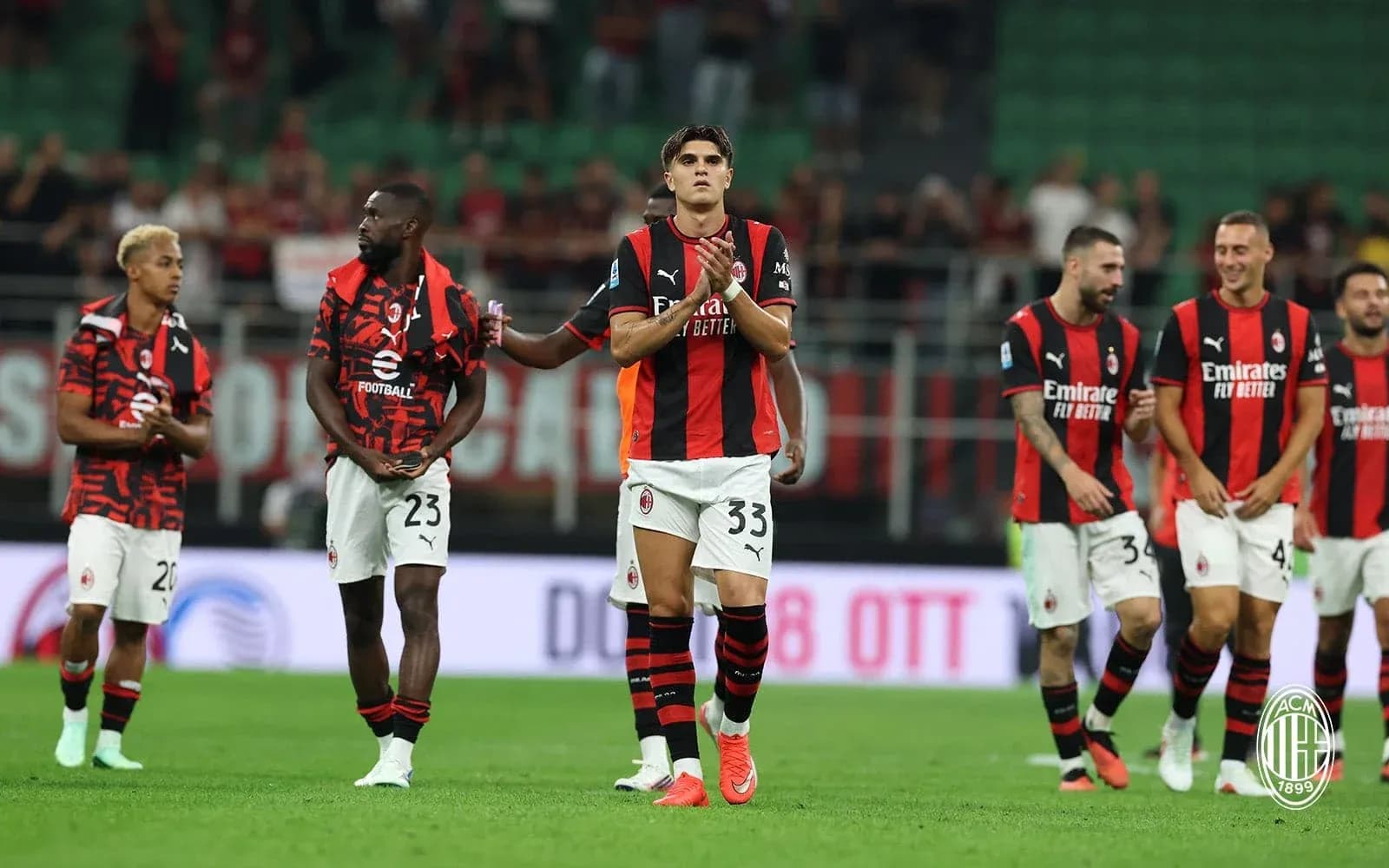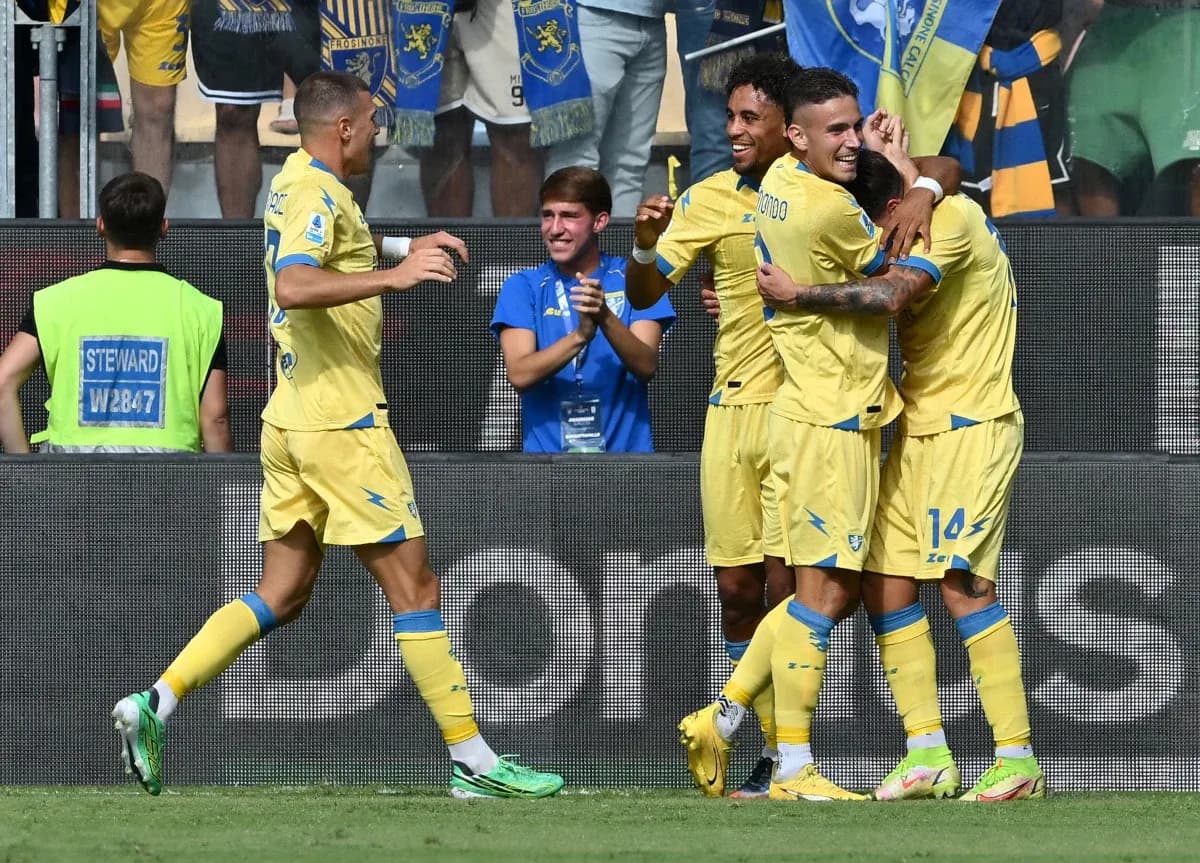
Inter vs Hellas Verona: Serie A Round 37 Clash Overview
Inter host Hellas Verona at Stadio Giuseppe Meazza in a high‑stakes Serie A Round 37 clash in 2026: Inter sit top of the table with 85 points from 36 games, while Verona are 19th on 20 points and in the relegation zone. With only two league matches left, this fixture is simultaneously a potential title‑defining step for Inter and a last‑chance survival lifeline for Verona.
Head-to-Head Tactical Summary
On 2 November 2025 in Serie A (Regular Season - 10) at Stadio Marcantonio Bentegodi, Hellas Verona lost 1-2 at home to Inter, after a 1-1 HT scoreline. Earlier in the same calendar year, on 3 May 2025 in Serie A (Regular Season - 35) at Stadio Giuseppe Meazza, Inter beat Verona 1-0, leading 1-0 at HT and maintaining control to full time. On 23 November 2024 in Serie A (Regular Season - 13) at Stadio Marcantonio Bentegodi, Verona were heavily beaten 0-5 by Inter, with Inter already 0-5 up at HT, underlining a clear tactical and quality gap. On 26 May 2024 in Serie A (Regular Season - 38) at Stadio Marcantonio Bentegodi, the sides drew 2-2, with a 2-2 HT scoreline in a more open, transitional game. On 6 January 2024 in Serie A (Regular Season - 19) at Stadio Giuseppe Meazza, Inter defeated Verona 2-1, having led 1-0 at HT and managing the advantage. Overall, recent meetings show Inter consistently finding ways to win, especially in Milan, while Verona’s more competitive displays have mostly come at home.
Global Season Picture
- League Phase Performance:
Inter: In the league phase, Inter are 1st with 85 points from 36 matches, scoring 85 goals and conceding 31 (goal difference +54). At home they have 49 goals for and 15 against across 18 games, reflecting a dominant home profile.
Hellas Verona: In the league phase, Verona are 19th with 20 points from 36 matches, with 24 goals scored and 58 conceded (goal difference -34). Away from home they have 12 goals for and 32 against in 18 matches, underlining a fragile away defense and limited attacking output. - Season Metrics:
Given scope detection (36 games in both standings and team statistics), these metrics are also in the league phase.
Inter: Inter’s attack is highly productive in the league phase, averaging 2.4 goals per game (85 goals in 36 matches), with a balanced defensive structure allowing 0.9 goals per game (31 conceded). Their preferred formation is 3-5-2 across all 36 league fixtures, pointing to structural continuity. Discipline-wise, yellow cards cluster late: 30.65% of their cautions arrive between minutes 76-90, suggesting intensity and pressing remain high into the final phase. Inter have 18 clean sheets and have failed to score only twice, which indicates a consistently efficient attack and a controlled defensive block.
Hellas Verona: Verona average 0.7 goals per game (24 in 36) and concede 1.6 per match (58 allowed), reflecting a blunt attack and a vulnerable defense. Their tactical identity has been less stable: they have used 3-5-2 (25 matches) but also 3-5-1-1, 3-4-2-1, 3-1-4-2, and 5-3-2, indicating reactive adjustments rather than a settled model. They have 6 clean sheets but have failed to score in 19 matches, underlining recurring offensive inefficiency. Verona’s yellow cards peak between minutes 46-60 and 31-45, and they have also accumulated multiple reds, highlighting discipline issues under pressure. - Form Trajectory:
Inter: In the league phase, Inter’s form string is “WWDWW”, which means four wins and one draw from their last five league matches. This points to a strong upward trajectory and a team closing the campaign with title-level consistency.
Hellas Verona: In the league phase, Verona’s form string is “LDDLL”, translating to three defeats and two draws in their last five league games. That pattern shows a team failing to convert games into wins at precisely the moment when points are most needed to avoid relegation.
Tactical Efficiency
Without explicit numerical “Attack/Defense Index” values in the provided comparison block, we align tactical efficiency to the available league-phase statistics. Inter’s attacking efficiency is high: 2.4 goals per match from a side that has failed to score only twice, combined with large winning margins (biggest wins 5-0 at home and 0-5 away) and 18 clean sheets, indicates a team that converts territory and xG into goals and then protects leads effectively. Their 3-5-2, used in all 36 league fixtures, supports stable automatisms in build-up and chance creation, with defensive coverage from the back three and wing-backs. Defensively, conceding 0.9 goals per game with 18 clean sheets shows a compact, well-coordinated block that rarely allows opponents to generate high-quality chances repeatedly over 90 minutes.
Hellas Verona’s tactical efficiency is much lower in the league phase: 0.7 goals scored per game with 19 matches without scoring reflects poor conversion of attacking phases and likely low xG per game. Conceding 1.6 goals per match and suffering heavy defeats (home losses up to 0-3 and away up to 4-0) shows that when their structure breaks, it tends to collapse heavily rather than concede isolated chances. The frequent formation changes suggest a search for balance that has not yet been found, while their card profile, including multiple reds, implies that defensive interventions often arrive late or in suboptimal positions. In a direct tactical matchup, Inter’s stable 3-5-2 and superior efficiency in both boxes give them a clear structural advantage over Verona’s reactive, lower-yield system.
The Verdict: Seasonal Impact
In the league phase, this match has asymmetric but decisive stakes. For Inter, starting Round 37 on 85 points at the top of Serie A, a win at home would push them closer to securing the title, either by maintaining or extending any gap to their nearest challengers. Dropping points here would reopen the title race and inject pressure into the final round, especially given their strong recent form (“WWDWW”) that has set a high benchmark; anything less than victory would be a negative deviation from that standard.
For Hellas Verona, 19th place with 20 points and a -34 goal difference leaves them in deep relegation trouble. With only two games left, every point is critical: defeat in Milan would likely leave them needing both a final-day win and favorable results elsewhere, while a draw would at least keep survival mathematically alive. A shock win would transform their outlook, potentially lifting them closer to or even out of the bottom three depending on other results, and would be season-defining given their poor form (“LDDLL”) and low scoring rate.
Overall, the structural data suggests that the most probable seasonal impact is Inter consolidating their path toward the title and Verona moving closer to relegation. However, precisely because this is Round 37, any unexpected result—especially Verona taking points—would have outsized consequences: it could delay Inter’s title confirmation and simultaneously reopen the relegation battle, turning the final matchday into a high-pressure scenario for both ends of the table.