Derby County Takeover Collapses as Clowes Keeps Club
Derby County woke on Thursday expecting a new era to be edging closer. By the afternoon, the door had slammed shut.
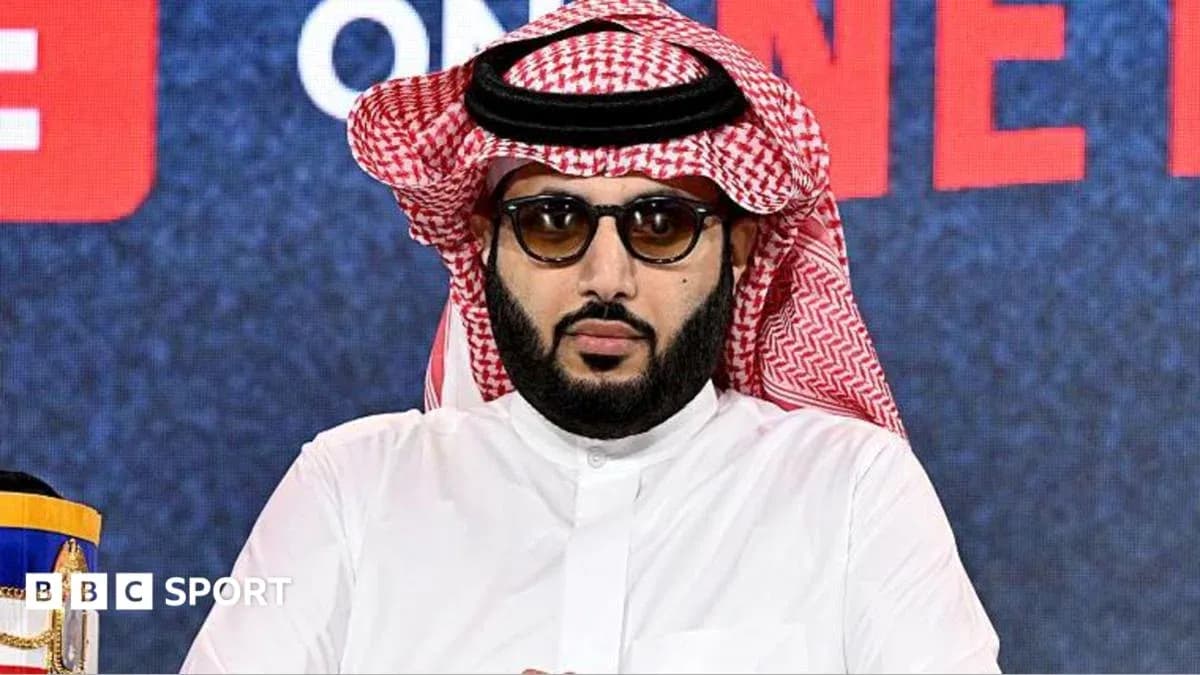
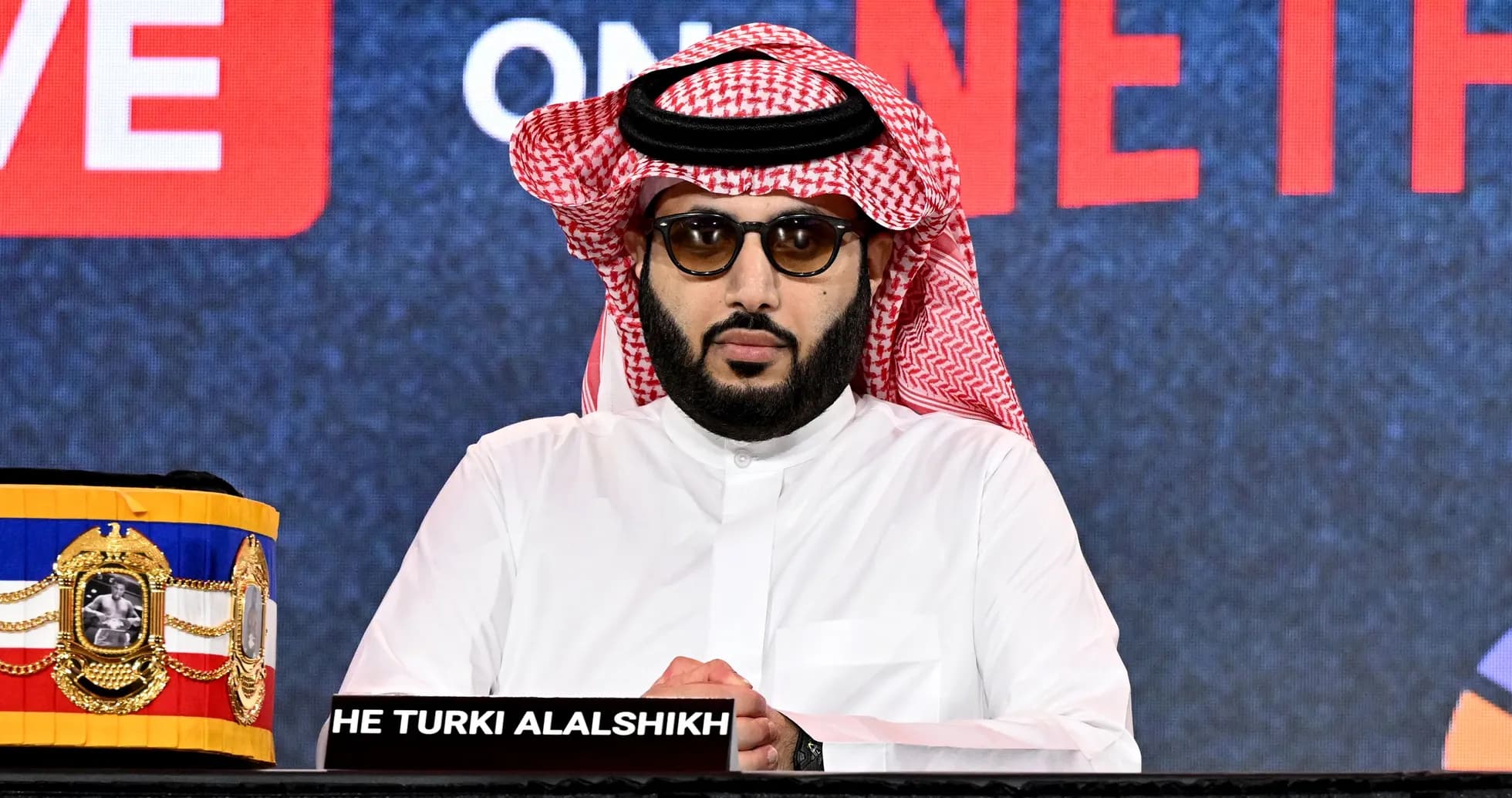
The proposed takeover by Lion Sport, the consortium fronted by Saudi General Entertainment Authority chairman Turki Alalshikh, is off. Not delayed. Not reworked. Gone.
For a fanbase that had braced itself for a flood of new money and global reach, the announcement landed with the dull thud of another twist in a decade of turbulence at Pride Park. The deal had already cleared the key regulatory hurdles for a change of ownership, raising hopes that Derby were on the brink of a dramatic financial upgrade.
Instead, the Rams stay exactly where they are: in the hands of David Clowes and Clowes Developments.
Derby Off the Market
The club moved quickly to close down any lingering speculation. In a pointed statement, Derby made it clear there would be no more window-shopping around Pride Park.
“For the benefit of any doubt, the club is now off the market and will continue to operate under the loyal, committed and unwavering support of Clowes Developments,” the statement read. Preparations, they stressed, “continue for the new EFL season, beginning against Charlton Athletic on Saturday. The club will offer no further comment.”
No teasing, no soft language, no hint of a second round of talks. Clowes, who rescued Derby from the wreckage of administration and guided them back from League One, remains the anchor. In a landscape where Derby have too often been a headline rather than a football club, that clarity matters.
Alalshikh Walks Away
Shortly after Derby’s announcement, Alalshikh offered his own explanation. The problem, he said, was time.
“I would like to thank everyone at Derby County Football Club, and everyone involved in this process for all their hard work over the past few months,” he said. He acknowledged the length of the IFR process and its importance, but argued that approval had come too late to shape this season properly.
“With the season already started, it would leave us with no time to prepare the team or the club for the season ahead,” he said.
The pressure of the calendar, not the ambition of the project, was the sticking point. No talk of walking away from English football altogether, no suggestion of bad blood.
“After careful consideration, we don't feel it is right to proceed at this time without the necessary preparation in place,” he added, leaving the door ajar. “We will remain in conversation with the club and see what is possible in the future. I personally wish the team and club every success for the season ahead.”
The message was clear: not now, maybe later.
A Complicated Pursuit of English Football
For Alalshikh, Derby is another near-miss in a long pursuit of a foothold in the English game.
He has already owned Pyramids FC in Egypt and Spanish side Almeria, building a profile as a heavyweight operator in global sport. Reports have repeatedly linked him with English clubs, including Millwall, Southampton and Sheffield Wednesday, as he searches for the right platform and the right moment.
Despite vast wealth, estimated around $2.8 billion, the move from orchestrating blockbuster boxing events to navigating English football’s boardrooms has proved anything but straightforward. Regulatory scrutiny, political sensitivities, and the unforgiving glare of public opinion have turned every potential deal into a maze.
Derby looked, for a while, like the breakthrough. A historic club, a passionate fanbase, a modern stadium, and a recent history of financial chaos that made outside investment both attractive and necessary. The approval process being completed suggested the hardest part was done.
Then the clock beat the project.
Stability Over Spectacle
For Derby, the collapse of the deal strips away the tantalising prospect of a different financial ceiling. No sudden leap into the global entertainment machine, no immediate access to the kind of capital that can transform a Championship club’s trajectory almost overnight.
What they have instead is something less glamorous but, after years of crisis, arguably more precious: stability.
The club has endured a brutal decade – failed promotion pushes, financial mismanagement, administration, points deductions, and a drop into League One. Clowes Developments’ intervention steadied the ship and set Derby back on a more sober course. The return to the Championship was a statement that they could climb without chaos.
The Lion Sport proposal promised a louder, brighter future, full of international exposure and aggressive ambition. That door has closed, at least for now. Derby’s hierarchy, by taking the club off the market so decisively, have chosen to remove the constant murmur of takeover talk and speculation that can seep into a dressing room and training ground.
No more “for sale” sign. No more waiting for someone else to define the club’s identity.
The season starts against Charlton Athletic on Saturday. The ownership question, for once, is settled. The next chapter will be written not in boardrooms, but on the pitch.