FC Cincinnati II Triumphs Over Columbus Crew II: A Tactical Analysis
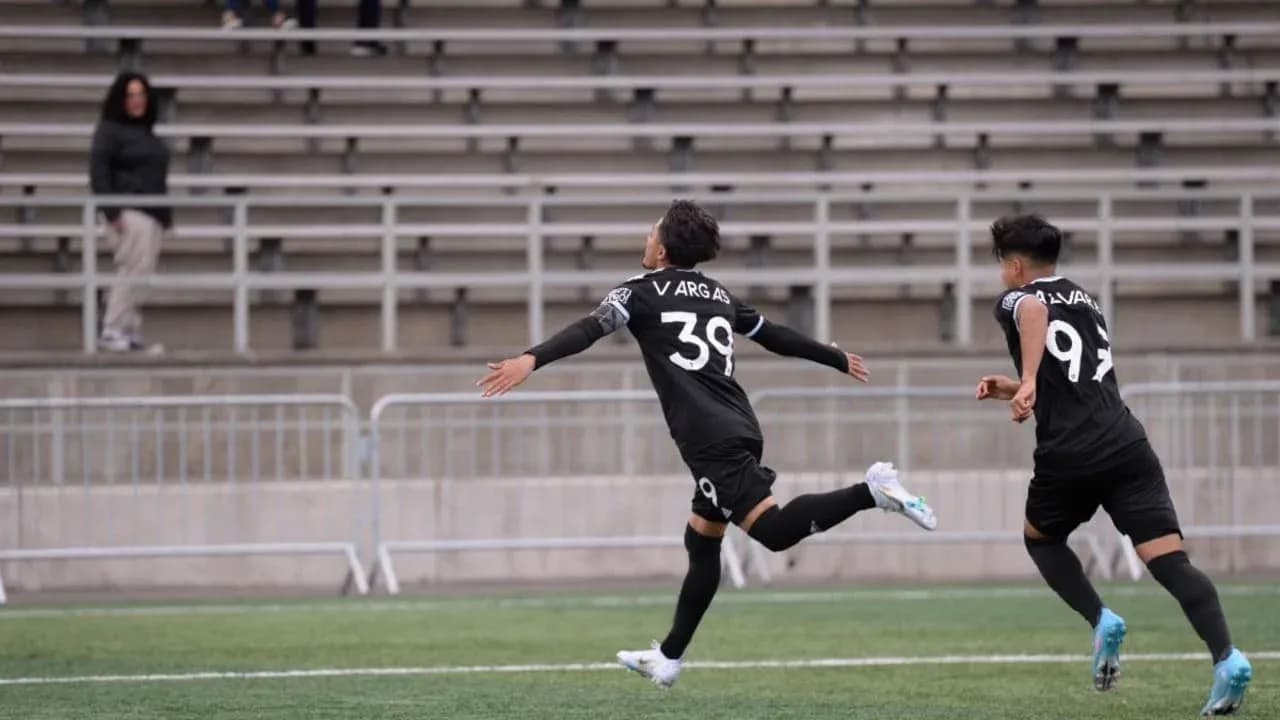
On a cool night at NKU Soccer Stadium, FC Cincinnati II’s 2–1 victory over Columbus Crew II felt less like an upset and more like a squad finally bending the season’s numbers to its will.
I. The Big Picture – Two Different Identities Collide
Heading into this game, the standings painted a stark contrast. In the Northeast Division, Columbus Crew II sat 2nd with 17 points from 10 matches, built on 6 wins and no draws. Overall they had scored 17 and conceded 17, a goal difference of 0 that disguised a split personality: dominant at home, fragile on their travels. At home they had 5 wins from 5, with 10 goals for and 4 against; away they had 1 win and 4 defeats, with 7 goals scored and 13 conceded.
FC Cincinnati II, by contrast, were a team of extremes depending on venue. In total this campaign they had played 8 matches, winning 3 and losing 5, scoring 11 and conceding 12 for a goal difference of -1. At home, though, they were a different proposition: 3 wins from 4, with 9 goals for and only 4 against. On their travels they had lost all 4, scoring 2 and conceding 8. NKU Soccer Stadium has already been their sanctuary; this match confirmed it as a proving ground.
The 2–1 scoreline, with the sides level 1–1 at half-time before Cincinnati II edged ahead after the break, fit both teams’ seasonal DNA. Columbus brought their aggressive, win-or-bust mentality, but again their away fragility surfaced. Cincinnati leaned into their home attacking average of 2.3 goals per game and their defensive record of 1.0 goal conceded at home, and the pattern held: they scored twice, conceded once, and closed it out.
II. Tactical Voids and Discipline – Edges in the Margins
There were no listed absentees, so both coaches had full decks to play with. Federico Higuain named a young Columbus Crew II XI built around energy and verticality: K. Abbott, O. Presthus, Q. Elliot, G. Di Noto, I. Heffess, T. Brown, B. Adu-Gyamfi, G. De Libera, N. Rincon, J. Chirinos and Z. Zengue. On the bench, the likes of A. Zochowski, I. Ewing, M. Nyeman, Z. Lloyd and R. Aoki offered fresh legs and tactical tweaks.
FC Cincinnati II’s starting group – F. Mrozek, F. Samson, G. Flores, W. Kuisel, C. Holmes, C. Sphire, M. Sullivan, A. Lajhar, A. Chavez, L. Orejarena and S. Chirila – reflected a spine built for home control. With nine substitutes available, including D. Paz, J. Mize, M. Vazquez, N. Gray, D. Hurtado, N. Gassan, S. Lachekar, G. Marioni and R. Schlotterbeck, they had the depth to manage tempo and protect a lead.
Discipline was always going to be a sub-plot. Heading into this game, Cincinnati II’s yellow-card distribution showed a hot start: 27.78% of their cautions came between 0–15 minutes, and 22.22% between 46–60 minutes. Columbus, by contrast, tended to flare up in the middle phases, with 26.32% of their yellows in 31–45 minutes and another 26.32% in 61–75 minutes. Both sides carry late-game risk: Cincinnati had a red card spike in 76–90 minutes at 100.00% of their reds in that window, while Columbus had already seen a red between 0–15 minutes this season.
In a tight contest like this, those patterns matter. Cincinnati’s tendency to start aggressively can tilt early duels, while Columbus’s mid-game spikes often coincide with tactical transitions. The fact that Cincinnati saw out a one-goal lead without imploding in that 76–90 window speaks to a maturing game-management from this young group.
III. Key Matchups – Hunter vs Shield, Engine Room vs Press
With no league-wide top scorers data, this fixture became less about individual star power and more about unit-versus-unit battles.
The “Hunter vs Shield” dynamic was clear: Cincinnati’s home attack against Columbus’s away defence. At home, Cincinnati II averaged 2.3 goals for and 1.0 against; on their travels, Columbus conceded 2.6 goals per game while scoring 1.4. The numbers suggested that if Cincinnati could generate a normal volume of chances, Columbus’s back line – fronted here by figures like Q. Elliot, G. Di Noto and I. Heffess – would be stretched. The full-time 2–1 reflected exactly that balance: Columbus’s away attack was dangerous enough to score, but their defensive structure again leaked more than their travelling average.
In midfield, the “Engine Room” belonged to Cincinnati’s cluster of technicians and ball-winners. Players like C. Sphire and M. Sullivan, supported by A. Lajhar and A. Chavez, formed the circulation hub that this team relies on at home. Cincinnati’s season-long form line of LLLLWLWW hinted at a group slowly learning how to convert possession into points. Against Columbus, who in total this campaign averaged 1.8 goals for and 1.7 against, the midfield battle was about denying transitions. Containing the vertical runs of B. Adu-Gyamfi and the creative touches of G. De Libera was essential, and Cincinnati’s compactness between lines was a quiet, decisive victory.
Out wide and in the front line, S. Chirila and L. Orejarena represented Cincinnati’s willingness to commit numbers forward at NKU. With 9 home goals from 4 matches heading into this game, their wide and central combinations are clearly a strength. Against a Columbus side whose biggest away defeat was 4–1 and whose heaviest away concession in a single match was 4 goals, the threat of being overloaded in the channels was ever-present.
IV. Statistical Prognosis – xG Logic and Defensive Solidity
Even without explicit xG numbers, the season data allows a clear inference. A home side averaging 2.3 goals for and 1.0 against at home facing an away side conceding 2.6 and scoring 1.4 on their travels points to a probability band where Cincinnati II create the better chances and edge the scoreboard. The 2–1 final fits neatly into that model: Columbus are rarely shut out away (only 1 failed-to-score overall this season), but they frequently concede multiple goals.
Cincinnati’s total defensive average of 1.5 goals against per game is inflated by their away struggles; at home, the 1.0 against figure is more representative of their true ceiling. Columbus’s total defensive average of 1.7, and particularly their away figure of 2.6, reflects a high-variance, front-foot style that leaves space in behind. On this night, Cincinnati’s structure – anchored by F. Mrozek and the defensive unit including F. Samson, G. Flores, W. Kuisel and C. Holmes – held firm enough to keep Columbus to a single strike.
Following this result, the narrative around both squads sharpens. FC Cincinnati II are no longer just a team with good home numbers; they are a side capable of bending a promotion contender to their rhythm at NKU Soccer Stadium. Columbus Crew II remain a top-end force in the Eastern Conference, but their promotion ambitions will hinge on solving that away defensive riddle. In tactical and statistical terms, this 2–1 felt less like an anomaly and more like an inevitable intersection of two very different football identities.