New England II Edges New York City II in Thrilling 3-2 Clash
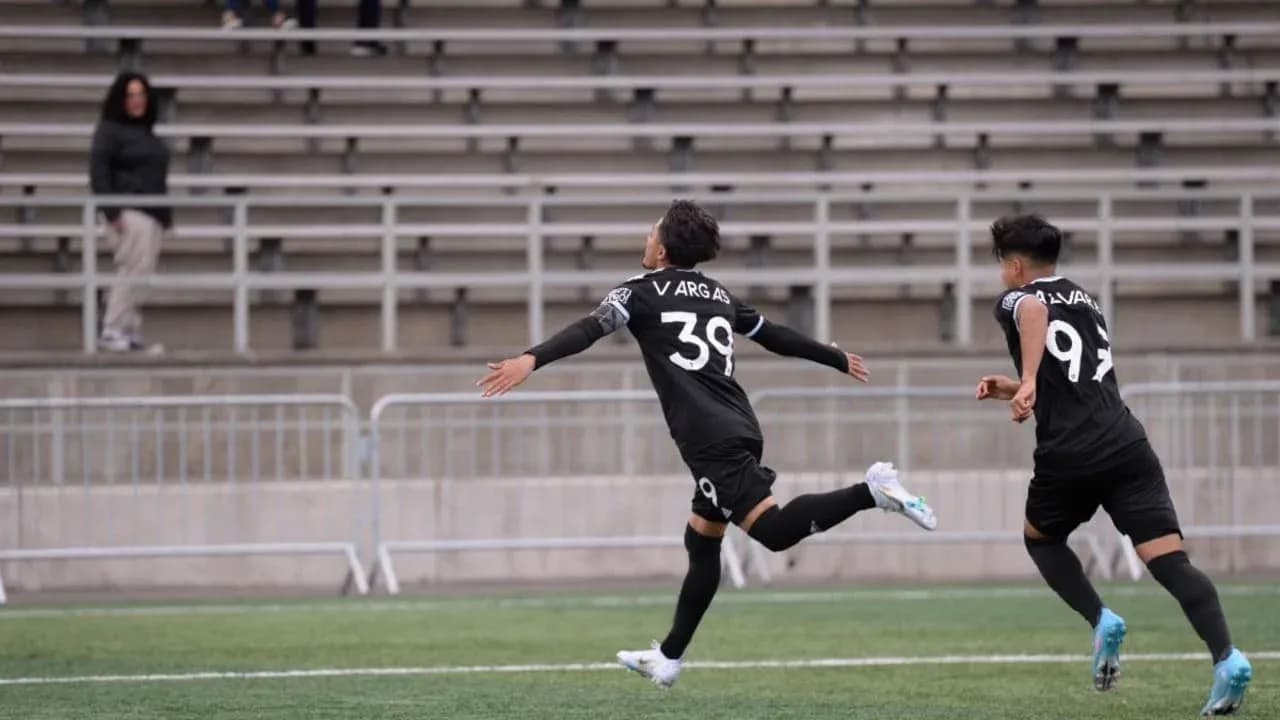
Under the lights at Gillette Stadium, New England II edged New York City II 3–2 in a Group Stage clash that felt more like a playoff dress rehearsal than an early-season league fixture. Heading into this game, the numbers painted a clear contrast: New England II were a ruthless home specialist, while New York City II were still searching for an away identity.
Across the season overall, New England II had played 8 matches, winning 5 and losing 3, with 10 goals for and 8 against in the standings snapshot. Their Eastern Conference rank of 8th came with a clear note: “Promotion - MLS Next Pro (Play Offs: 1/8-finals)”. At home, they had been particularly sharp, winning 5 of 6, scoring 9 and conceding 6. The broader team statistics deepen that picture: on their own turf, New England II were averaging 1.8 goals for and just 1.0 against, the profile of a side that leans on controlled aggression and a sturdy defensive spine.
New York City II, by contrast, arrived as a split personality. Overall they had 3 wins and 5 losses from 8, with 8 goals scored and 14 conceded in the standings snapshot. At home, they were dangerous (3 wins from 4), but on their travels they had lost all 4 away games, scoring 3 and conceding 6. The season stats confirm that away fragility: 0.8 goals for and 1.8 against on their travels, with a total goal difference of -6 overall (9 scored, 15 conceded in the statistics block). Gillette Stadium was never likely to be forgiving.
Final Score: New England II 3 - 2 New York City II
The final scoreline – New England II 3, New York City II 2 – fits this seasonal DNA: the hosts leaning into their attacking confidence, the visitors again unable to translate home form into away resilience.
Tactical Voids and Discipline
With no formal list of absences provided, both coaches leaned heavily on their core groups. Matt Pilkington’s New York City II side was clearly built around a youthful, mobile spine: M. Learned between the posts, a defensive line marshalled by D. Randazzo, J. Loiola and J. Suchecki, and a midfield cluster that included K. Smith, P. Molinari and C. Flax. Ahead of them, C. Danquah, D. Duque, D. Kerr and S. Musu offered a front four capable of rotating and attacking from different angles.
New England II, without a listed coach, still presented a coherent structure. D. Parisian anchored the side, with a defensive unit built around D. McIntosh, G. Dahlin, C. Mbai Assem and S. Mimy. In front, the likes of J. Mussenden, E. Klein and A. Oyirwoth provided connective tissue between defence and attack, while C. Oliveira, M. Morgan and S. Sasaki carried the creative and finishing burden.
The disciplinary trends of the season quietly shaped the risk profiles. New England II’s yellow cards had a clear late-game skew: 23.81% of their cautions came between 46–60 minutes, another 23.81% between 61–75, and a further 23.81% between 76–90, with an additional 14.29% in the 91–105 window. This is a team that tends to get more combative as the match wears on, often defending a lead or chasing control in the second half.
New York City II’s yellow card curve was even more volatile. Heading into this game, 31.25% of their cautions arrived between 16–30 minutes, signalling a tendency to tackle aggressively early. But the real flashpoint was late: 37.50% of their yellows landed in the 76–90 window, and their only red card of the season also came in that same 76–90 range, a clear marker of emotional and tactical strain as matches close.
Key Matchups – Hunter vs Shield, Engine Room
Without individual scoring tables, the “Hunter vs Shield” dynamic has to be read through collective patterns. At home, New England II’s attack – driven by the movement and interplay of C. Oliveira, M. Morgan and S. Sasaki – was averaging 1.8 goals per match. Against that, New York City II’s away defence was conceding 1.8 goals per game on their travels. The symmetry is telling: Gillette Stadium was always likely to see the hosts generate enough chances to hit that benchmark, and a 3-goal haul only underlines the mismatch between New England II’s home fluidity and New York City II’s away vulnerability.
On the other side, New York City II’s attack away from home had been modest, with 3 goals in 4 away matches, an average of 0.8. They were up against a New England II home defence that conceded 1.0 per game. In other words, the visitors were likely to need either exceptional finishing from the likes of D. Duque, D. Kerr or S. Musu, or chaos from set pieces and transitions, to outstrip their usual output. Scoring twice in this match suggests they did find some of those moments, but not enough control to bend the game fully in their favour.
The “Engine Room” battle revolved around how each midfield managed tempo and risk. For New England II, players such as G. Dahlin and J. Mussenden had to balance progression with protection, especially knowing that their side’s yellow card spikes come after half-time. Their ability to step into duels without tipping into reckless challenges was crucial in protecting a narrow lead late on.
For New York City II, the trio of K. Smith, P. Molinari and C. Flax faced a different kind of pressure. Their team’s card data – a heavy concentration of yellows between 16–30 and 76–90 minutes – indicates a midfield that can be over-eager early and desperate late. Keeping shape against New England II’s home confidence, while resisting the urge to lunge into challenges as fatigue set in, was always going to be a decisive factor.
Statistical Prognosis and Tactical Verdict
Following this result, the underlying numbers still frame New England II as a side built on home dominance and narrow margins. Overall in the statistics snapshot, they had 12 goals for and 9 against, a goal difference of +3 (12 minus 9). The standings block shows 10 for and 8 against, a goal difference of +2; both views agree on the same core truth: this is a team that wins tight games more often than it blows opponents away.
New York City II, meanwhile, remain a study in imbalance. With 9 goals scored and 15 conceded overall in the statistics data, their goal difference sits at -6 (9 minus 15), underlining a defence that leaks too often to support their sporadic attacking surges. The absence of a single clean sheet, home or away, reinforces that picture.
If we project this fixture forward as a tactical template rather than a one-off, the prognosis is clear. In a hypothetical rematch, xG would likely tilt towards New England II at Gillette Stadium: their 1.8 home goals-for average against an away defence conceding 1.8 is a structural advantage, not a coincidence. New York City II would need to either compress the game – lowering the shot volume and leaning on the sharpness of forwards like D. Duque and D. Kerr – or radically tidy up their late-game discipline, where 37.50% of their yellows and their only red card cluster in the final quarter-hour.
In narrative terms, this 3–2 stands as a microcosm of both teams’ seasons. New England II, resilient and assertive at home, continue to build a profile worthy of Eastern Conference playoff contention. New York City II, brave but brittle on their travels, remain a side whose flashes of quality are too often undermined by defensive looseness and late-game emotional spikes. The squads are talented; the numbers insist that structure and control will decide whether either can turn nights like this into a sustained campaign.