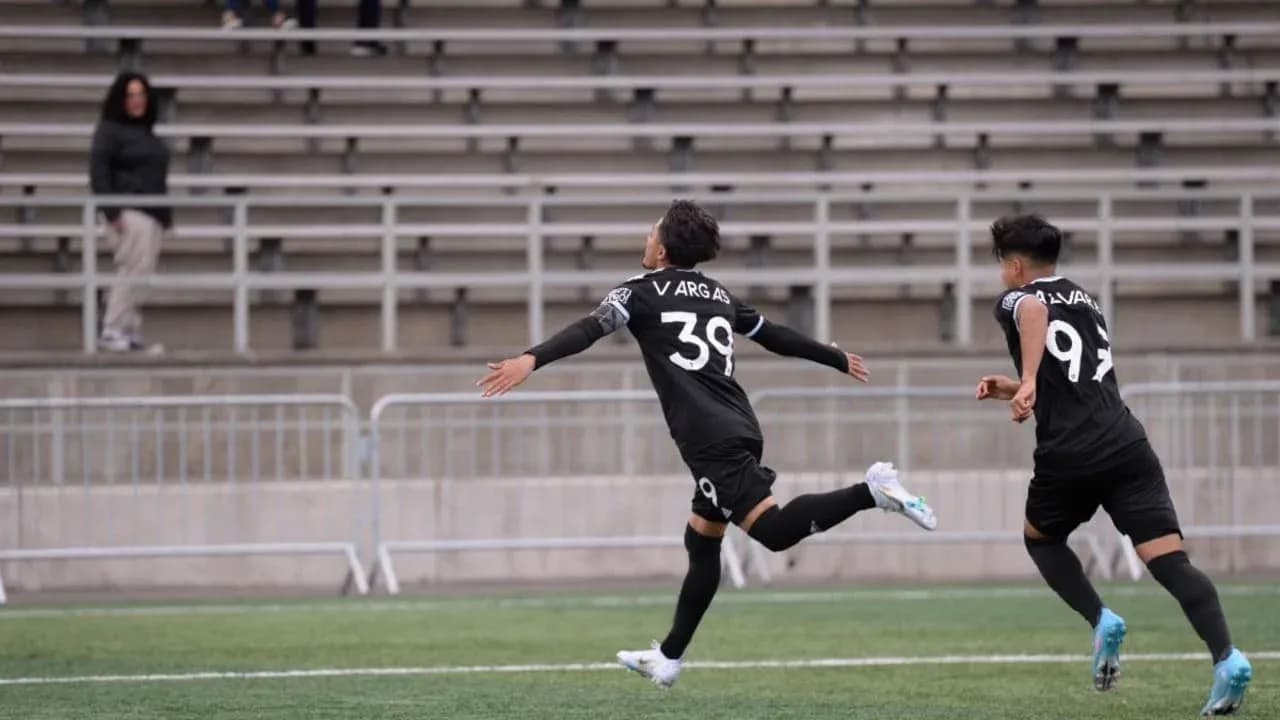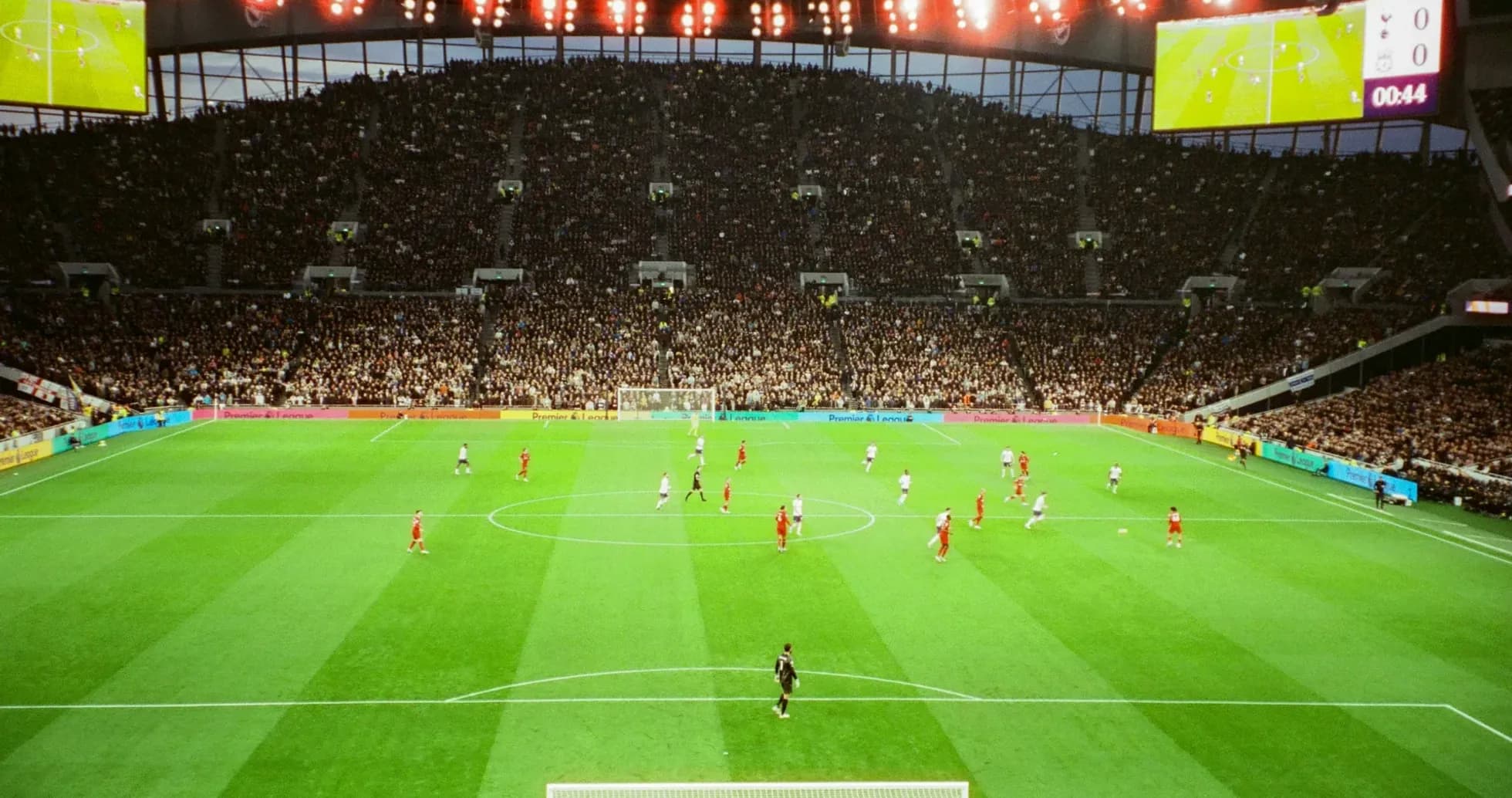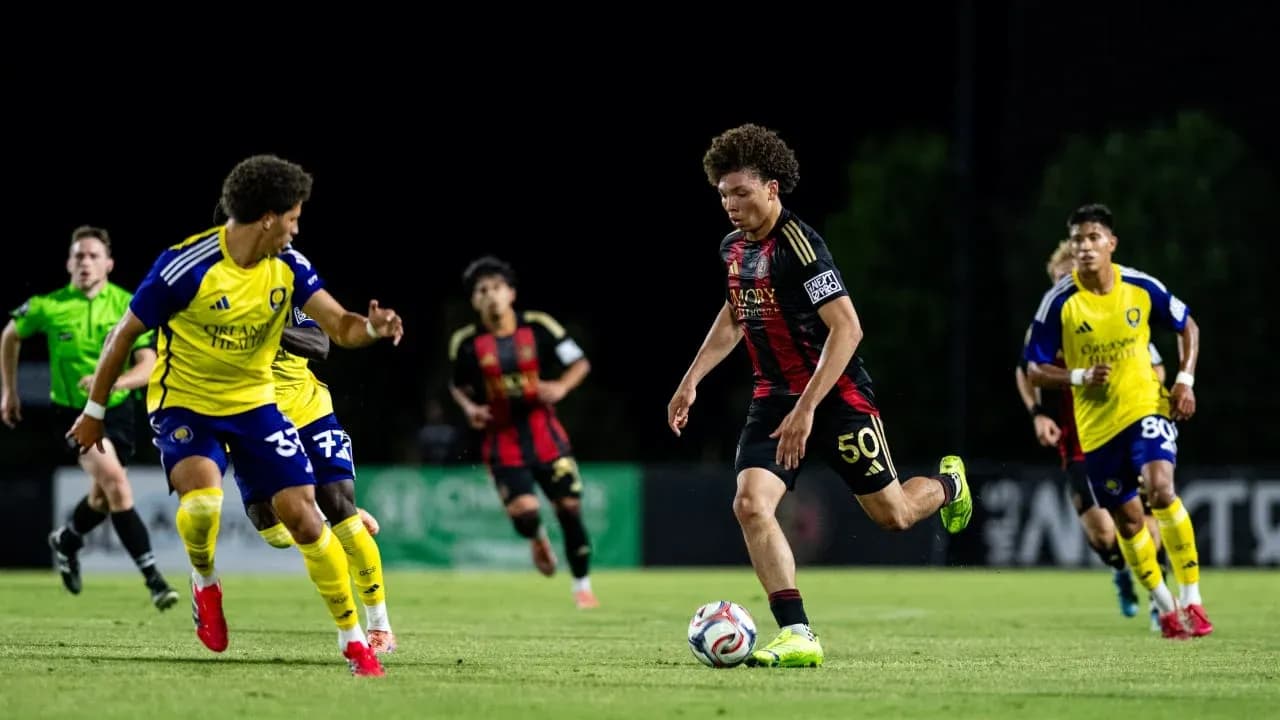
Atlanta United II vs Orlando City II: Playoff Dress Rehearsal
Under the lights at Fifth Third Stadium, this MLS Next Pro meeting between Atlanta United II and Orlando City II carried the feel of a playoff dress rehearsal. Both sides arrived as Eastern Conference contenders: heading into this game Atlanta sat 4th in the Eastern Conference table with 16 points and a goal difference of 3, while Orlando mirrored the points tally with 16 of their own, ranked 5th but with a goal difference locked at 0. Two young, ambitious squads, one pitch, and the faint echo of the “1/8-finals” play-off line already looming in the background.
The final scoreline – Atlanta United II 0–2 Orlando City II – underlined a contrast in seasonal identities. Atlanta’s campaign had been defined by volatility: 5 wins and 4 losses in total, no draws, with 14 goals for and 11 against in the standings snapshot. At home, they had been relatively efficient, with 2 wins and 1 loss, scoring 6 and conceding 4. Their total averages told a story of controlled risk: 1.6 goals scored per game overall, 1.3 conceded, and a clean-sheet count of 2, both earned on their travels.
Orlando, by comparison, arrived as chaos merchants. Heading into this game they had 6 wins and 3 losses, again with no draws, but their season had been drenched in goals: 19 scored and 19 conceded in the standings block, and even more expansive numbers in the team statistics, where they were credited with 22 goals for and 20 against in total. On their travels, they had been ruthless: 3 wins and 1 loss, 8 goals scored and 7 conceded, averaging 2.3 goals for and 1.8 against away from home. Their football was high-risk, high-reward – and in Kennesaw, the reward outweighed the risk.
I. The Big Picture: Patterns Meeting on a Knife-Edge
Atlanta’s form line – LWWLLWWWL – hinted at a side still learning how to manage games. They could overwhelm opponents, as shown by their biggest home win of 4–1, but their heaviest home defeat of 0–2 foreshadowed exactly the kind of controlled away performance Orlando would deliver here. Atlanta’s home attack, averaging 2.0 goals per game, met an Orlando defence that, while porous overall, had shown the capacity to bend without breaking on their travels.
Orlando’s own form – LWWWLWWLW – suggested a team that rarely plays within itself. Their biggest away win of 0–2 felt like the template: disciplined, efficient, and opportunistic. That is precisely what unfolded as they took a 1–0 lead into half-time and then killed the contest with a second after the break, never allowing Atlanta’s attack to find the multi-goal rhythm it had often enjoyed at home.
II. Tactical Voids and the Discipline Battle
With no official data on absentees, both coaches effectively had full decks to play with, yet the shapes and tendencies were defined more by mentality than by missing names.
Atlanta’s XI, built around the youthful energy of J. Hibbert, D. Chica, M. Senanou, and M. Cisset, had to balance their natural inclination to open the game up with an awareness of Orlando’s attacking power. The presence of creators like A. Gill, A. Torres, and E. Dovlo suggested a side geared to dominate possession and probe between the lines, while C. Dunbar and A. Kovac offered vertical threat.
Orlando’s starters – from L. Maxim at the back through P. Amoo-Mensah, C. Guske, and T. Reid-Brown, to the midfield pairing of B. Rhein and D. Judelson – were configured to absorb pressure and spring forward. With I. Gomez, G. Caraballo, I. Haruna, H. Sarajian, and Pedro Leao, they carried multiple lanes of counter-attacking danger.
Disciplinary trends framed a crucial sub-plot. Heading into this game, Atlanta’s yellow-card distribution showed a late-game spike: 23.81% of their bookings arriving between 76–90 minutes, and a steady rise through the second half. Their red-card profile was even starker: 33.33% of reds in each of the 46–60, 61–75, and 76–90 ranges, underlining how emotional and stretched their late phases can become.
Orlando, conversely, were more combustible in the middle of halves. They collected 26.32% of their yellow cards in both the 16–30 and 31–45-minute windows, with a gradual tapering off thereafter. The absence of any red cards in their statistical record pointed to a side that flirts with the edge early but rarely steps over it.
In this match, that dynamic mattered. Once Orlando struck first before half-time, Atlanta were forced to chase, drifting toward the very periods where their discipline historically frays. Orlando, already used to weathering storms and living with high-scoring scripts, managed the tempo without slipping into reckless challenges.
III. Key Matchups: Hunter vs Shield, Engine Room vs Enforcer
Without individual scoring charts, the “Hunter vs Shield” battle becomes a clash of units. Atlanta’s home attack – 6 goals in 3 games, averaging 2.0 – confronted an Orlando away defence that had conceded 7 in 4, at 1.8 per game. On paper, that duel was finely balanced. But Orlando’s season-long attacking ferocity (22 goals total, 2.4 per game overall) versus Atlanta’s 1.3 goals conceded on average suggested that if the game opened up, it would tilt toward the visitors.
The “Engine Room” duel centred on how Atlanta’s creative axis of A. Gill, A. Torres, and E. Dovlo could navigate the press and physical presence of B. Rhein and D. Judelson. Orlando’s midfielders, supported by the mobility of I. Haruna and the link play of H. Sarajian, repeatedly disrupted Atlanta’s build-up, forcing longer passes toward Dunbar and Kovac that Orlando’s back line, marshalled by Guske and Reid-Brown, could manage.
On the flanks, players like G. Caraballo and I. Gomez represented Orlando’s ability to stretch the game. Every time Atlanta pushed their lines higher to find a route back into the contest, those wide threats threatened to turn transition moments into chances. The second goal, arriving after the interval, felt like the logical consequence of that territorial gamble.
IV. Statistical Prognosis and xG Echoes
Even without explicit xG values, the season data offers a clear probabilistic verdict. Orlando entered as a team that, on their travels, scored more (2.3 per game) than Atlanta conceded overall (1.3), and conceded only marginally more (1.8) than Atlanta scored at home (2.0). Combine that with Orlando’s record of never failing to score – 0 games without a goal, home or away – and the expectation was always that Atlanta would need at least two to win.
Atlanta, meanwhile, had already failed to score in 3 matches in total this campaign, including once at home. Their clean-sheet count of 2, both away, underlined that their defensive control tends to come on their travels rather than in front of their own crowd.
Overlaying these tendencies, a likely xG storyline emerges: Orlando generating multiple high-quality transition chances, Atlanta forced into lower-probability shots as they chased the game. The 0–2 scoreline aligns with a scenario where Orlando’s clinical edge matches their statistical profile – 100.00% success from the penalty spot this season, no penalties missed – and Atlanta’s volatility finally tilts against them.
Following this result, Orlando City II’s high-wire act looks increasingly sustainable. Their attacking volume continues to overwhelm the defensive leaks. For Atlanta United II, the lesson is sharper: in a league where play-off margins are thin, their late-game discipline and risk management will need to evolve if they are to turn their undoubted attacking promise into the kind of cold, controlled performances that Orlando produced on this night at Fifth Third Stadium.