Portland Timbers II vs Ventura County: A Thrilling Penalty Shootout Showdown
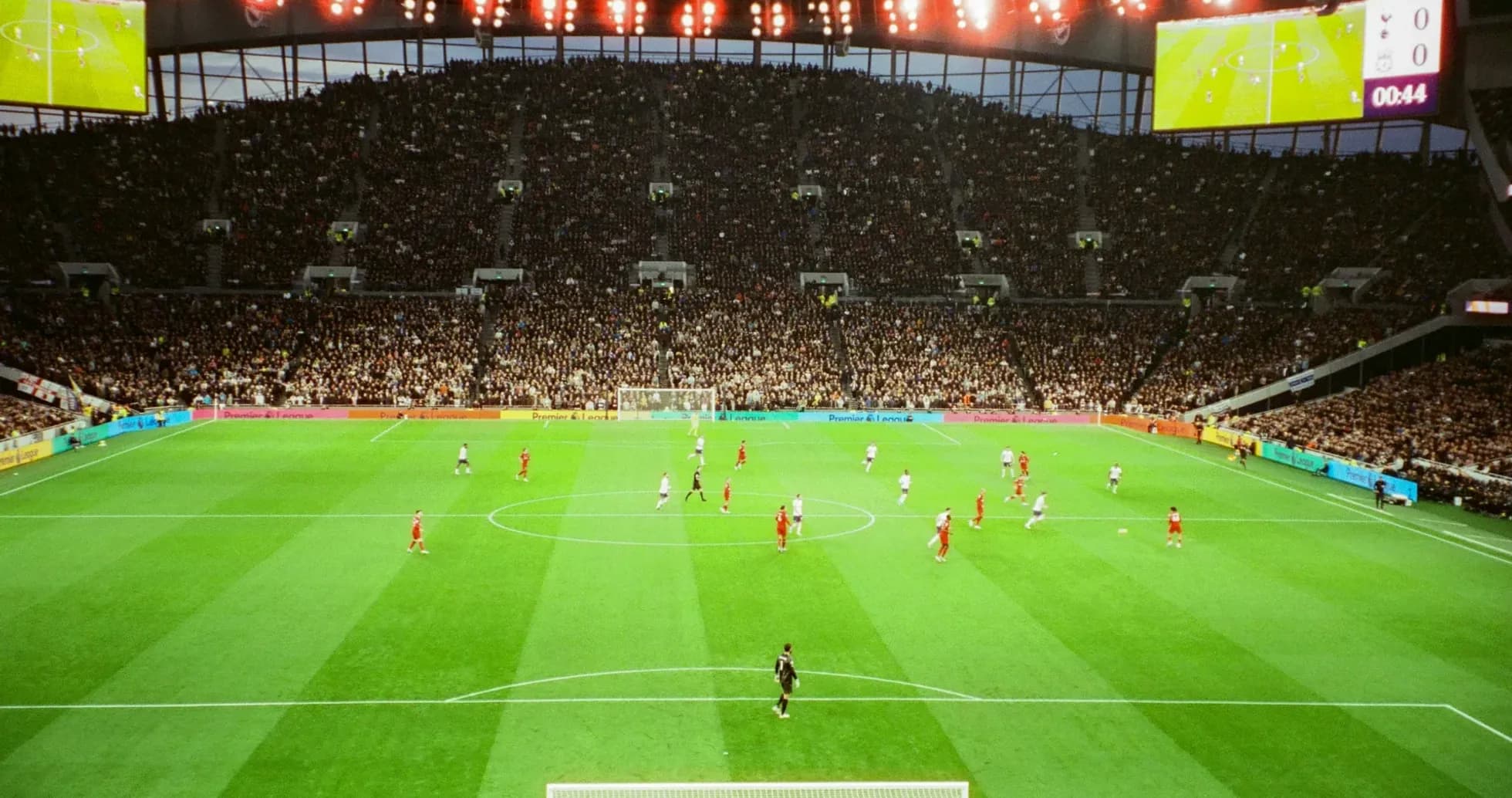
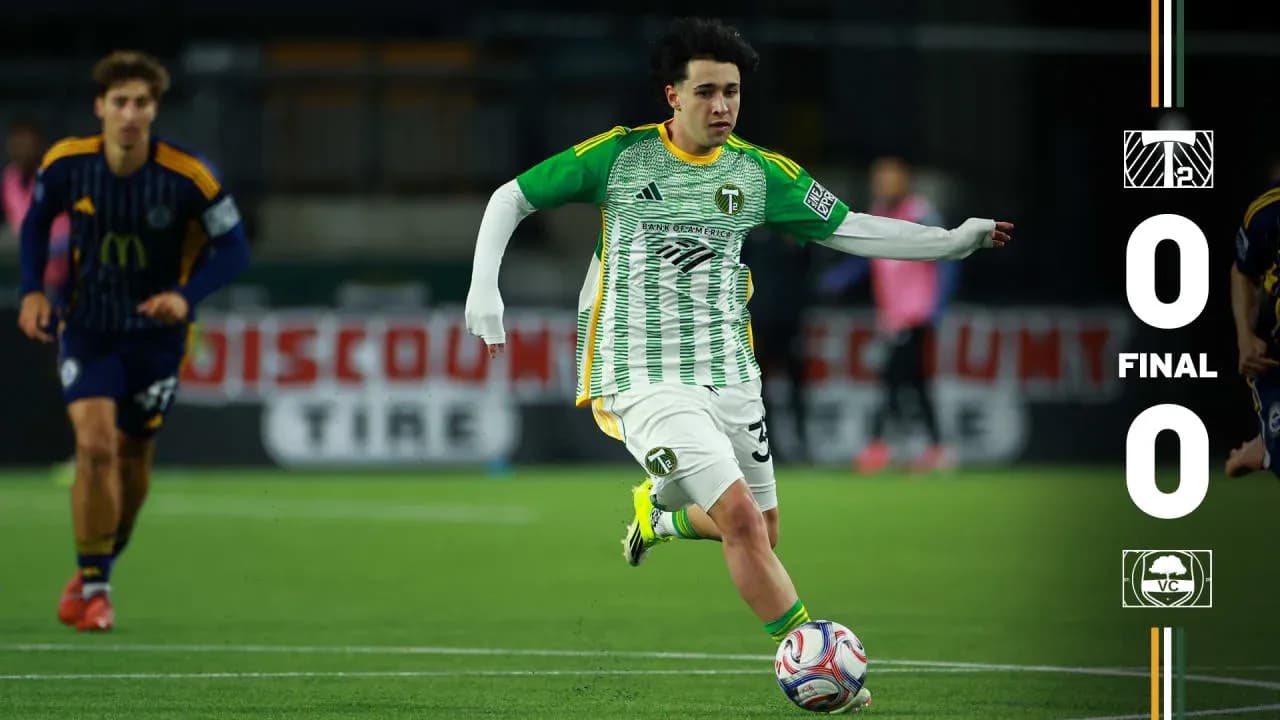
Providence Park under the lights, 120 minutes in the legs, and a penalty shootout that finally tipped Ventura County’s way: this was a group-stage tie in MLS Next Pro that felt far closer to a knockout night. Portland Timbers II and Ventura County traded blows to a 3–3 draw in normal time before the visitors edged it 7–6 on spot-kicks, a result that underlined the contrasting identities of two sides on very different seasonal trajectories.
Heading into this game, the table already framed the narrative. Portland sat 4th in the Pacific Division with 14 points and a goal difference of 0, their overall record finely balanced: 4 wins and 4 losses from 8 league matches, 11 goals scored and 11 conceded. Ventura County arrived as Pacific Division leaders on 19 points, with a goal difference of 3 and a bolder profile: 7 wins and 4 defeats from 11, 19 goals for and 16 against. If Portland’s season to date has been about volatility and narrow margins, Ventura’s has been about front-foot ambition and a willingness to live with the chaos that comes with it.
The statistical DNA only sharpens that contrast. At home, Portland average 1.6 goals for and 1.6 against, a mirror-image that speaks to a side still learning how to control matches at Providence Park. On their travels, they are marginally more conservative going forward at 1.3 goals scored per game, but leak 1.7, suggesting that when stretched they can be picked apart. Ventura County, by contrast, are unapologetically aggressive wherever they play: they average 2.0 goals per game both home and away. Away from home they concede just 1.2 on average, a strong away defensive record for such an attacking outfit.
Jack Cassidy’s lineup for Portland reflected a coach still moulding a young group into a coherent unit. H. Sulte anchored them in goal, with C. Ferguson and A. Bamford part of a back line that had to cope with Ventura’s relentless movement. N. Lund and C. Ondo were key structural pieces, tasked with bridging defence and attack, while E. Izoita and L. Fernandez-Kim gave the midfield some technical security. Higher up, V. Enriquez, D. Cervantes and N. Santos supported the focal point of the narrative: Colin Griffith.
Griffith is an intriguing figure in this story. Listed as Portland’s leading presence across the league’s top scorers, top assists, and disciplinary charts, he is still statistically a blank slate: 1 appearance, 0 goals, 0 assists, and no cards so far. Yet that very emptiness hints at potential rather than limitation. As a 21-year-old forward from Barbados, his inclusion in the starters here signals Cassidy’s intent to build an attacking axis around him, trusting his movement and presence to knit together a frontline that has often looked disjointed. In a match that stretched to 120 minutes and then penalties, his stamina and mentality under pressure would have been as important as any raw numbers.
Ventura County’s XI was built on a different kind of familiarity. B. Scott in goal provided the platform for a side comfortable playing high and wide. The defensive unit of M. Vanney, E. Martinez, Pepe and S. Hernandez had to balance aggression with restraint, aware that Portland’s home profile can punish over-commitment. In midfield, B. Phan and A. Vilamitjana offered industry and verticality, while the attacking line of V. Garcia, D. Vanney, E. Preston and J. Placias embodied the visitors’ attacking philosophy: multiple runners, interchangeable roles, and a willingness to commit numbers into the box.
Tactical Battle
Tactically, the “Hunter vs Shield” battle centred on Ventura’s travelling attack against Portland’s fragile home defence. Ventura average 2.0 goals per game away, with 12 goals scored in 6 road fixtures, while Portland concede 1.6 at home and have only 1 clean sheet at Providence Park in the league. That imbalance was visible in the scoreboard: Ventura twice found ways to carve through, forcing Portland to chase the game from a 2–1 half-time deficit and ultimately drag it to 3–3.
Portland’s own offensive profile suggests they are not a passive side. Overall, they average 1.5 goals per match, with 8 of their 12 league goals coming at home. Their biggest home win, a 2–1, shows they can edge tight contests, and their best attacking output at Providence Park has reached 3 goals. Yet their defensive swings are stark: the heaviest home defeat, 2–3, and a brutal 5–0 away loss in the season’s record book underline how quickly control can evaporate when structure breaks.
The disciplinary patterns add another layer to the tactical picture. Portland’s yellow cards cluster heavily between 61–75 minutes, with 26.32% of their cautions arriving in that spell, and another 21.05% between 76–90. That late-game spike hints at a side that becomes reactive under fatigue, forced into recovery tackles as games open up. Ventura, on the other hand, show a different rhythm: 31.25% of their yellows come in each of the 46–60, 61–75, and 76–90 windows. They ramp up their intensity after half-time and sustain it right through to the final whistle, a trait that fits a team happy to press and counter at pace.
In a match that went the distance, those card rhythms mattered. As legs tired between 61–90 minutes, Portland’s propensity for late challenges would have increased the risk of free-kicks in dangerous areas and disrupted their own attempts to build sustained pressure. Ventura’s disciplined aggression, spread evenly across the second half, allowed them to keep the tempo high and drag the game into the kind of stretched, transitional battle that suits their attacking strengths.
Set Pieces and Penalties
Set pieces and penalties were always likely to loom large. Portland’s season-long record from the spot is impressive but imperfect: 8 penalties scored from 9, an 88.89% conversion rate, but crucially with 1 miss. That single failure matters psychologically when a match heads to a shootout; the aura of inevitability is gone. Ventura, by contrast, came into the night with a spotless record: 1 penalty taken, 1 scored, a 100.00% return. It is a small sample, but it speaks to a group that has so far been clinical when the ball is placed on the spot.
In the end, that marginal edge in ruthlessness told. After 120 minutes that showcased Portland’s resilience and Ventura’s attacking conviction, the shootout became a compressed version of their seasonal identities. Portland, whose campaign has been defined by fine margins and occasional lapses, blinked once. Ventura, the division leaders with a habit of outscoring their problems, held their nerve to win 7–6.
Conclusion
Following this result, the tactical verdict is clear. Portland Timbers II have the raw tools to compete with the league’s best – a promising focal point in Colin Griffith, a home attack capable of hitting 3 goals, and a penalty unit that is generally reliable. But their defensive volatility and late-game disciplinary spikes remain critical flaws. Ventura County leave Providence Park with more than just progression from a gruelling group-stage epic; they carry further proof that their high-octane, risk-embracing football can survive even the longest nights, and that when the lights are brightest, they trust their attacking instincts and their nerve from 12 yards to carry them through.