England's World Cup Exit: Tuchel Still in Charge
England’s World Cup dream died in Atlanta, but Thomas Tuchel’s job has not gone with it.
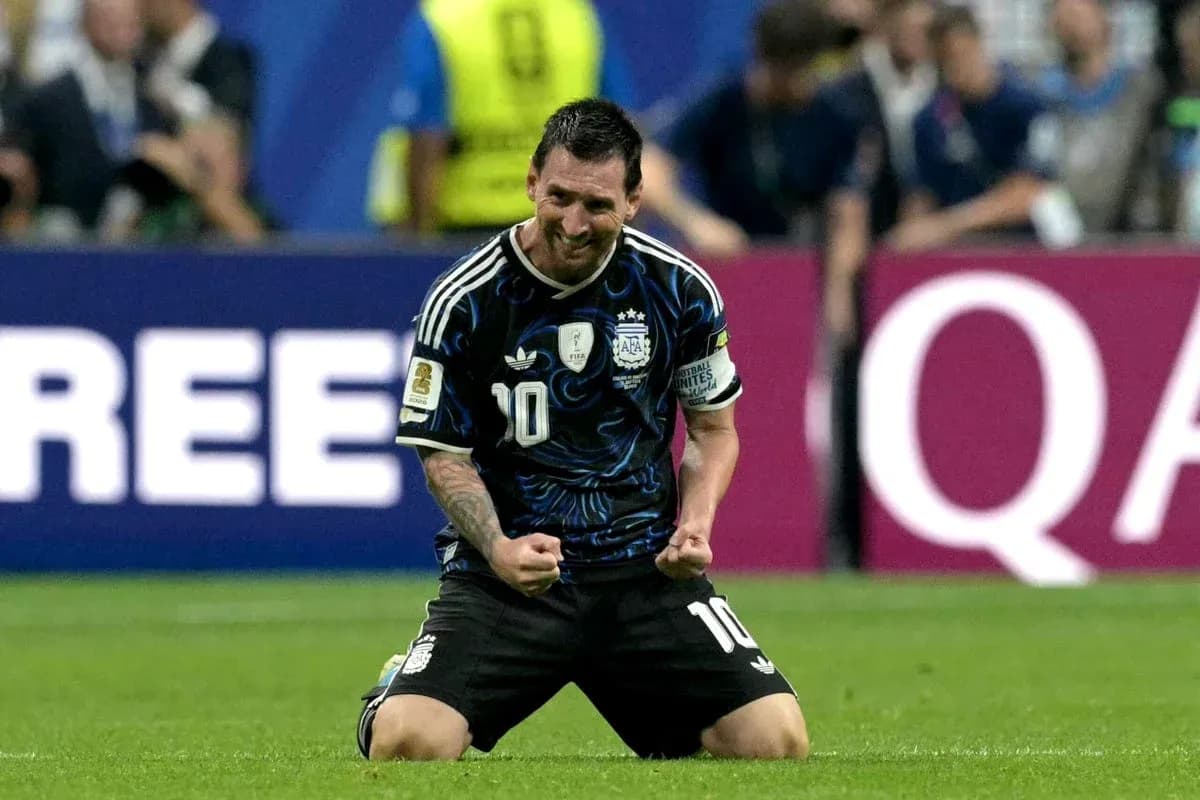
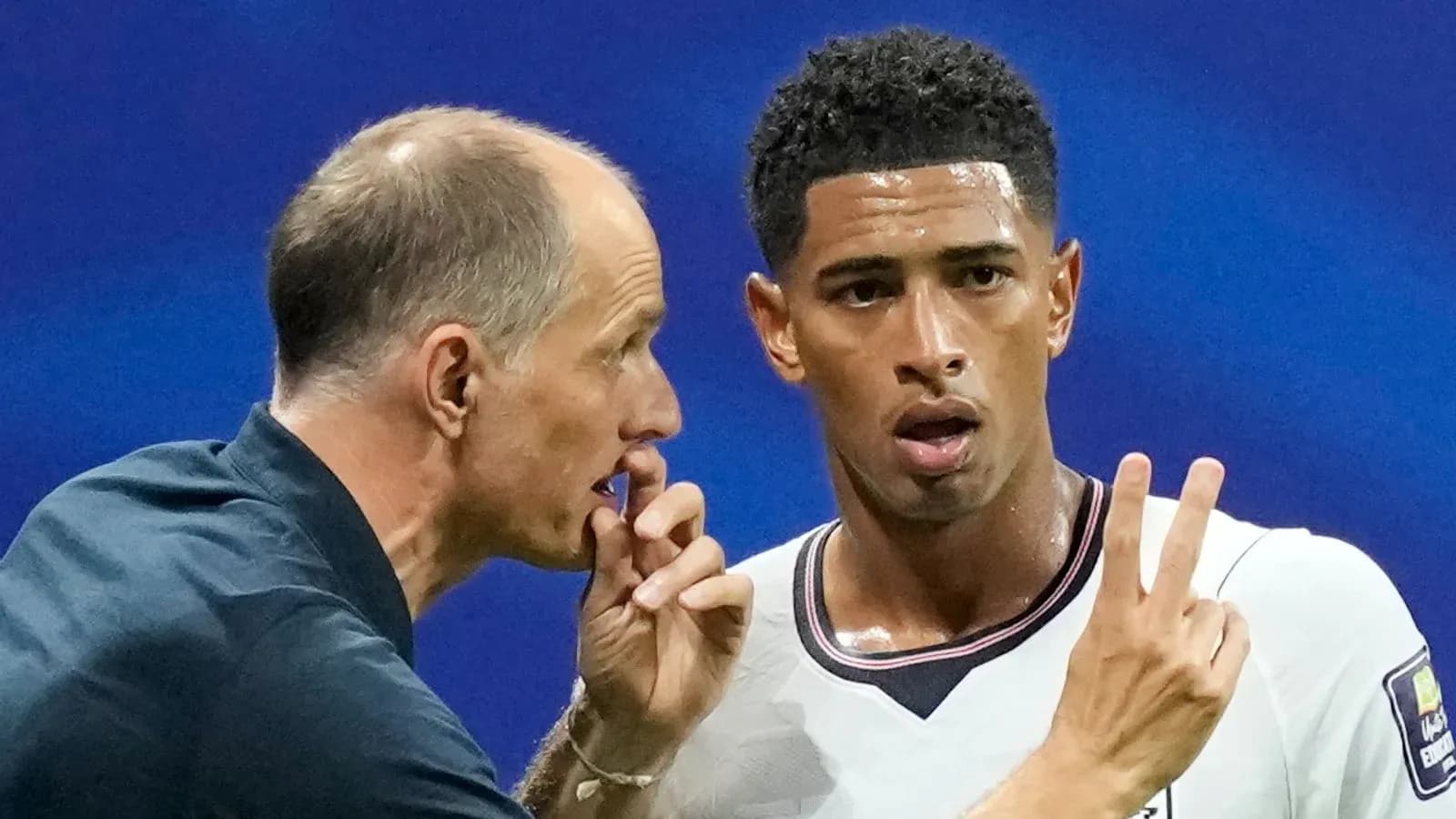
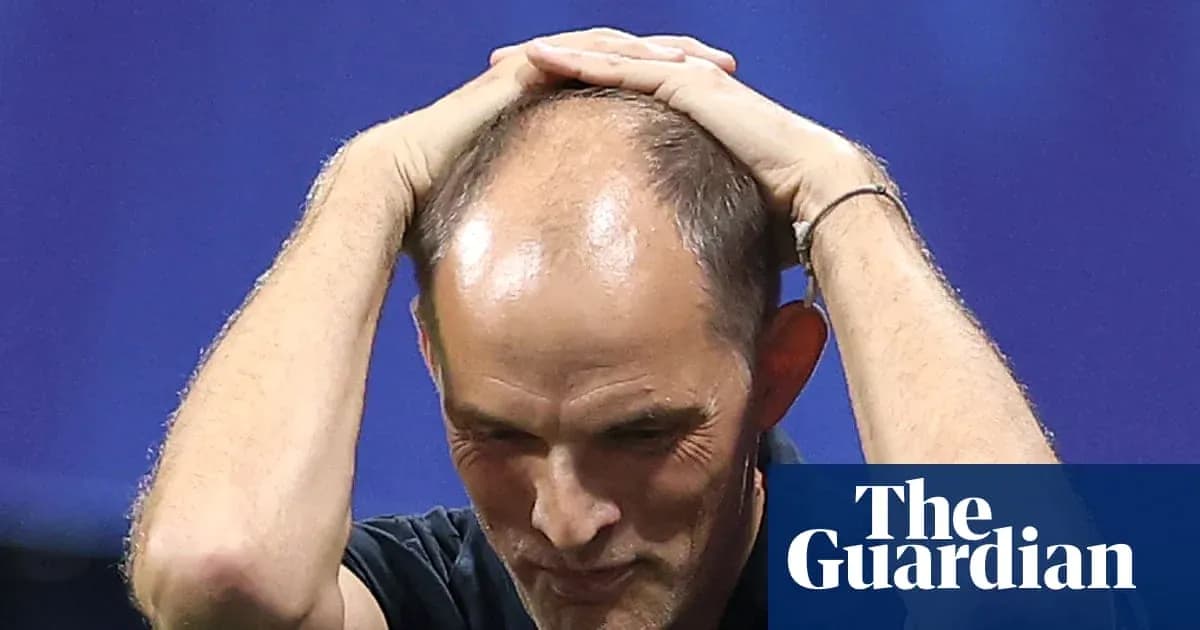
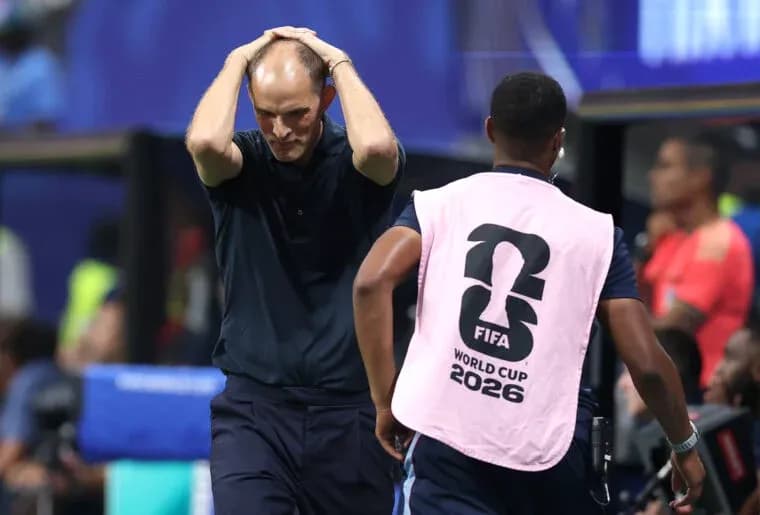
A 2-1 defeat to Argentina on Wednesday at the Atlanta Stadium ended hopes of a place in the final and triggered a familiar inquest into England’s big‑tournament mentality. This time, though, the spotlight fell squarely on the manager.
Tuchel under fire, but still in favour
Anthony Gordon’s 55th-minute strike had England within touching distance of the World Cup final. They had the lead, the momentum, and a nation daring to believe.
Then came the turn.
Tuchel, so often praised for tactical boldness at club level, chose caution. England dropped deeper, lines compressed, attacking ambition dialled down. Argentina grew. The game tilted. When the comeback arrived, it felt less like a shock and more like the inevitable outcome of an invitation.
Fans and pundits did not hold back. The German was hammered for what many saw as an unnecessarily defensive approach just when Argentina were reeling. A semi-final lead, surrendered. Another near-miss for a generation told they were ready to dominate.
Yet while the noise around him has grown, Tuchel’s position remains intact.
According to BBC Sport, the Football Association continues to back the 52-year-old and expects him to lead England into Euro 2028. Internally, there is no sense of panic, no appetite for another reset. The message is continuity.
Tuchel was appointed in January 2025 on a deal initially designed to carry him through this World Cup cycle. That plan hardened in February when he signed a two-year extension, tying him to the job until Euro 2028. One bad night in Atlanta is not enough to rip that up.
A campaign that promised more
The frustration cuts deeper because England arrived at this World Cup as one of the leading contenders and, for long stretches, looked the part.
They opened with a statement. Croatia were swept aside 4-2, a scoreline that flattered the beaten side as England attacked with freedom and swagger. It felt like a release, a confirmation that the hype had substance.
The group stage then became more of a grind. Performances against Ghana and Panama lacked the same fluency, the same edge. Questions surfaced about balance, tempo, control. Yet they did enough, and once the knockouts began, the tournament seemed to sharpen them.
DR Congo were dispatched, the job done with a professionalism that suggested a team settling into the rhythm of tournament football. Then came Mexico at the Estadio Azteca, where England produced what many will remember as the high point of Tuchel’s tenure so far – a tactical and technical masterclass that silenced a ferocious crowd and sent belief surging again.
Norway posed another awkward test, but England handled it with authority. They looked hardened, streetwise, a side learning to manage moments rather than be consumed by them.
All of which made Atlanta feel like a brutal twist. When Gordon struck on 55 minutes against Argentina, England seemed to be marching towards the final in exactly the way a mature tournament team should: patient, disciplined, then ruthless when the opening came.
Instead, the night will be filed alongside a long list of English what-ifs.
Eyes on Euro 2028
The FA, though, is looking ahead, not back. Tuchel has time, and now he has a clear mandate: turn promise into a trophy on home soil at Euro 2028.
England’s World Cup run showed both sides of this team – the exhilarating peak against Mexico, the control against Norway, and the conservatism that cost them against Argentina. The raw material is there. So is the manager.
The question now is simple: can Tuchel turn the pain of Atlanta into the edge England have always lacked when it matters most?