Thomas Tuchel's Gamble in England's World Cup Semi-Final
Thomas Tuchel walked into this World Cup as England’s gambler-in-chief. He picked a squad few others would have dared to assemble, rode out a backs-to-the-wall win over Mexico, and started Morgan Rogers in a semi-final on what he called “a feeling from the coach”.
For 70 minutes against Argentina, the bets looked inspired. Then one more roll of the dice toppled the whole stack.
A bold plan that was working
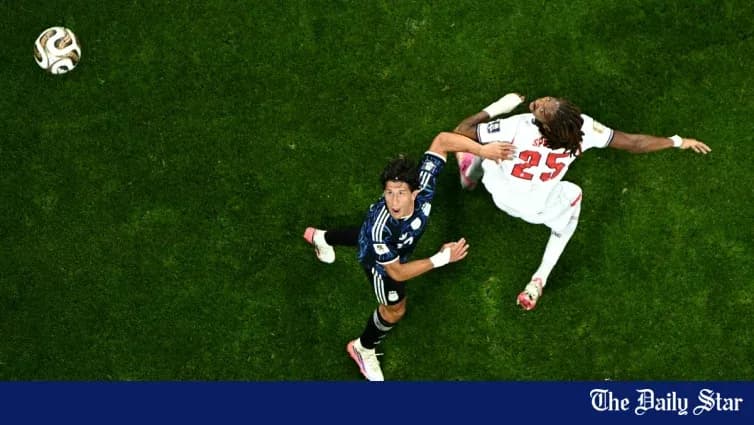
The script felt familiar but thrilling. England, so often tense and tentative on this stage, stepped into the semi-final with intent. Rogers justified his selection with the kind of fearless running and sharp decision-making that has marked his rise. Anthony Gordon, another of Tuchel’s big calls, finished off Rogers’ cross to give England the lead and, briefly, a sense of destiny.
It was the perfect vindication. Tuchel’s instinct. Gordon’s timing. Rogers’ delivery. A World Cup final within reach.
Then the clock ticked past 70 minutes.
The turning point
On 71 minutes, the game turned with a single substitution. Ezri Konsa came on, Gordon went off, and England retreated into a back five against the reigning world champions.
It is easy to savage the decision now. It felt just as fraught in real time.
The numbers tell a story England fans know too well. They have now scored first in seven of the 13 knockout games they have lost in the last 30 years. They are the only team this century to take the lead in a World Cup semi-final and still fail to reach the final. They have now managed that unwanted feat twice.
The pattern returned with a grim inevitability. After Gordon’s goal, England had only 17 per cent of the ball and managed just nine touches in Argentina’s half in the following 15 minutes. The freeze had already begun. Yet Argentina, aside from a Nico Gonzalez header, still had not truly tested Jordan Pickford.
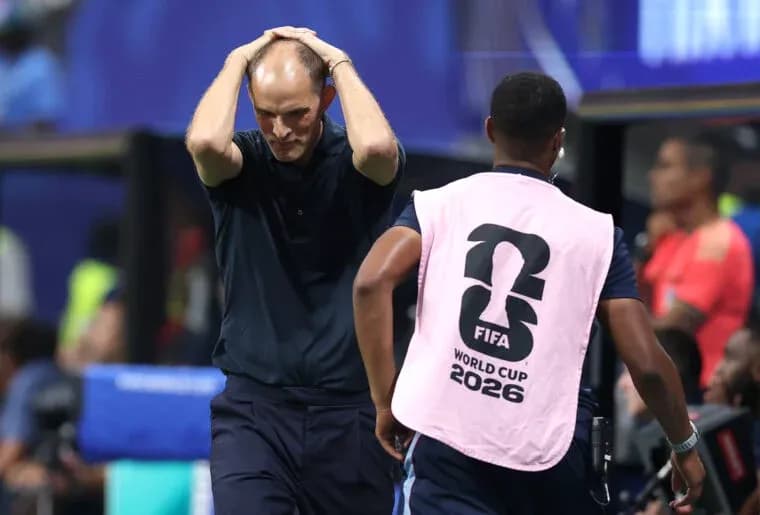
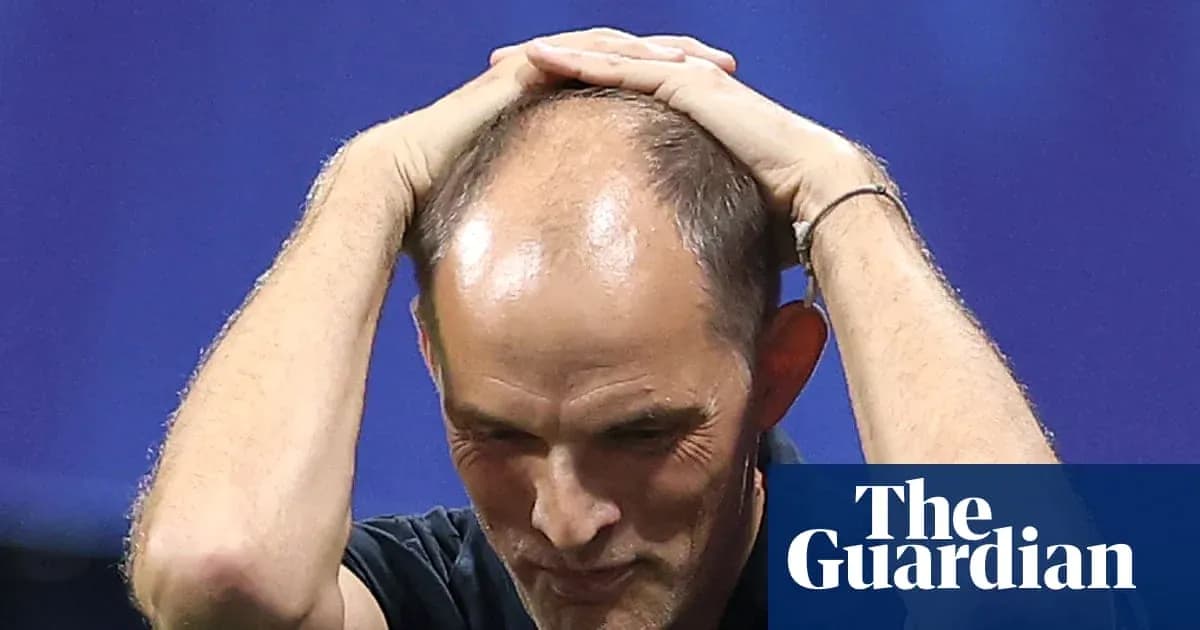
Tuchel blinked first.
Retreat and regret
By bringing on Konsa and shifting to a back five, England did not just invite pressure. They stripped away their most direct outlet. Gordon, who stretched Argentina and offered a release valve, was gone. Rogers, pushed inside to operate behind Harry Kane alongside Jude Bellingham, vanished from the contest. Between the change of shape and Lautaro Martinez’s winner, he had a single touch.
Across those 21 minutes, England’s possession collapsed to 7.2 per cent. Eight touches in the opposition half. No crosses. No threat. No way out.
The logic, on paper, was familiar Tuchel: Djed Spence and Reece James as aggressive wing-backs in a 3-4-3, stepping high, breaking lines, turning defence into counter-attack. On the pitch, it never materialised. Between them, James and Spence touched the ball once in Argentina’s half for the remainder of the game.
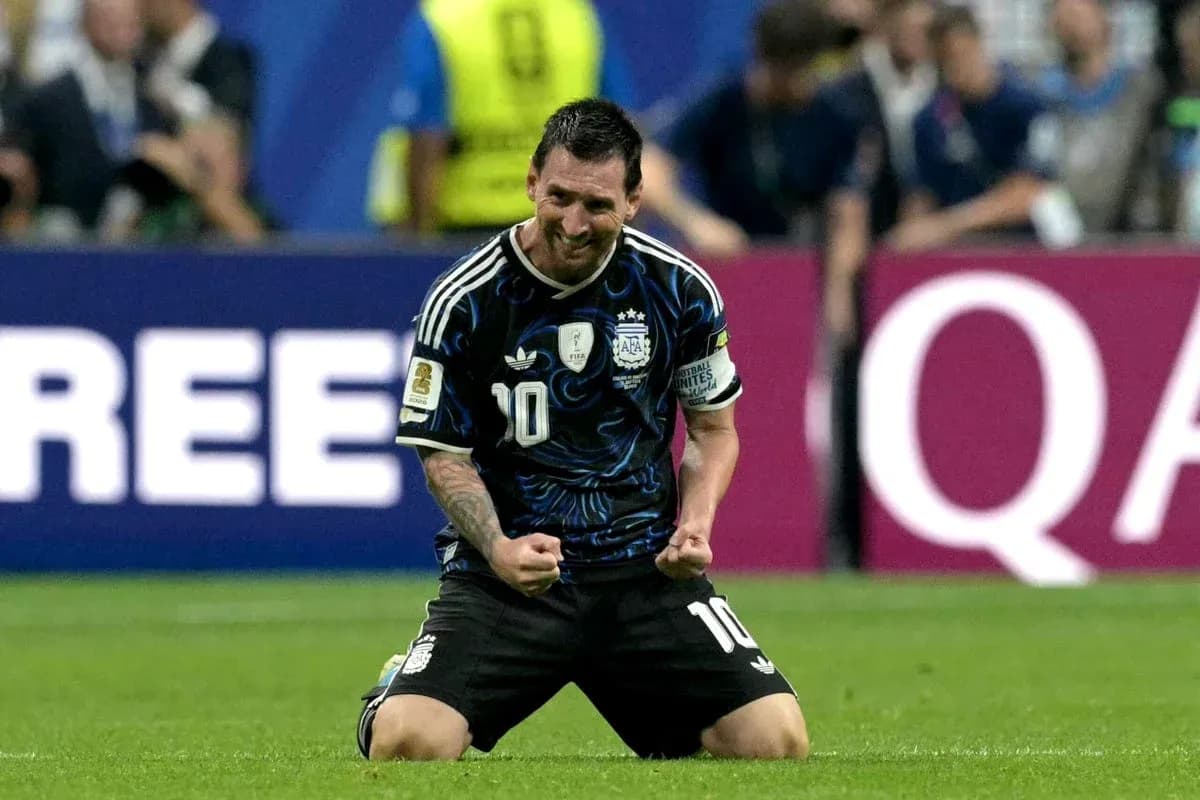
Instead of springing forward, England sank. They gave the ball back, again and again, to a side containing the greatest player of all time, desperate to get on it. Lionel Messi did not need a second invitation.
Wave after wave of Argentina attacks followed Konsa’s introduction. England could not keep the ball, could not clear their heads. Konsa, brought on to steady the ship, never won possession back once. He lost it five times.
A coach who did not change course
Tuchel has built much of his reputation on in-game clarity. He has often recognised when a plan is failing and had the nerve to tear it up mid-match.
Not here.
As Argentina’s grip tightened, England’s head coach stayed locked in his initial reaction. He sent on Dan Burn and Nico O’Reilly, but resisted any real attacking gamble when it was obvious the tide was running only one way. The script cried out for pace, for a runner in behind, for something to drag Argentina’s back line towards their own goal.
Nothing came.
Perhaps the win over Mexico lingered too strongly in his mind. Ten men. Deep block. Defiance in the Azteca. That night, England had survived an aerial barrage from a side happy to swing cross after cross into the area. Argentina, with Messi conducting and technicians all over the pitch, were never going to play that game.
They didn’t. Messi stepped into the pockets England had surrendered, and he made them pay, turning provider for both goals. The punishment felt inevitable once England chose to stand on their own six-yard line and hope.
Old problems, new face
Tuchel was hired to push England beyond the plateau of the Gareth Southgate era. Under Southgate, England largely beat who they were supposed to beat and faltered when cast as underdogs. Tuchel was meant to break that ceiling, to give this generation the tactical edge in the biggest moments.
On this evidence, that barrier remains.
There were flashes during this tournament that suggested something different. The rousing half-time team talk against Croatia. The bold attacking changes that flipped that game. The precise, late defensive adjustment at the Azteca that saw off Mexico. Those moments hinted that Tuchel’s in-game management might be the missing ingredient Southgate never quite found.
He has already vowed to see out his two-year contract extension, with Euro 2028 on the horizon. There is still time to reshape this story.
For now, though, the defining image is stark: England a goal up in a World Cup semi-final, their coach rolling the dice one time too many, and a team promised a braver future slipping back into the very defence-first shell he had sworn to leave behind.