Argentina's Dramatic Comeback Against England in World Cup Semifinal
They may need to check the foundations of the Mercedes-Benz Stadium.
When Lautaro Martinez’s 92nd-minute header screamed past Jordan Pickford and ripped into the net, the sound from the Albiceleste end was less a celebration and more an eruption. Concrete shook. Voices cracked. A World Cup final place, snatched at the death, sent Argentina into a frenzy and England into stunned silence.
Argentina are back in the World Cup final after a breathless, savage 2-1 comeback win over England in Atlanta. It was not neat. It was not controlled. It was warfare.
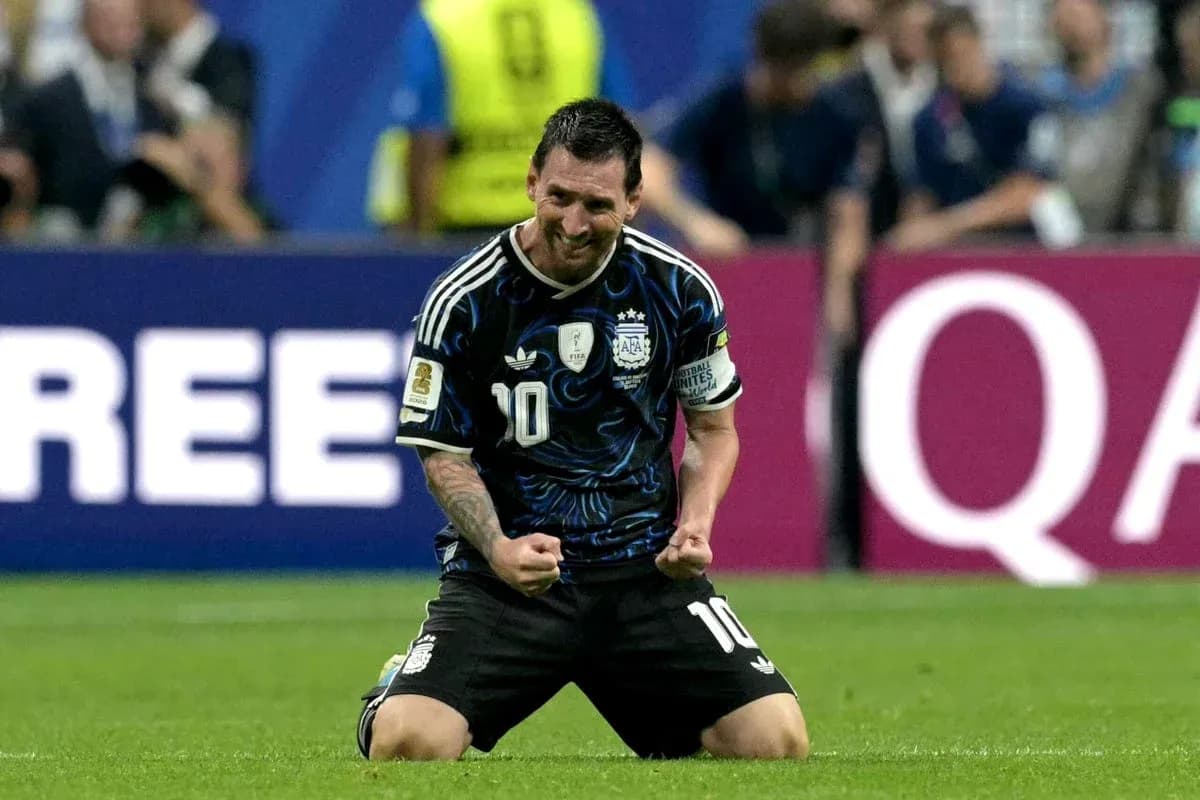
At the centre of it all, inevitably, stood Lionel Messi. Thirty-nine years old and still the gravitational force of every game he touches. He slipped the pass for Enzo Fernandez’s thunderous 85th-minute equaliser, then delivered the decisive ball for Lautaro’s winner. Two moments of clarity in a match that felt like it was being played inside a storm.
Yet this night will be remembered for more than Messi’s enduring genius. It will be remembered for Argentina abandoning caution and embracing chaos.
Scaloni tears up the script
For weeks, the defending champions had been accused of drifting through the tournament. Second gear. Heavy legs. Late magic masking sluggish performances. In Atlanta, Lionel Scaloni ripped that version of his team to pieces.
He picked a side built to scrap.
The biggest jolt came when the team sheet dropped. One surname detonated on English screens: Simeone. Memories of Saint-Etienne ’98 resurfaced instantly, when Diego Simeone’s dark arts helped get David Beckham sent off and deepened an already bitter rivalry.
This time, the tormentor-in-chief was not the Atletico Madrid coach, but his 23-year-old son. Giuliano Simeone, handed a shock start, walked into the cauldron as if born for it. Before the ball even rolled, the symbolism alone felt like a punch to England’s gut.
Once the whistle went, he turned the game into a personal crusade.
Giuliano’s war
Argentina didn’t just press. They swarmed. Enzo Fernandez, Alexis Mac Allister, Leandro Paredes, Nicolas Tagliafico – all hurled themselves into tackles and counters, turning every loose ball into a brawl.
Giuliano Simeone operated on another frequency entirely.
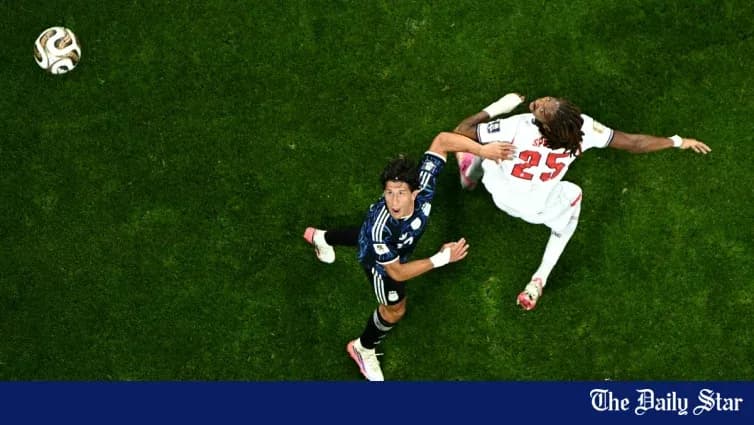
On the right flank, in tandem with Nahuel Molina and with his Atletico teammate Julian Alvarez ahead of him, Simeone ran as if the match owed him something. He chased everything. He harried England’s left side until it frayed, stretching the pitch, forcing defenders to turn and sprint towards their own goal again and again.
His game pulsed with a frantic intensity. That energy spread. Teammates fed off it; England grew sick of it. Three years on from a horrific leg fracture that could have ended his career, he played like a man convinced he had been spared for this exact night.
His relentless pressing did more than just win territory. It bought Messi time and space, dragging white shirts away from central areas, carving out pockets for the captain to glide into and probe. Simeone became the shield; Messi, the blade.
England strike, Argentina double down
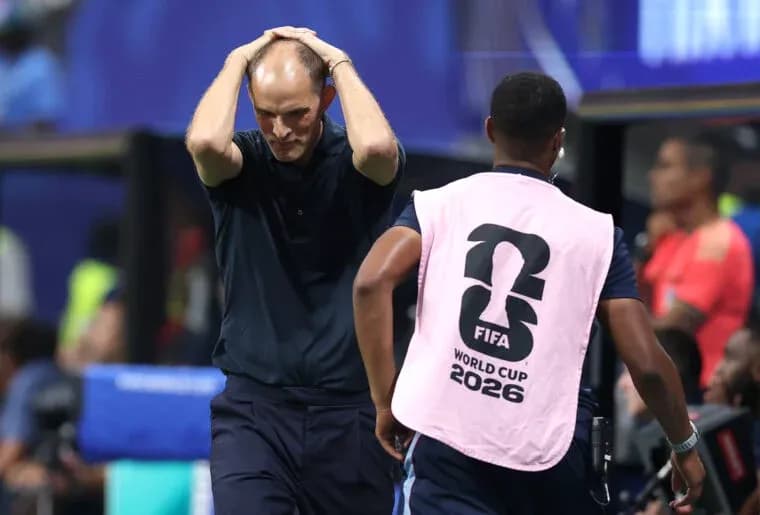
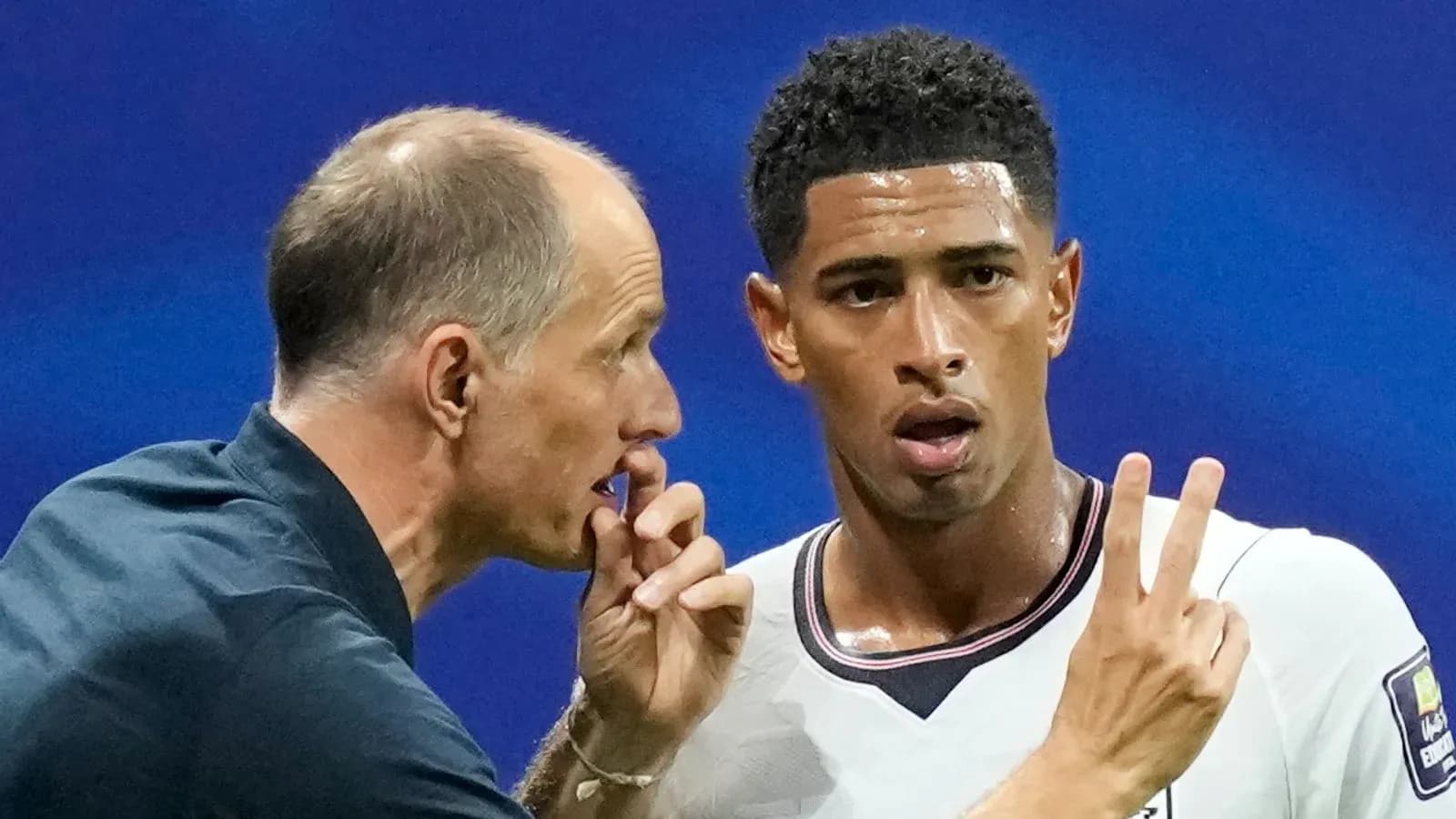
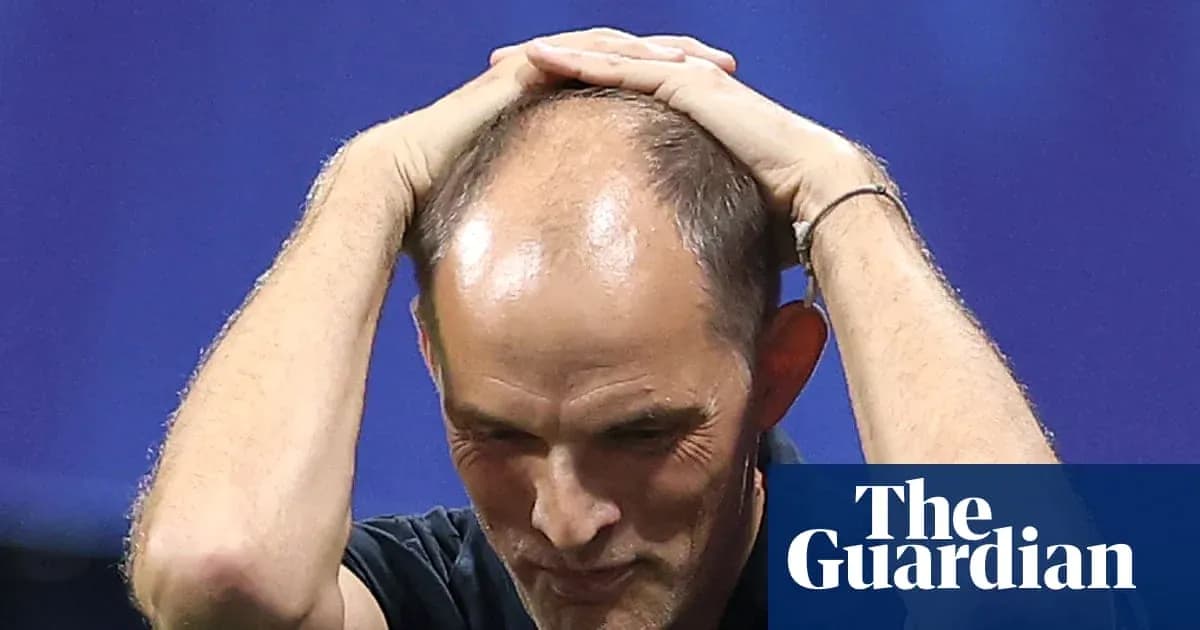
For all that Argentine fury, England landed the first clean blow. In the 55th minute, Anthony Gordon broke the deadlock, and Thomas Tuchel’s side reacted by slamming the shutters down. Lines dropped. Bodies behind the ball. Every clearance cheered as if it were a goal.
For a while, it worked. Argentina’s attacks grew rushed, the clock became a rival, and the English bench began to believe.
Scaloni read a different picture.
He saw that the first phase of the battle – the running, the pressing, the psychological grind – had taken its toll. Giuliano Simeone, after spending over an hour turning the match into a street fight, had emptied the tank. On 73 minutes, the coach made the call.
Off came Simeone, having racked up four ball recoveries – the second joint-highest among Argentines on the pitch – and on came Rodrigo De Paul.
The substitution carried its own poetry. De Paul, once Diego Simeone’s warrior at Atletico, had built his reputation on the same combative edge Giuliano had just showcased. Now at Inter Miami alongside Messi, he stepped into a game shaped by the son of his former manager, replacing the very player who had taken his starting spot.
De Paul immediately mirrored the tone. He matched Simeone’s four ball recoveries in a frantic cameo, nearly curling in an assist of his own. Fresh legs, same ferocity. Argentina did not ease off; they sharpened.
Enzo, Lautaro, and the collapse of England’s resistance
The pressure finally snapped England’s resistance.
On 85 minutes, Enzo Fernandez unleashed a rocket. Messi found him, and the midfielder did the rest, lashing the ball beyond Pickford and detonating a wave of blue and white noise. The equaliser didn’t just level the score; it shifted the ground beneath England’s feet.
Argentina smelled blood.
They pinned Tuchel’s side back, every clearance coming straight back at the white shirts. England tried to hang on, tried to drag the tie to extra time, but the momentum had turned terminally.
Deep into stoppage time, Messi once again took control of the script. Another precise delivery, another flash of movement, and Lautaro Martinez rose to meet it. His header flew past Pickford in the 92nd minute, the final, brutal twist in a semifinal that had become pure drama.
The stadium erupted. On the touchline, Scaloni and his staff lost all composure. On the pitch, Argentina’s players disappeared under a pile of bodies. England’s players sank into the turf, staring into space. There was no way back.
A rivalry that never cools
Argentina and England have never needed much to ignite a feud. The history runs deeper than football – from the Falklands (Las Malvinas) conflict of 1982 to decades of political tension and sporting flashpoints, this fixture always carries more weight than a simple semifinal.
Nights like this pour more fuel on that fire.
Argentina did not come back from the dead by waiting for fate to intervene. They refused to coast. They refused to drift. They ran, fought, and clawed until the game bent to their will.
Messi will own the headlines, as he so often does. A 39-year-old orchestrating yet another route to a World Cup final is a story that writes itself.
But buried inside that narrative, etched into Argentine memory, will be the image of Giuliano Simeone – the rookie starter with a famous surname, who spent 73 minutes playing as if his career depended on every duel.
On this night of chaos and catharsis in Atlanta, he didn’t just earn his place. He ran his way into Argentine folklore.