Brazil VAR Controversy Escalates as CBF Targets Referee Ramos
The spark came in the 21st minute, and it lit up far more than a group-stage game.
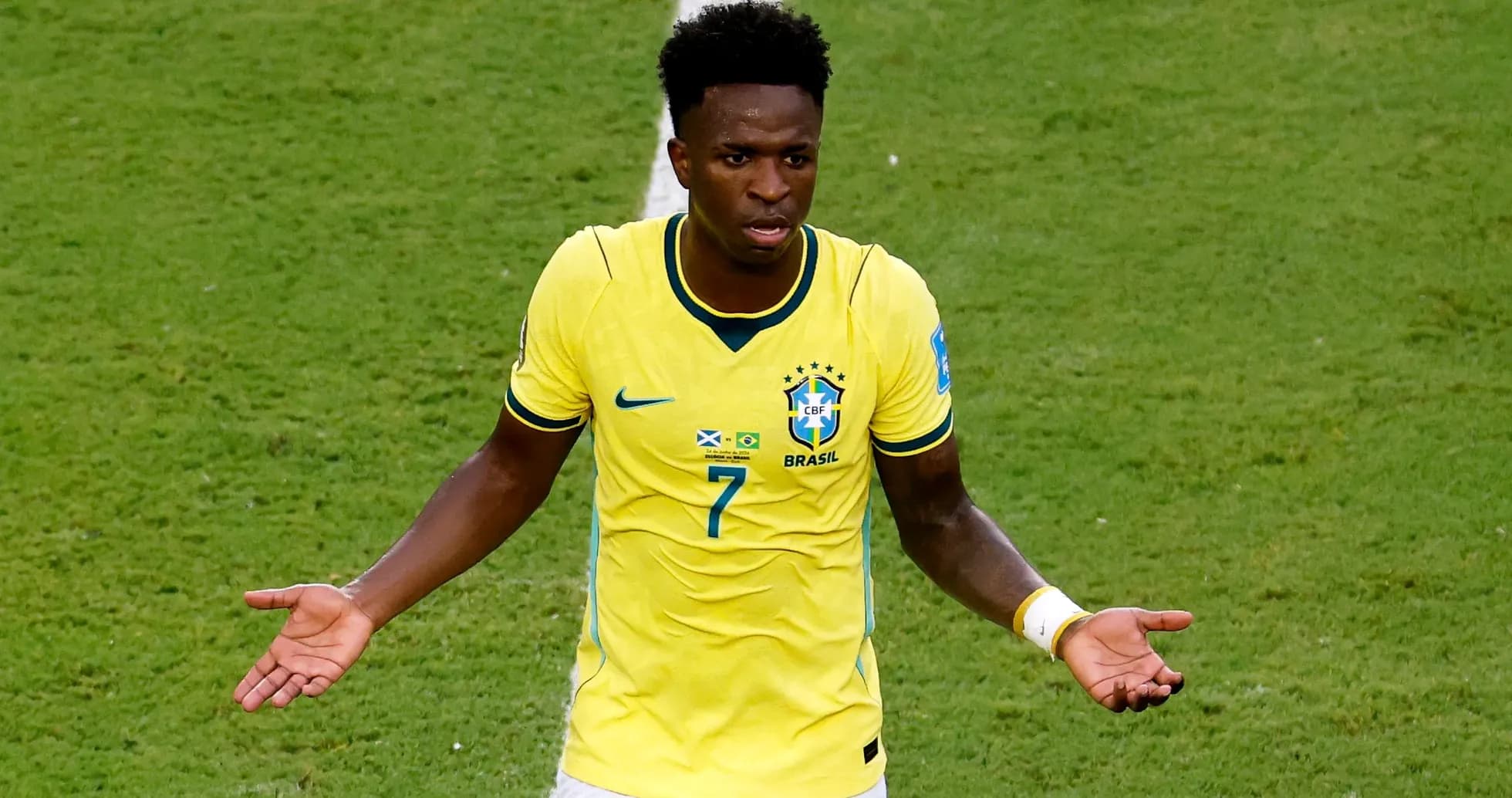
Brazil were already 1–0 up on Scotland, Vinicius Jr having done what Vinicius Jr does: early strike, early control. Then came the moment that has now moved from the grass to the corridors of power.
Jack Hendry hesitated, Vinicius did not. The Real Madrid forward stripped the defender, glided through and slipped the ball past Angus Gunn with the kind of composure that makes goals feel inevitable. Cesar Ramos pointed to the centre circle. Brazil celebrated. Job, it seemed, was almost done.
Then the familiar pause. The screen check. VAR.
The goal was wiped out for a foul in the build-up, the kind of contact that divides a sport and, in this case, an entire federation from the officials charged with policing its biggest stage.
On the Brazil bench, fury. Carlo Ancelotti’s staff raged at what they saw as a soft call, nowhere near the “clear and obvious” bar that is supposed to protect the flow of the game from forensic overreach. On the pitch, players stared in disbelief. The mood of a comfortable group finale had turned into something far more combustible.
It has not cooled since.
CBF Takes the Fight to FIFA
CBF president Samir Xaud has moved the dispute out of the technical area and straight onto FIFA’s desk. In a formal letter to Gianni Infantino, the Brazilian federation has demanded answers on what it views as erratic, inconsistent officiating across the tournament.
They went further than a simple complaint. The CBF has explicitly requested that Mexican referee Cesar Ramos be removed from future Brazil assignments in North America, arguing he should never have been appointed to this match in the first place.
Their case leans on history. In documents cited by Brazilian outlet Estadao, the federation points back to a 2018 World Cup group game against Switzerland, a match they still feel was shaped by two major non-calls: a penalty they believe should have been awarded and a foul in the build-up to the Swiss equaliser. That, they argue, formed a “negative history” with Ramos that FIFA ignored.
For Brazil’s leadership, this isn’t just about one disallowed goal in a deadlock-free group finale. It’s about what they see as a pattern.
Using Messi to Make the Point
In an intriguing twist, Brazil’s case leans on the name that has tormented them most over the last two decades: Lionel Messi.
The CBF letter highlights a Messi goal for Argentina against Austria earlier in the tournament, drawing a direct comparison between the physical duels allowed in that build-up and the contact punished in Vinicius Jr’s disallowed strike. If those challenges are acceptable for one heavyweight, Brazil argue, why are they being flagged for another?
To drive the point home, the document notes that the decision against Scotland “seemed unexpected not only for the Brazilian team, but also for the Scottish players,” pointing to their immediate reactions as evidence that no one on the pitch anticipated a review, let alone an annulment.
The message is clear: in Brazil’s eyes, this is not about interpretation, it’s about double standards.
Ancelotti Blocks Out the Noise
While the federation wages its battle in writing, Carlo Ancelotti has little choice but to keep his focus on the next 90 minutes, not the last 21.
On the field, Brazil did what they needed to do. Vinicius Jr scored again later in the match, this time with no intervention from the booth. Matheus Cunha added a third. The Selecao cruised to the top of Group C, the scoreline reflecting the dominance the disallowed goal had briefly threatened to distort.
Ancelotti, as ever, cut a measured figure when the final whistle went and the questions turned from tactics to technology.
“Now we are playing as a team, that is the goal. We are not perfect, we have things to improve. We can be a little quicker when we have control,” he said, before pivoting to what matters most in tournament football. “I’m happy because the team has improved a lot, now we are solid. In the knockout stage, solidity is very important. We have a solid team. Compared to the first game, we are making fewer mistakes, we have more rhythm, and we are more effective up front.”
It was a manager’s response: acknowledge the storm, then walk straight through it.
Japan Await as the Temperature Rises
Next stop is Houston and a round of 32 meeting with Japan, a fixture that offers its own tactical puzzles and physical demands. Brazil arrive with rhythm, goals and, in Ancelotti’s words, growing solidity.
They also arrive with a simmering sense of injustice and a federation that has drawn a line in the sand over who should be allowed to referee them and how.
On the pitch, Brazil look increasingly like themselves. Off it, they have made it clear they will not quietly accept what they see as another chapter in a long-running story with Cesar Ramos and VAR.
The knockout stage will test more than their composure in front of goal. It will test their composure in the face of the next big decision.