Understanding the World Cup Golden Boot: Rules, History, and Other Awards for 2026
What Is the World Cup Golden Boot?
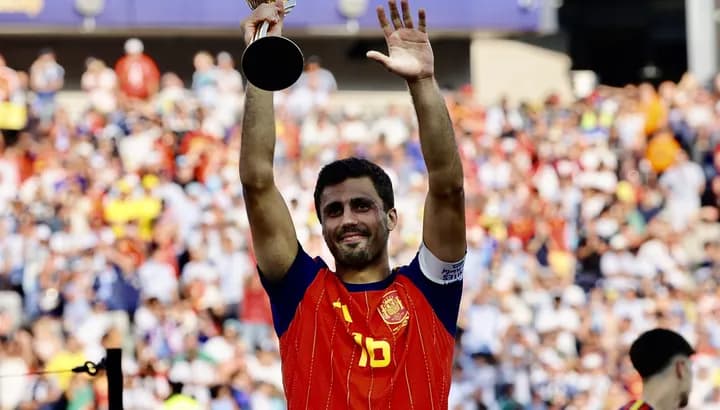
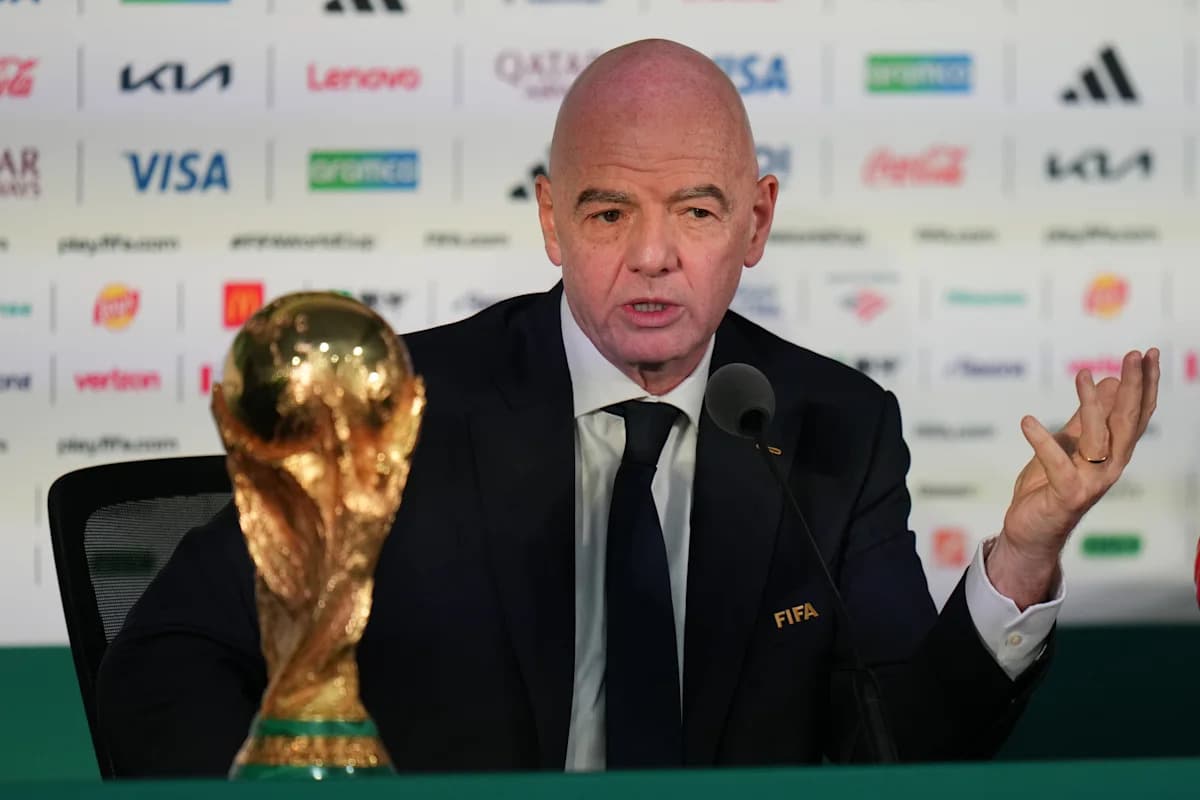
The Golden Boot is given to the top scorer at every FIFA World Cup. First introduced as the Golden Shoe in 1982, it was renamed the Golden Boot in 2010. This award honors the player who scores the most goals throughout the entire tournament, including group and knockout stages.
Many legendary players have won this award, such as Ronaldo, Miroslav Klose, James Rodriguez, Harry Kane, and Kylian Mbappe. The 2026 World Cup, which will be hosted across the United States, Canada, and Mexico, will feature an expanded format with 48 teams and 104 matches, offering even more chances for players to climb the scoring charts.
Tiebreaker Rules for the Golden Boot
If two or more players end up with the same number of goals, FIFA applies specific criteria to decide the winner:
- Most assists
- Fewest minutes played
Basically, if players are tied on goals, the one with more assists takes the prize. Should they also match on assists, the player who took fewer minutes to achieve their tally wins. Goals matter most, but assists and playing time can tip the scales.
Other Awards at the World Cup
The Golden Boot isn't the only individual prize handed out at the World Cup. Here are some others:
- Golden Ball: Awarded to the best overall player, chosen based on impact and performance throughout the tournament.
- Golden Glove: Given to the top goalkeeper, recognizing the standout shot-stopper.
- FIFA Young Player Award: Honors the best young talent aged 21 or under at the start of the tournament year.
- FIFA Fair Play Trophy: Goes to the team demonstrating the best discipline and fair play, but only teams that move past the group stage qualify.