Spain's Tactical Mastery Secures Second World Cup Title in 2026
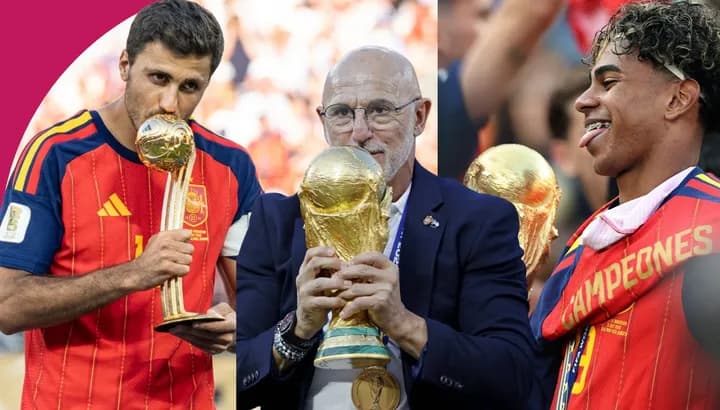
Spain claimed their second FIFA World Cup crown by defeating Argentina 1-0 in extra time at the New York New Jersey Stadium. Ferran Torres scored the winning goal in the 106th minute, sealing an unbeaten run through the tournament.
A Journey of Control and Resilience
Under coach Luis de la Fuente, Spain demonstrated a style that blended technical skill with directness and adaptability. This approach helped them dominate possession while denying opponents space and chances. Unlike the 2010 side known for relentless passing, this team balanced flair with pragmatic tactics.
Group Stage Performance
- Cabo Verde: 0-0 draw
- Saudi Arabia: 4-0 win
- Uruguay: 1-0 win
Spain topped Group H without losing a match, steadily building momentum as the competition progressed.
Knockout Phase Results
- Round of 32: 3-0 victory over Austria
- Round of 16: Narrow 1-0 win against Portugal
- Quarter-finals: 2-1 triumph over Belgium
- Semi-finals: 2-0 win versus France
- Final: 1-0 extra-time victory over Argentina
Four major football powers fell to Spain's consistent tactical discipline without sacrificing their core principles.
Defensive Solidity as a Cornerstone
Spain conceded only one goal across eight matches, maintaining seven clean sheets. Their defence operated with compactness and coordination rather than sitting deep. Midfield anchor Rodri shielded the back line effectively, while goalkeeper Unai Simon made crucial saves when tested. Young defender Pau Cubarsi impressed with composure and maturity beyond his years.
Possession With Intent
Spain held about 65 percent possession in the final, controlling the game's rhythm. They used the ball not just to attack but also to prevent counters, patiently moving opponents out of position before exploiting spaces. This calculated possession disrupted Argentina's flow and created more shots on target.
De la Fuente's Modernized Spain
The coach avoided replicating past teams, instead evolving Spain's identity. His squad combined technical prowess with quicker transitions and vertical attacks when chances arose. Trusting younger talents allowed the team to maintain intensity throughout the tournament, following successes in the European Championship and UEFA Nations League.
Emerging Stars
- Lamine Yamal: Pace and creativity stretching defences
- Pedri and Gavi: Intelligent and skilled midfield presence
- Alex Baena: Speed and directness from wide areas
- Pau Cubarsi: Breakthrough defensive performer
Rodri’s Quiet Command
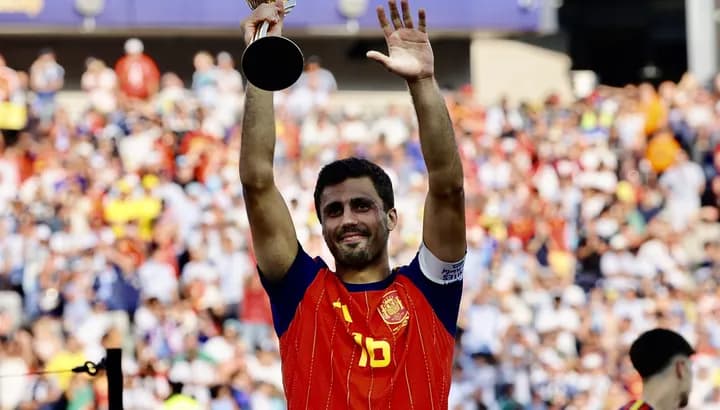
While forwards provided the highlights, Rodri was central to Spain’s control. His positioning, recovery, tempo setting, and linking play earned him the tournament’s Golden Ball as its standout player.
Adapting to Challenges
Every knockout match demanded a unique plan. Spain showed patience against Portugal, managed transitions carefully versus Belgium, and tightened defence against France. In the final, they dominated possession and remained disciplined until Torres’ decisive strike. It wasn’t the highest-scoring performance but arguably the most complete display.
Statistical Dominance
- Record: 7 wins, 1 draw, unbeaten
- Goals scored: 14
- Goals conceded: 1
- Clean sheets: 7
- Highest expected goals (xG): tournament leader
- Strong defensive expected goals against (xGA): among best
A New Era in Spanish Football
This victory stands alongside the 2010 triumph but with notable differences. Both teams valued technical skill and teamwork, yet the 2026 side incorporated tactical flexibility, stronger defence, and varied attack. Their ability to control games set them apart and secured Spain's place atop the world once more.