USA vs Belgium Tactical Analysis: A 4-1 Defeat
USA’s 4-3-3 against Belgium’s 4-2-3-1 produced a match where structural ideas were clear, but the execution levels sharply diverged, especially in both boxes. At Lumen Field, the USA had more of the ball (56% possession, 527 passes at 87% accuracy) but Belgium’s vertical threat and superior penalty-box presence under Rudi Garcia decided a 4-1 scoreline and a convincing Round of 16 win.
Mauricio Pochettino’s USA tried to build through a three-man midfield of Tyler Adams, Weston McKennie and Malik Tillman, with Sergiño Dest and Antonee Robinson expected to provide width from deep and Christian Pulišić plus Folarin Balogun stretching the last line. On paper, it was a proactive, front-foot structure. In practice, Belgium repeatedly exposed the USA’s rest-defense and spacing in transition.
Belgium’s 4-2-3-1, anchored by the double pivot of Amadou Onana and Nicolas Raskin, was set up to absorb pressure and then break quickly into the half-spaces through Leandro Trossard and Dodi Lukebakio, with Youri Tielemans linking into Charles De Ketelaere as the nominal striker. The pattern was clear in the numbers: Belgium generated 15 total shots to the USA’s 7, with a 7-2 advantage in shots on goal and a heavy 10-5 edge in shots inside the box. Their xG of 2.15 versus the USA’s 0.67 underlined how much more dangerous their shot locations were.
The USA’s possession was largely sterile. With 527 passes and 458 accurate (87%), they circulated the ball reliably but struggled to break Belgium’s compact mid-block. Onana and Raskin screened the central zones well, forcing the USA to play around rather than through them. When the ball did reach the front three, Belgium’s back four—Timothy Castagne, Nathan Ngoy, Brandon Mechele and Maxim De Cuyper—were rarely pulled out of shape. Only 2 shots on target from 7 attempts reflects how infrequently the USA managed to convert possession into clear sights of goal.
Belgium, by contrast, were ruthless in exploiting transitional moments and USA’s structural flaws. The 10 shots inside the box came from smart occupation of the channels between full-back and centre-back. De Ketelaere’s movement was central: he drifted off the USA centre-backs into pockets where the holding midfielder could not track him without leaving space behind. Trossard’s role as an inverted left midfielder allowed him to combine inside, dragging markers and opening lanes for underlaps or late runs from Tielemans.
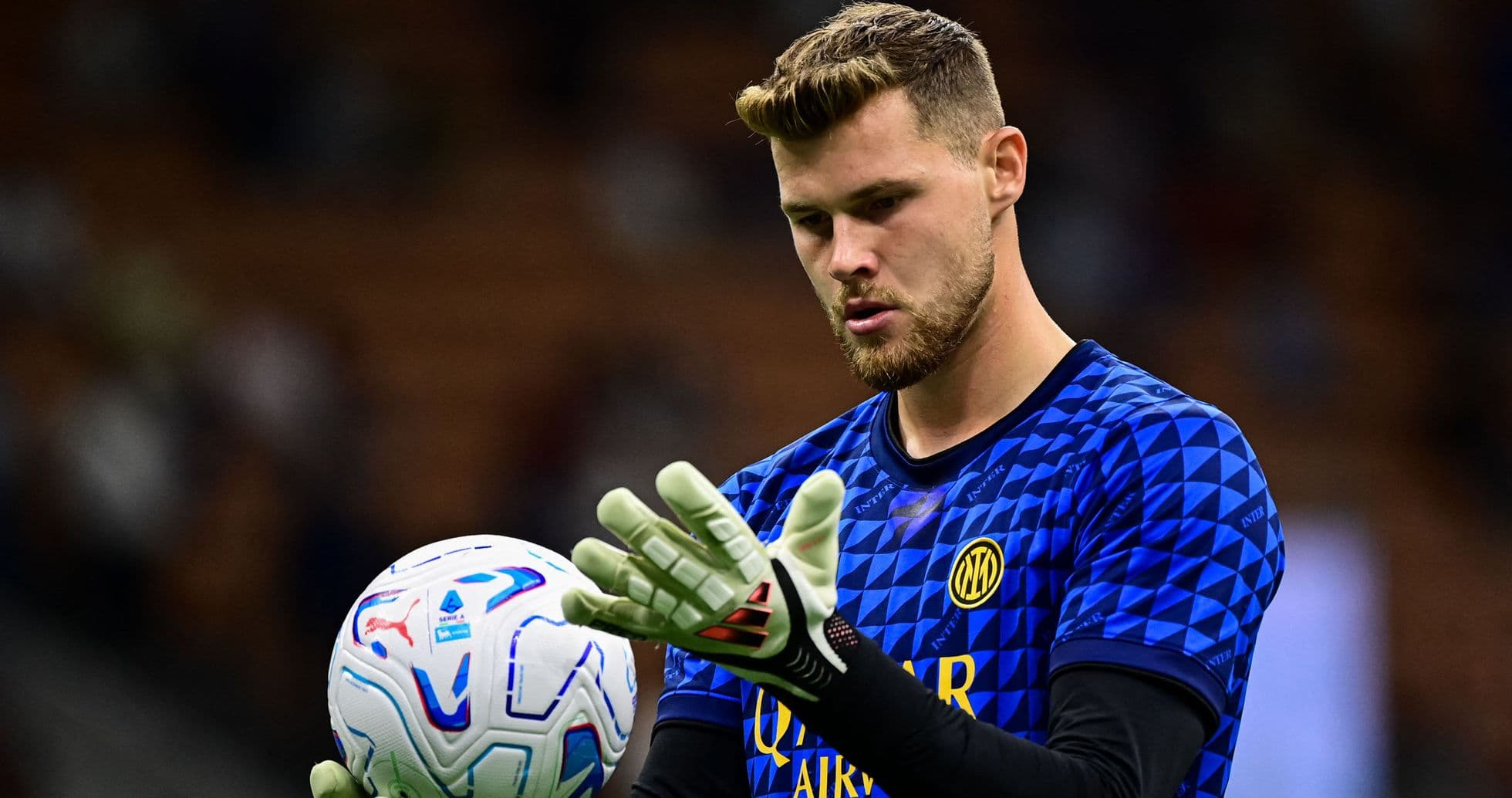
Defensively, the USA’s high line and aggressive full-backs left Matthew Freese exposed. With only 3 saves recorded, Freese (USA) faced high-quality chances, and the goals prevented metric of -0.69 indicates he conceded more than the shot quality would normally suggest. Belgium’s ability to repeatedly get into the box meant that even when Freese made interventions, they were often under severe pressure and from close range.
At the other end, Thibaut Courtois (Belgium) was largely protected by his structure. Belgium allowed just 7 shots and only 2 on target, and Courtois needed to make just 1 save. The USA’s xG of 0.67 captures how rarely they managed to disorganize Belgium’s block. Belgium’s defensive approach was not about volume of duels but about denying central progression; with only 9 fouls to the USA’s 11, they defended more by positioning than by constant last-ditch interventions.
The USA’s substitutions reflected Pochettino’s attempt to inject creativity and directness. Giovanni Reyna (IN) came on for Sergiño Dest (OUT) at 46', signaling a shift toward an extra playmaker and a more aggressive attacking shape, likely a 4-2-3-1 or 4-2-4 in possession. Later, Sebastian Berhalter (IN) for Christian Pulišić (OUT) at 59' pointed to a need for fresh legs and perhaps more balance in midfield. Ricardo Pepi (IN) for Tyler Adams (OUT) at 72' tilted the structure even more toward chasing goals, but it also further weakened central protection in front of the back four—an area Belgium continued to exploit.
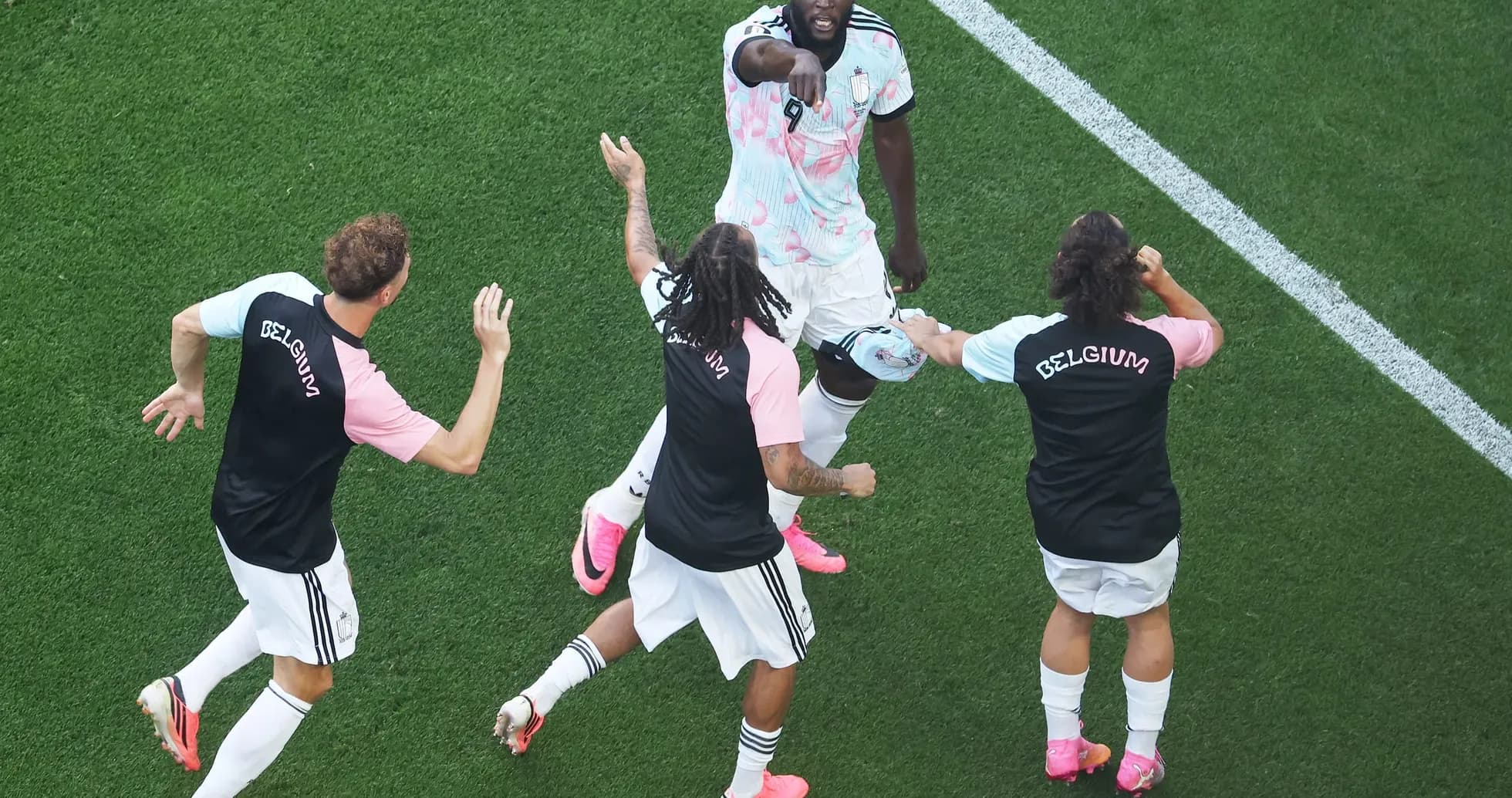
Rudi Garcia’s in-game management was notably effective. Hans Vanaken (IN) for Amadou Onana (OUT) at 21' adjusted the midfield profile, adding a more advanced, creative presence while keeping Raskin as the deeper organiser. Later, Jérémy Doku (IN) for Dodi Lukebakio (OUT) and Romelu Lukaku (IN) for Charles De Ketelaere (OUT) at 67' refreshed the front line with pace and penalty-box power. Alexis Saelemaekers (IN) for Leandro Trossard (OUT) and Axel Witsel (IN) for Nicolas Raskin (OUT) at 89' were game-management moves, reinforcing control and experience to close the match.
From a territorial perspective, the USA’s 3-5 deficit in corners, despite higher possession, shows Belgium’s superior ability to turn attacks into sustained pressure in the final third. Belgium’s 4 blocked shots also suggest the USA’s back line spent long spells in emergency defending, often reacting inside their own box rather than holding a higher line of engagement.
Discipline was relatively balanced but subtly revealing. The USA collected 2 yellow cards (both for “Tripping”), reflecting slightly more reactive defending and late challenges as they tried to recover positions against Belgium’s quick combinations. Belgium finished without any bookings, consistent with a team largely in control of their defensive structure and not often forced into desperate fouls.
The advanced metrics close the tactical picture. Belgium’s xG of 2.15 against 4 actual goals, with goals prevented at -0.69, indicates a blend of clinical finishing and some underperformance by the USA’s last line. The USA’s 0.67 xG and the same -0.69 goals prevented value on Belgium’s side show that Courtois and his defense conceded slightly more than expected from the limited danger they allowed, but the margin was negligible compared to the USA’s issues.
In synthesis, the match was not about who had more of the ball, but who used space better. The USA’s 4-3-3 gave them control between the boxes, yet their rest-defense and penalty-box defending were insufficient against Belgium’s intelligent movement and verticality. Belgium’s 4-2-3-1, with a compact double pivot and flexible attacking line, maximized transitions and central overloads, turning a relatively even passing contest into a decisive 4-1 tactical victory.