Spain Edges Portugal in Round of 16 Showdown
Portugal’s Round of 16 defeat to Spain at AT&T Stadium unfolded as a classic control‑versus‑punch contest, with Luis de la Fuente’s side leveraging superior structure and ball circulation to edge a tight 1-0 match. Spain’s 55% possession, 531 passes at 88% accuracy and 15 total shots (6 on goal) reflected a game plan built on territorial dominance and patient probing, while Portugal’s 45% possession, 426 passes at 84% and 10 shots (2 on goal) told the story of a team trying to live off transitions and moments rather than sustained control.
Structurally, Spain’s starting shape around Rodri and Pedri in midfield, with Lamine Yamal and Dani Olmo as advanced creators and Mikel Oyarzabal leading the line, produced a stable platform between the lines. Rodri’s presence as the single pivot allowed the full-backs Pedro Porro and Marc Cucurella to advance and pin Portugal’s wide players, forcing Roberto Martinez’s side into longer defensive phases. The shot profile underlines that territorial advantage: Spain generated 8 shots inside the box and 7 from outside, mirroring Portugal’s 7 and 3 respectively, but with a higher overall volume and better field position.
The expected goals gap was decisive. Spain’s xG of 1.77 versus Portugal’s 0.58 shows that, even in a tight scoreline, Spain consistently created the higher-quality chances. That differential is not just a product of volume; it speaks to Spain’s ability to access central areas and create clean looks, particularly in the second half as Portugal tired and their block dropped deeper.
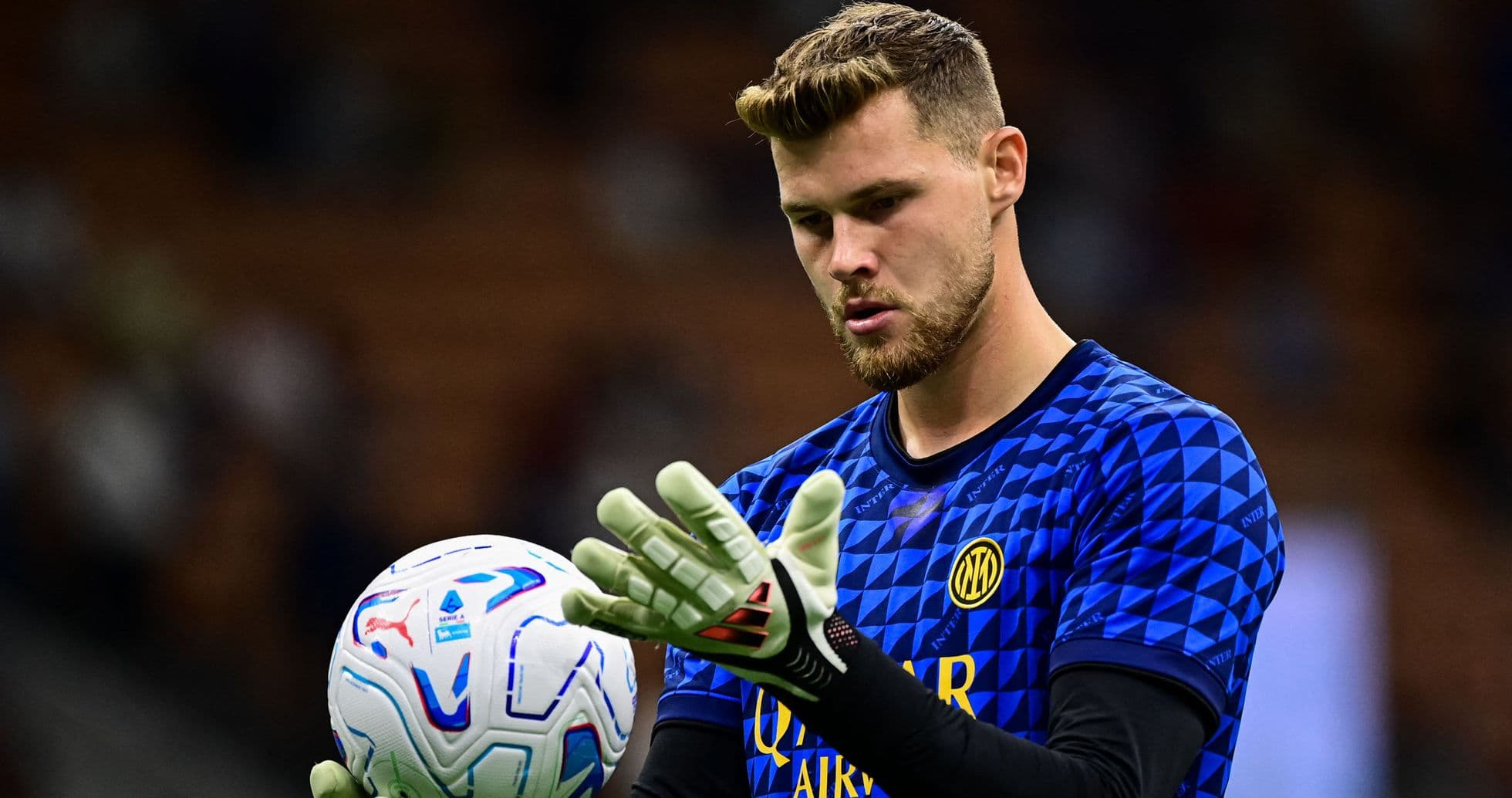
From Portugal’s perspective, the defensive structure did a lot right for long stretches. With Rúben Dias and Renato Veiga at the heart of the back line and Nuno Mendes and João Cancelo wide, they limited Spain to 3 blocked shots and often forced circulation side to side. Diogo Costa (Portugal) was central to that resistance, making 5 saves and, according to the data, preventing 0.87 goals beyond expectation. That combination – 6 Spanish shots on target and 5 saves – underlines how often Spain worked the goalkeeper and how narrow the margin was before Mikel Merino’s late winner.
On the other side, Unai Simón (Spain) had a quieter but still important night, facing 2 shots on target and making 2 saves. Spain’s defensive block, anchored by Pau Cubarsí and Aymeric Laporte, restricted Portugal’s forwards to half-chances and speculative efforts, reflected in Portugal’s modest xG of 0.58 despite managing 10 total shots and 7 from inside the box. Spain matched Portugal’s 3 blocked shots, suggesting both sides defended their box aggressively, but Spain’s ability to keep the majority of Portugal’s attempts at lower probability angles was the key difference.
In-Game Adjustments
Martinez’s in-game adjustments were clearly aimed at adding directness and one‑v‑one threat. At 56', Nélson Semedo (IN) came on for Nuno Mendes (OUT), a move that shifted the dynamic on the right flank and hinted at a desire to push the full-backs higher in transition. The double change at 71' – Diogo Dalot (IN) for João Cancelo (OUT) and Rafael Leão (IN) for João Félix (OUT) – further underlined this: fresher legs and more vertical running on both flanks to exploit the spaces Spain were leaving as they pushed for the breakthrough.
Later, at 83', Bernardo Silva (IN) replaced Vitinha (OUT) and Francisco Conceição (IN) came on for Pedro Neto (OUT), tilting Portugal’s midfield profile towards creativity and final-third incision. However, the underlying numbers show that these changes did not materially alter the shot quality: Portugal remained stuck under 1.0 xG and never turned their 3 corner kicks or 2 offsides into sustained pressure phases.
Spain’s substitutions were more about refreshing the existing structure than changing it. Ferran Torres (IN) for Alex Baena (OUT) at 75' introduced a more direct runner between the lines, and his later involvement – both as assister for Mikel Merino’s goal and as a booking recipient – showed his impact. At 85', Mikel Merino (IN) for Dani Olmo (OUT) and Fabián Ruiz (IN) for Pedri (OUT) added physicality and late‑arriving presence in the box, precisely the profile that eventually decided the tie. Even the stoppage-time switch of Borja Iglesias (IN) for Mikel Oyarzabal (OUT) at 90' was about fresh pressing legs to help see out the result.
Discipline
Discipline also shaped the closing stages. Portugal committed 9 fouls to Spain’s 13, but picked up 2 yellow cards to Spain’s 1. Bernardo Silva’s booking for “Foul” at 89' and Renato Veiga’s for “Foul” at 90+4' reflected a Portugal side increasingly stretched and forced into late interventions as Spain circulated the ball to run down the clock. Ferran Torres’ own yellow card for “Foul” at 90+9' came in a scrappy finale, but did not change the tactical picture.
Statistically, Spain’s 7 corner kicks to Portugal’s 3 and their superior passing volume (531 vs 426) and accuracy (88% vs 84%) underline a team that controlled territory and tempo. Portugal’s 2 offsides versus Spain’s 1 hint at their more direct attempts to break Spain’s line, but with limited success. The defensive index for Portugal – combining 3 blocked shots, 5 goalkeeper saves and 0.87 goals prevented – was strong enough to keep them in the game until stoppage time, yet their overall form in possession, as captured by low xG and few shots on target, never matched Spain’s consistent threat.
In synthesis, this was a match where Spain’s superior structure, ball circulation and chance quality eventually overwhelmed a resilient but offensively blunt Portugal. The numbers support the narrative: Spain created more, created better, and, with Mikel Merino’s late strike, finally found the one action to turn statistical dominance into a place in the 1/8 final.