Sporting JAX and Brooklyn Share Points in 2–2 Draw
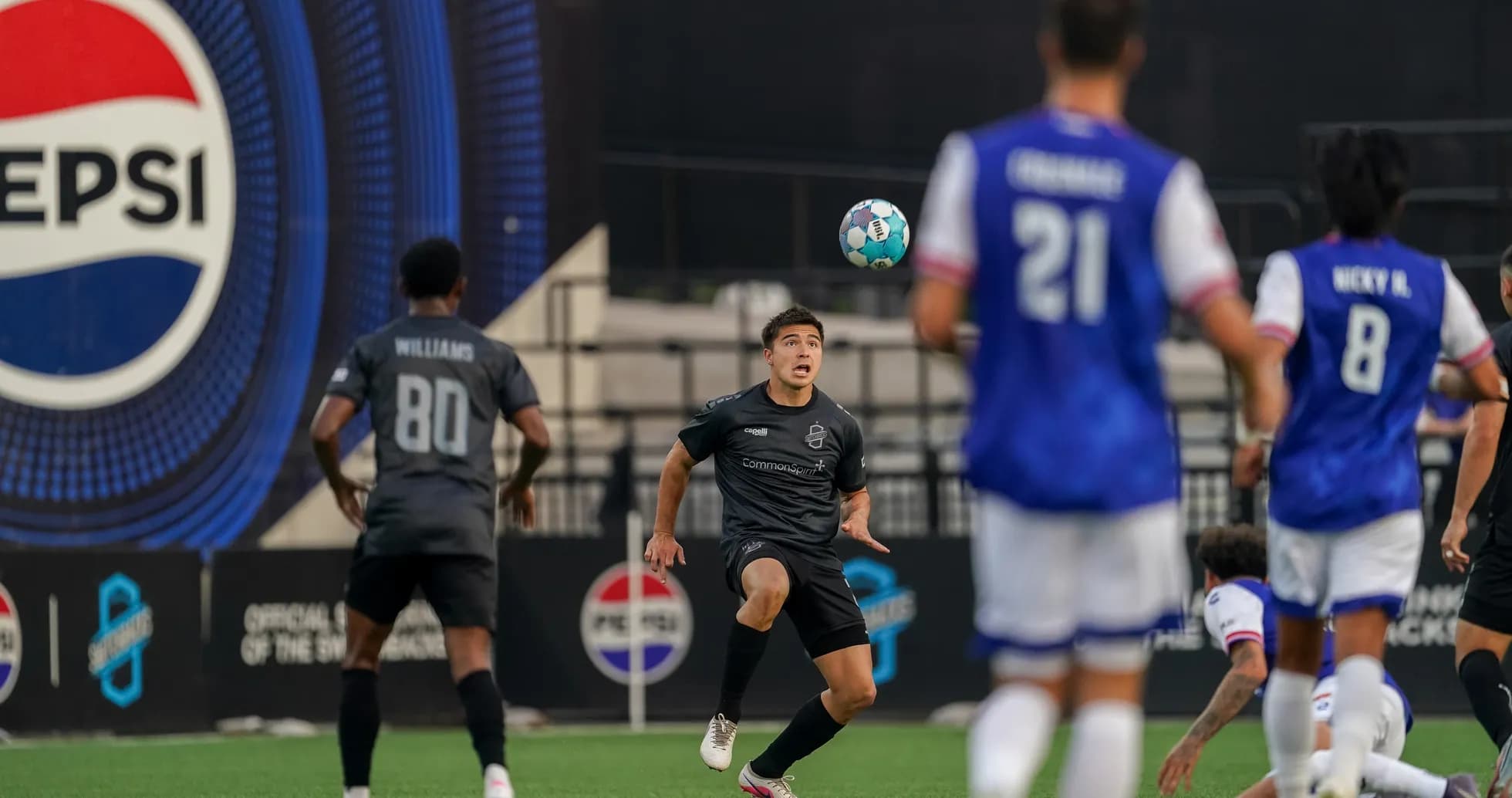
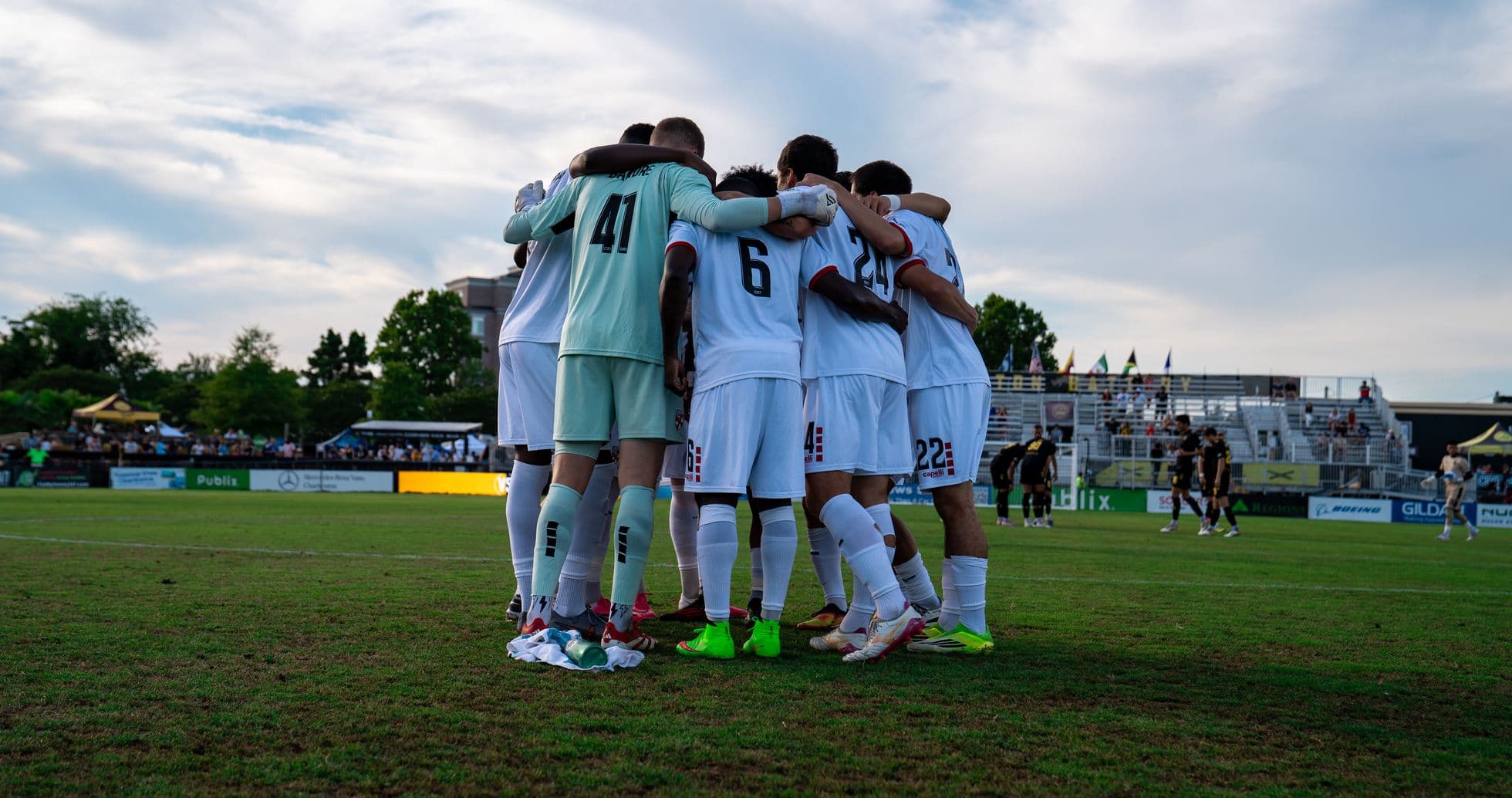
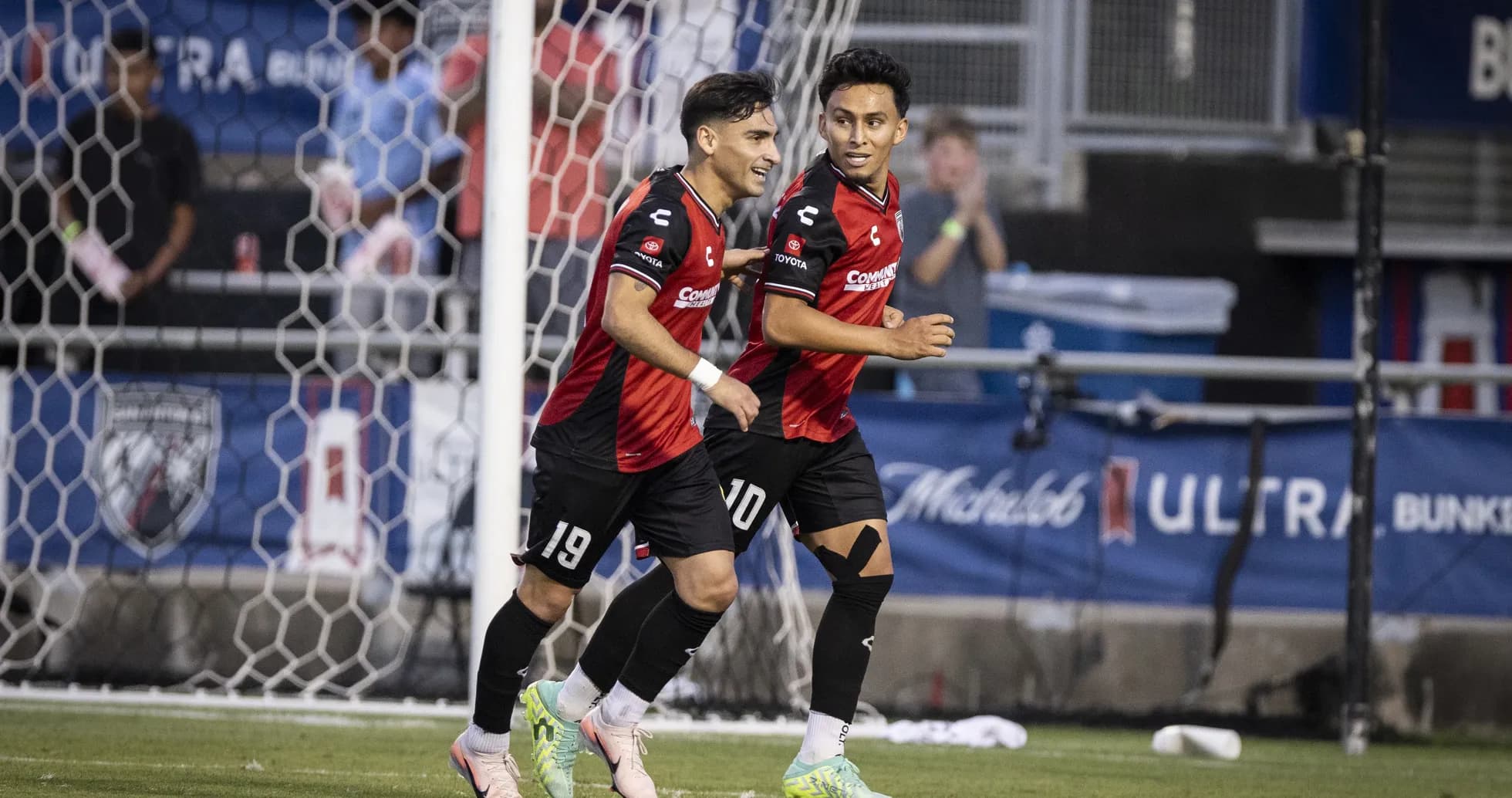
Under the Florida evening sky at Hodges Stadium, Sporting JAX and Brooklyn played out a 2–2 draw that felt less like a routine Group Stage fixture and more like two damaged sides trying to rediscover who they are. The USL Championship table framed it starkly: heading into this game, Sporting JAX were 13th in USL 1 with 3 points and a goal difference of -14, Brooklyn 12th with 8 points and a goal difference of -9. Both arrived burdened by poor form and fragile identities; both left with just enough evidence to believe there is a way forward.
I. The Big Picture – Two Flawed Identities Collide
Sporting JAX’s season-long DNA has been brutally clear. Overall this campaign they had played 11 matches, failed to win a single one, and leaned heavily on chaos rather than control. In total this season they had scored 12 and conceded 26, an overall average of 1.1 goals for and 2.4 against per game. At home, that imbalance sharpened: 8 goals scored and 14 conceded across 5 matches, translating to 1.6 goals for and 2.8 against at Hodges Stadium. They create just enough to stay in games, but structurally they bleed.
Brooklyn, by contrast, split into two different teams depending on geography. At home, they had been stubborn and efficient, scoring 6 and conceding only 5 across 6 matches, an average of 1.0 goals for and 0.8 against. On their travels, the mask slipped: 5 away goals scored, 15 conceded in 5 outings, an away average of 1.0 for and 3.0 against. They arrived in Jacksonville with the scars of four away defeats in five and a defensive record that collapses once they leave their own ground.
The 2–2 scoreline at half-time (1–2) and full-time (2–2) reflected exactly that tension: Sporting JAX’s attacking volatility at home versus Brooklyn’s soft underbelly on the road. Neither side had the control to close the game down; both had just enough weapons to keep it alive until the final whistle.
II. Tactical Voids – Discipline, Fatigue, and the Edges of Control
The absence list offered no guidance, but the season-long disciplinary patterns filled the gap. Sporting JAX had been living on the edge all year. Their yellow cards peaked late, with 27.59% of bookings arriving between 76–90 minutes and another 20.69% between 61–75. The red-card profile was equally telling: one dismissal in the 16–30 window and another in 76–90, each accounting for 50.00% of their total reds. This is a side that emotionally spikes as games stretch, often losing structure and composure just when game management is most needed.
Brooklyn’s story was different but no less fraught. Their yellow cards were spread across the second half, with 20.83% between 46–60 and another 20.83% between 61–75, but the real alarm came in added time: 25.00% of their yellows and 100.00% of their reds arrived between 91–105 minutes. They do not just fade; they unravel in stoppage time.
In this fixture, that shared late-game volatility created a tactical void: both coaches were forced to navigate the final quarter of an hour knowing their squads historically lose discipline just as fatigue bites. With no recorded penalties missed on either side this season (Sporting JAX had converted all 3 of their penalties, Brooklyn their single attempt), the danger was not from the spot but from reckless challenges and broken shape as legs and minds tired.
III. Key Matchups – Hunter vs Shield, and the Battle for Rhythm
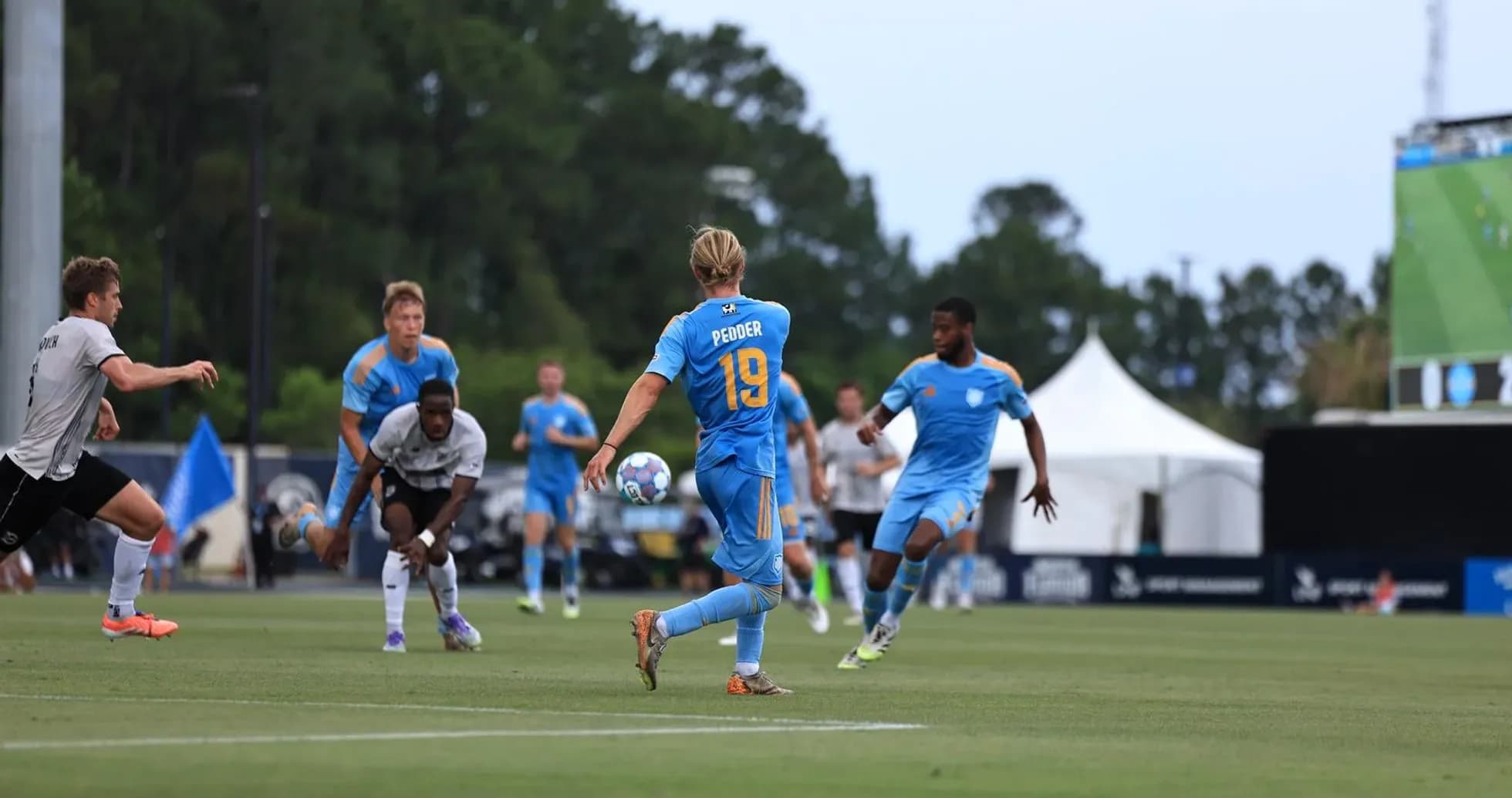
Without explicit top-scorer data, the “Hunter vs Shield” duel became more collective than individual. For Sporting JAX, the attacking burden was spread across a front unit led by K. Sadlier and supported by E. Jaaskelainen and R. Pedder. At home, this group had helped produce 8 goals in 5 matches, a respectable 1.6 per game against a Brooklyn away defence conceding 3.0 per game. On paper, Sporting JAX’s “hunters” were always likely to find chances.
Brooklyn’s “shield” was a patchwork back line anchored by J. Lee in goal, with defenders such as R. McLaughlin, V. Latinovich, T. Vancaeyezeele and Gabriel Alves asked to withstand waves of pressure in a stadium where Sporting JAX, despite their league position, tend to attack with a certain desperation. The first half’s 2–1 scoreline to Brooklyn suggested they could strike in transition, but the full-time 2–2 hinted at an inability to close the door once under sustained fire.
In the engine room, W. Kuzain and J. Rossiter were central to Sporting JAX’s attempts to control rhythm, linking with T. Rose and E. Rito from deeper areas. Their task was to screen a defence that had allowed 26 goals overall, and to give enough platform for the front line to operate without the game turning into a track meet.
Brooklyn’s midfield triangle of M. Pinto, T. McNamara and S. Stojanovic carried dual responsibility: protect a fragile away defence and release creative sparks like P. Mangione and C. Olney JR to feed J. Obregon. When Brooklyn are good, they are compact and spring forward quickly; when they are bad, the lines between midfield and defence stretch, and the away average of 3.0 goals conceded becomes an inevitability.
IV. Statistical Prognosis – A Draw That Fits the Numbers
Following this result, the statistical picture feels almost inevitable. Sporting JAX’s overall goal difference of -14 (12 scored, 26 conceded) and Brooklyn’s -9 (11 scored, 20 conceded) already told the story of two teams who concede more than they create. A 2–2 draw between them fits that profile: neither side had the defensive solidity to shut the other out, neither had the attacking precision to run away with the game.
From an xG-style lens, Sporting JAX’s home averages and Brooklyn’s away frailties suggest the hosts likely generated the higher volume of chances, particularly as the match wore on and Brooklyn’s historic late-game discipline issues surfaced. Yet Sporting JAX’s season-long failure to turn performances into wins – 0 victories in 11 overall, 0 at home – underlines a chronic inefficiency in both boxes.
Tactically, this felt like a meeting of two incomplete projects. Sporting JAX showed enough attacking verve, through figures like Sadlier, Jaaskelainen and Pedder, to believe a first win is coming. Brooklyn, with Obregon, Mangione and Olney JR, proved they can hurt teams even away from home, but their structural and disciplinary fragility on their travels remains a hard ceiling.
In the end, 2–2 was not just the score; it was a mirror. Two teams, two flawed blueprints, and a night at Hodges Stadium that confirmed both how far they have to go and how, in flashes, they might yet get there.