Seattle Reign FC Edges San Diego Wave in Tactical Showdown
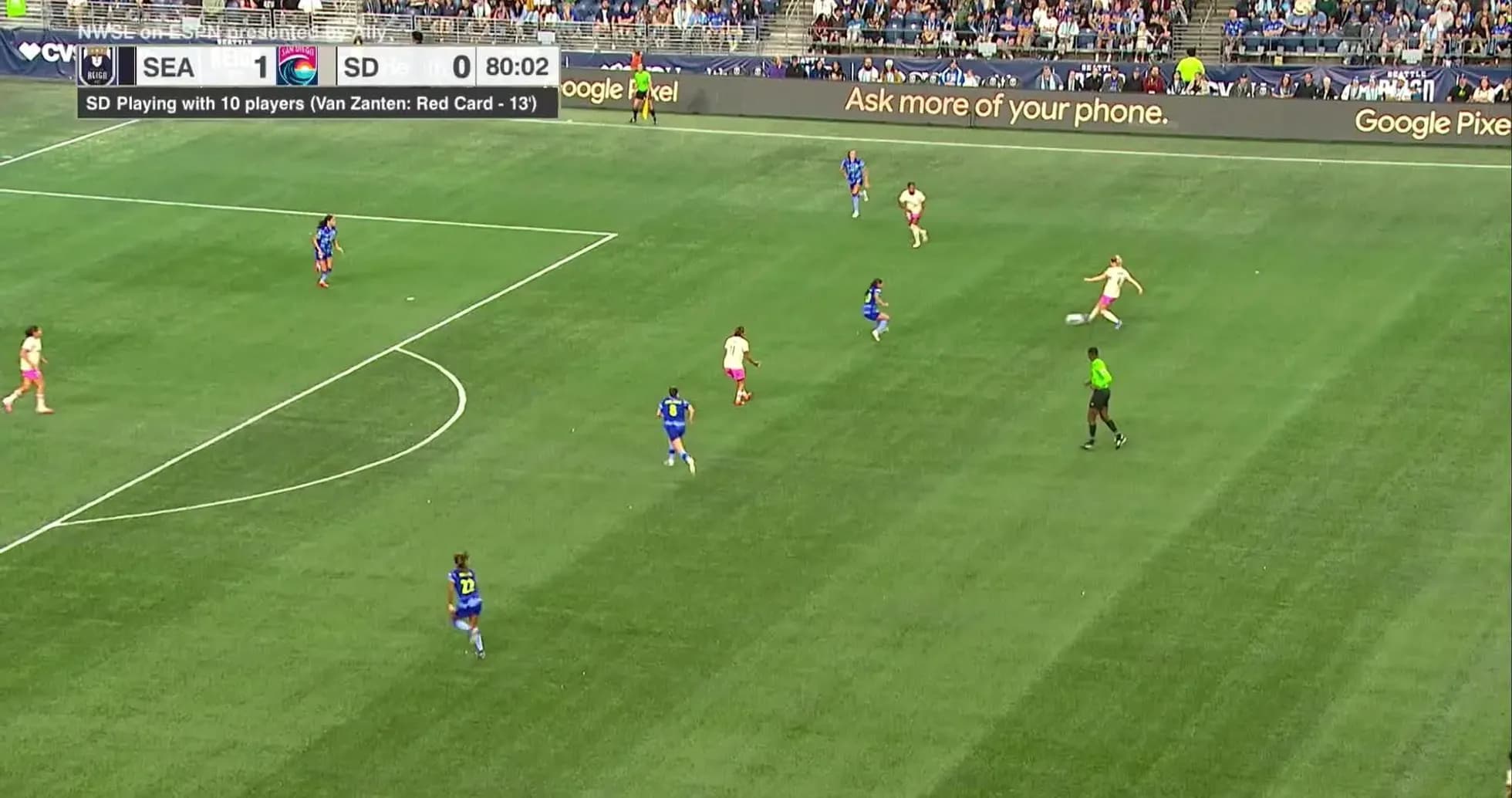
The night at Lumen Field closed with the scoreline frozen at half-time: Seattle Reign FC W 1–0 San Diego Wave W, a narrow home win that felt like a tactical arm wrestle more than a spectacle. In the context of the NWSL Women Group Stage, it was a statement from a side sitting 8th against a San Diego team arriving in 5th, both chasing the same prize: the safety net of the play-off Quarter-finals.
Overall this campaign, Seattle have been a team of fine margins. Their goal difference in the standings is 1, built from 27 goals for and 26 against across 22 matches. At home they have been pragmatic rather than prolific, with 12 goals scored and 9 conceded in 11 outings, an average of 1.1 goals for and 0.8 against on their own turf. That defensive tightness underpinned Laura Harvey’s decision to lean again on the 4-2-3-1 that has been her most-used structure this season.
San Diego arrived with the more expansive attacking profile: overall 32 goals scored and 26 conceded in 23 games, a goal difference of 6. On their travels they have been efficient and relatively secure, with 15 away goals for and 12 against in 11 matches, averaging 1.4 scored and 1.1 conceded. Jonas Eidevall matched Harvey’s 4-2-3-1, setting the stage for a mirror match where details in the duels and in the half-spaces would decide the night.
Seattle's Starting XI
Harvey’s starting XI was built around a disciplined spine. C. Dickey in goal anchored a back four of R. Brown, P. McClernon, J. Bugg and S. Huerta. In front of them, the double pivot of A. James-Turner and S. Meza offered balance: James-Turner as the calmer distributor, Meza the ball-winner. Ahead of them, the trio of M. Mercado, S. Menti and M. Dahlien supported lone forward M. Fishel.
The choice of Mercado as the central creative reference between the lines was no accident. Overall this season she has scored 7 league goals from midfield, with 31 shots and 15 on target, and she has also brought a combative edge with 17 tackles, 3 successful shot blocks and 11 interceptions. She is not just a scorer but a two-way presence, and Harvey built her pressing scheme around Mercado stepping out from the 10 space to harry San Diego’s first pass into midfield.
San Diego's Shape
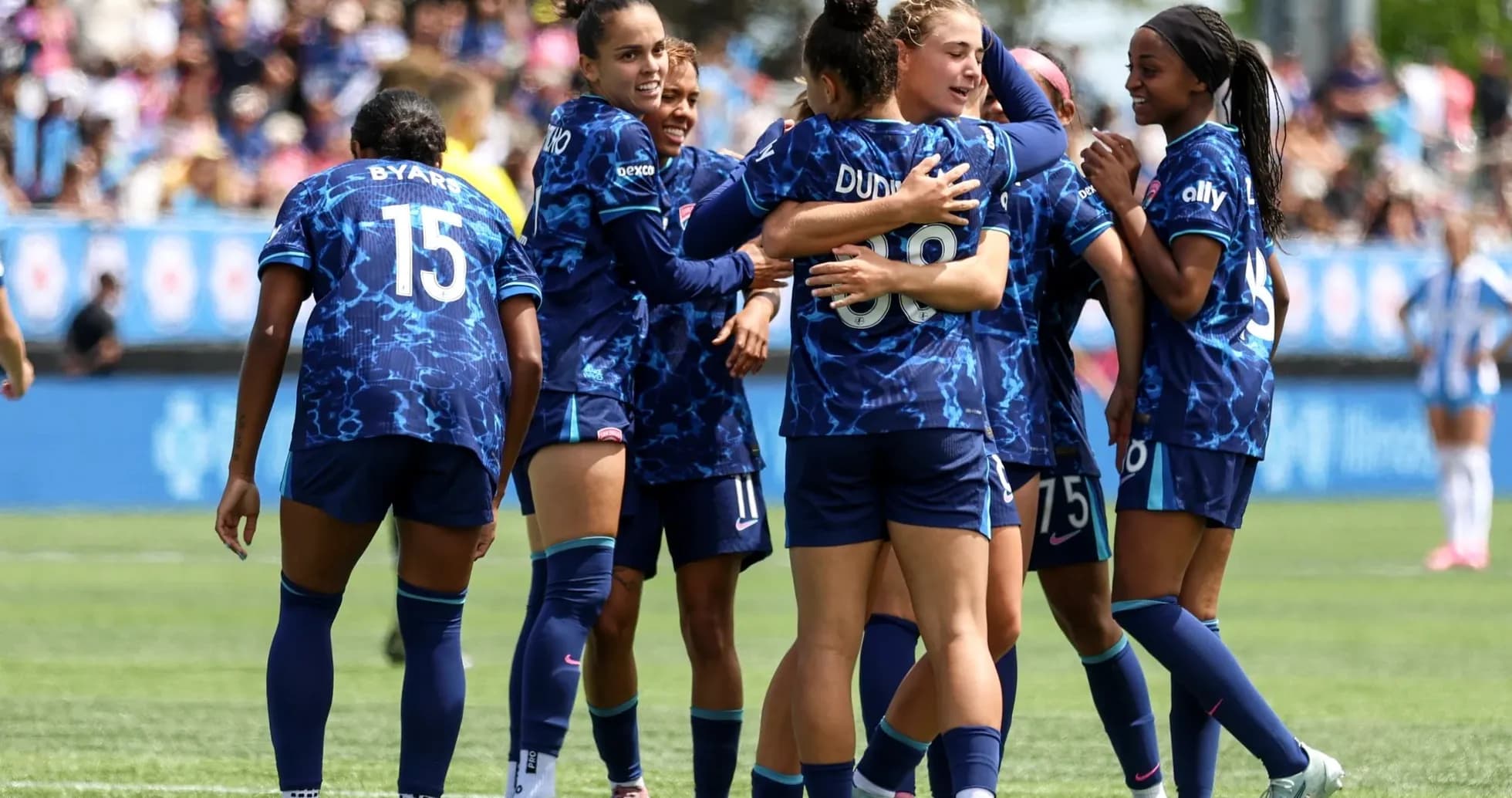
San Diego’s shape had similar intentions but different personalities. S. Panos started in goal behind a back four of A. D. Van Zanten, K. Wesley, K. McNabb and P. Morroni. In midfield, K. Dali and K. Ascanio formed the double pivot, with M. Barcenas, L. E. Godfrey and T. Byars supporting Ludmila up front.
Byars, with 9 goals and 2 assists overall this campaign, is one of the league’s most efficient attackers: 18 shots, 15 on target, and a 7.05 average rating. Her presence as a nominal midfielder in the line-up belied her true role: constantly breaking from the second line into the channels, especially off Ludmila’s movements. Eidevall clearly intended to attack the spaces either side of McClernon and Bugg, trusting Byars’ timing and Ludmila’s pace to stretch Seattle’s compact block.
First Half Analysis
Yet the first half belonged to Seattle’s structure. The Reign’s home record of 6 clean sheets in 11 matches is built on control of the middle third, and the James-Turner–Meza axis did exactly that. Meza screened the central lane, forcing San Diego wide, where Huerta and Brown could engage aggressively without leaving Dickey exposed. With San Diego averaging 1.4 goals overall but also failing to score in 8 matches this season, Seattle’s plan was clear: deny central combinations, live with crosses, and trust their box defending.
The decisive moment came before the break, when Mercado ghosted into the pocket between Dali and Ascanio, receiving on the half-turn and driving at the back line. Her season data – 11 key passes and 20 dribble attempts with 8 successes – speaks to that ability to carry and commit. Whether she finished herself or created the chaos that led to the goal, the 1-0 at half-time reflected Seattle’s willingness to let their attacking midfielder dictate tempo.
San Diego's Discipline Issues
San Diego, for their part, were always walking a disciplinary tightrope. Overall they have picked up a heavy yellow-card load, with 20.83% of their cautions arriving between 61-75 minutes and another 16.67% from 76-90, and they have already seen a red card this season from Van Zanten. Morroni, one of the league’s leading yellow-card collectors with 6 overall, and Dali, with 5 yellows and a penalty miss on her record, are emotional anchors as much as technical ones. Harvey targeted that edge by funnelling transitions into their zones, forcing repeated defensive decisions and risking bookings that might dull San Diego’s bite.
Seattle’s own card profile is more evenly spread but spikes at 46-60 minutes, with 30% of their yellows arriving just after the restart. That is typically the phase when Harvey’s side raises the press and tries to tilt the game. Here, protecting a 1-0 lead, that aggression was channelled into calculated pressure rather than reckless challenges, keeping the back four intact and reducing the need for last-ditch tackles.
Coaching Strategies
On the bench, both coaches held different kinds of weapons. Harvey could turn to the experience of J. Fishlock to lock down a lead, or unleash direct runners like B. Ratcliffe, N. Mondesir or H. Ward if the game opened up. Eidevall’s options included the creative G. Corley – 4 assists and 21 key passes overall – and the versatile Luisa Agudelo, who has 5 goals and 3 assists, plus a missed penalty that underlines San Diego’s broader spot-kick issues: overall they have taken 2 penalties this season and failed to score either, with 2 misses and 0 converted. In a one-goal game, that lack of reliability from the spot is not a small detail.
Tactical Overview
Tactically, the “Hunter vs Shield” battle was clear: Byars and Ludmila, representing an attack averaging 1.4 goals overall, against a Seattle defence conceding just 0.8 at home. Over 90 minutes, the Shield won. McClernon and Bugg held their line, Huerta and Brown controlled the wide spaces, and Dickey was protected well enough that San Diego’s attacks rarely turned into clear, central chances.
In the “Engine Room” duel, Dali’s passing range – 943 completed passes overall at 85% accuracy – met the physical screen of James-Turner and Meza. But Seattle’s compactness meant Dali was often receiving under pressure, forced into safer sideways passes rather than the vertical deliveries that usually feed Byars and Ludmila.
From a statistical prognosis perspective, the pre-match numbers hinted at balance: Seattle’s overall scoring rate of 1.2 goals matched almost perfectly with San Diego’s 1.1 goals conceded, while San Diego’s 1.4 goals for ran into Seattle’s 1.2 goals against overall. In that narrow corridor, set pieces, penalty reliability and discipline were always likely to tip the scales. With Seattle having scored 2 of their 3 penalties this season but also missing one, and San Diego yet to convert any of their 2 attempts, the hosts carried the slightly sharper edge in high-leverage moments.
Following this result, the story of the night is one of a home side leaning into its defensive identity and a visiting attack that could not quite translate its season-long productivity into cutting edge. The Reign’s 4-2-3-1, anchored by a disciplined back four and a hard-working double pivot, proved the more coherent structure. Mercado’s two-way influence and Fishel’s selfless running gave Harvey just enough punch to complement the solidity.
For San Diego, the loss does not erase their status as a dangerous, play-off-bound side, but it underlines a theme: when their creative core is forced wide and their emotional leaders are drawn into physical battles, their attack can be blunted. In a league where margins are this fine, the ability to control those moments – and to trust your penalty takers when they come – may yet decide how far both of these squads travel once the Quarter-finals arrive.