York United's Tactical Triumph Over Cavalry FC
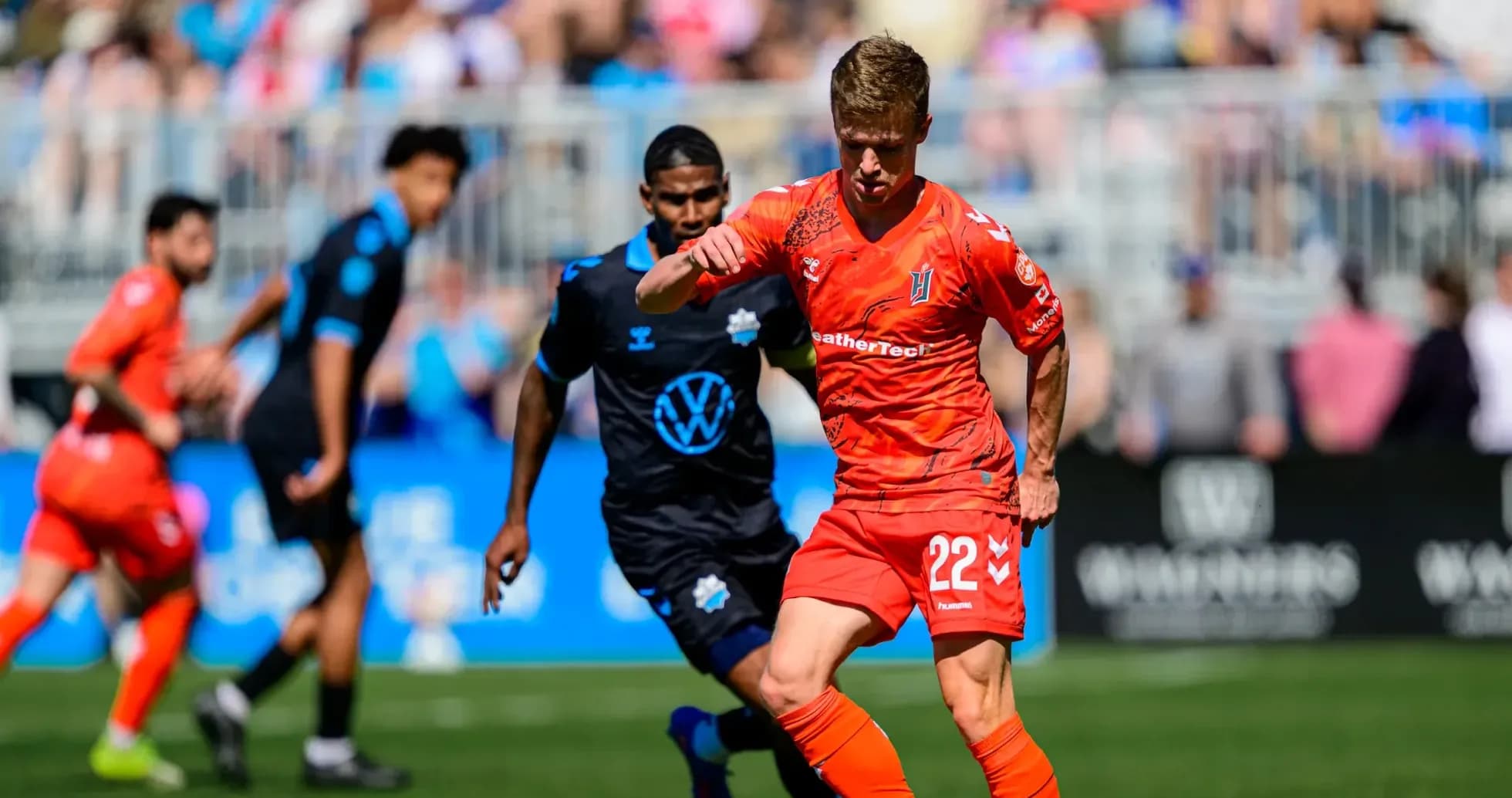
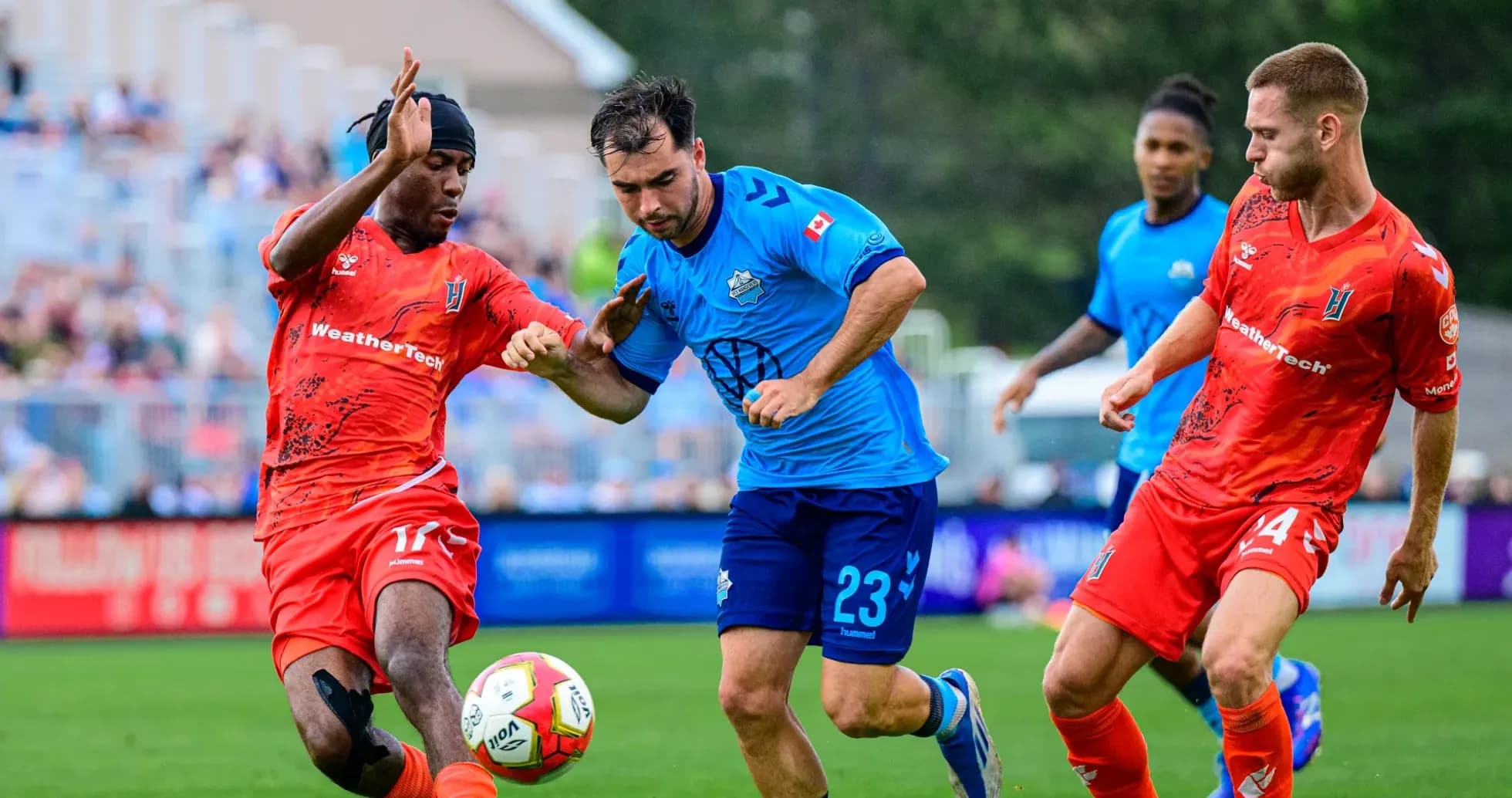
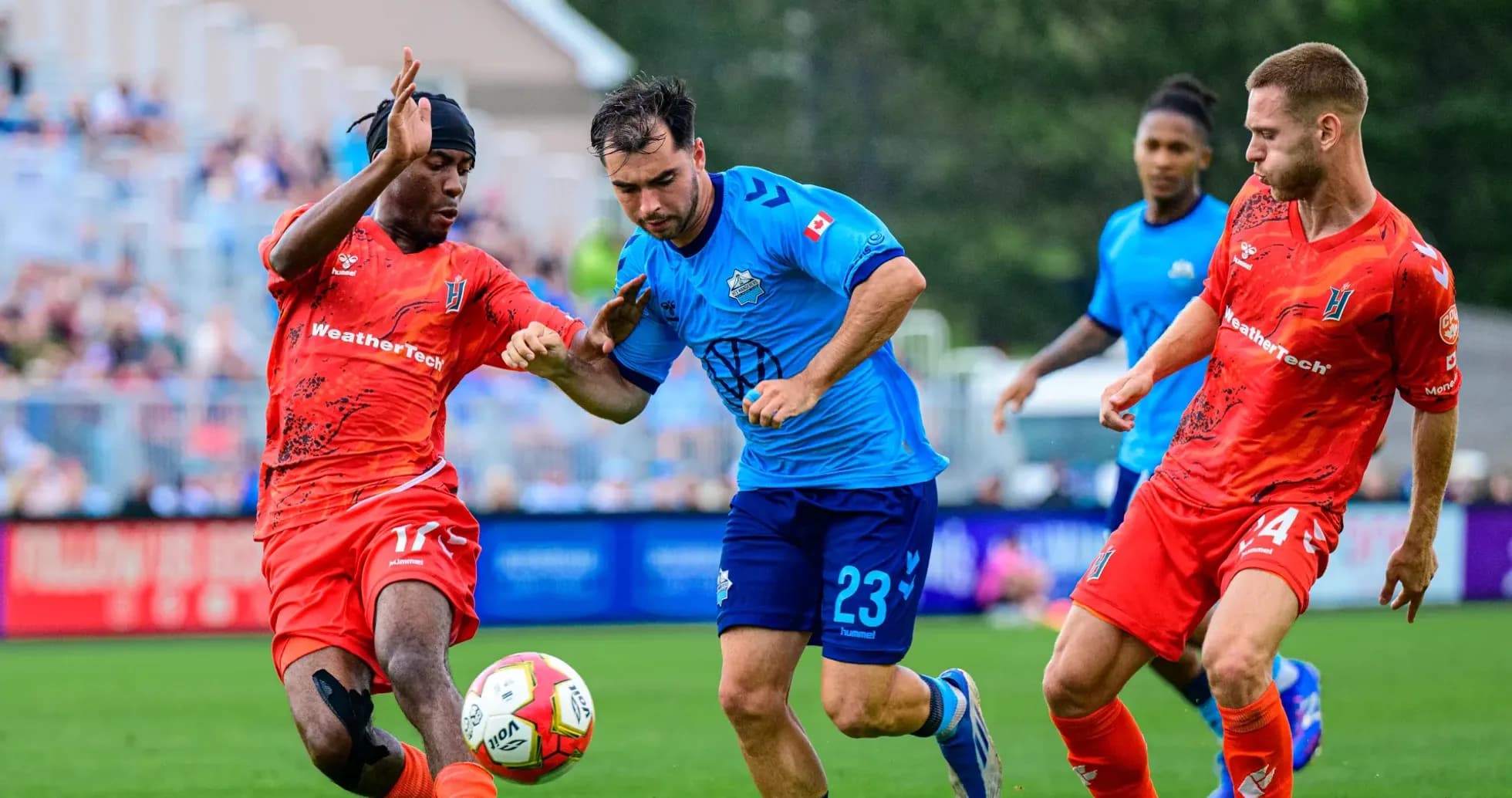
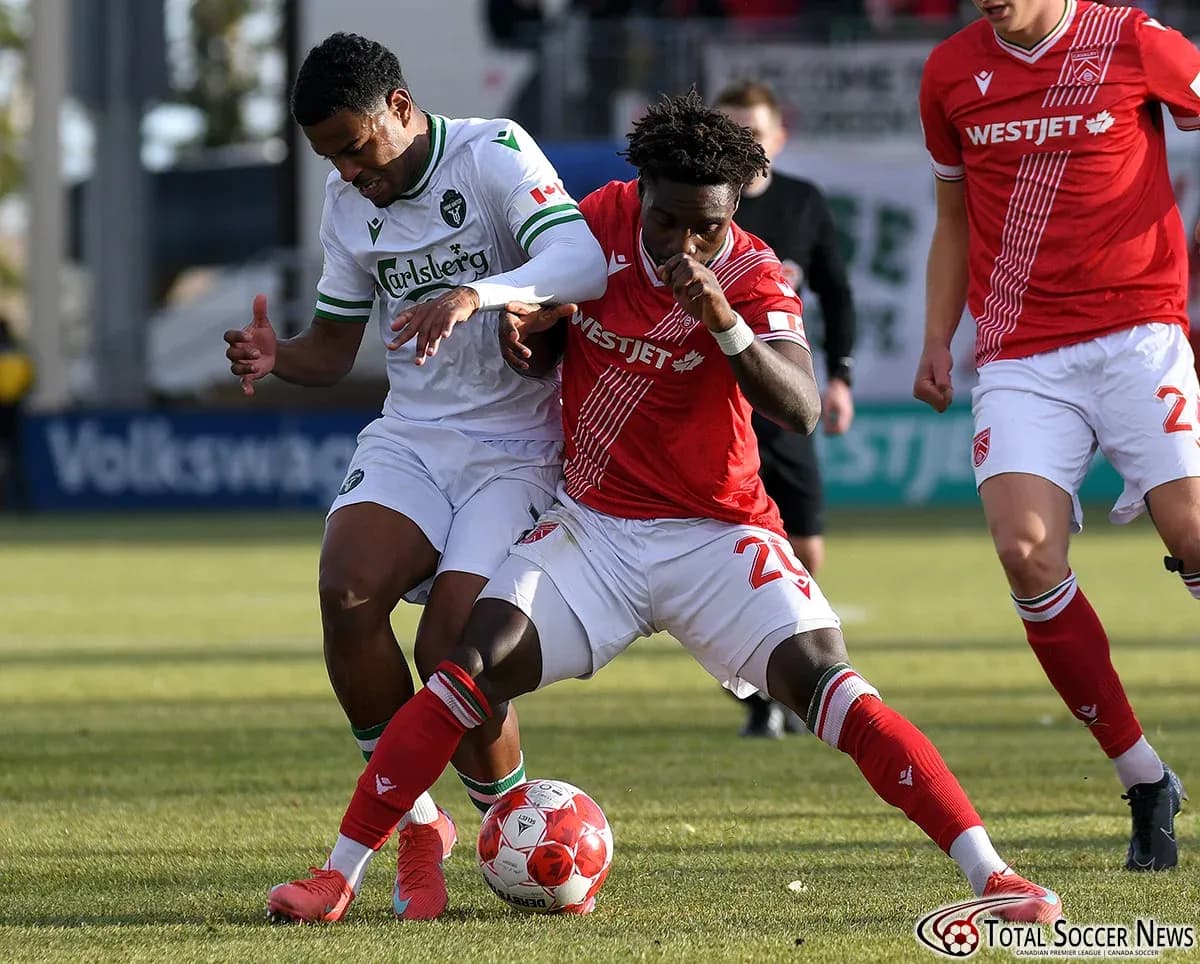
York Lions Stadium has rarely felt as defiant as it did with York United’s 3–1 win over league leaders Cavalry FC, a result that cuts across the grain of the Canadian Premier League’s Group Stage narrative. Following this result, the seventh‑placed hosts reminded the league that a flawed but fearless attacking side can still bloody the nose of the division’s most complete machine.
I. The Big Picture – Contrasting Seasonal DNA
Over the season overall, York United have been a paradox: seventh in the table with 27 points from 24 matches, but with the chaos of a goal‑heavy profile. They have scored 39 and conceded 54 overall, a goal difference of −15 that perfectly encapsulates their high‑risk approach. At home, they have been far more dangerous: 27 goals scored at York Lions Stadium in 12 matches, averaging 2.3 per game, but conceding 28 at the same 2.3‑per‑game clip. The 3–1 here sits right in that pattern: York do not win by shutting games down; they win by making them wild and surviving the storm.
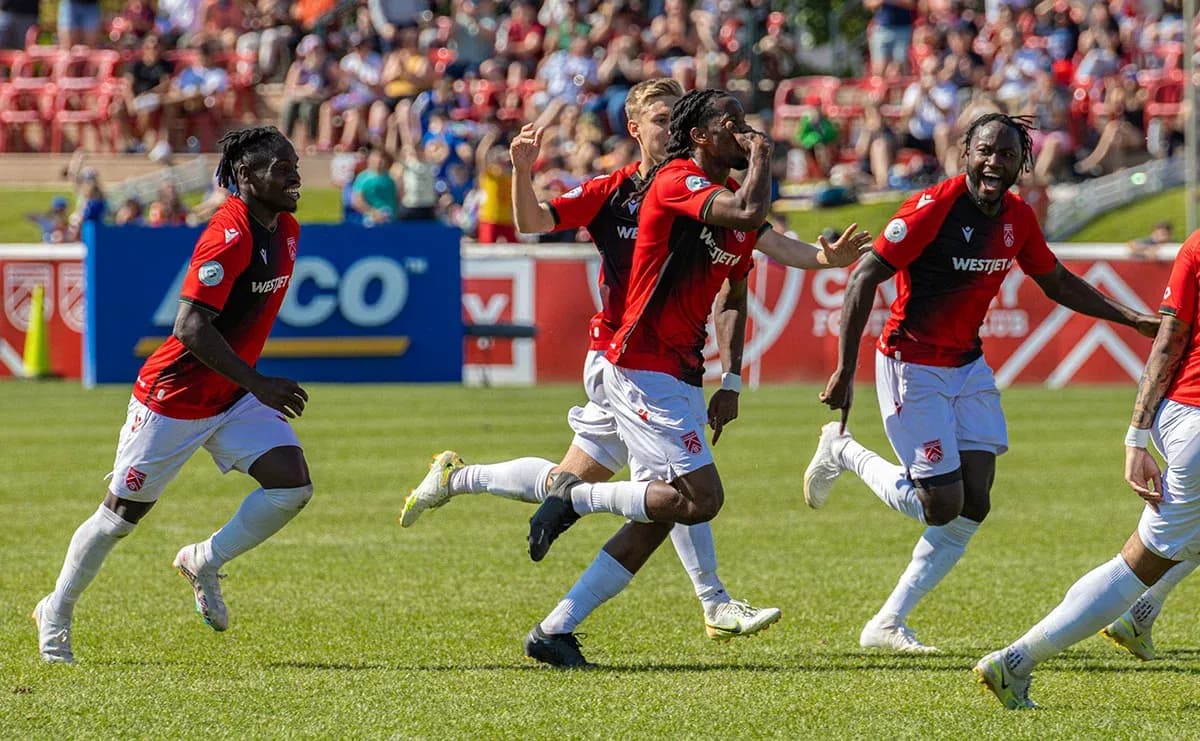
Cavalry arrived as the benchmark. Overall they sit top with 53 points from 25 matches, 51 goals for and just 19 against, a towering goal difference of +32. At home they have been nearly flawless, but even on their travels they had been solid: 21 goals scored and 12 conceded away, averaging 1.6 for and 0.9 against per away match. On paper, this was the league’s most balanced side—an attack that scores 2.0 goals per game overall married to a defence that allows only 0.8.
That context is what makes the full‑time scoreline—York 3, Cavalry 1—so intriguing from a tactical and squad‑building perspective. York bent the game toward their volatility; Cavalry, usually the side imposing order, were dragged into a script they did not fully control.
II. Tactical Voids and Disciplinary Edges
There were no listed absentees, so both coaches could lean into their preferred blueprints. Mauro Eustaquio doubled down on York’s most‑used shape this season, the 3‑4‑3, a system they have deployed eight times in the league. It gives them width, numbers between the lines, and, crucially, a front three that can press and counter in waves.
Tommy Wheeldon answered with Cavalry’s own comfort zone: the 4‑2‑3‑1, a formation they have started in 11 league matches. It is a structure built on control—double pivot protection, full‑backs stepping high, and a central attacking midfielder linking to the lone striker.
From a disciplinary standpoint, York entered this fixture as one of the league’s more combustible sides. Their yellow cards are most frequent between 61–75 minutes, where 23.29% of their bookings occur, with another spike between 46–60 minutes at 20.55%. That mid‑second‑half aggression is a tactical double‑edged sword: it fuels their press but risks late collapses. They have also seen red twice overall, split evenly between the opening 0–15 minutes and the 61–75 window.
Cavalry’s card profile is more evenly spread but with a notable late‑game edge: 23.73% of their yellows come between 46–60 minutes, and they have seen three reds overall—one each in 31–45, 76–90, and 91–105. In a match that was always likely to tighten after the break, both sides carried the risk of disciplinary self‑sabotage.
York’s season‑long penalty story underlined their volatility: 2 penalties overall, with 1 scored and 1 missed. That 50.00% conversion rate meant any spot‑kick would be a genuine psychological event rather than a formality. Cavalry, by contrast, had been perfect from the spot, scoring all 4 of their penalties overall with no misses.
III. Key Matchups – Hunter vs Shield, Engine Room vs Enforcer
The tactical heart of this contest lay in how York’s 3‑4‑3 front line interacted with Cavalry’s back four and double pivot.
For York, the front three of S. Yeates, S. Gonzales, and A. Almagro offered a blend of movement and playmaking. Yeates, listed as a forward here but one of York’s most complete midfielders over the season with 5 goals and 2 assists overall, operated as the connector—dropping to combine with O. Bassett and C. Guzman, then surging beyond. Almagro, already one of the league’s leading assist providers with 5 overall, carried the creative burden between the lines, drifting into pockets where Cavalry’s pivots had to choose between stepping out or protecting the space in behind.
Cavalry’s “shield” was built around D. Klomp and A. Didic at centre‑back, supported by E. Kobza and N. Myroniuk in midfield. Klomp has been one of the league’s standout defenders, with 8 shots blocked overall and 17 interceptions, while Didic brings aerial dominance and distribution (936 passes overall at 89% accuracy). On most days, that pairing swallows crosses and dominates the box.
But York’s threat was not just aerial; it was structural. With M. Ferrari and Guzman as wing‑backs in the line‑up graphic, York could pin Cavalry’s full‑backs, forcing J. McGlinchey and Fewo into deep positions and isolating the centre‑backs against three mobile forwards. Once York raced to a 2–0 half‑time lead, the dynamic shifted: Cavalry’s back line had to step higher, exposing them to York’s counter‑attacking lanes.
The “engine room” duel pitted Yeates and Bassett against Kobza and Myroniuk. Over the season, Kobza has been one of Cavalry’s most combative midfielders, with 23 tackles and 16 interceptions overall, but also 8 yellow cards and 1 second yellow. His job is to break rhythm; York’s was to drag him into wide spaces and force decisions. Every time Yeates received on the half‑turn, Cavalry’s structure was stretched.
Higher up, the “hunter vs shield” storyline centred on T. Warschewski against York’s back three of L. Singh, F. Sturing, and R. Lopez. Warschewski, with 7 goals and 3 assists overall, is Cavalry’s leading scorer and one of the league’s most prolific shooters (44 attempts, 21 on target). Yet York’s trio, supported by goalkeeper A. Campos, managed the spaces around him well enough that Cavalry never found their usual attacking fluency, despite eventually pulling a goal back after the break.
IV. Statistical Prognosis – What This Result Tells Us
Following this result, York’s season‑long profile remains extreme: they still average 1.6 goals scored and 2.3 conceded overall, but performances like this suggest their attacking ceiling is high enough to trouble any opponent at York Lions Stadium. Their use of the 3‑4‑3—now their most frequent formation by some distance—feels less like a gamble and more like a clear identity: embrace the chaos, trust the front three, and live with the defensive exposure.
For Cavalry, the loss does not erase their dominance—51 goals for and 19 against overall remain the metrics of a champion—but it does hint at a blueprint for beating them on their travels. Stretch their full‑backs, isolate their centre‑backs against multiple runners, and disrupt the double pivot’s rhythm. When forced out of their controlled 2.0‑for, 0.8‑against overall comfort zone, they can be made to look human.
In xG terms—though not explicitly provided—the underlying story is clear: York’s home attack, averaging 2.3 goals per game, will continue to generate volume. If they can nudge their defensive numbers closer to Cavalry’s away standard of 0.9 goals conceded per match, they become more than just entertainers; they become a genuine late‑season threat.
This 3–1, then, is more than an upset. It is a tactical marker: York United have found a structure that can unpick even the league leaders, and Cavalry FC have been handed a rare, valuable lesson in what happens when their shield is dragged into a shootout they did not script.