NWSL Women: Portland Thorns and Houston Dash Share Points in Intense Draw
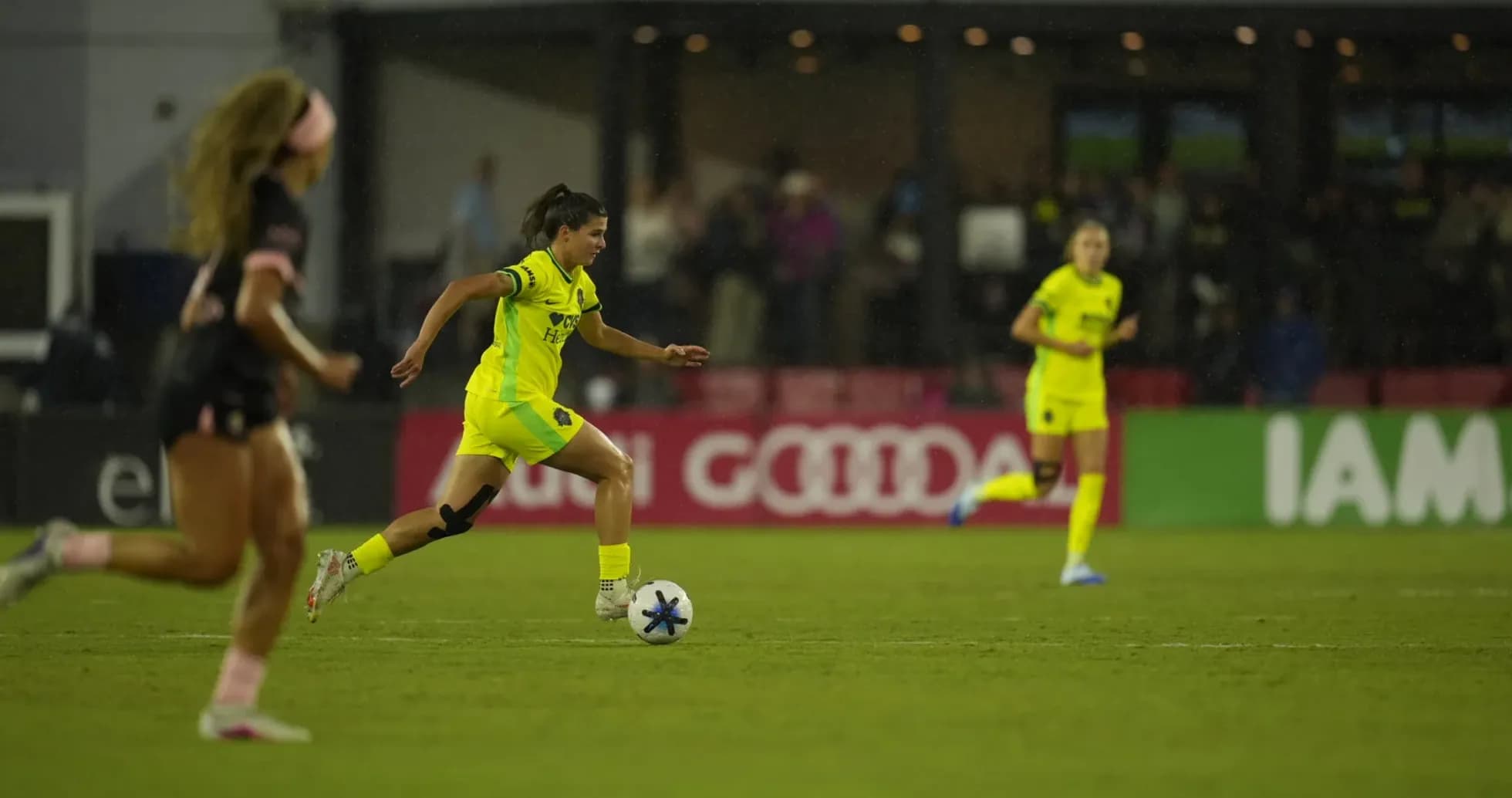
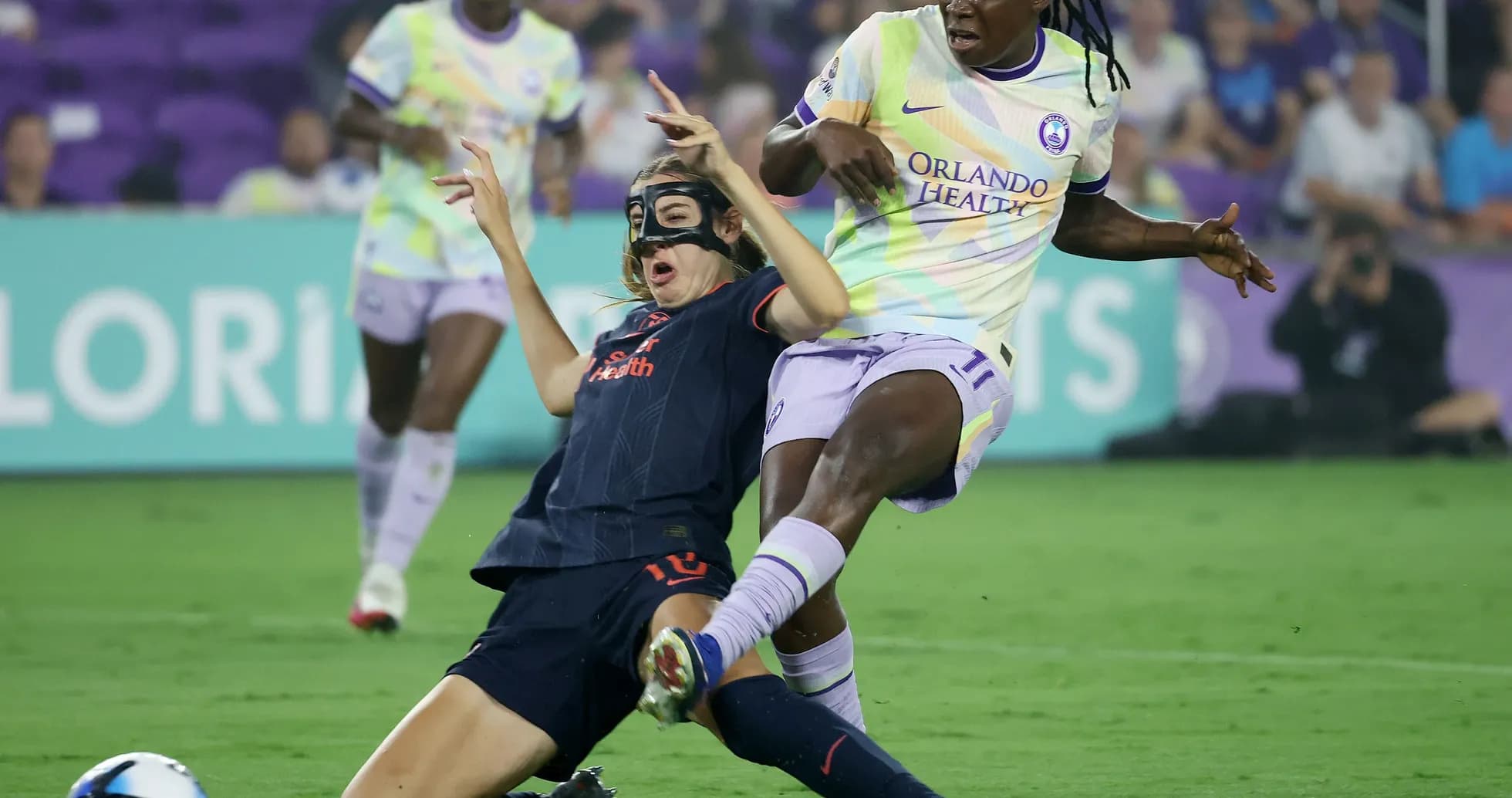
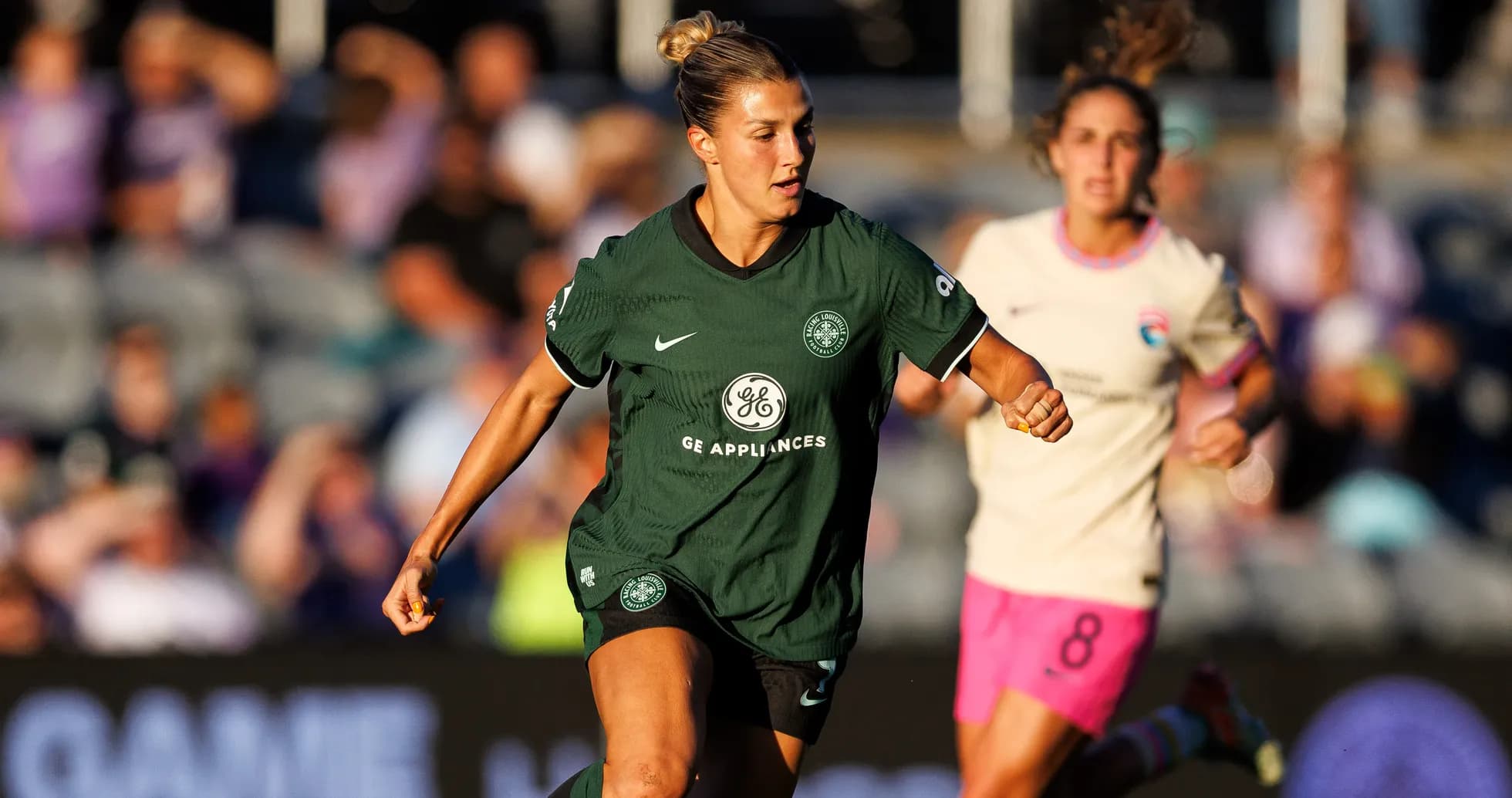
Under the lights at Providence Park, this Group Stage meeting in the NWSL Women felt like a microcosm of where these two clubs stand in 2026. Portland Thorns W, fifth in the table with 43 points and a goal difference of 8 (43 scored, 35 conceded in total), hosted a Houston Dash W side sitting 12th on 30 points, carrying a negative goal difference of -4 (32 scored, 36 conceded in total). It finished 1–1: a night where Portland’s home dominance met Houston’s stubborn resistance and neither quite bent enough to break.
Portland’s seasonal identity is clear. Overall, they have 12 wins from 26, but the real fortress is Providence Park: at home they have 7 wins, 5 draws and just 1 defeat from 13, scoring 22 and conceding only 9. An average of 1.7 goals scored at home against 0.7 conceded underpins their play-off push. Houston arrive as the archetypal dangerous underdog: 8 wins in total but only 3 on their travels, with an away record of 3 wins, 3 draws and 8 defeats, 13 goals scored and 22 conceded. On their travels they average just 0.9 goals for and 1.6 against, and that fragility on the road framed the tactical story.
Both coaches mirrored each other with 4‑2‑3‑1 systems. Robert Vilahamn (Karlsson) leaned into continuity, using the formation that has been Portland’s default this season (20 league starts in that shape). Juan Carlos Amorós, whose Dash have alternated between 4‑4‑2 and 4‑2‑3‑1, opted for the latter to give his side an extra layer of protection between the lines.
Portland Thorns Lineup
For Portland, the back four of R. Reyes, Carolyn Lisette Calzada, J. Perry and M. Vignola sat in front of M. Arnold in goal. The double pivot of N. Nijstad and J. Fleming was designed to control rhythm and protect transitions, while the band of three – M. Weaver, P. Tordin and Caiya Hanks – worked to feed S. Smith, the league’s fourth‑rated forward and the Thorns’ attacking totem.
Smith’s season numbers explain why she is the tactical centrepiece. Heading into this game she had 11 goals and 4 assists in total across 26 appearances, with 81 shots and 46 on target. She is not just a finisher but a volume shooter and creator, with 37 key passes and 67 dribble attempts, 33 successful. Her presence at the tip of this 4‑2‑3‑1 bends defensive blocks and opens lanes for runners like Tordin and Weaver.
Alongside her, P. Tordin offers a different profile: 6 goals and 7 assists in total, with 44 key passes and 54 dribble attempts, 24 successful. Tordin’s league‑leading creative numbers for Portland make her the natural “10” in this system – the player who knits together the lines and times third‑man runs. Between Smith’s vertical threat and Tordin’s playmaking, the Thorns’ total average of 1.7 goals per match is no accident.
Defensively, though, Portland’s aggression has an edge. J. Perry, starting on the right of the central pairing, brings ball security (82% pass accuracy) and defensive timing – 15 tackles, 5 successful blocks and 13 interceptions – but also a disciplinary risk. Across the campaign she has collected 6 yellow cards and 1 red, ranking near the top of the league for cautions. R. Reyes on the opposite side adds bite of her own, with 25 tackles, 9 blocked shots and 15 interceptions, plus a straight red in her record. The Thorns’ card distribution shows a pronounced late‑game spike: 25.81% of their yellows arrive between 76–90 minutes, with another 19.35% from 61–75. This is a back line that finishes as combatively as it starts, and that edge shaped how they defended a narrow scoreline late on.
Houston Dash Lineup
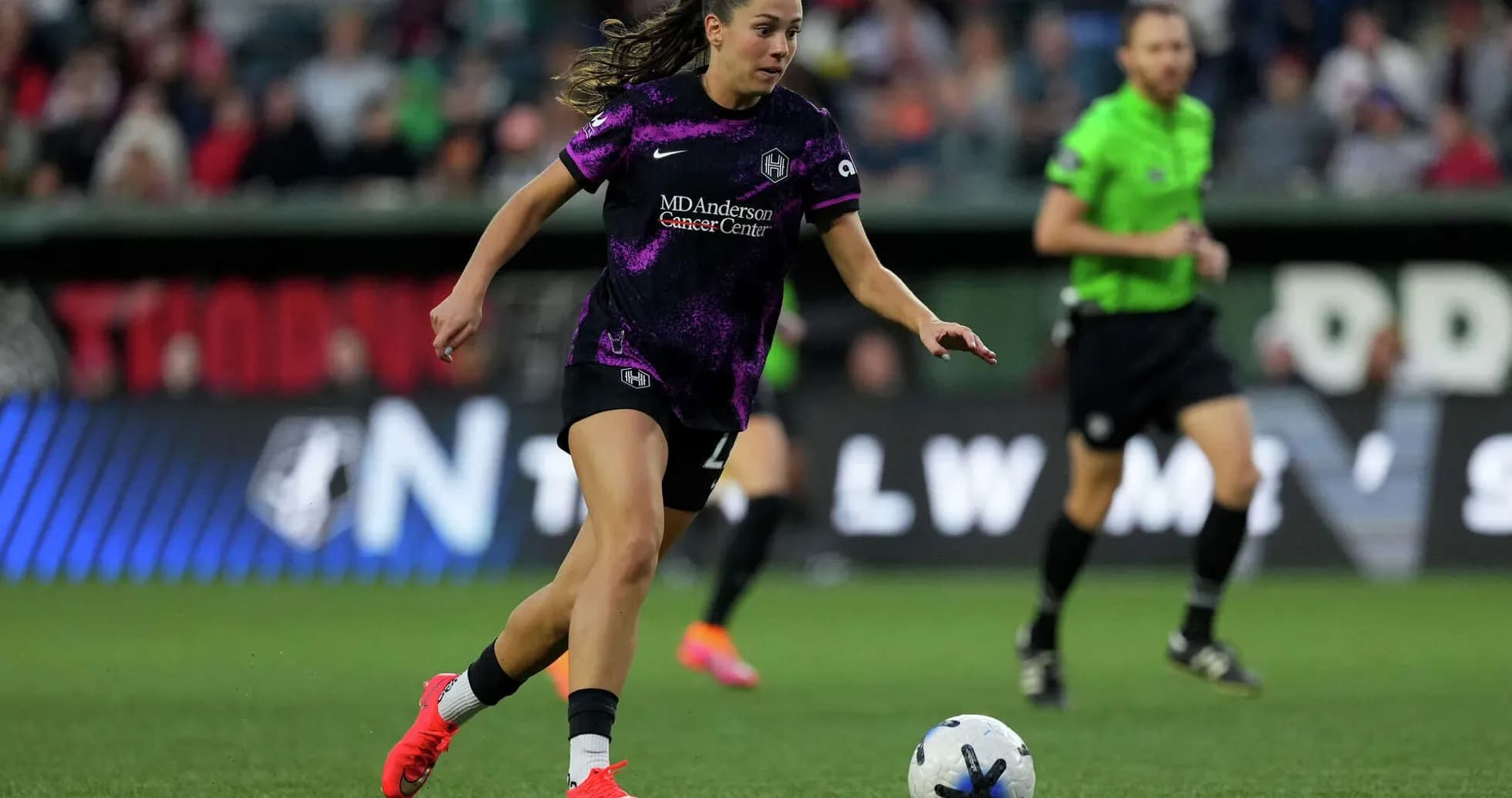
Houston’s 4‑2‑3‑1 had its own clear anchors. J. Campbell in goal marshalled a back four of Avery Patterson, P. Nielsen, L. Klenke and L. Boattin. In front of them, M. Graham and S. Puntigam formed the double pivot, with K. van Zanten, K. Rader and M. Ivanović supporting K. Faasse up top.
If Smith is Portland’s hunter, K. Rader fills a similar role for the Dash, albeit from deeper. With 9 goals and 1 assist in total from midfield, 42 shots (26 on target) and 30 key passes, Rader is the heartbeat of Houston’s attack. Her 77% pass accuracy and 27 tackles, plus 1 blocked shot and 8 interceptions, underline her two‑way importance. In a side that averages only 1.2 goals per match overall – and just 0.9 away – her efficiency in the final third is critical.
Behind Rader, Avery Patterson is the defensive bellwether. She has 54 tackles, 6 successful blocks and 26 interceptions, and wins more than half of her 209 duels. But that aggression comes at a cost: Patterson tops the yellow‑card charts with 7 cautions and also appears among the leading red‑card profiles in the league’s disciplinary lists. She has also conceded a penalty this season, and while Houston’s penalty takers have converted 4 of 5 (80.00%), one miss remains a reminder that their margin for error is slim.
Houston’s own card profile mirrors Portland’s late‑game intensity. A full 20.00% of their yellows arrive between 76–90 minutes, with another 17.14% in both the 16–30 and 46–60 windows. In a fixture where both teams’ aggression spikes as legs tire, the closing stages were always likely to be attritional, and so it proved as the 1–1 scoreline held through a combative final quarter.
Midfield Duel
In midfield, the “engine room” duel was defined by how Portland’s creators could navigate Houston’s screen. J. Fleming and N. Nijstad, though less heralded in the raw rankings, had to find angles past Graham and Puntigam to reach Tordin between the lines. For stretches, Houston’s double pivot succeeded in funnelling play wide, forcing Weaver and Hanks into more direct duels with Patterson and Boattin rather than clean combinations through the centre.
From a statistical prognosis, the draw aligns with the underlying profiles. Portland’s overall defensive record – 35 conceded at 1.3 per match – is solid, especially at home where they allow only 0.7 per game. Houston’s away attack is modest, but their defensive average on the road of 1.6 conceded suggests they rarely collapse completely. Portland’s perfect penalty record (6 from 6, with no misses) and Houston’s one miss from 5 underline that, on another night, a single spot‑kick could have tipped the balance.
Following this result, the Thorns’ point total and goal difference still place them firmly in the play‑off conversation, while the Dash’s draw on their travels is a small but important step in stabilising a season marked by inconsistency. Tactically, it felt like a meeting between a refined, home‑strong contender and a flawed but dangerous visitor: Portland’s structured 4‑2‑3‑1, powered by S. Smith and P. Tordin, against a Houston side leaning heavily on K. Rader’s spark and Patterson’s edge. The 1–1 scoreline reflected not a lack of ambition, but two distinct identities cancelling each other out just enough to share the points.