Henry Jacques and Ousmane Dembélé: A Partnership in Craft and Precision
For more than fifty years, Henry Jacques has gone against the grain of its own industry. While much of perfumery chased scale, shortcuts and synthetics, the family-owned house stayed stubbornly loyal to the slow, meticulous craft of haute parfumerie. Now it has found an equally single‑minded partner in Ousmane Dembélé – a forward whose career has been rebuilt on the same principles of patience, precision and long-term conviction.
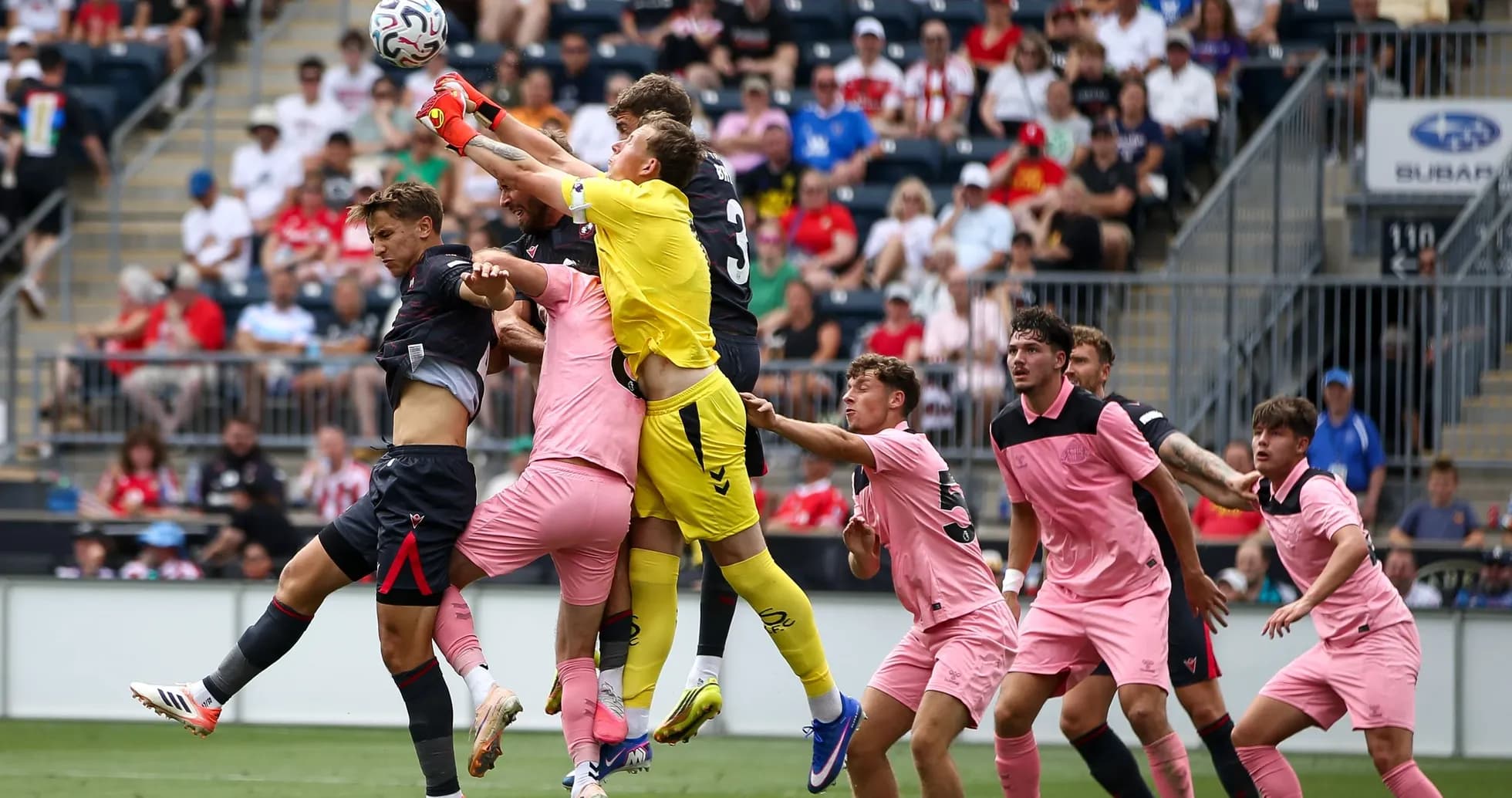
On the pitch, Dembélé is chaos with a purpose. He breaks pressing schemes, snaps defenders out of their rhythm, and changes the tempo of a match with a single touch. Away from the stadium lights, the Frenchman cuts a very different figure: a connoisseur, a collector, a man who cares about how things are made.
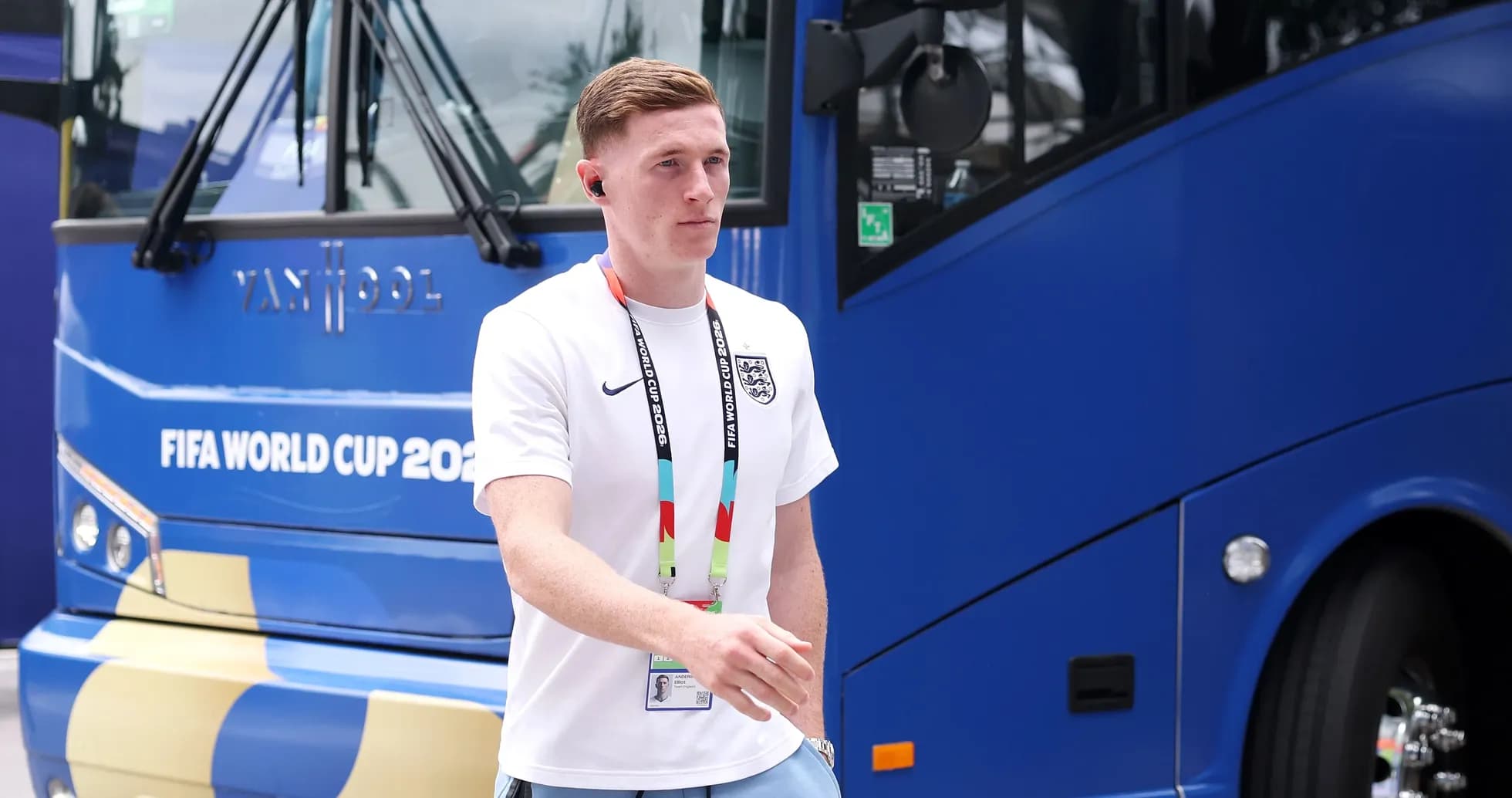
Fragrance is not a casual accessory for him. It is a habit, almost a ritual. He prefers solid formats that slide easily into a pocket or a locker, small objects that fit around the rhythms of an elite footballer’s day. Team-mates have seen him apply perfume in the dressing room, before a warm-up, or while locked into his music on the bus. It is part of his preparation, part of how he carries himself.
That eye for detail runs through his wider tastes. His commitment to Zegna underlines a preference for brands that build from substance, not spectacle; labels that put craft ahead of noise. It is the same instinct that draws him towards Henry Jacques.
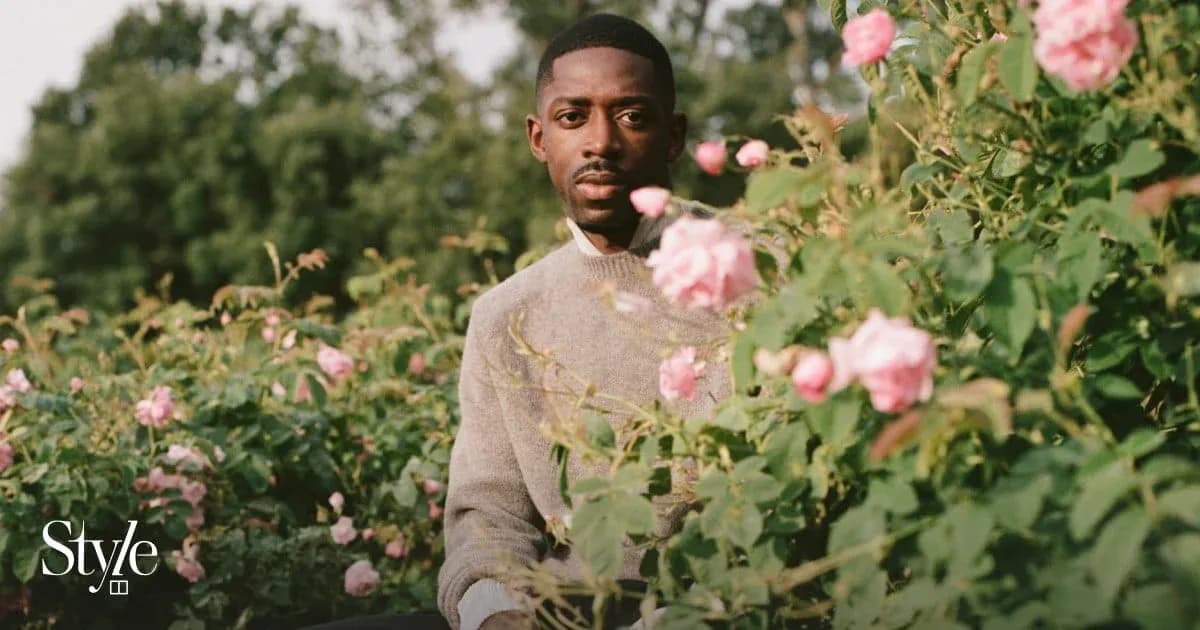
The maison has long backed the hard road. It chose bespoke fragrances when the market swung hard towards mass production. It invested in its own laboratory and atelier rather than outsourcing the work. More recently, it added rose cultivation to that ecosystem, tightening control over the raw materials that define its scents. Speed has never been the priority. Quality has.
From that philosophy has grown a collection with clear tiers and textures. Les Classiques run across three formats – Essences, Brumes and Solides – giving wearers different ways to live with the same olfactory idea. Above them sit the rarer Exceptions, fragrances that speak to collectors and obsessives. Around it all, accessories are built to move this “olfactory wardrobe” through daily life, from training ground to evening event.
The partnership with Dembélé fits that mindset. This is not a deal built on billboards and bombast. It is about recognition: a house that stayed true to its craft aligning with a player who refused to let injuries and doubt write his story.
For several seasons, Dembélé’s talent felt trapped in treatment rooms and medical bulletins. Questions followed him from club to club, country to country. Could his body hold up? Would his decision-making ever match his outrageous skill? The 2024-25 campaign at Paris Saint-Germain answered those doubts with ruthless clarity.
He finished it with a historic quadruple. Ligue 1 secured. Coupe de France in the bag. Trophée des Champions added for domestic dominance. And the one trophy PSG had chased for so long: the UEFA Champions League. To crown it all, Dembélé walked away with the Ballon d’Or, recognised as the standout player in world football across that season.
His resurgence mirrors the house that now shares his name. Both turned down easier paths. Both chose discipline over compromise. Both accepted that true freedom – the freedom to improvise on the pitch or to compose a daring scent – only comes after years of structure and restraint.
At the core of this alliance lies a simple belief: fine fragrance should live with you, not sit on a shelf. Henry Jacques and Ousmane Dembélé meet in that philosophy of quiet luxury – not the shout of logos, but the calm insistence on certain materials, certain rituals, and the time it takes to do things properly.
In an era obsessed with instant impact, they are betting on something else entirely: that the most lasting impressions are the ones crafted slowly, then carried every day.