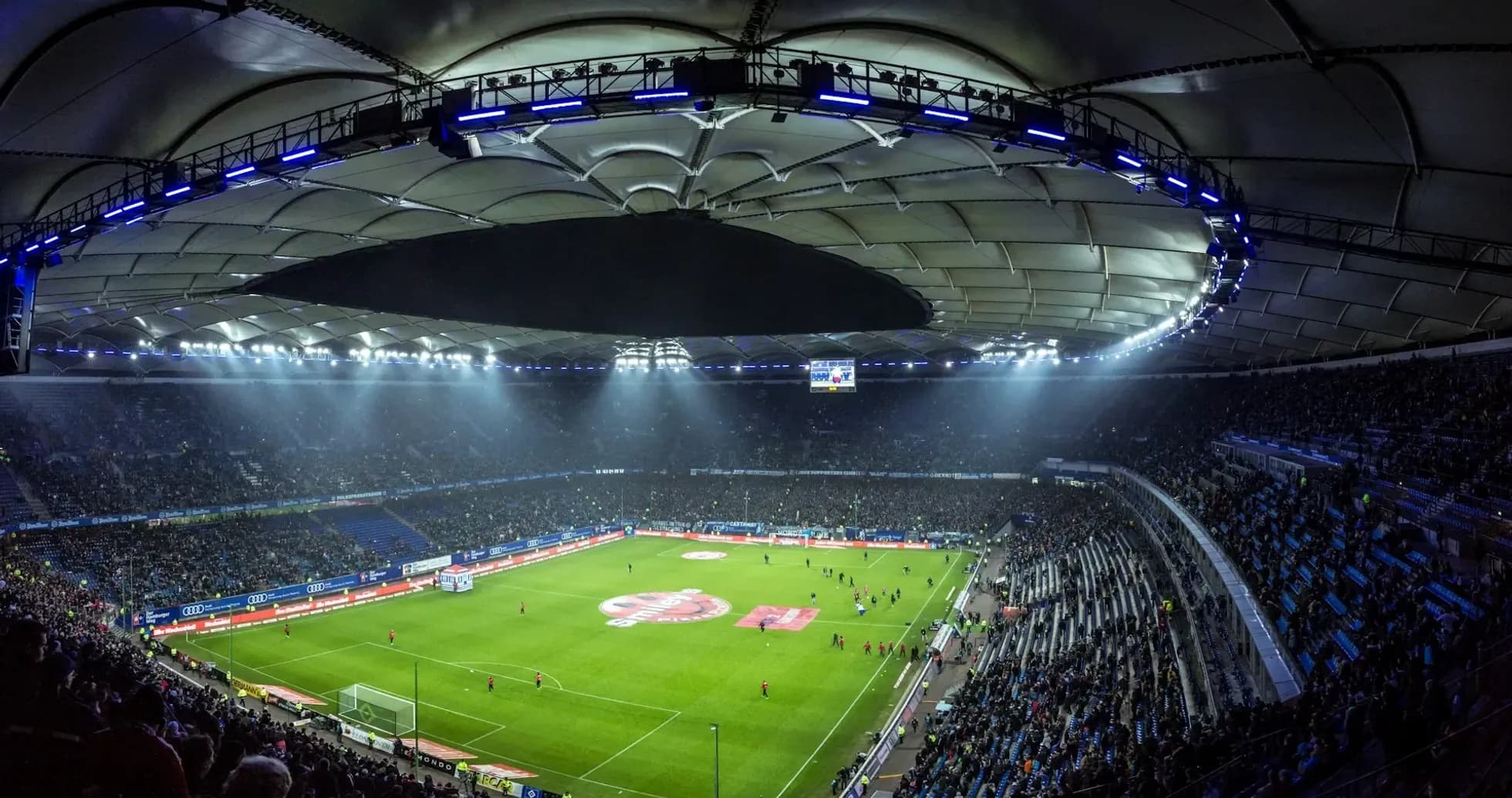
Portugal vs Croatia: World Cup Round of 32 Preview
Under the lights of BMO Field in Toronto on 2 July 2026, two generations of European pedigree collide as Portugal and Croatia step into a World Cup Round of 32 tie that feels far bigger than a first knockout hurdle. For Portugal, group progress was secured with control and authority, but with Cristiano Ronaldo and a gifted supporting cast, anything less than a deep run will feel like underachievement. Croatia arrive from their own group battle hardened and proud, still driven by L. Modric and a core that refuses to fade, knowing this could be one of the last shots at the ultimate prize for a golden era.
Season Context
Portugal come into this World Cup knockout with 3 matches played, 5 points collected and a commanding goal difference built on 6 goals scored and only 1 conceded (3 played, 6 GF, 1 GA). Ranked 2nd in Group K and already marked in the “Round of 32” zone, they have combined attacking flair with defensive security to move through the group while leaving the sense that there is still another gear to find.
Croatia also sit 2nd in their section, Group L, but with a different profile: 3 matches played, 6 points, 5 goals scored and 5 conceded (3 played, 5 GF, 5 GA). The zero goal difference underlines a more volatile path, with two wins and one defeat shaping a campaign where resilience and experience have carried them through tight margins into the Round of 32.
Form & Momentum
Portugal’s form string reads “DWD”, a snapshot of a side that has been consistently hard to beat (0 losses in 3 matches) while still searching for total control. Averaging 2.0 goals scored and just 0.3 conceded per game across those 3 fixtures (6 GF, 1 GA, 3 played) makes this a balanced and efficient team, able to hurt opponents without sacrificing defensive stability. The combination of a strong defensive record and an unbeaten run gives them a quietly confident momentum into the knockout phase.
Croatia arrive with the form “WWL”, reflecting a campaign of sharp peaks and one clear setback. Two victories in their three outings underline their threat, but conceding 5 goals in those 3 matches (1.7 goals conceded per game from 5 GA, 3 played) shows a vulnerability that contrasts with Portugal’s more secure base. Still, scoring 5 times themselves (1.7 goals per game) confirms that Croatia remain dangerous in open contests, leaning on their capacity to respond when games become stretched.
Head-to-Head Patterns
Recent competitive history between these nations has been rich and finely balanced. On 18 November 2024, they drew 1-1 in Croatia’s Stadion Poljud in the UEFA Nations League (Croatia 1-1 Portugal, UEFA Nations League, season 2024, November 2024), a result that captured the tactical chess match between two well-drilled midfields. Earlier that same UEFA Nations League campaign, Portugal edged a tight encounter 2-1 at Estádio da Luz in Lisbon (Portugal 2-1 Croatia, UEFA Nations League, season 2024, September 2024), underlining their ability to find a way at home in high-level competitive fixtures. Going back to 17 November 2020, Portugal produced a 3-2 away win at Stadion Poljud in another UEFA Nations League clash (Croatia 2-3 Portugal, UEFA Nations League, season 2020, November 2020), a reminder that when these sides meet with something at stake, Portugal have often found decisive moments in front of goal.
Tactical Preview
Portugal’s World Cup has been built on a compact structure and controlled aggression, and the data points towards a consistent 4-2-3-1 shape (4-2-3-1 used in 3 matches). With 6 goals scored and just 1 conceded over 3 games (2.0 GF and 0.3 GA per match from standings), their double pivot has shielded the back line effectively while freeing creative midfielders like Bruno Fernandes and Bernardo Silva to operate between the lines. The presence of wide threats such as Rafael Leão and João Félix, plus the penalty-box instincts of Cristiano Ronaldo, fits naturally into this 4-2-3-1, giving Portugal multiple routes to goal while maintaining a strong defensive block that has already delivered 2 clean sheets across 3 matches in the wider statistical sample.
Croatia, by contrast, have alternated between a 4-2-3-1 and a 3-4-2-1 (4-2-3-1 played 2 times, 3-4-2-1 once), hinting at tactical flexibility that could be crucial against Portugal’s structured approach. Their 5 goals scored and 5 conceded in 3 games (1.7 GF and 1.7 GA per match from standings) suggest a side more open both in attack and defence, leaning on the passing rhythm of L. Modric and M. Kovacic to progress the ball and create overloads. In a back four, J. Gvardiol and M. Pongracic give solidity and distribution from deep, while A. Kramaric and A. Budimir offer different profiles up front, from dropping between the lines to attacking crosses. If Croatia opt for a 3-4-2-1, wing-backs and advanced midfielders like Mario Pasalic and N. Vlasic can attack the half-spaces, but that system risks exposing the flanks against Portugal’s quick wide players.
The key battleground will be central midfield: Portugal’s double pivot and creative 10 against Croatia’s experienced trio. Portugal’s defensive index in the comparison model is significantly stronger (defensive comparison index 83% vs 17%), indicating they are better equipped to absorb pressure and limit clear chances. Croatia’s slightly better form index (form comparison index 55% vs 45%) shows they have been marginally sharper in recent overall performance, but their higher goals conceded rate (5 GA in 3 games) could be decisive against a Portugal side that has already shown it can score freely when in control.
Statistical Snapshot
- Competition: World Cup, season 2026 — 2 July 2026.
- Venue: BMO Field, Toronto.
- Prediction: Win or draw — Double chance : Portugal or draw.
- Win Probabilities: Home 45% / Draw 45% / Away 10%.
- Model: Portugal 66.5% — Croatia 33.5%.
Betting Verdict
The prediction model leans clearly towards Portugal avoiding defeat, and the odds broadly echo that view: home prices between roughly 1.73 and 1.81 imply an approximate 55–58% chance, while draw odds around 3.12–3.66 suggest roughly 27–32%, and away odds from about 4.15 up to 5.24 translate to roughly 19–24% implied probability. Portugal’s superior defensive record (6 scored, 1 conceded in 3 matches) and their edge in past competitive head-to-heads, including away wins in Split, strengthen the case for siding with them on the safer “double chance” angle. Croatia’s attacking threat and flexible systems mean an upset cannot be ruled out, but their tendency to concede (5 goals in 3 group games) makes it harder to trust them outright against such a balanced opponent. The advised play is to follow the model and take Double chance : Portugal or draw, banking on Portugal’s solidity and knockout pedigree to carry them through or at least into extra time.