Liverpool’s £400m Gamble and the Quansah Transfer Mistake
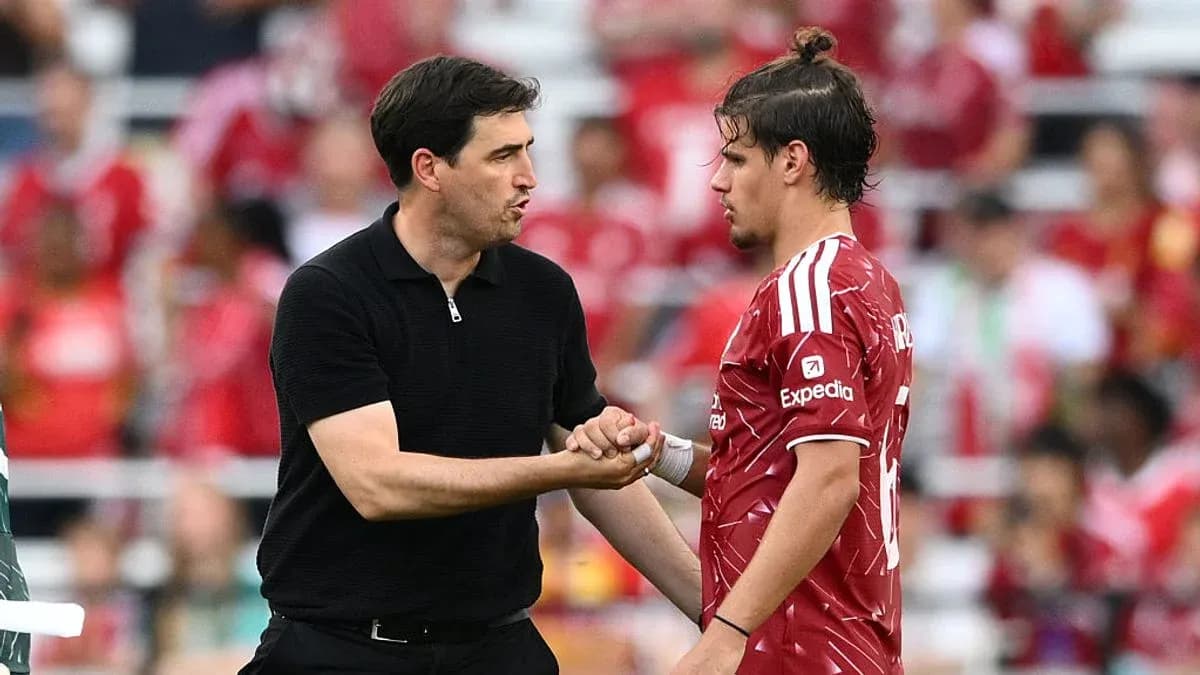
Liverpool’s bold rebuild after the 2025 Premier League title win was supposed to secure a dynasty. Instead, it is now being held up as the club’s worst spell of transfer business in the modern era – and the Jarell Quansah situation threatens to become the defining symbol of it.
They tore up a title-winning squad. At huge cost.
More than £400m went on new arrivals, softened only by roughly £200m recouped in sales. Players were moved on in volume, the kind of churn you’d expect from a team in crisis, not from champions of England.
At the time, it looked ambitious. Ruthless. Progressive.
With hindsight, it looks reckless.
Quansah deal would seal a grim verdict
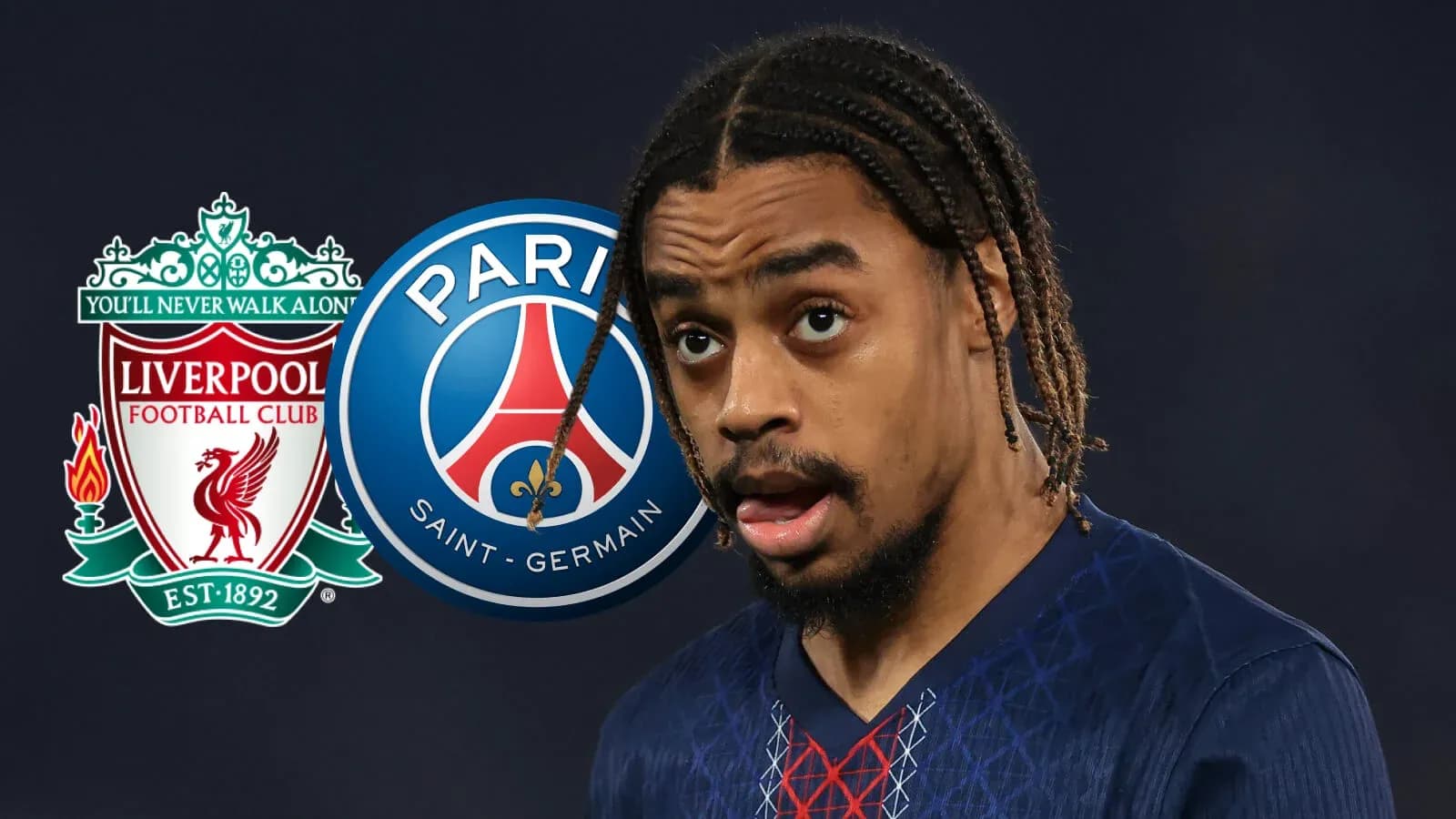
The latest twist comes in the shape of Quansah, now at Bayer Leverkusen and firmly on Arsenal’s radar before the window closes, according to Sky Sports.
Leverkusen don’t want to sell. That much is clear. But Arsenal are ready to test their resolve with a hefty bid, one that is expected to climb beyond £52m and could push past £60m.
The complication for everyone else is Liverpool.
The BBC report that the Reds retain first refusal if Leverkusen accept an offer. Liverpool also hold an option to bring Quansah back next summer for around £60m, a clause that looms over any negotiation.
That puts Leverkusen in a brutal piece of logic.
Keep him, watch him develop further, and almost inevitably lose him to Liverpool for £60m next year. Or cash in now if Arsenal go above that figure and bank a larger fee while they can.
If Arsenal do step over that £60m line and Leverkusen bite, Liverpool will be left staring at a nightmare: a homegrown England international centre-back, developed at Kirkby, ending up at a direct rival for a net gain of around £35m.
For a player they already had.
For a club that prides itself on smart trading, that is the kind of deal that stings for years.
A pattern of sales that keeps getting worse
Quansah would not stand alone. He would simply join a growing list of decisions that now look like misjudgments.
Caoimhin Kelleher, long viewed as one of the best No.2 goalkeepers in the Premier League and ready to start at this level, was sold to Brentford for an initial £12.5m, with add-ons only taking it up to a possible £18m. For a proven, young Premier League goalkeeper, that figure already feels light.
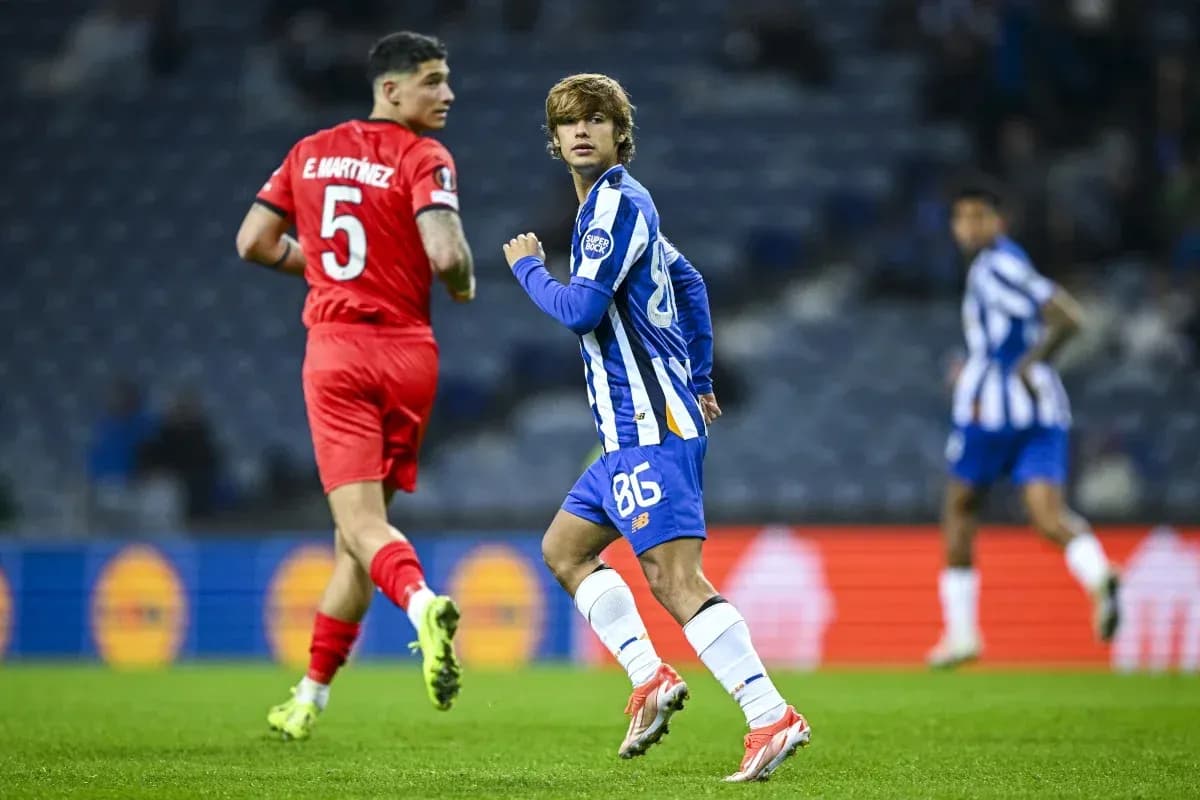
Then there’s Tyler Morton. Shipped off to Lyon for what can only be described as a modest fee, he has quickly settled in France and emerged as one of the more impressive midfielders in Ligue 1. Liverpool needed energy and intelligence in midfield; they watched one of their own provide it elsewhere.
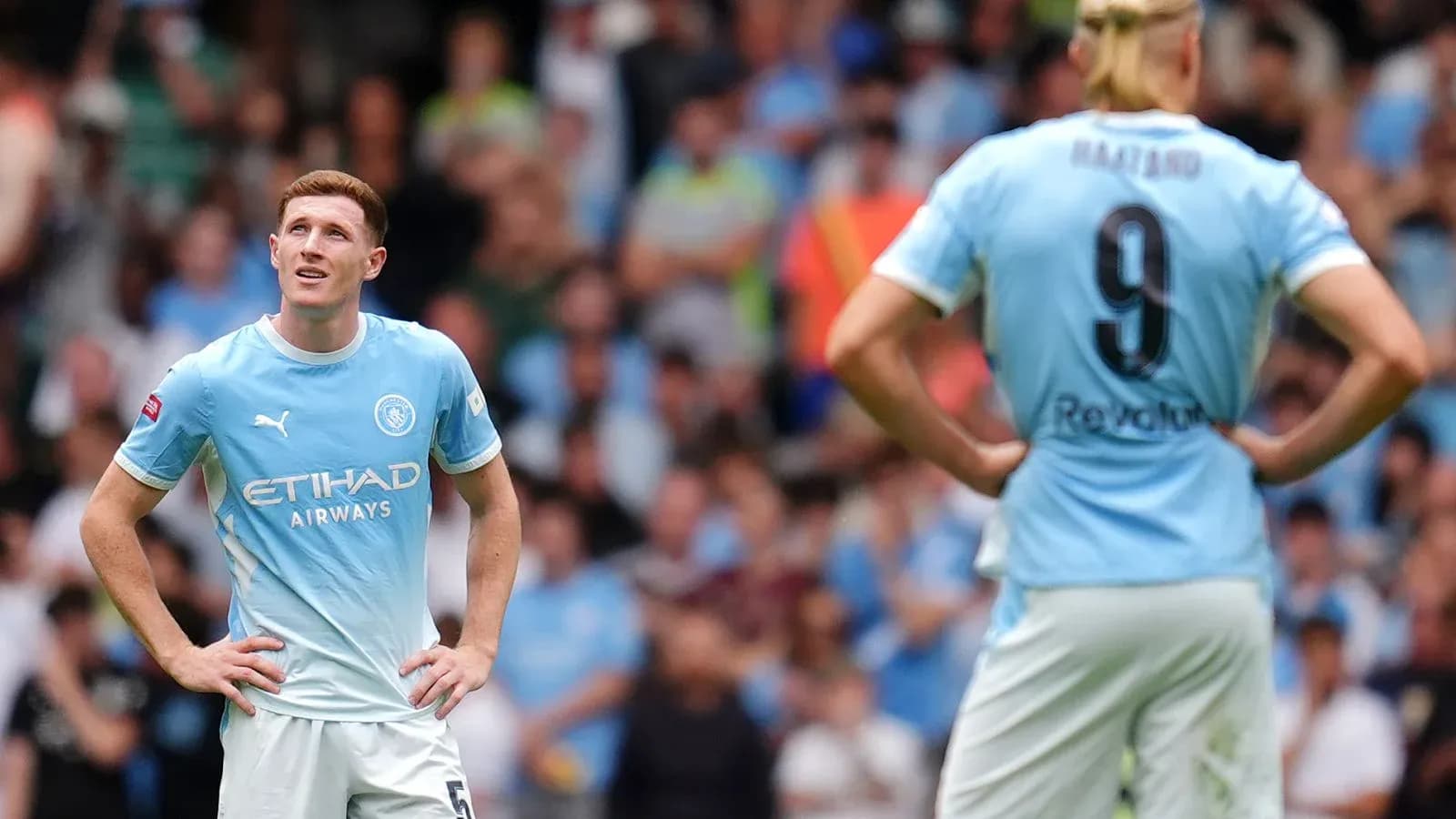
Harvey Elliott’s situation cuts in a different way. Not sold, but sent on a loan that has done real damage. Instead of accelerating his progress, the move has stalled it, dragging down his value and stealing a year from a career that once looked ready to explode.
Even the Luis Diaz decision sits uneasily in this context.
One of the world’s most dangerous wingers, allowed to leave for a fee that now looks short-sighted. Liverpool will almost certainly have to pay close to double that amount to find anyone of similar quality, if they can find one at all.
Taken one by one, those calls are debatable. Taken together, they form a pattern. A worrying one.
From model sellers to cautionary tale
Liverpool built much of their recent success on elite trading. They sold smart, they bought smarter, and they squeezed maximum value out of both academy and first-team assets.
This time, they have done the opposite.
They have let high-ceiling, homegrown talent walk out the door for fees that already look too low, while the squad itself has gone backwards over the following season. The churn has not produced a stronger group, only a thinner one.
If Quansah does walk into the Emirates in Arsenal colours for a fee north of £52m, with Liverpool watching a player they nurtured become a cornerstone for a rival, the judgment on that 2025 rebuild will be brutal and simple.
It won’t just be remembered as a misstep. It will be held up as the summer when Liverpool stopped being the smartest operators in the room – and started paying the price for it.