Portland Thorns W vs Washington Spirit W: Tactical Duel Analysis
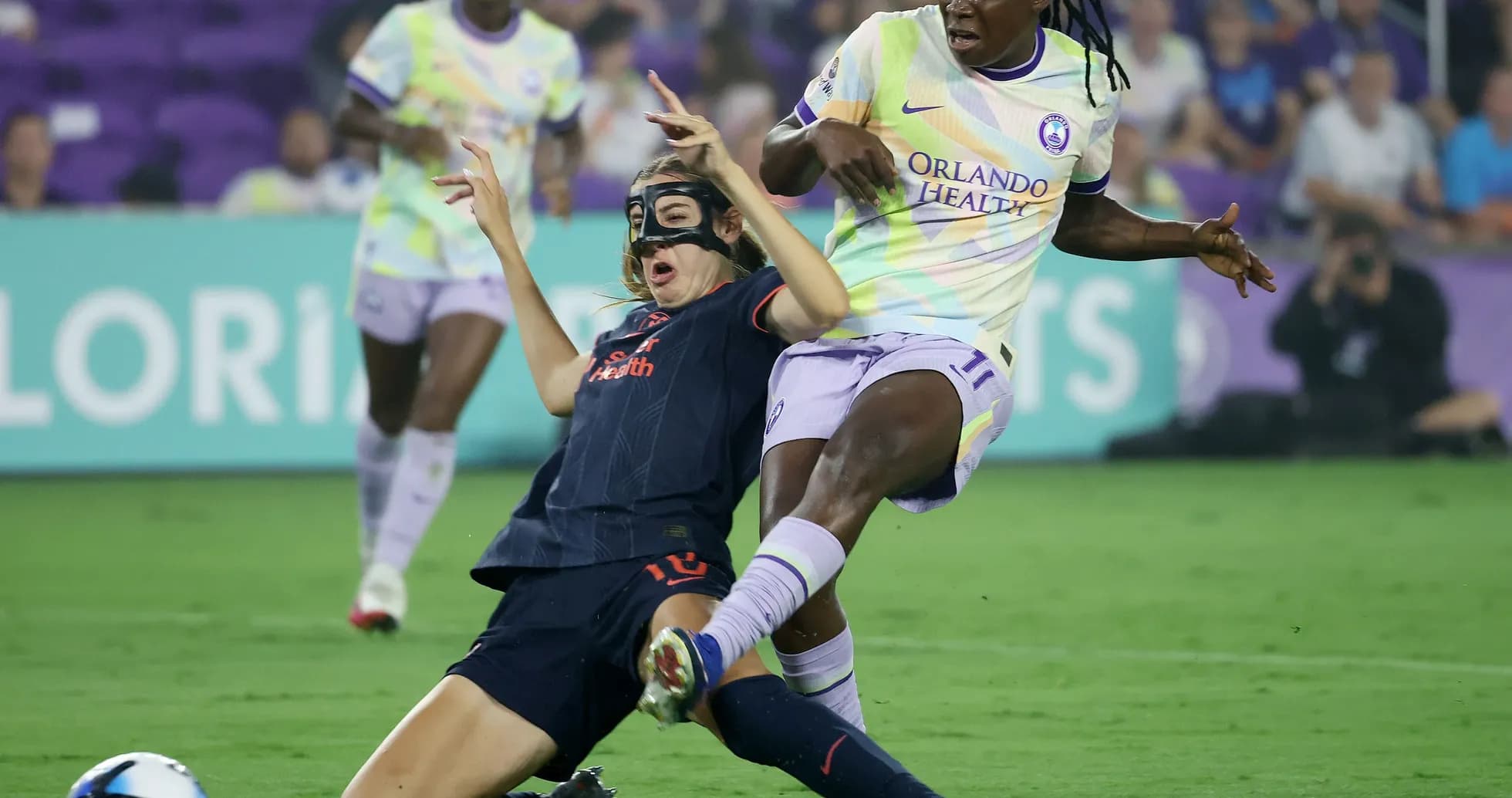
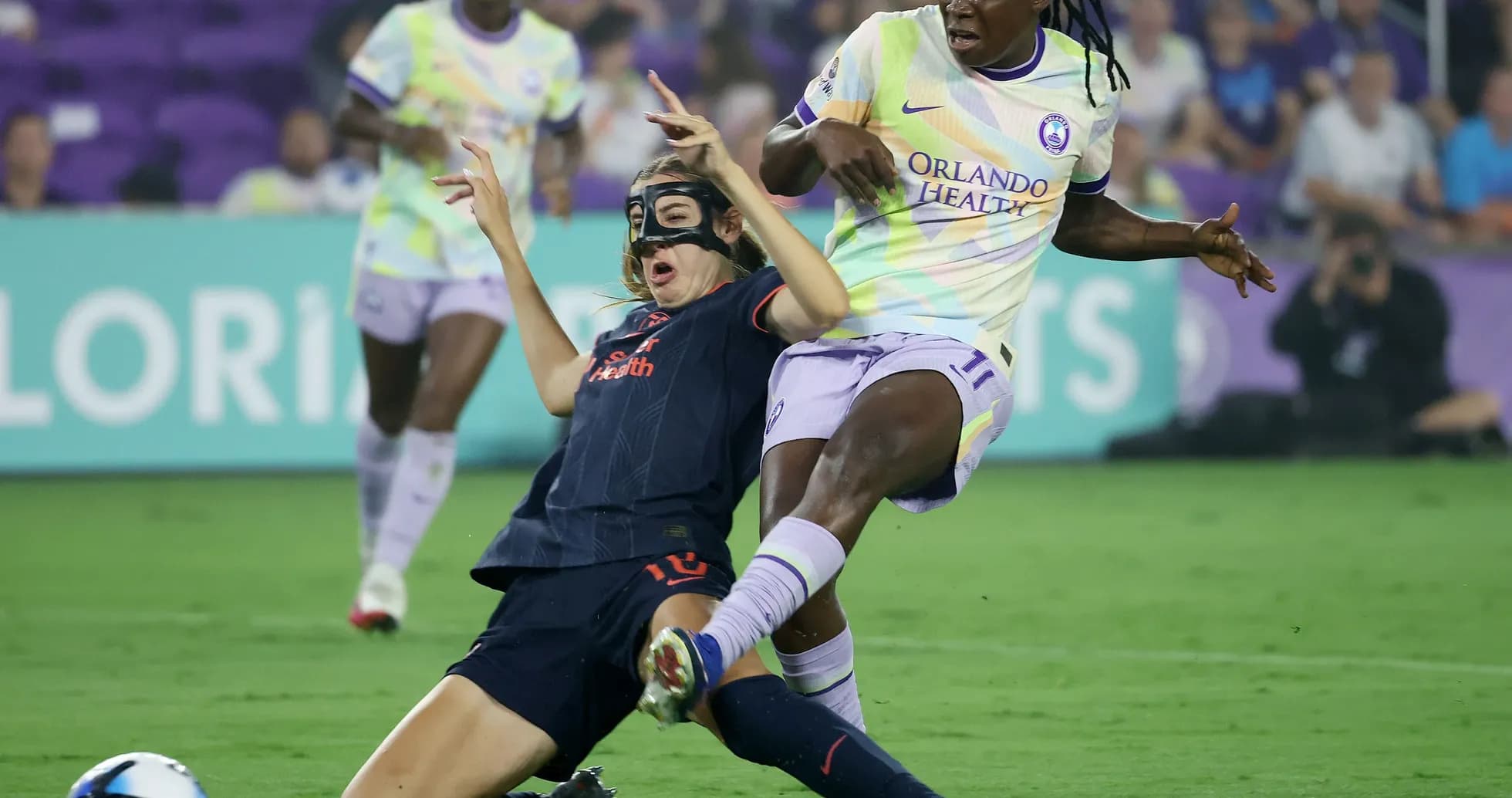
Under the Portland floodlights at Providence Park, a 1–2 defeat to Washington Spirit W closed the book on a compelling tactical duel and sharpened the outlines of both squads’ seasonal identities. This was Group Stage football in the NWSL Women with a playoff feel: Portland Thorns W, sitting 6th on 38 points with a goal difference of 5 (37 scored, 32 conceded in total), measuring themselves against a Washington side in 2nd on 43 points and a total goal difference of 13 (33 for, 20 against).
I. The Big Picture – Structures and Seasonal DNA
Portland went with their trusted 4-2-3-1, a shape that has been their default blueprint, used 17 times overall. M. Arnold anchored the side in goal, protected by a back four of M. Vignola, J. Perry, S. Hiatt, and C. Calzada. In front, the double pivot of J. Fleming and N. Nijstad was tasked with connecting a creative line of three – M. Weaver, P. Tordin, and R. Turner – to lone forward S. Wilson.
The system fits the Thorns’ profile: at home this season they have been potent, scoring 20 goals in 11 matches at an average of 1.8 per game and conceding only 7 at an average of 0.6. Overall, their 37 goals in 23 matches at 1.6 per game show a side that wants to dominate territory and chances, especially at Providence Park where they had only lost once before this fixture.
Washington Spirit W lined up in a 4-3-3, one of three structures they have used this season but a natural platform for their wide threats. Sandy MacIver started in goal behind a back four of G. Carle, E. Morgan, T. Rudd, and P. Metayer. The midfield trio of H. Hershfelt, M. Ngock, and M. Bethi offered a blend of ball-winning and progression, while the front three of R. Kouassi, S. Cantore, and T. Rodman gave the visitors verticality and pressing aggression.
The Spirit’s season numbers underline why this shape works. On their travels they have scored 18 goals in 12 matches at 1.5 per game and conceded only 10 at 0.8, part of a total defensive record of 20 conceded in 23 games at 0.9 per match. Their away resilience and capacity to edge tight contests were written all over this comeback win.
II. Tactical Voids and Discipline
There were no listed absentees, so both managers essentially had full decks. That made the selection of J. Perry at right centre-back particularly interesting. Perry is one of the league’s most card-prone defenders, with 5 yellow cards and 1 red overall, and Portland as a team have a notable late-game disciplinary spike: 21.43% of their yellow cards arrive between 61–75 minutes and another 21.43% between 76–90. It is a side that can grow frantic as the clock ticks.
Washington’s card profile is calmer but not clean. They see 20.83% of their yellow cards between 76–90 minutes and carry a notable late red threat, with a sending-off recorded between 91–105 minutes in total. In a match that turned in the second half, the risk of a chaotic closing phase was baked into the numbers, even if this particular fixture stayed within regulation time.
On penalties, Portland’s record is spotless: in total they have taken 5 and scored all 5, with no misses. Washington’s story is more fragile. In total they have earned 2 penalties, scoring 1 and missing 1, a 50.00% conversion rate that always leaves a question mark when they step up from the spot. That vulnerability did not surface here, but it shadows their otherwise efficient attacking profile.
III. Key Matchups – Hunter vs Shield, Engine Room Battles
The marquee narrative coming in was supposed to be Portland’s firepower against Washington’s defensive steel. The Thorns’ overall scoring rate of 1.6 goals per match ran straight into a Spirit back line that concedes just 0.9 per game in total and has kept 9 clean sheets, 5 of those away from home. At Providence Park, Portland’s 1.8 home goals per game met an away defence allowing only 0.8 – the classic “irresistible force vs immovable object” clash.
Individually, the “Hunter vs Shield” lens focused on Portland’s attacking core and Washington’s back four. P. Tordin, with 6 goals and 7 assists overall, has quietly become one of the league’s most complete forwards. Her 36 key passes and 50 dribble attempts, 22 of them successful, show a player who can both break lines on the ball and find runners like S. Wilson. Behind her, J. Fleming’s role as a tempo-setter from deep was crucial to get Portland between Washington’s compact lines.
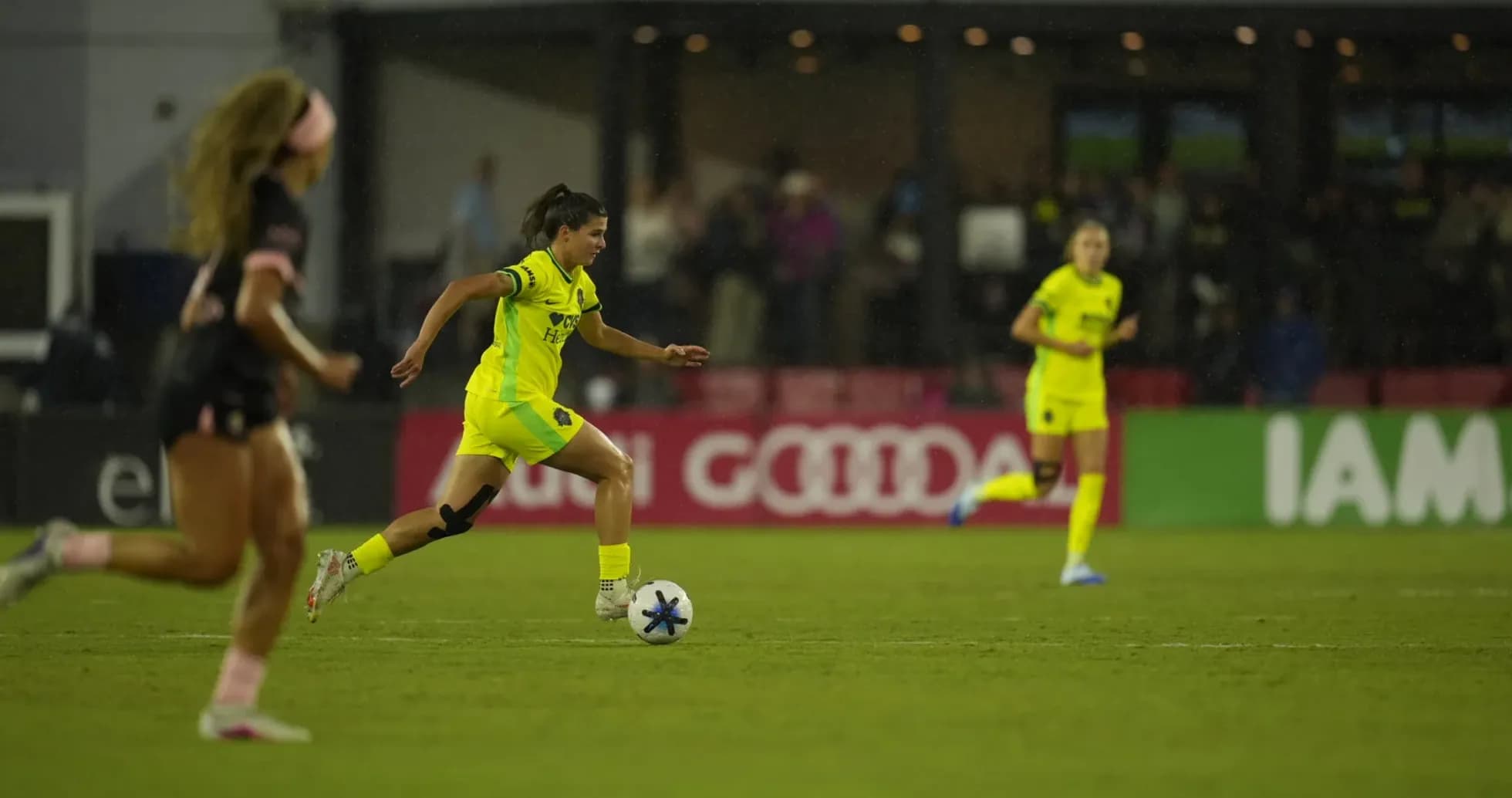
For Washington, T. Rodman is the headline act. With 8 goals and 4 assists overall, 55 shots (23 on target), and 63 dribble attempts, she embodies the Spirit’s vertical threat. Her duel volume – 199 total, 95 won – speaks to a player who constantly tests full-backs one-v-one. Up against Vignola and Perry, Rodman’s direct running was always likely to stretch Portland’s 4-2-3-1, forcing the double pivot to slide wide and opening central lanes for runners like R. Kouassi and S. Cantore.
In the “Engine Room” matchup, Washington’s midfield triangle subtly outmanoeuvred Portland’s double pivot plus 10. M. Ngock and H. Hershfelt provided the legs and coverage that allowed M. Bethi to step higher, link with the front three, and press Fleming and Nijstad from behind. That pressure, over 90 minutes, eroded Portland’s early control and helped flip a 1–0 half-time lead into a 1–2 full-time defeat.
IV. Statistical Prognosis and What It Tells Us
Following this result, Portland’s overall record of 11 wins, 5 draws, and 7 losses from 23 matches still paints them as a playoff-calibre side, but one that is more fragile against the league’s elite. Their total goal difference of 5 (37 for, 32 against) underscores a team that can outscore most but struggles to fully shut games down, especially once the emotional tempo spikes in the final half hour.
Washington’s 13 wins, 4 draws, and 6 losses in total, with a goal difference of 13 (33 for, 20 against), confirm them as one of the division’s most balanced outfits. They are not the most explosive attack, but their blend of control, defensive solidity, and the individual punch of Rodman and R. Kouassi makes them a nightmare to protect a lead against.
In xG terms – inferred from chance volume, defensive records, and scoring rates – this fixture always leaned toward a tight margin. Portland’s home scoring average of 1.8 against Washington’s away defensive average of 0.8 pointed to a narrow home edge in shot quality, but the Spirit’s away scoring rate of 1.5 against a Portland defence that concedes 1.4 in total suggested any advantage would be marginal. A one-goal game, decided by sharper finishing and better second-half control, is exactly what unfolded.
The tactical lesson is clear: Portland’s 4-2-3-1 can overwhelm mid-table sides at Providence Park, but against top-two opposition it needs either a more secure rest defence behind Tordin and Weaver or a cooler disciplinary profile in those late windows where 21.43% of their yellows tend to arrive. Washington, meanwhile, leave Oregon with three points and confirmation that their 4-3-3, anchored by MacIver and driven by Rodman, travels as well as any system in the league.