Portland Thorns W vs Chicago Red Stars W: Tactical Draw Analysis
Under the Providence Park floodlights, a Group Stage night in the NWSL Women ends with a 1–1 draw that feels very different for each side. Portland Thorns W, sixth in the table and tracking toward the quarter-finals, are held at home by a Chicago Red Stars W side marooned in 16th. For Portland, it is a point that underlines their attacking identity but hints at familiar defensive lapses. For Chicago, it is a rare away result to be cherished, and perhaps a tactical blueprint for survival.
Across 24 league matches, Portland’s seasonal DNA is clear: front-foot football, high risk, high reward. Overall they have scored 38 and conceded 33, giving them a goal difference of +5. At home, the numbers sharpen into a fortress profile: 7 wins, 4 draws, and just 1 defeat from 12, with 21 goals scored and only 8 conceded. They average 1.8 goals at home and allow just 0.7, a ratio that usually crushes visiting sides long before the final whistle.
Chicago arrive as the league’s outlier at the other end of the spectrum. Overall they have 14 goals for and 54 against, a goal difference of -40 that tells a brutal story of a season spent under siege. On their travels the picture is even more stark: 1 win, 1 draw, and 11 defeats from 13 away games, with only 4 goals scored and 32 conceded. An away scoring average of 0.3 and concession rate of 2.5 per game typically spells damage limitation rather than ambition.
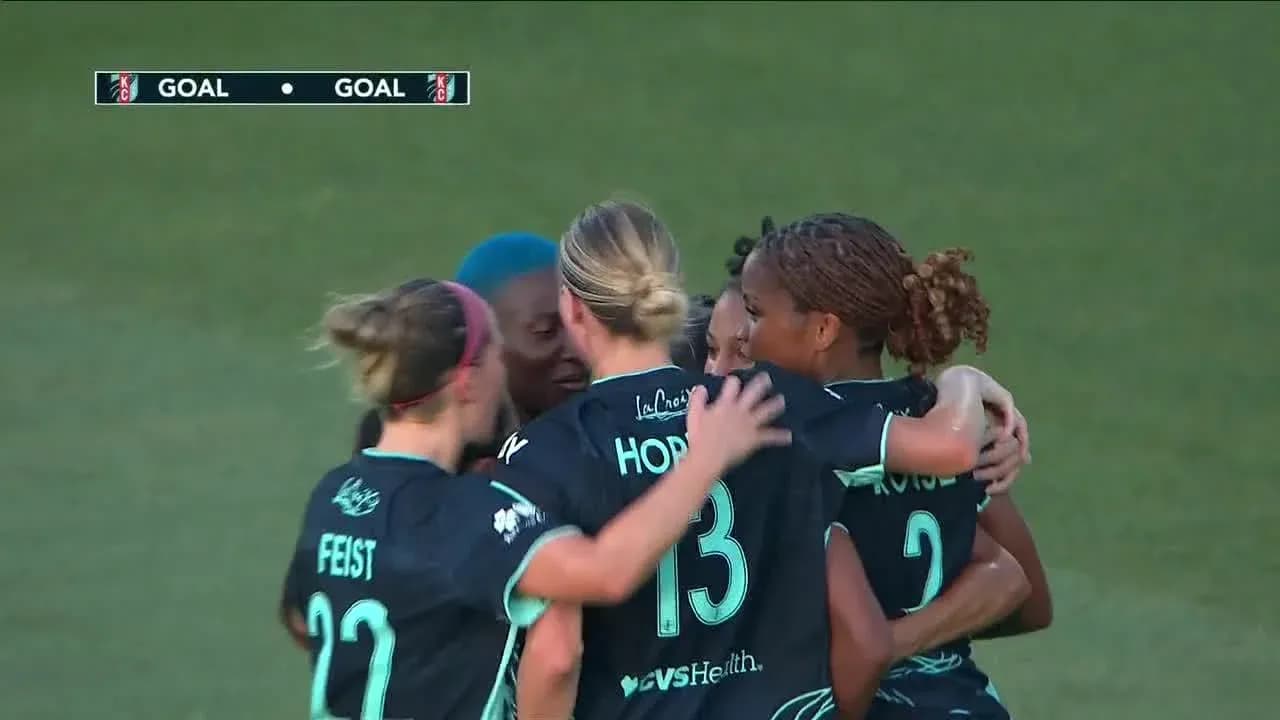
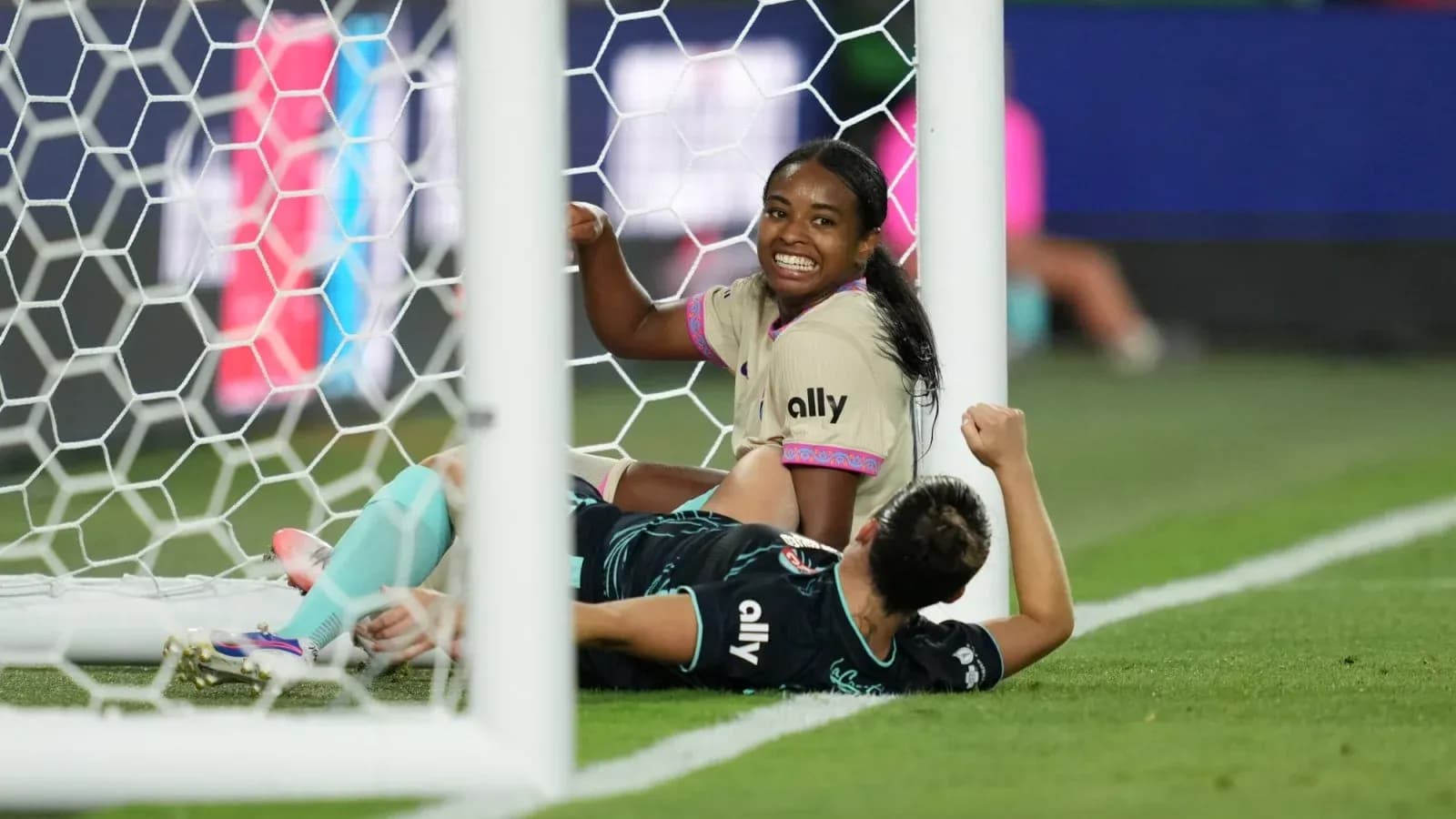
Against that backdrop, the 1–1 final scoreline is a minor shock. Portland, who had led 1–0 at half-time, allow Chicago back into a contest that, on paper, should have been suffocatingly one-sided. The tactical shapes tell part of the story. Robert Vilahamn (Karlsson) keeps faith with the Thorns’ most-used structure, the 4‑2‑3‑1 that has started 18 league matches. Chicago counter with a 4‑3‑3, one of several systems they have rotated through this season, but one that here becomes a compact, hard-working 4‑5‑1 out of possession.
Portland's Starting XI
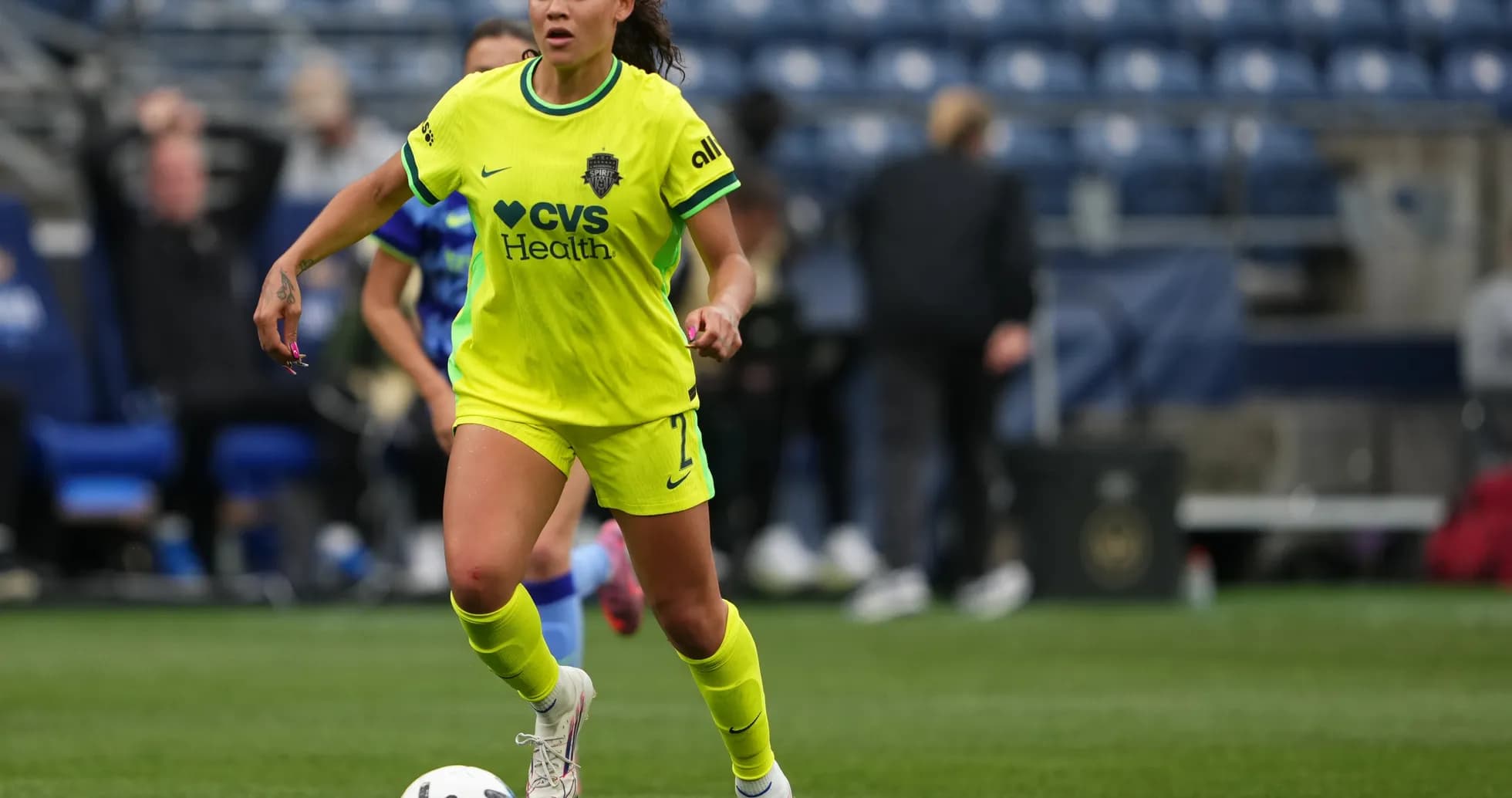
For Portland, the starting XI is a blend of established stars and emerging structure. M. Arnold anchors the side in goal behind a back four of R. Reyes, Carolyn Lisette Calzada, S. Hiatt, and M. Vignola. In front of them, the double pivot of N. Nijstad and J. Fleming is tasked with both progression and protection. The attacking band of three – M. Weaver, P. Tordin, and R. Turner – is built to feed S. Smith, the league’s fourth-ranked attacker by rating and the Thorns’ leading scorer with 10 goals and 1 assist.
Smith’s profile is that of a complete modern forward. Across 24 appearances she has 69 shots, 39 on target, and a rating of 7.18. She has also created 31 key passes and drawn 26 fouls, constantly stressing defensive lines with dribbles (63 attempted, 30 successful) and off-ball movement. Behind her, P. Tordin is the creative engine: 6 goals, 7 assists, 39 key passes, and 412 total passes at 71% accuracy. Tordin’s 215 duels, with 106 won, show a player who not only crafts chances but fights to regain the ball high.
Yet even with this firepower, Portland’s season has been defined by game states rather than pure dominance. Their card profile hints at emotional volatility: yellow cards peak between 61–75 minutes and 76–90 minutes, each band accounting for 21.43% of their bookings. Red cards are spread across early and middle phases, with dismissals in the 0–15, 46–60, and 61–75 ranges. This is a team that often rides the edge of control, particularly as matches stretch and fatigue bites.
Chicago's Defense
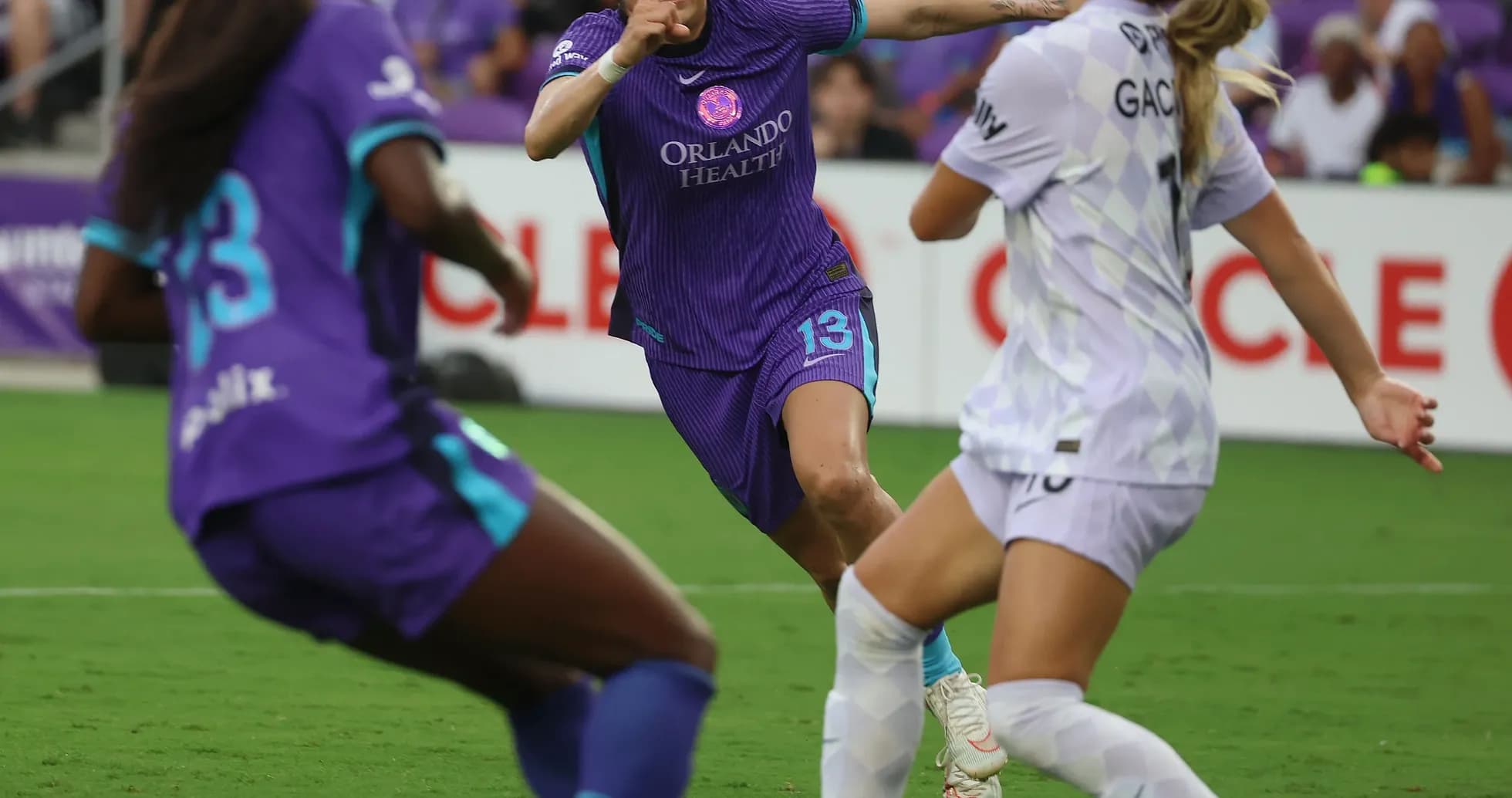
On this night, Chicago lean into that tendency. A. Naeher, the veteran in goal, stands behind a back four of T. Malham, Maitane López, S. Staab, and Nádia Gomes. The midfield trio of B. Franklin, B. Pinto, and Leila Ouahabi is less about artistry and more about density, compressing space between the lines and forcing Portland’s creators into traffic. Up front, J. Bike, M. Alozie, and J. Grosso form the first line of pressure, but their primary task is to delay, not to dominate.
Season-long, Chicago’s defensive record has been punishing, but their card distribution reveals a different kind of edge: 31.82% of their yellow cards arrive between 31–45 minutes, with another 27.27% between 46–60. They are most combustible around half-time, the very window in which Portland often try to accelerate the tempo. That clash of rhythms is central to the narrative here: the Thorns push hard before the interval and get their reward, but Chicago survive the storm and, crucially, do not implode when the game reopens after the break.
The absences ledger offers little guidance – there is no data on missing or questionable players – so this becomes a pure test of depth and discipline. Portland’s bench, with options like C. Bogere, Caiya Hanks, S. Harvey, M. Möller, and M. Padelski, suggests they can change the tempo and shape late on. Chicago’s substitutes, including H. Mackiewicz, A. Gasper, A. Farmer, E. Egizii, T. E. Dellarose, S. Charley, and Oihane Valdezate, are more about shoring up than flipping the script.
Key Matchups
In the “Hunter vs Shield” matchup, Smith and Tordin are expected to feast on a defence that has already conceded 32 away goals. Portland’s home scoring average of 1.8 against Chicago’s away concession rate of 2.5 sets a statistical expectation of multiple home goals. Yet Chicago’s “shield” on the night is collective rather than individual: narrow lines, aggressive midfield stepping, and a willingness to concede wide areas to protect the box.
In the “Engine Room”, J. Fleming and N. Nijstad face Franklin, Pinto, and Ouahabi. On paper, Portland’s double pivot should control circulation and feed their creators between the lines. But Chicago’s three-versus-two central overload, especially when one winger tucks in, repeatedly clogs the passing lanes into Tordin’s feet. The result is more lateral ball movement for Portland and fewer clean touches for Smith in dangerous zones.
From a statistical prognosis, Portland’s season-long xG profile (implied by their 1.6 overall goals scored per game and only 1.4 conceded) still marks them as favourites in almost any home fixture. Their perfect penalty record – 5 scored from 5 overall, with no misses – adds another reliable attacking edge, even though no spot-kick decides this particular match. Chicago, with 0.6 overall goals scored per game and 2.3 conceded, remain structurally fragile.
Following this result, the story is one of missed opportunity for Portland. The draw does not derail their push for the quarter-finals, but it reinforces a recurring theme: dominance in territory and chances must be converted into scoreboard distance, especially against a side that rarely scores. For Chicago, this is a rare away point, a fragment of resilience in a season of damage. The tactical blueprint – compact 4‑3‑3, disciplined central block, and selective pressing – may not erase a -40 goal difference overnight, but on this night at Providence Park, it is enough to silence a fortress and rewrite the script.