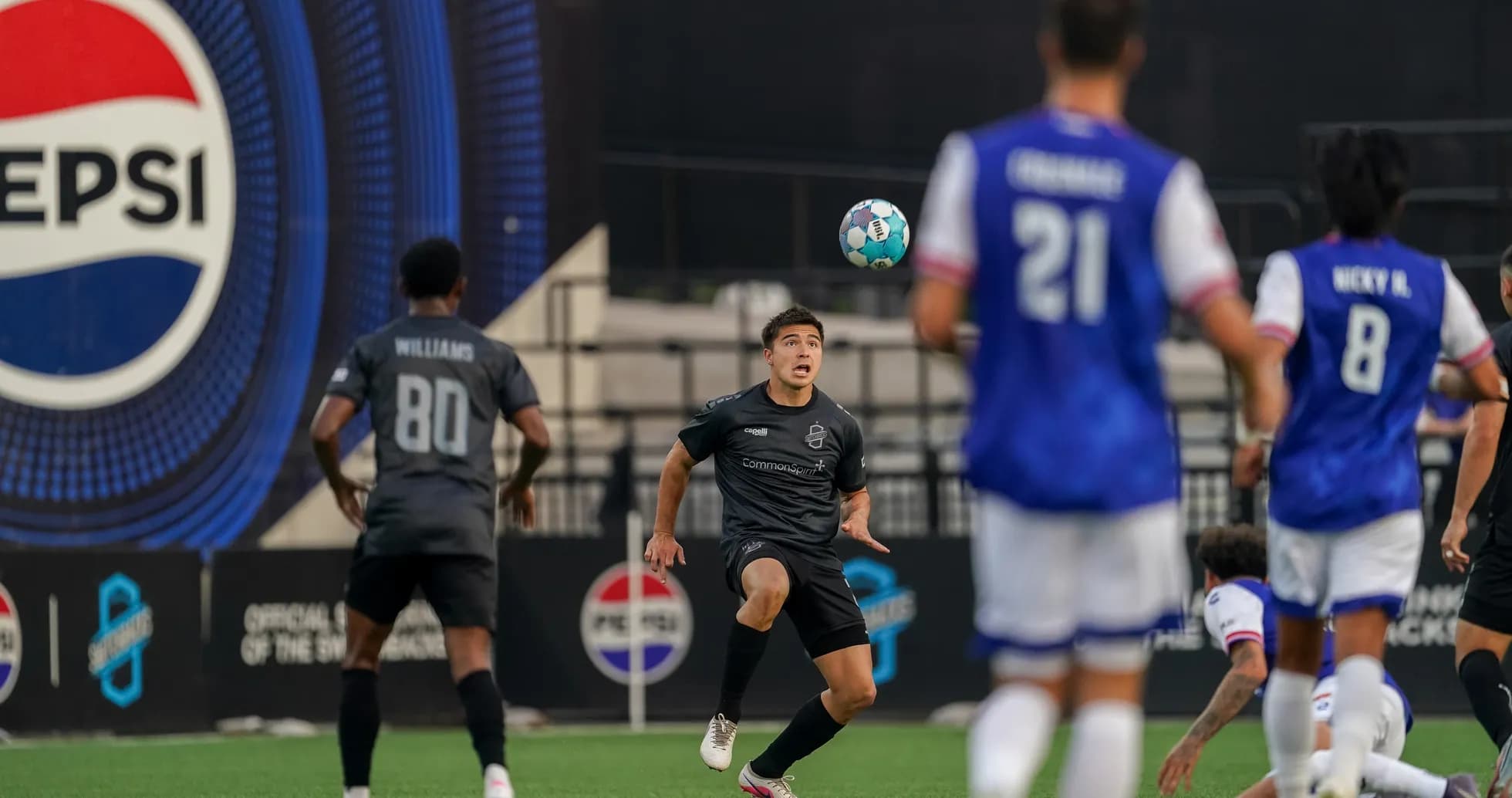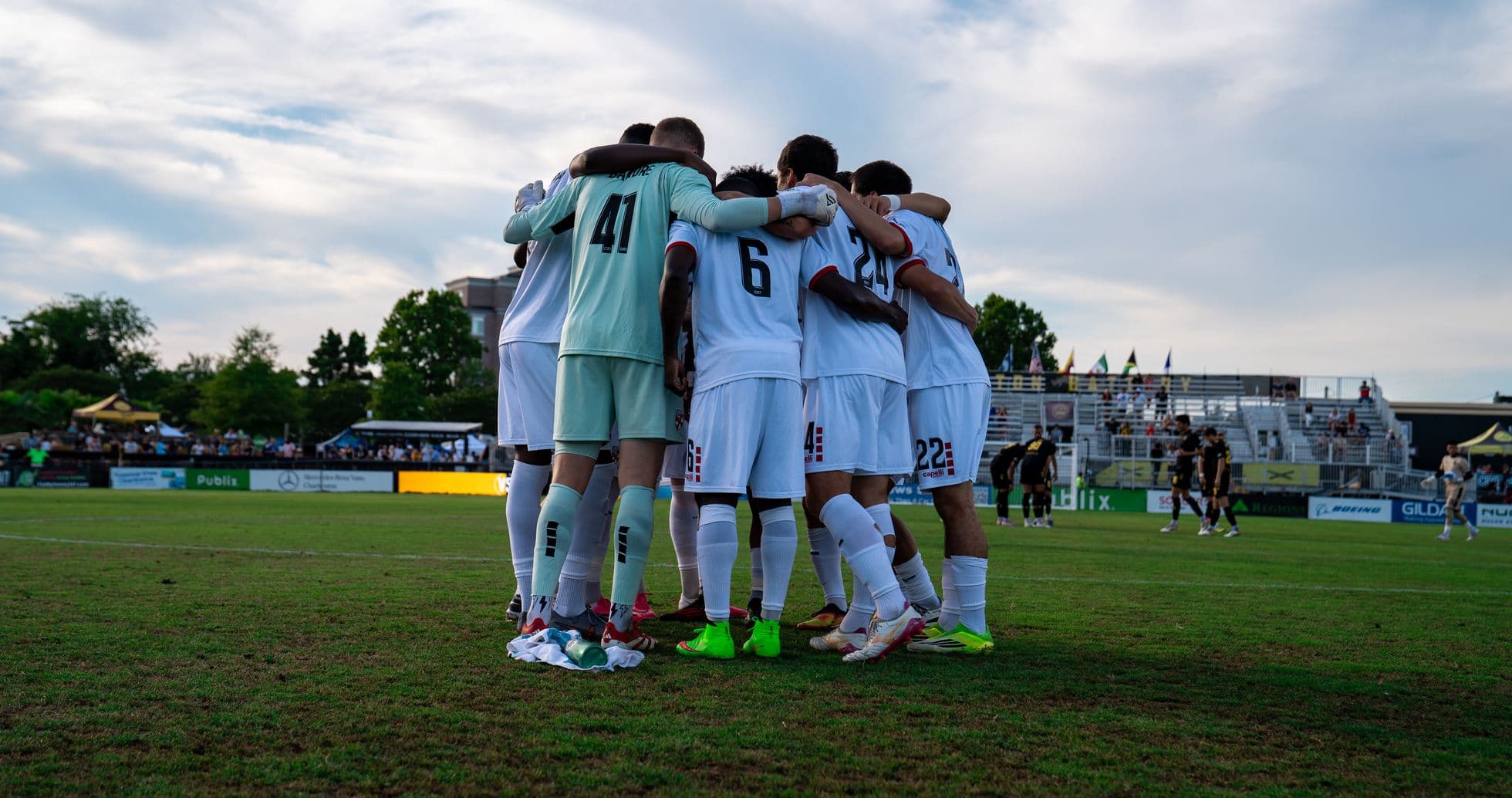
Pittsburgh Riverhounds Secure 1-0 Win Against Indy Eleven
Under the lights at Highmark Stadium, Pittsburgh Riverhounds and Indy Eleven met as near-mirrors in the USL Championship table, but opposites in how they live their football. Heading into this game, Pittsburgh sat 5th in USL 1 on 19 points, Indy just behind in 6th on 18. Both carried promotion play-off ambitions, both had found ways to win, yet their seasonal DNA told very different stories: Pittsburgh as a home-leaning, defensively controlled side; Indy as a free-flowing force at home but curiously blunted on their travels.
Following this result – a 1-0 Pittsburgh win in regular time – the night felt like a confirmation of those trends rather than a twist. The Riverhounds leaned into their strengths: compact structure, ruthless game management, and just enough incision in the final third. Indy, meanwhile, were once again a different team away from Indianapolis, their attacking fluency at home (2.0 goals per game at home overall) reduced to the away reality of 0.8 goals per game on their travels.
Pittsburgh’s season profile framed this as a game they were built to edge. Overall, they had scored 15 and conceded 13, giving them a goal difference of 2, with Highmark Stadium their fortress: 4 wins from 5 at home, 8 goals for and only 4 against. Their averages at home – 1.6 goals for and 0.8 against – painted a side comfortable winning by fine margins. Indy arrived with a slightly stronger overall goal difference of 4 (16 scored, 12 conceded in total), but that was powered by their home dominance. On their travels, they had yet to win in 5 away matches, drawing 2 and losing 3, with 4 goals for and 7 against.
Rob Vincent’s selection reflected that pragmatic edge. With N. Campuzano between the posts, a defensive core of P. Barnes, V. Souza, O. Mikoy and L. Kelp gave the Riverhounds a sturdy platform. Ahead of them, the midfield blend of E. Goldthorp, R. Mertz, D. Griffin and M. Viera offered legs and balance, while A. Dikwa and C. Ahl provided the attacking teeth. It was less about a defined formation on paper – the JSON leaves it blank – and more about a clear identity: protect the box, compress space, and spring quickly.
Sean McAuley’s Indy Eleven mirrored that structure with their own spine: E. Dick in goal, protected by L. Neidlinger, M. Rasheed, P. Craig and A. Mitrano. The engine room of C. Lindley, B. Rendon and J. O’Brien was tasked with dictating tempo, while J. Blake, L. Mesanvi and E. Kizza formed a mobile front line designed to stretch Pittsburgh vertically and horizontally.
If there was a “tactical void” in this contest, it lay less in absences – there is no data on missing or questionable players – and more in psychology and discipline. Both sides came in with relatively clean red-card records, but their yellow-card timing hinted at where the game might fray. Pittsburgh’s bookings had been spread, with notable spikes at 31-45 minutes (20.00%) and 76-90 minutes (20.00%). Indy’s yellows were even more pronounced in those same windows: 26.32% between 31-45 and 21.05% between 76-90. This suggested a match likely to tighten and grow more frantic just before the interval and in the closing stretch, as legs tired and stakes rose.
Those patterns fed directly into the key matchups. The “Hunter vs Shield” dynamic was less about a single star striker – the JSON offers no top-scorer breakdown – and more about collective units. Pittsburgh’s home defensive shield, conceding only 0.8 goals per game at Highmark, was built to suffocate an Indy attack that, away, averaged just 0.8 goals for and had failed to score in 3 away fixtures overall. Conversely, Indy’s overall defensive record of 1.1 goals against per game, with 1.4 conceded on their travels, suggested they would likely allow a handful of good chances but not collapse.
In the “Engine Room”, the battle between Pittsburgh’s central trio – Mertz, Griffin, Viera – and Indy’s Lindley, Rendon and O’Brien was always going to dictate the story. Pittsburgh’s season form line of LWLWDLWLWWW hinted at a side that had recently found rhythm, with three consecutive wins heading into this fixture. Indy’s LWWWL sequence suggested volatility: capable of high peaks, but with defensive lapses still lurking. Control of second balls and transitions through midfield would decide which version of Indy turned up.
Discipline was always going to be a sub-plot. With both teams showing late-game yellow surges, the final quarter of an hour was set up as a test of nerve. Pittsburgh’s season-long yellow spread – with 13.33% of cautions from 61-75 minutes and 20.00% from 76-90 – dovetailed with Indy’s own late spikes. That created a tactical pressure cooker: whoever managed those moments better, without conceding cheap free-kicks or losing structure, would likely emerge on top.
The statistical prognosis, viewed through the lens of Expected Goals logic, always leaned slightly toward the hosts. A side averaging 1.6 goals for and 0.8 against at home facing an opponent scoring 0.8 and conceding 1.4 away usually translates into a narrow home win in xG terms – something like a 1.3–0.8 profile. Pittsburgh’s three clean sheets overall and Indy’s three away games without scoring reinforced that projection.
Following this result, the 1-0 scoreline felt like the natural expression of those numbers: a tight, controlled contest where the Riverhounds’ defensive solidity and home efficiency edged out Indy’s inconsistent away attack. Highmark Stadium remains a difficult place to visit, and for all Indy Eleven’s promise in the table, their promotion ambitions will depend on solving the riddle of their travels – nights like this showing exactly how far they still have to go.