Pittsburgh Riverhounds Secure 2–0 Victory Over Miami FC
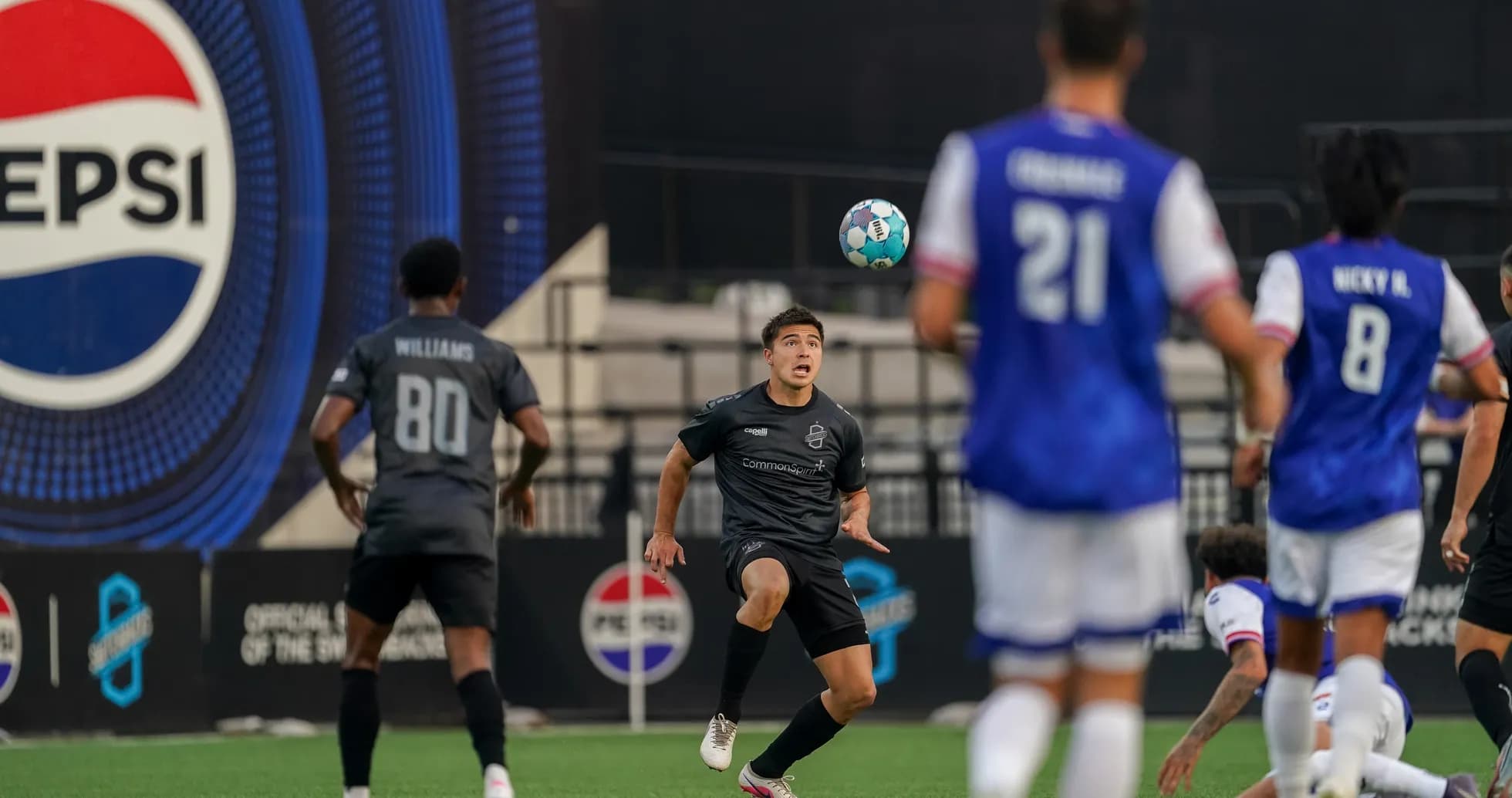
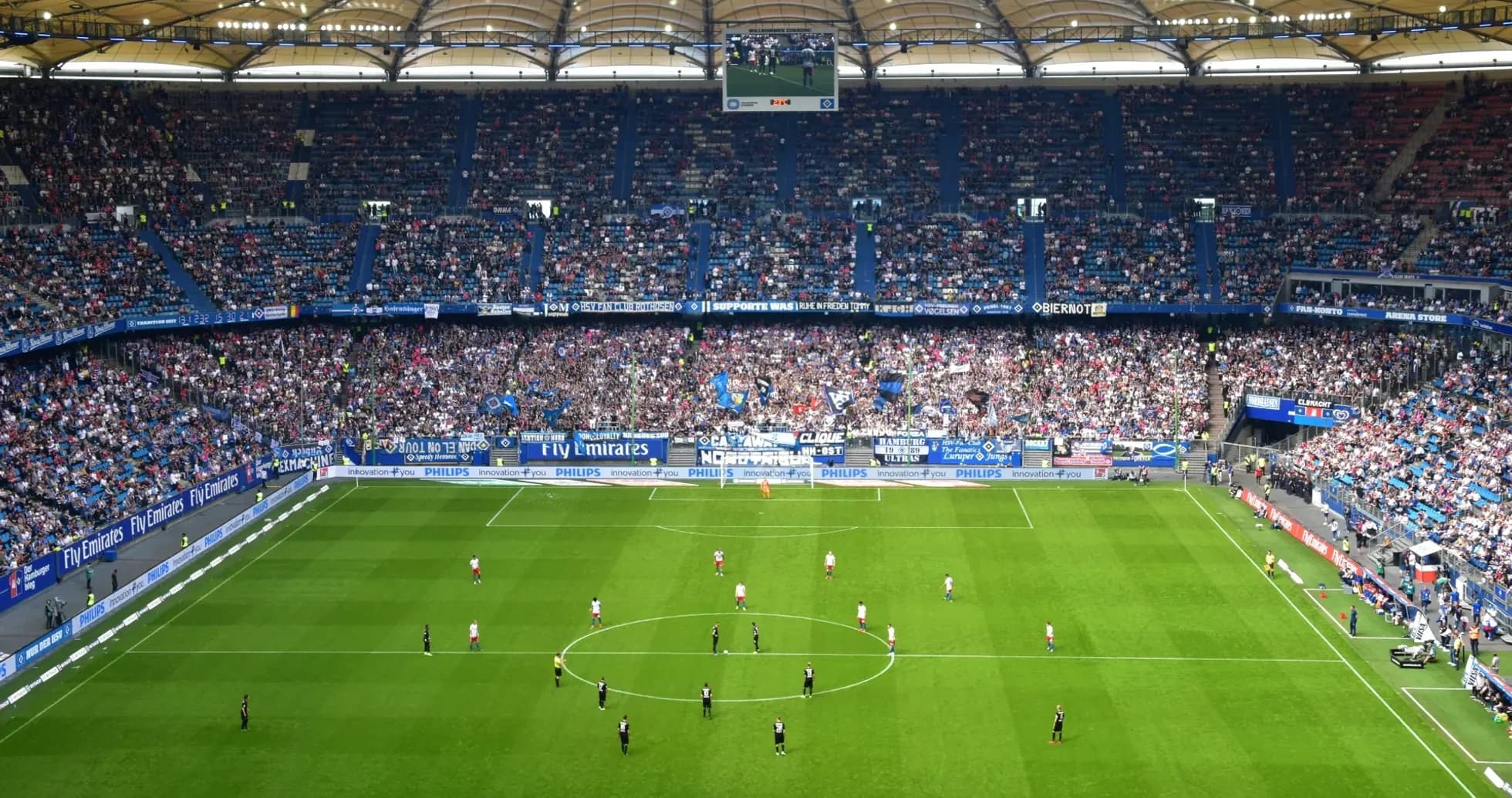
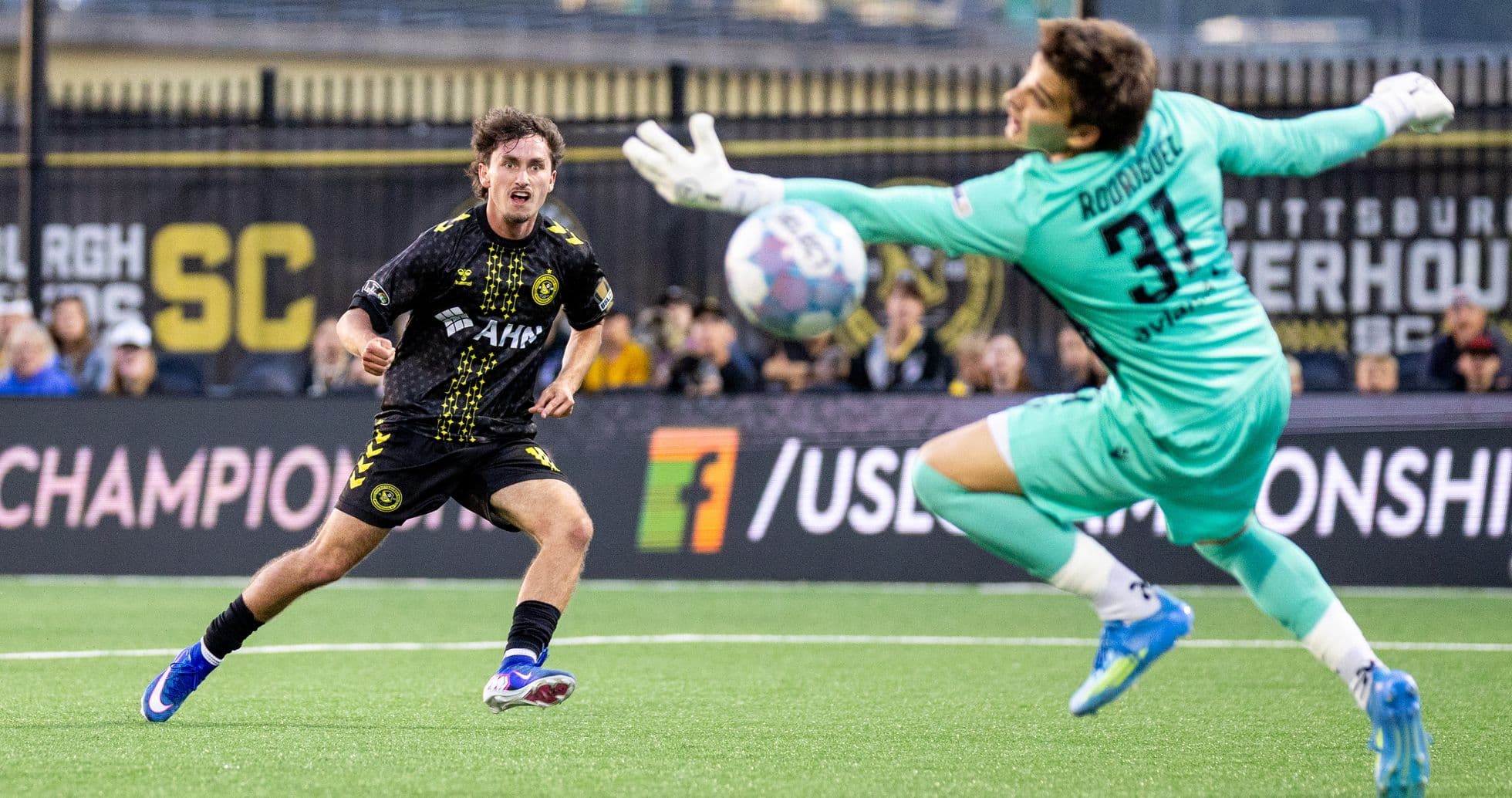
Under the Highmark Stadium lights, Pittsburgh Riverhounds turned a tense USL Championship group-stage meeting into a statement 2–0 home win over Miami FC, a result that quietly reshapes the narrative of both squads’ seasons.
Heading into this game, the table already hinted at a knife-edge contest. Pittsburgh sat 5th in USL 1 with 16 points from 10 matches, Miami 7th with the same 16 points but from 12 games. The symmetry ended with the goal difference: the Riverhounds’ overall +1 (14 scored, 13 conceded) contrasted with Miami’s overall -4 (15 for, 19 against). It was the story of a side learning to win tight margins against one still leaking too much.
At home, Pittsburgh’s profile was that of a compact, opportunistic unit. Across 4 home fixtures, they had 3 wins and 1 defeat, scoring 7 and conceding 4. The averages underline the balance: 1.8 goals for at home, 1.0 against. Miami’s away identity was far more fragile: 1 win, 3 draws, 3 defeats on their travels, with 6 goals scored and 10 conceded, an away average of just 0.9 goals for and 1.4 against. Highmark was always likely to tilt towards the hosts.
Rob Vincent’s selection reflected a side comfortable in its own skin. N. Campuzano anchored things in goal, with a back line built around the composure of P. Barnes, V. Souza, O. Mikoy and L. Kelp. The spine in front of them – D. Griffin, E. Goldthorp and R. Mertz – gave the Riverhounds their familiar blend of industry and intelligence, while C. Ahl floated between the lines. Up front, A. Dikwa and S. Bassett formed a restless, pressing duo designed to harry Miami’s build-up rather than simply wait for service.
Gaston Maddoni’s Miami FC arrived with a different problem set. F. Rodriguez in goal stood behind a back unit featuring B. Ndiaye, D. Knutson and A. Calfo, with A. Milesi and G. Diaz expected to connect defence to attack. Further ahead, R. Tori, J. Sonora and R. Da Costa formed the creative band, with M. Ndongo and A. Rocha tasked with stretching Pittsburgh’s shape and offering vertical runs. On paper, Miami’s XI had enough technicians to control phases of the ball; the question was whether they could survive without the ball against a home side that thrives in transition.
Tactically, the voids were less about absentees – none were listed – and more about structural weaknesses. Miami’s season-long defensive record away from home, 10 goals conceded in 7 matches, suggested vulnerability when forced to defend deep and for long stretches. Pittsburgh, by contrast, had only conceded 4 at home in 4 games, backed by 2 clean sheets overall this campaign and a habit of turning narrow territorial advantages into results.
Discipline loomed large as a sub-plot. Heading into this game, Pittsburgh’s yellow-card distribution showed a clear spike in the 31–45 and 76–90 minute windows, each accounting for 25.00% of their cautions. That hints at a side that ramps up aggression just before the break and in the closing stages, often to disrupt opposition rhythm. Miami’s yellow profile was even more telling: 25.71% of their bookings between 61–75 minutes and another 25.71% from 76–90, with a red card already shown in the 61–75 band this season. They are a team whose composure frays as legs tire and game states turn desperate.
The match itself, locked at 0–0 at half-time, played into Pittsburgh’s strengths. Their season-long home average of 1.8 goals and overall 1.4 hinted that, given time, their pressure would tell. Miami, averaging just 0.9 away goals and having failed to score in 4 away matches overall, never quite convinced as a sustained attacking threat. Campuzano’s presence, plus the organised line of Barnes, Souza, Mikoy and Kelp, allowed the Riverhounds to hold a relatively high block without losing defensive control.
The “Hunter vs Shield” duel was less about a single star striker and more about collective profiles. Pittsburgh’s attack, which had already produced 7 goals at home this campaign, confronted a Miami unit conceding 1.4 away goals on average. The 2–0 final scoreline felt like a natural expression of that imbalance: the Riverhounds’ pressure eventually broke through, while Miami’s defence once again could not keep the door fully closed on their travels.
In the “Engine Room”, the contrast was equally stark. Mertz and Goldthorp, supported by Griffin’s work rate, gave Pittsburgh a functional, vertical midfield that could compress space and win second balls. Miami’s trio of Milesi, Diaz and Tori had the technical ability to circulate possession, but they were repeatedly asked to build under pressure and with limited advanced support. Without reliable penalty-box presence or sustained wide overloads, Miami’s attacks rarely translated into high-quality chances.
Set-piece and penalty dynamics offered no rescue route for the visitors. Pittsburgh had earned 2 penalties this season and converted both, a 100.00% record that underlines their ruthlessness when opponents lose discipline. Miami, for their part, had 1 penalty all campaign and also scored it, but their broader attacking inconsistency meant they could not rely on spot-kicks as a structural weapon.
Following this result, the underlying numbers feel vindicated. Pittsburgh’s defensive solidity at home – 1.0 goals against on average – held, and they added another clean sheet to their tally. Their attack hit its expected stride, matching the pattern of a side that typically finds at least one, and often two, goals at Highmark. Miami’s away fragility again surfaced: their overall away goal difference of -4 before this match was no anomaly but a trend that this 2–0 defeat only deepens.
From a statistical prognosis perspective, the Riverhounds look every inch a playoff-calibre side: efficient at home, capable of managing tight scorelines, and disciplined enough – despite those late yellow surges – to control game states. Miami remain a paradox: technically capable, occasionally explosive, but undermined by defensive looseness and late-game indiscipline that repeatedly drags their xG promise back down to earth.