Orlando Pride W vs Portland Thorns W: A Clinical 4–1 Defeat
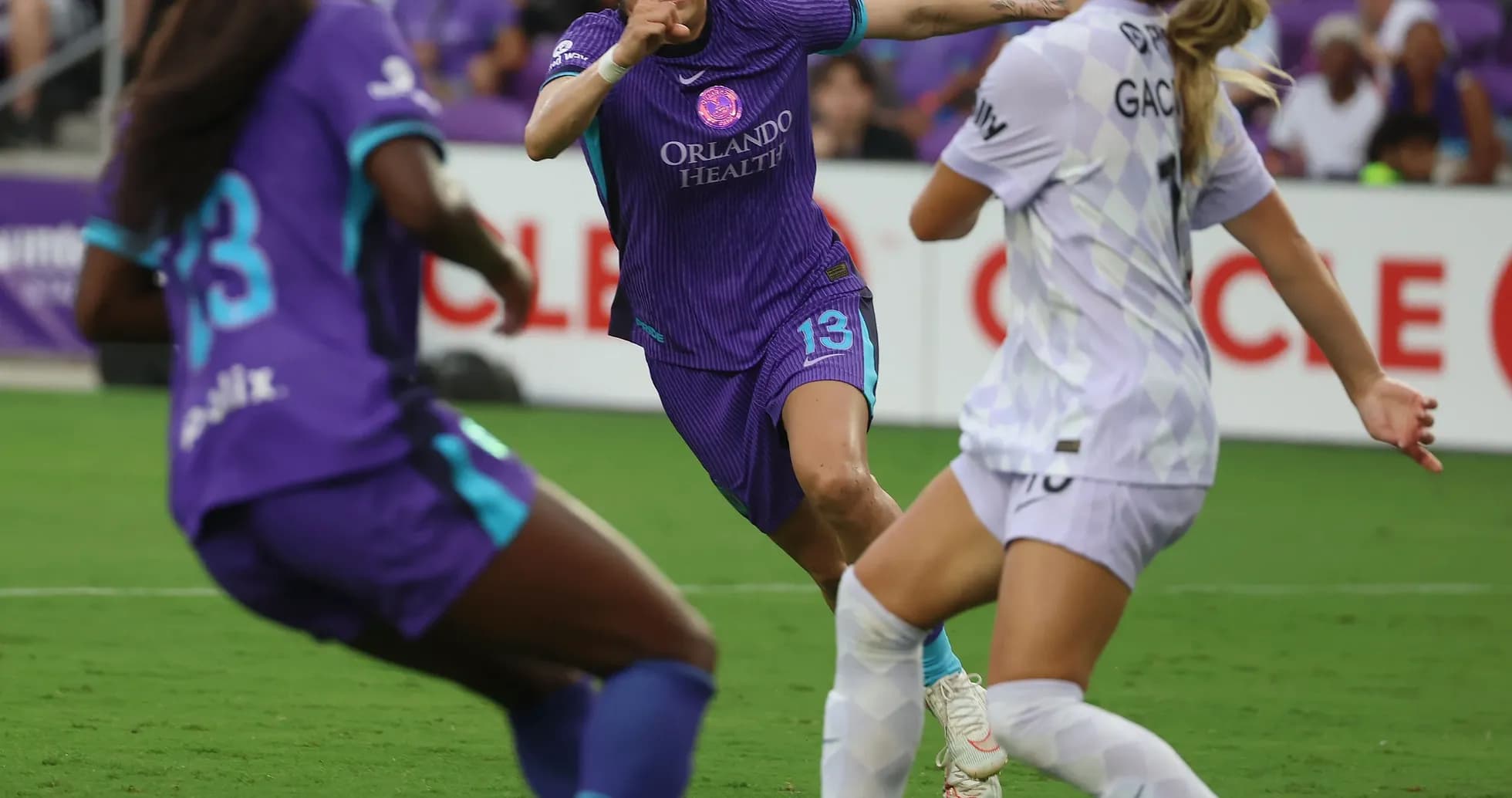
Exploria Stadium closed under Florida’s late-summer heat, but the numbers said this was always going to be a cold, clinical evening for Orlando Pride W. In a Group Stage clash of the NWSL Women season, 11th‑placed Orlando ran into a Portland Thorns W side that has spent the campaign living in the top half and eyeing the play‑offs. The 4–1 full‑time scoreline felt like more than just three points for the visitors; it was a confirmation of two distinct seasonal identities.
Heading into this game, Orlando’s overall record of 9 wins, 3 draws and 13 defeats from 25 matches, with 32 goals scored and 40 conceded (a goal difference of −8), painted them as volatile and vulnerable. At home they had been split almost perfectly down the middle: 6 wins, 1 draw and 6 losses from 13, with 20 goals both scored and conceded, averaging 1.5 goals for and 1.5 against per match at Exploria Stadium. Portland, by contrast, arrived as a more complete unit: 12 wins, 6 draws and 7 losses overall, 42 scored and 34 conceded for a positive goal difference of 8. Their home form has been dominant, but even on their travels they had 5 away wins, 2 draws and 6 defeats, scoring 21 and conceding 26, averaging 1.6 away goals and 2.0 against.
Both coaches doubled down on the same shape: a 4‑2‑3‑1 mirror match that turned into a study in execution. Seb Hines trusted his familiar structure, with C. Morché in goal and a back four of Oihane Hernández, C. Dyke, H. Anderson and H. Mace. The double pivot of A. Lemos and Luana was meant to be the stabilising hinge, freeing the advanced trio of H. McCutcheon, S. Yates and S. Washington to feed Orlando’s superstar centrepiece, B. Banda, up front.
On paper, the plan was logical. Banda has been one of the league’s most devastating forwards this season: 15 total goals and 2 assists in 21 appearances, with 66 shots and 36 on target. Her average rating of 7.65 and 22 key passes underline a player who is both finisher and creator. She also arrived as a penalty threat, having scored 1 from the spot. Around her, McCutcheon has been the iron‑lunged enforcer and tempo‑setter, with 618 passes, 22 key passes, 50 tackles, and 10 blocked shots, but also 5 yellow cards – a midfielder who lives right on the disciplinary edge.
Yet Orlando’s season‑long structural issues were always lurking. They had kept only 7 clean sheets overall and failed to score in 5 matches, and their disciplinary profile is spiky: yellow cards peak late, with 24.14% of bookings between 61–75 minutes and another 24.14% from 76–90. There is also the shadow of red: they have seen a dismissal in the 61–75 window. Add in a penalty record of 4 awarded but only 2 scored – 2 missed, a 50.00% conversion rate – and you have a team that too often sabotages its own momentum.
Portland’s 4‑2‑3‑1 under Robert Vilahamn (Karlsson) was built on a different kind of certainty. M. Arnold anchored the side from goal, behind a back four of R. Reyes, Carolyn Lisette Calzada, J. Perry and M. Müller. In front of them, N. Nijstad and J. Fleming formed a double pivot that could both build and break, while the attacking band of R. Turner, P. Tordin and Caiya Hanks buzzed around the central spearhead, S. Smith.
This is where the “Hunter vs Shield” narrative crystallised. Smith entered as one of the league’s elite forwards: 11 total goals, 3 assists, 75 shots with 44 on target, and 35 key passes. She is a complete attacker, as comfortable dropping in to link play as she is running in behind. Behind her, Tordin has been one of the season’s most influential creators, with 6 goals and 7 assists, 41 key passes and 427 completed passes at 72% accuracy. She is also combative – 35 tackles, 4 blocked shots, 6 interceptions – and draws 27 fouls, the kind of hybrid attacker who can tilt a game’s geography.
Against Orlando’s defence, which has conceded 1.6 goals per match overall and 1.5 at home, that combination was always going to ask hard questions. Portland’s overall scoring rate of 1.7 goals per game, with symmetry between home and away (21 goals both at home and on their travels), gave them the firepower to punish even brief lapses. And Orlando’s “middle‑of‑the‑match” resilience is undermined by late‑game fragility; their card peaks from 61 minutes onward intersect uncomfortably with Portland’s tendency to turn the screw in the final quarter of an hour, where 23.33% of their yellows arrive – a sign of intense, high‑duel football late in games.
The “Engine Room” duel was equally stark. On one side, McCutcheon and Luana were tasked with screening a back line that has already been stretched this season, while also progressing the ball to Banda. On the other, Nijstad and Fleming had to control transitions and funnel possession into the feet of Tordin and Smith. Portland’s midfield numbers suggested a group comfortable under pressure, and they were backed by a defence that, despite 34 goals conceded overall, is bifurcated: just 8 allowed at home, but 26 away. That away figure hints at vulnerabilities, yet Orlando’s own attacking average of 1.3 goals per match overall – 1.0 on their travels, 1.5 at home – meant they needed Banda at her ruthless best and the supporting cast to hit their lines with precision.
Discipline loomed as a sub‑plot. Portland’s season has been coloured by edge: 1 red card for J. Perry, another for Reyes, and a third in midfield from C. Bogere. Their yellow distribution spikes between 61–75 minutes (20.00%) and 76–90 (23.33%), and they have seen reds across the 0–15, 46–60 and 61–75 windows. This is a team that plays on the boundary, and in a high‑stakes group match that risk could either shackle them or fuel their aggression. For Orlando, Angelina’s red card earlier in the season and McCutcheon’s 5 yellows were reminders that their own temperament can fray under pressure.
In the end, the 4–1 full‑time score at Exploria Stadium confirmed what the metrics had been whispering. Portland’s superior attacking depth – Smith as the primary hunter, Tordin as the creative fulcrum, supported by industrious wide players like Hanks and Turner – was always likely to overwhelm an Orlando side that concedes too often and relies heavily on Banda’s individual brilliance. The penalty data underlined the contrast: Portland have scored all 6 of their penalties this season, a 100.00% record, while Orlando’s 2 misses from 4 attempts reinforced their fine‑margin fragility.
From a statistical prognosis, this fixture was tilted toward the visitors. A Portland attack averaging 1.7 goals per match against an Orlando defence allowing 1.6, combined with the Thorns’ more balanced squad and sharper set‑piece and penalty efficiency, pointed to an away win with a multi‑goal margin. The match delivered exactly that: a ruthless visiting side, a home team undone by familiar structural weaknesses, and a Group Stage evening that felt like a microcosm of both clubs’ seasons.