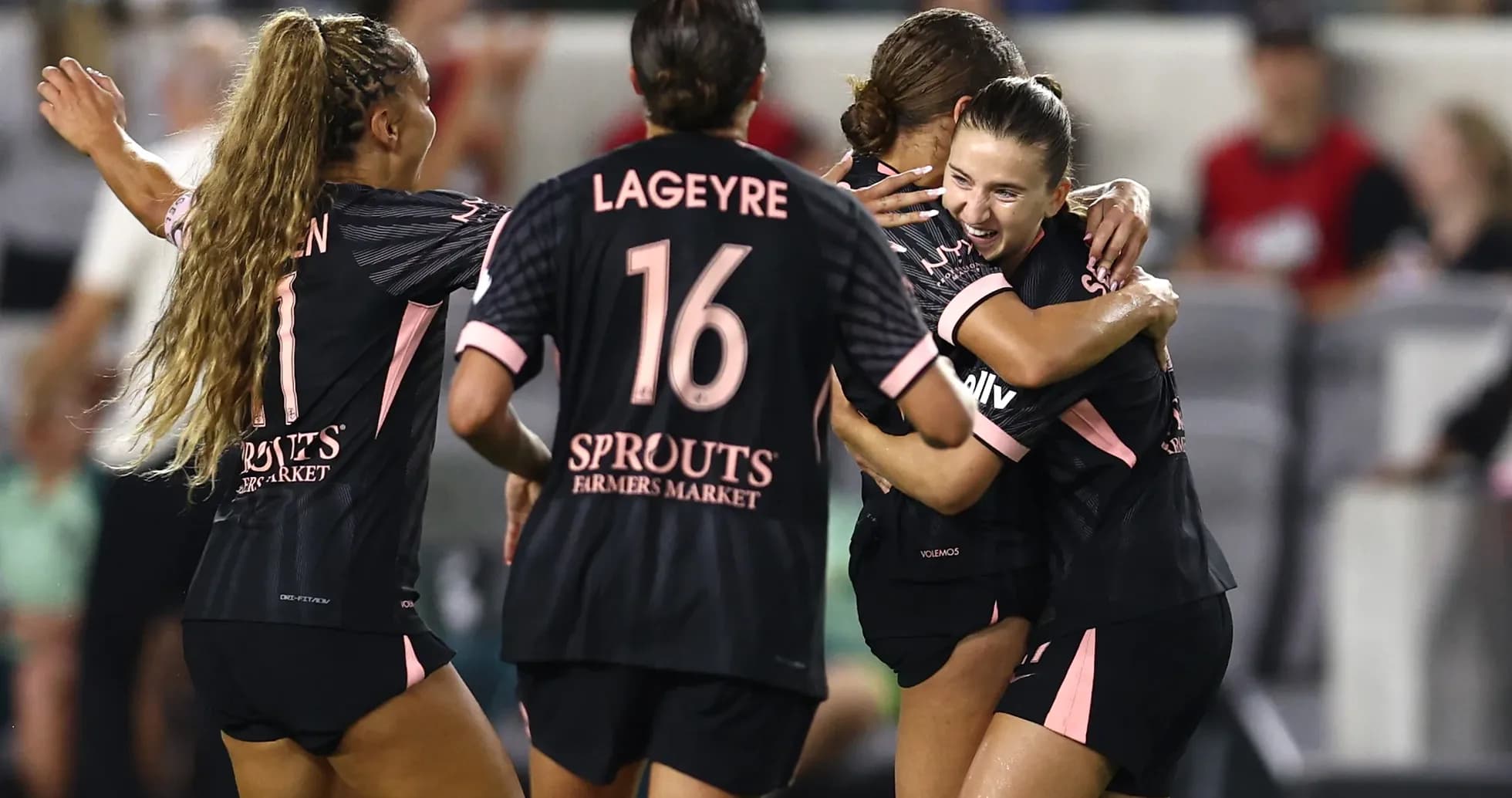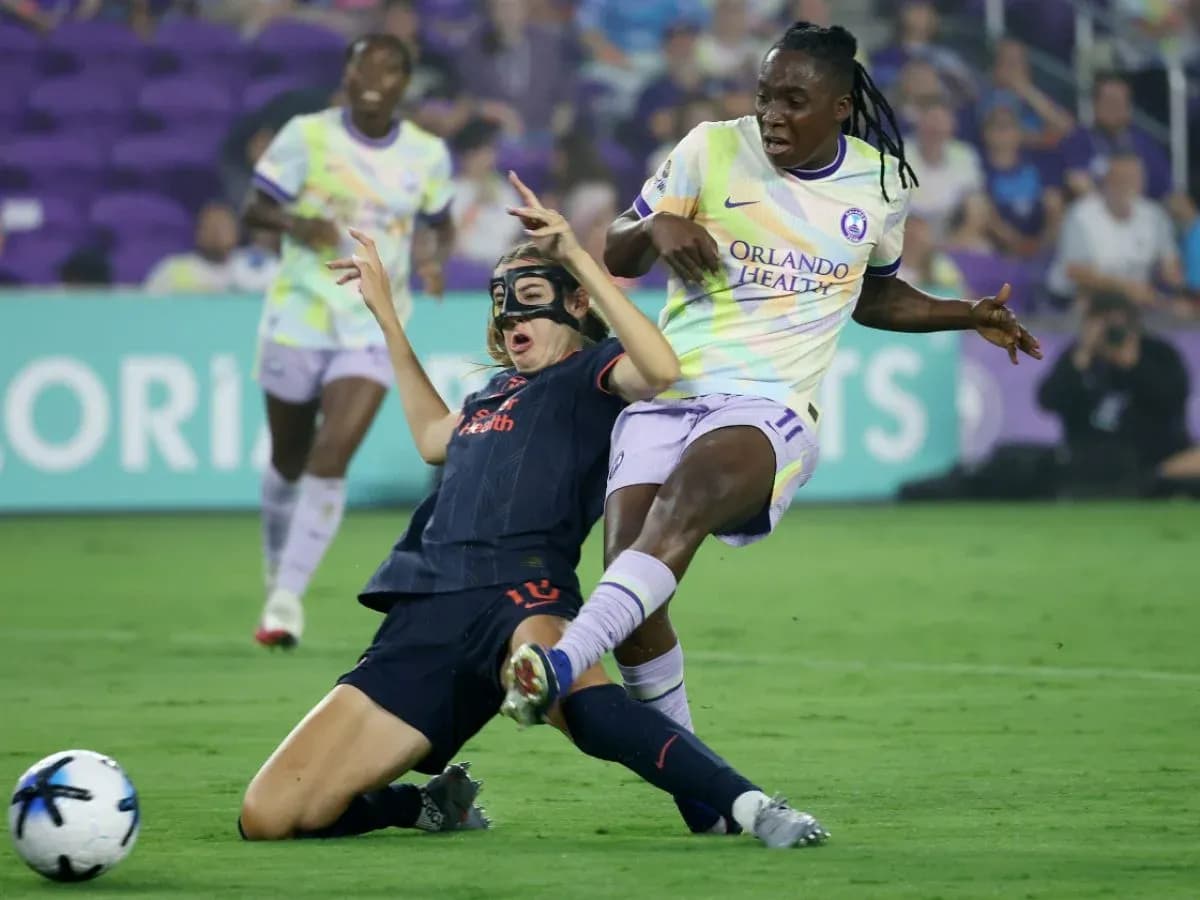
Orlando Pride vs Bay FC: Tactical Insights from NWSL Showdown
Under the Orlando lights at Inter&Co Stadium, this NWSL Women group-stage meeting felt like a measuring stick for two projects heading in opposite directions. Orlando Pride W, seventh in the table heading into this game with 17 points and a narrow overall goal difference of +1 (18 scored, 17 conceded), welcomed a Bay FC W side sitting 13th, on 11 points and carrying a heavy overall goal difference of -8 (9 scored, 17 conceded). By the final whistle, the scoreboard read 3–1 to Orlando, but the story of the night was written in structure, mentality, and the contrasting ways these squads interpret the same 4-2-3-1 blueprint.
I. The Big Picture – Two 4-2-3-1s, one clear identity
Both coaches doubled down on their season-long tactical identities. Seb Hines stayed loyal to Orlando’s 4-2-3-1, a shape they have used in all 12 league outings. The system has become the club’s seasonal DNA: at home they average 1.7 goals for and 1.5 against, leaning into front-foot football and trusting their attacking talent to outweigh defensive risk.
In this one, the back four of Oihane Hernández, Coriana Dyke, Hailie Mace and Rafaelle Souza set an aggressive line in front of Anna Moorhouse. The double pivot of Ally Lemos and Haley Hanson provided the hinge between control and chaos, freeing a fluid band of three – Luana Bertolucci, Nicole Payne and Kerry Abello – to orbit around lone striker Barbra Banda.
Bay FC W mirrored the 4-2-3-1 they have used in 10 of their 11 league games, but with a different emotional tone. Emma Coates’ side arrived with a cautious profile: on their travels they had scored 1.0 goals per game but conceded 1.8, a fragile balance for a team that has failed to score in 5 of 11 league matches overall. Here, Emmie Allen started in goal behind a back line of Sydney Collins, Joelle Anderson, Brooklyn Jean Courtnall and Madeline Moreau. In front, the double pivot of Claire Hutton and Hanna Bebar was tasked with screening, while Taylor Huff, Caroline Conti and Racheal Kundananji supported veteran striker Cristiana Girelli.
The first half unfolded like a tactical mirror test. Both sides tried to overload the half-spaces, both funneled their creativity through the “10” lane, and both relied on their centre-forward as the tip of the spear. The 1–1 score at half-time reflected that symmetry, but the deeper metrics of the season hinted Orlando were better built to sustain their tempo. Overall, the Pride average 1.5 goals for and 1.4 against per match; Bay sit at 0.8 for and 1.5 against. One team lives in the margins; the other survives them.
II. Tactical Voids – Discipline and the unseen risks
With no formal injury list provided, the tactical voids were less about absentees and more about discipline and emotional control. Orlando came in with a complex card profile: 28.57% of their yellow cards this season have arrived between 61–75 minutes, and another 21.43% between 76–90. There is a clear pattern of late-game edge, and they have already seen one red card in the 61–75 window. It speaks to a side that plays on the line, especially as matches open up.
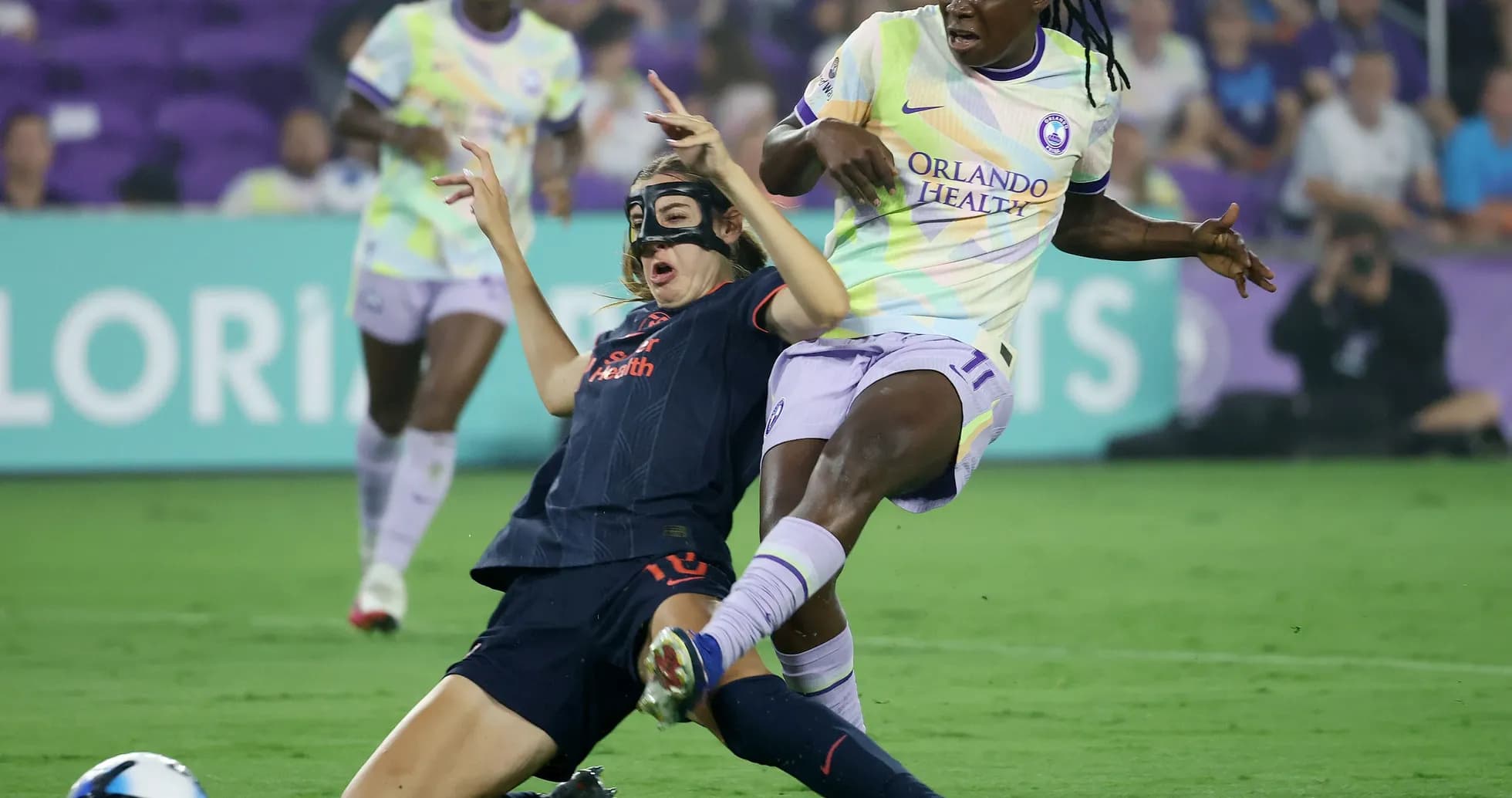
Bay’s disciplinary record is more alarming. Their yellow cards peak at 23.81% in the 76–90 window, and they have a remarkable spread of red cards: one in 0–15, one in 61–75, and one in 91–105. This is a group that can lose control at key emotional junctures. In a tight game like this, that volatility forced Hutton and Bebar to walk a constant tightrope in midfield, especially against Banda’s relentless duels and the dribbling of Orlando’s attacking midfielders.
III. Key Matchups – Hunter vs Shield, and the Engine Room
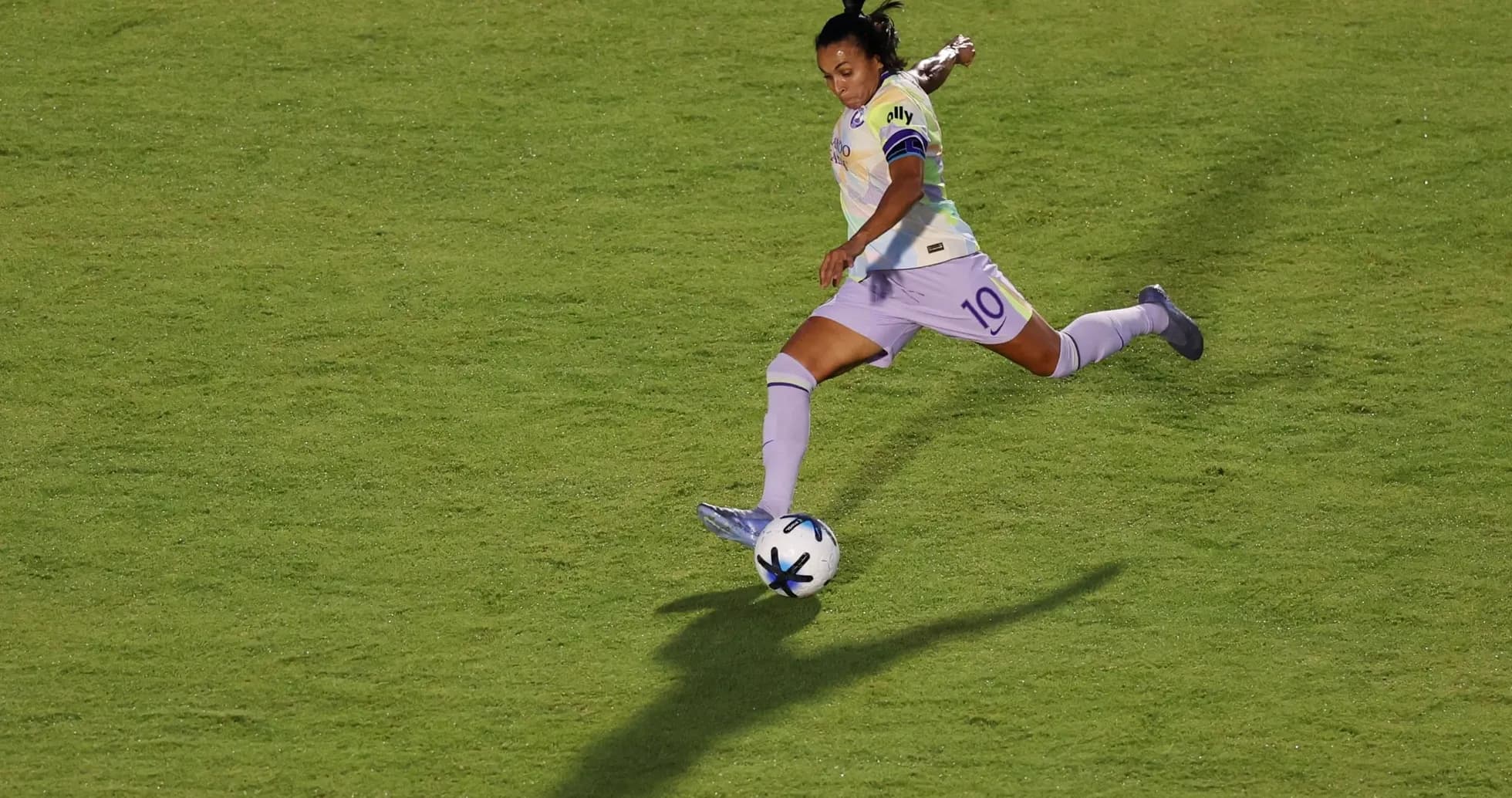
Hunter vs Shield was always going to be Barbra Banda versus Bay’s defensive structure. Banda arrived as the league’s most ruthless forward: 8 goals in 12 appearances, 41 shots with 23 on target, and a 7.58 average rating. She draws 25 fouls and has already won a penalty this season. Orlando’s biggest home win before this fixture was 3–1; the fact this scoreline repeated with Banda again leading the line underlines how her presence stretches back fours to breaking point.
Bay’s “shield” was not just the back four but the collective screen of Hutton and Bebar. Hutton, one of the league’s standout ball-winners, came in with 29 tackles, 2 blocked shots and 23 interceptions, plus 418 passes at 77% accuracy. She is the heart of Bay’s resistance, but also a disciplinary risk: 4 yellow cards already, placing her near the top of the league’s caution charts. Every time she stepped into Banda’s orbit, the contest was as much about timing as it was about courage.
Behind Banda, Orlando’s wide and full-back combinations were crucial. Mace, with 26 tackles, 4 blocked shots and 24 interceptions this season, is more than a full-back; she is an enforcer who can step into midfield and compress space. Her duel with Kundananji down that flank was a constant swing point: if Mace held the line, Orlando could keep Bay penned in and recycle attacks; if she was beaten, Bay had their best route into transition.
In the Engine Room, the duel between Orlando’s double pivot and Bay’s central pair defined the rhythm. Lemos and Hanson worked to provide secure outlets and early passes into Banda and Luana, while Hutton and Bebar tried to slow the tempo and force Orlando into wide, predictable patterns. Yet Bay’s broader statistical profile – just 2 clean sheets overall and 9 goals conceded on their travels – suggested that once Orlando found their timing between the lines, the dam would crack.
IV. Statistical Prognosis – Why 3–1 felt inevitable
Following this result, the 3–1 scoreline felt less like a shock and more like the logical intersection of offensive quality and defensive fragility. Orlando’s seasonal numbers pointed toward a side that creates enough volume to regularly hit two or three goals at home, while Bay’s away record – 5 scored and 9 conceded before this fixture – mapped neatly onto another multi-goal concession.
Even without explicit xG data, the patterns are clear. Orlando’s reliance on a high-output striker, a settled 4-2-3-1 and an attacking home average of 1.7 goals for created the platform. Bay’s inability to consistently protect leads, their tendency to concede late cards (23.81% of yellows in the final 15 minutes) and their overall defensive average of 1.8 goals against on their travels made a two-goal margin the most probable outcome.
The tactical preview for the rest of the campaign writes itself. Orlando, with Banda as the hunter and a back line anchored by Mace and Rafaelle Souza, look built for a sustained push toward the play-off positions their current description already hints at. Bay, for all the industry of Hutton and the flashes from Huff and Kundananji, must solve their disciplinary volatility and defensive structure if they are to drag that -8 goal difference back toward safety.
On this night in Orlando, two 4-2-3-1s walked onto the same stage. Only one looked like a system ready for the pressure of knockout football.