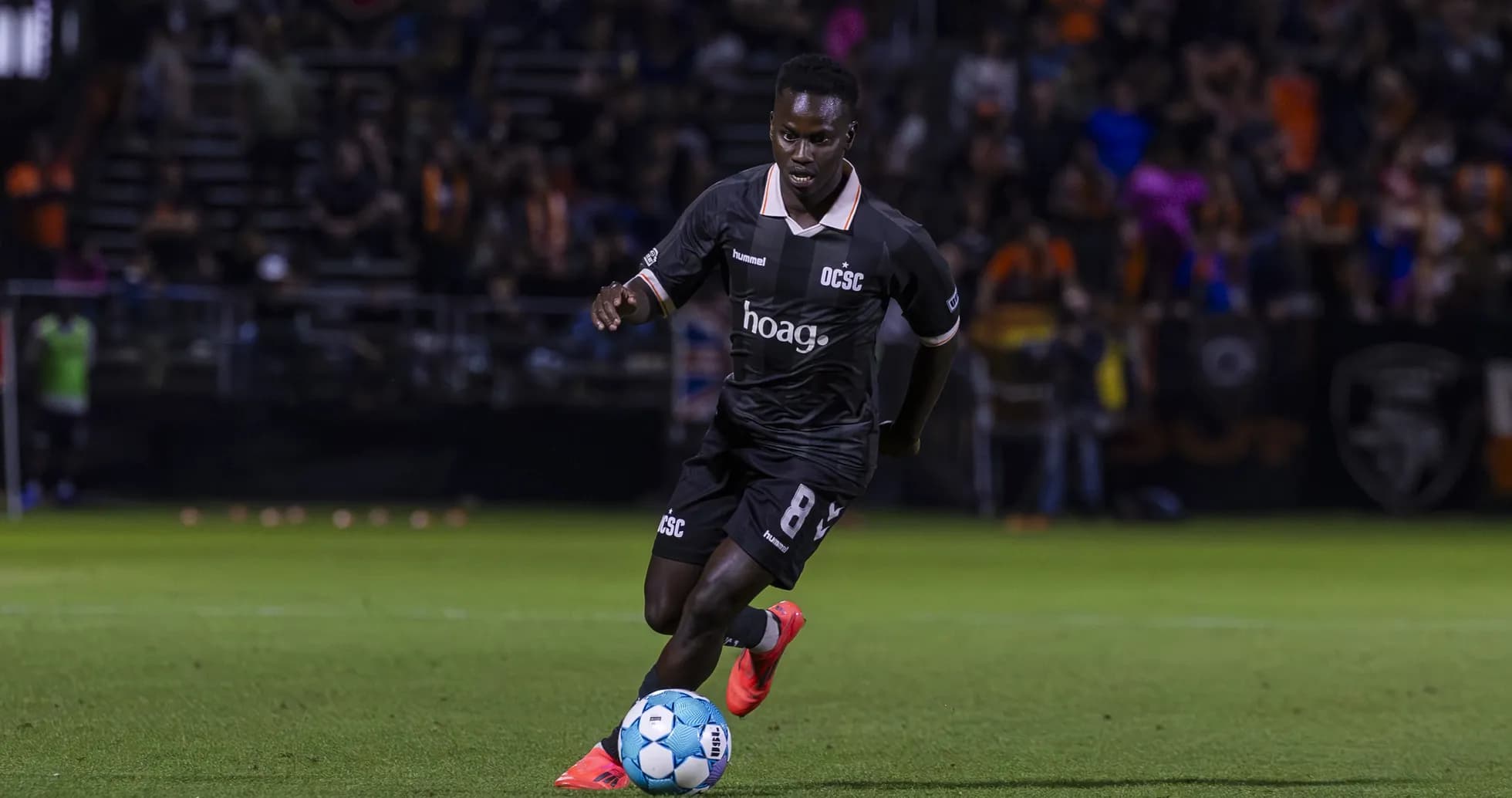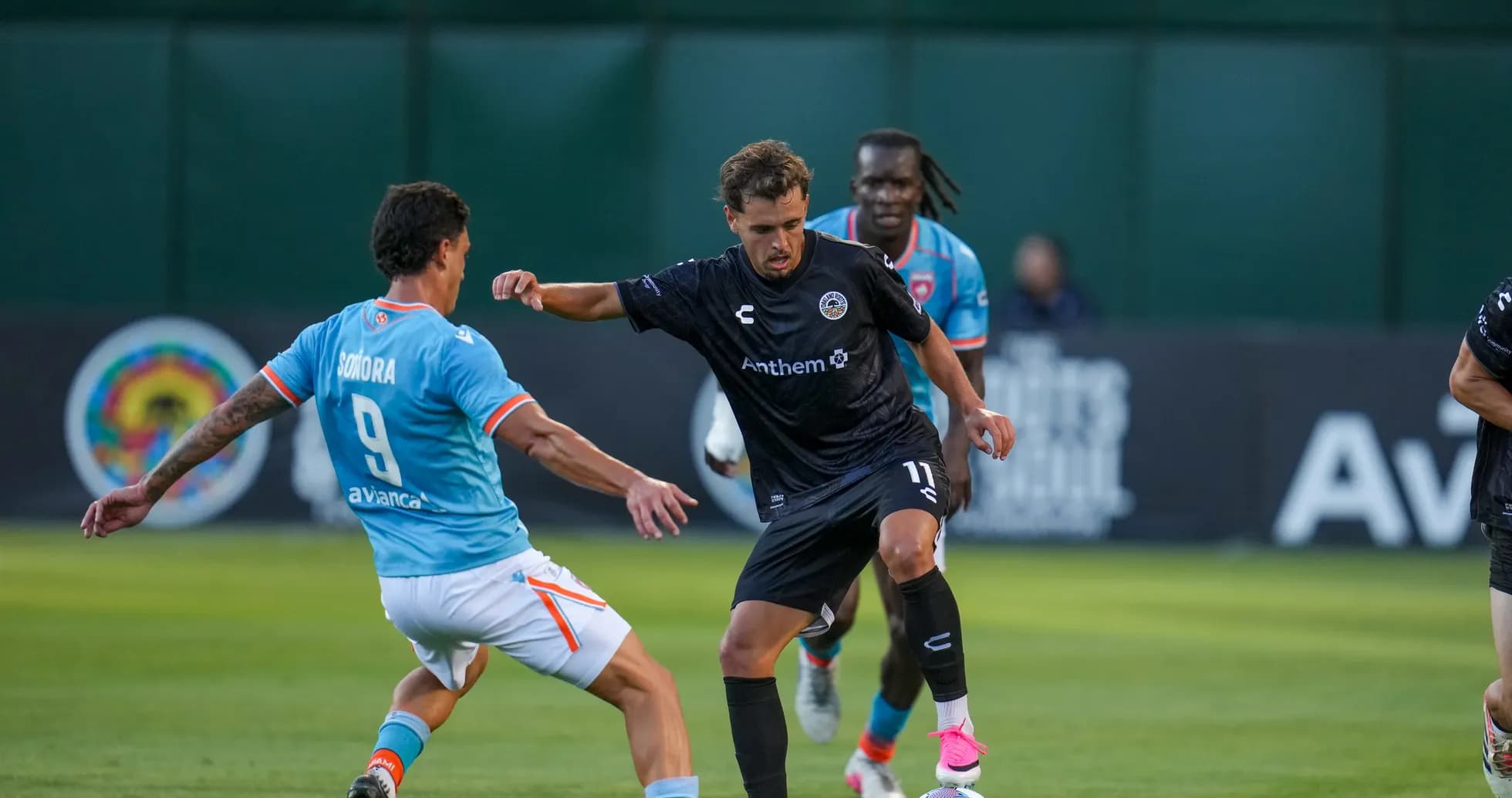
Oakland Roots and Miami FC Battle to Goalless Draw
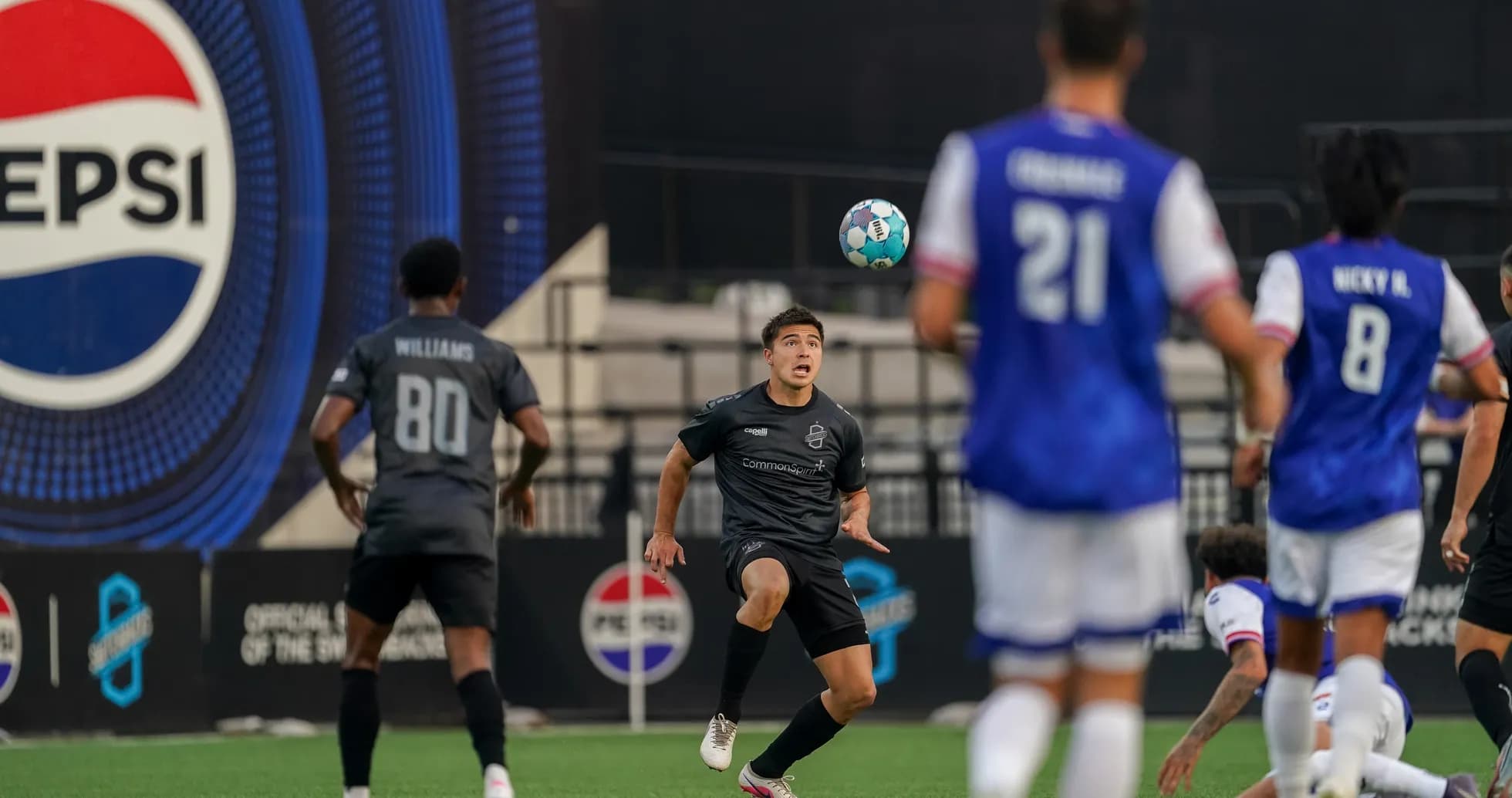
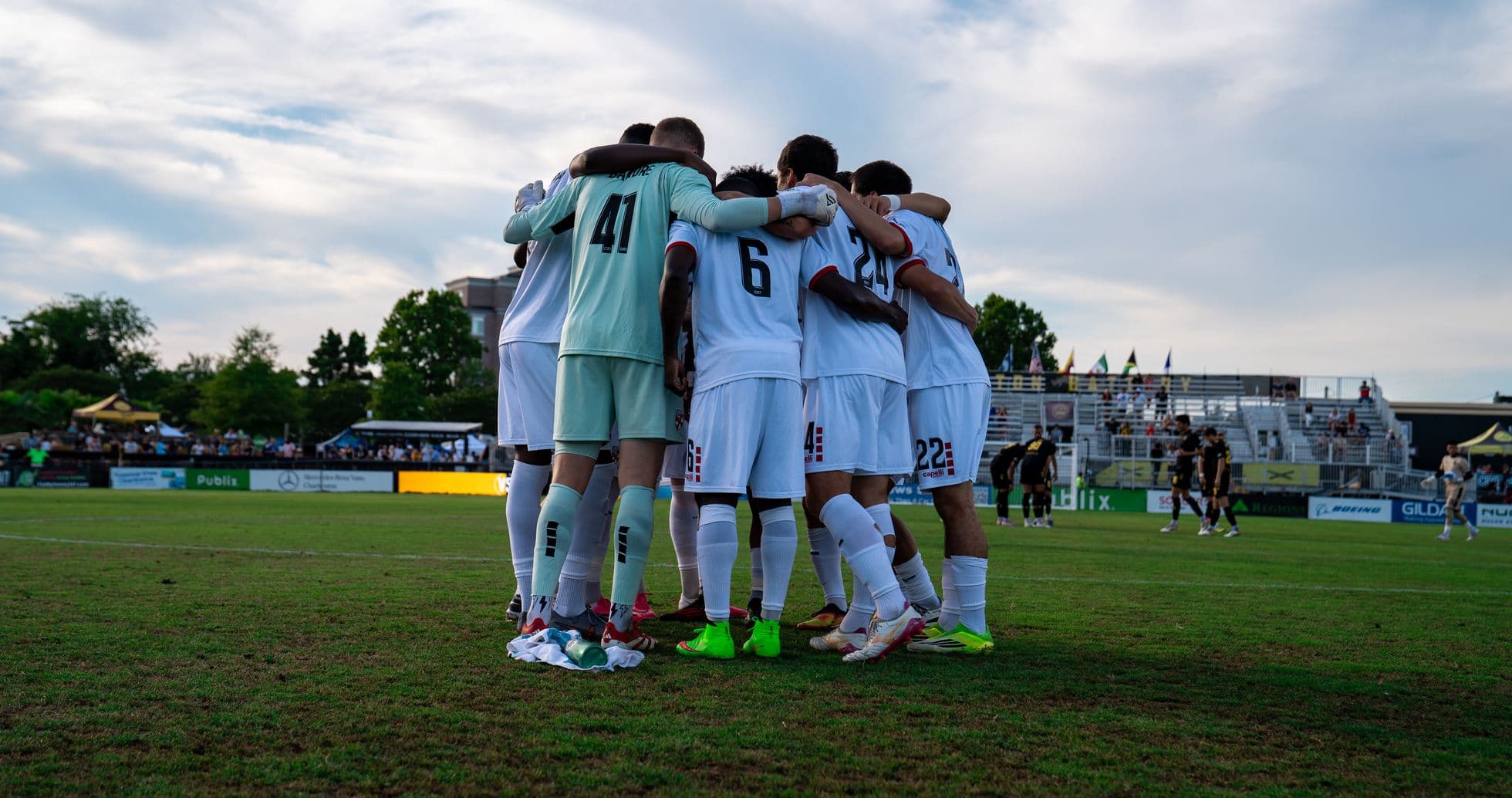
Under the lights at Laney College Football Stadium, Oakland Roots and Miami FC played out a goalless stalemate that said far more about structure and discipline than it did about cutting edge. Following this result, the two sides remain locked on 17 points in the USL Championship’s USL 1 group, but their paths to that tally could hardly be more different.
Oakland, ranked 3rd, have built a campaign on balance. Overall this season they have scored 18 and conceded 16 across 12 matches, a goal difference of +2 that reflects a side rarely blown away, rarely rampant. At home they have taken 7 fixtures to 9 goals for and 7 against, averaging 1.3 goals scored and 1.0 conceded. Miami, sitting 8th, are more volatile: overall they have 15 goals for and 19 against in 13 matches, a goal difference of -4, a profile of a team that lives on the edge. On their travels, Miami’s attack has sputtered, with only 6 away goals in 8 matches at an average of 0.8, while conceding 10 at 1.3 per game.
This goalless draw, then, felt like Oakland’s rhythm imposed on Miami’s chaos.
Team Selections
Ryan Martin’s selection for Oakland underlined that intent. With K. McIntosh in goal, a defensive core of K. Tingey, M. Edwards and J. Bravo, and the all‑action B. Byaruhanga anchoring midfield, the Roots set up as a side designed to control space more than dominate the ball. Ahead of Byaruhanga, the creative burden fell on F. Valot and F. Bettache, with W. Prentice and J. de Vicente offering width and B. Jacquesson the vertical threat to run behind.
Opposite him, Gaston Maddoni’s Miami XI looked more like a counter‑punching unit. F. Rodriguez in goal was shielded by B. Ndiaye, D. Knutson and A. Calfo, with the double presence of Tulu and R. Tori in midfield hinting at a compact central block. J. Sonora and M. Diallo were the natural outlets, supported by R. Da Costa and T. Musto as connectors between lines.
Without explicit injury data, both benches told their own story. Oakland’s options in N. Hackshaw, T. Gibson and D. Trejo suggested the ability to shift between control and directness, while Miami’s substitutes like M. Tunbridge, G. Diaz and M. Ndongo offered fresh legs for wide and transitional phases. In a match that finished 0‑0, the sense was less of weakened squads and more of two coaches leaning heavily into their core identities.
Tactical Discipline
Discipline, too, shaped the tactical tone. Heading into this game, Oakland’s yellow cards were most frequent between 61-75 minutes at 26.32%, with another 21.05% in both the 46-60 and 76-90 ranges. Miami’s bookings peaked even more dramatically late: 25.64% of their yellows came between 61-75 minutes and another 25.64% between 76-90. Both sides, then, are at their most combative just as legs tire and spaces open. That shared tendency likely contributed to a second half defined by duels and tactical fouls rather than free‑flowing football.
Crucially, neither team came in with a blemish from the spot: each had taken 1 penalty in total this season and scored it, with 0 missed. That reliability from 12 yards meant that any penalty shout carried weight, but the game never broke into that kind of chaos. The referee, R. Vincze, kept the contest on a tight leash, and the match finished without the kind of penalty‑box incident that could have shattered the tactical deadlock.
Offensive and Defensive Metrics
The “Hunter vs Shield” matchup, on paper, tilted towards Oakland’s attack. Overall, they have averaged 1.5 goals per match, compared with Miami’s 1.2. At home, Oakland’s 1.3 goals per game met a Miami away defence conceding 1.3 on their travels. The numbers suggested that if anyone were to edge this, it would be the Roots finding a single moment of incision. Yet Miami’s defensive resilience away from home has been quietly impressive: 4 away clean sheets in total, despite conceding 10 goals, point to a side that alternates between being breached and being impenetrable. This was one of those impenetrable nights.
Midfield Battle
In midfield, the “Engine Room” battle was always going to be decisive. Oakland’s structure around Byaruhanga, Valot and Bettache is built for control and progression. Miami’s central unit of Tulu, R. Tori and T. Musto is more about disruption and verticality. With Oakland having failed to score in 3 home matches overall this season, and Miami failing to score in 5 away fixtures in total, the risk was always that the midfield war would smother the game rather than illuminate it. That is precisely what unfolded: plenty of compression in central zones, few clean shooting opportunities.
Statistical Prognosis
From a statistical prognosis standpoint, a low‑scoring outcome always loomed. Oakland’s home defensive average of 1.0 goals against, combined with Miami’s 0.8 goals for on their travels, pointed towards a narrow margin either way or a draw. Conversely, Miami’s away defensive record of 1.3 conceded, matched against Oakland’s 1.3 scored at home, hinted at a single‑goal game. With no xG data available, the best projection came from these season‑long patterns, and they leaned firmly towards under‑scoring rather than a shoot‑out.
Following this result, both sides leave with their identities reinforced. Oakland remain a balanced, playoff‑bound contender whose ceiling is defined by whether their creative trio can consistently turn control into chances. Miami continue as the league’s great contradiction: a team capable of both defensive solidity and attacking drought, especially on their travels.
If this fixture is a preview of a potential USL Championship 1/8 final down the line, the lesson is clear: expect a cagey, attritional tie decided not by fireworks, but by whichever coach can tilt these finely balanced margins in their favour.