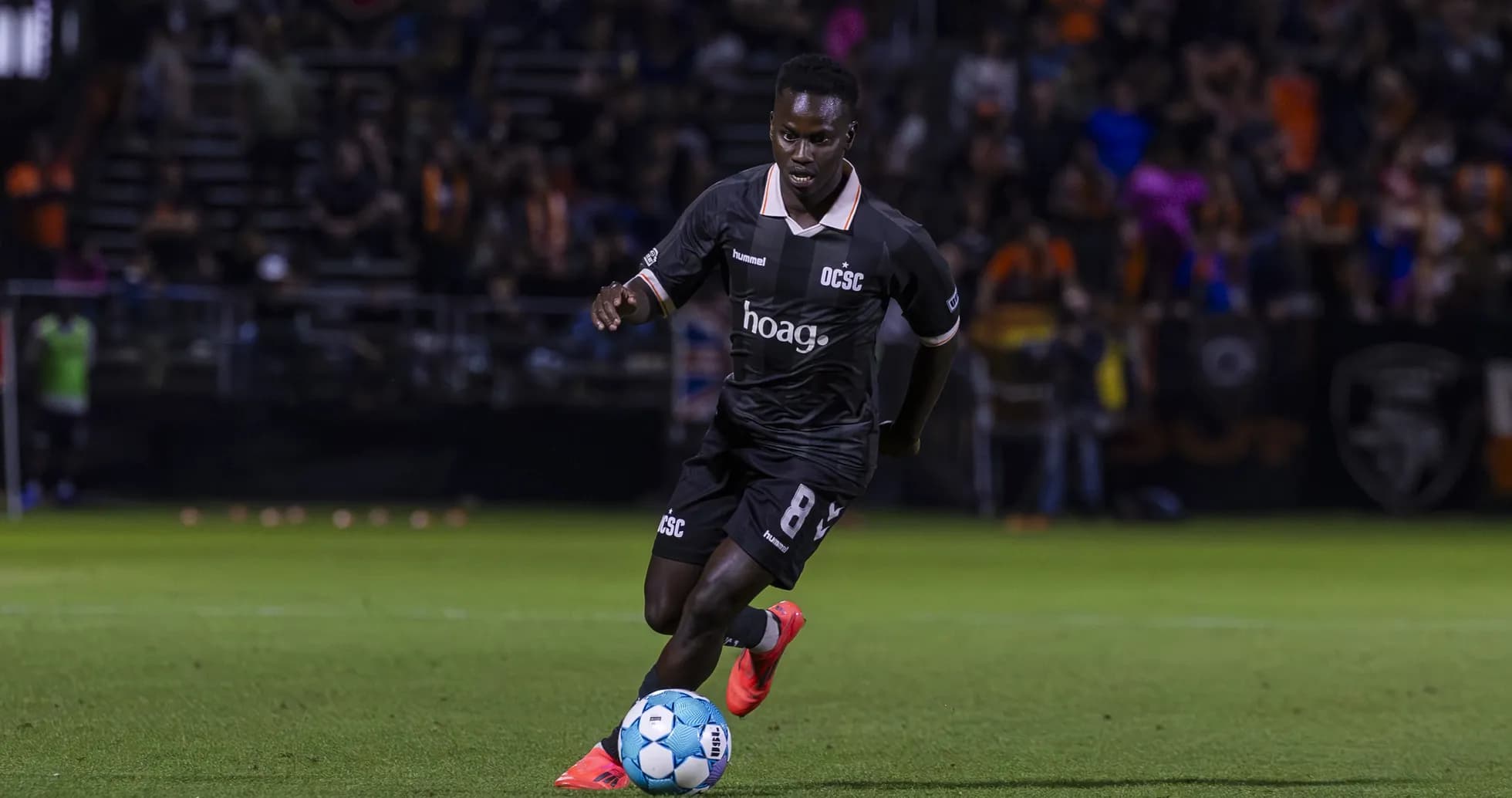
Oakland Roots vs Colorado Springs: USL Championship Clash Summary
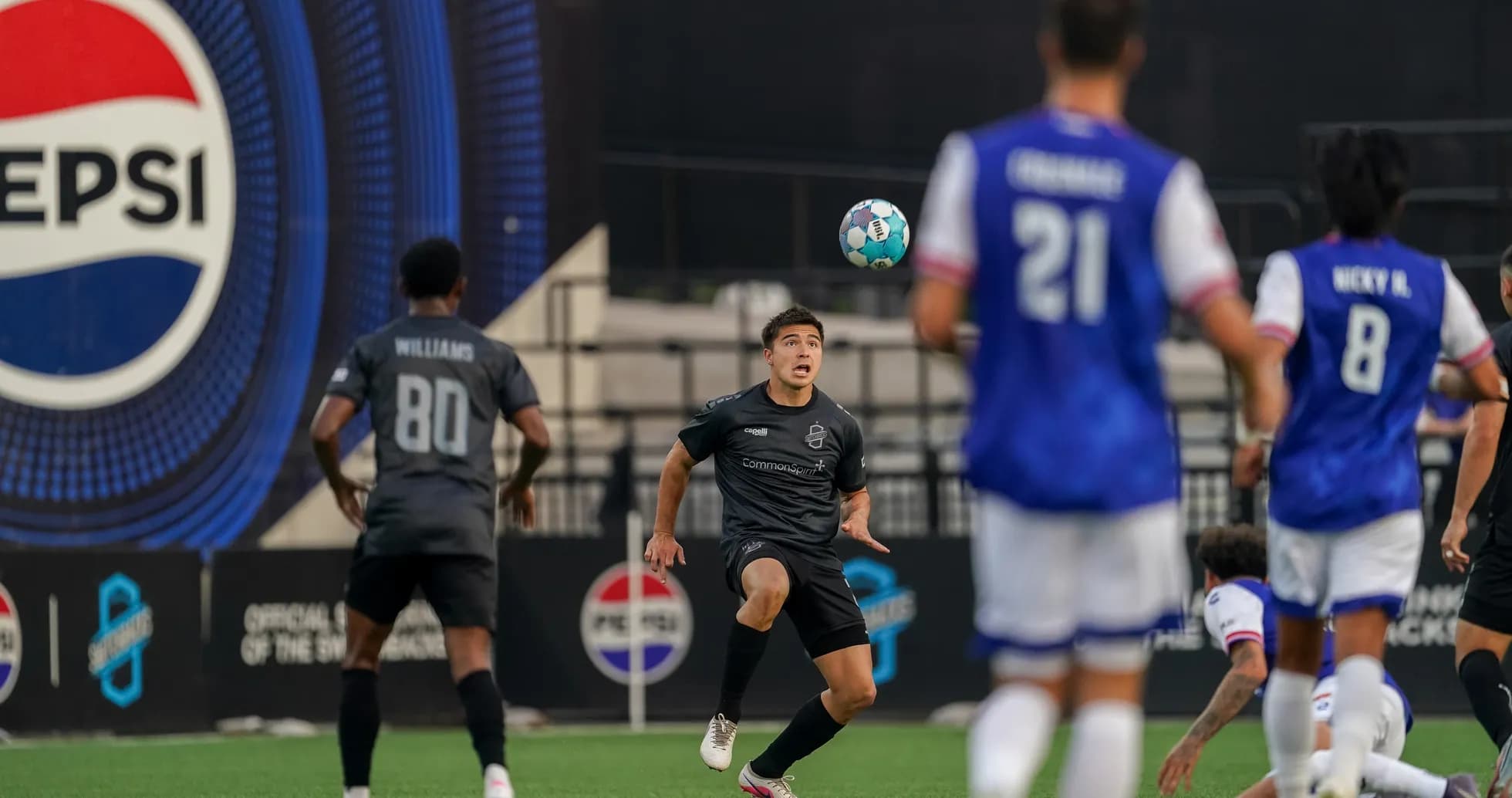
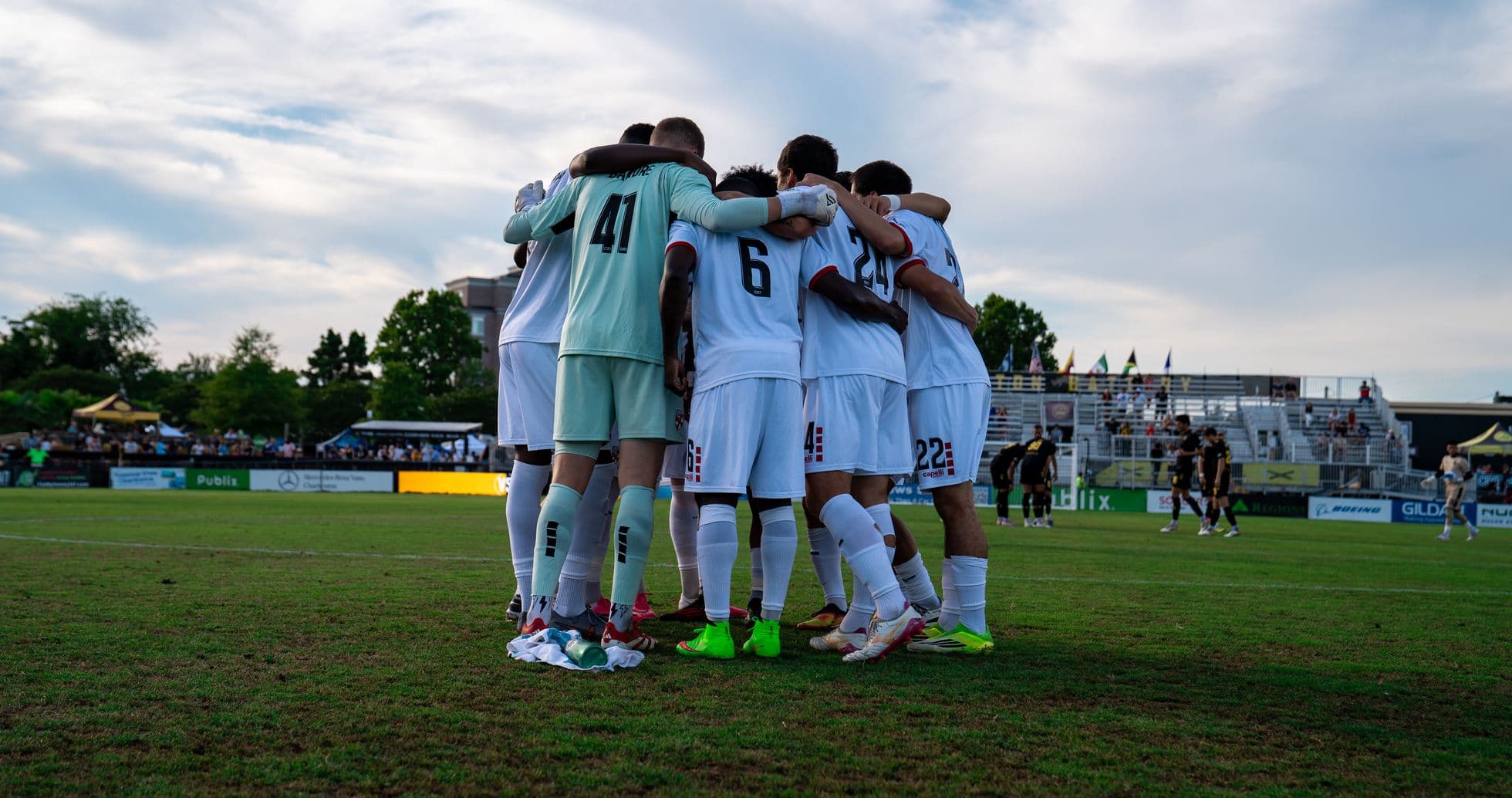
Under the lights at Laney College Football Stadium, Oakland Roots and Colorado Springs met in a USL Championship Group Stage clash that felt every bit like a playoff dress rehearsal. The table context was sharp: heading into this game, Oakland sat 5th in USL 1 on 16 points, Colorado Springs 8th on 13, both within the band marked “Promotion – USL Championship (Play Offs: 1/8-finals).”
Over the campaign so far, Oakland’s seasonal DNA has been that of a balanced but streaky side. Overall they had played 11 matches, winning 4, drawing 4 and losing 3, with 18 goals for and 16 against. That yields a goal difference of +2, exactly mirroring the standings. At home, they had been solid: 6 played, 3 wins, 1 draw, 2 defeats, with 9 scored and 7 conceded, an average of 1.5 goals for and 1.2 against at home.
Colorado Springs arrived as a team with a slightly sharper attacking edge but more volatility. Overall they had played 10, with 3 wins, 4 draws and 3 defeats, scoring 18 and conceding 17 for a goal difference of +1. On their travels they had been less secure: 6 away matches, 1 win, 2 draws, 3 losses, with 8 scored and 11 conceded, an away average of 1.3 goals for and 1.8 against.
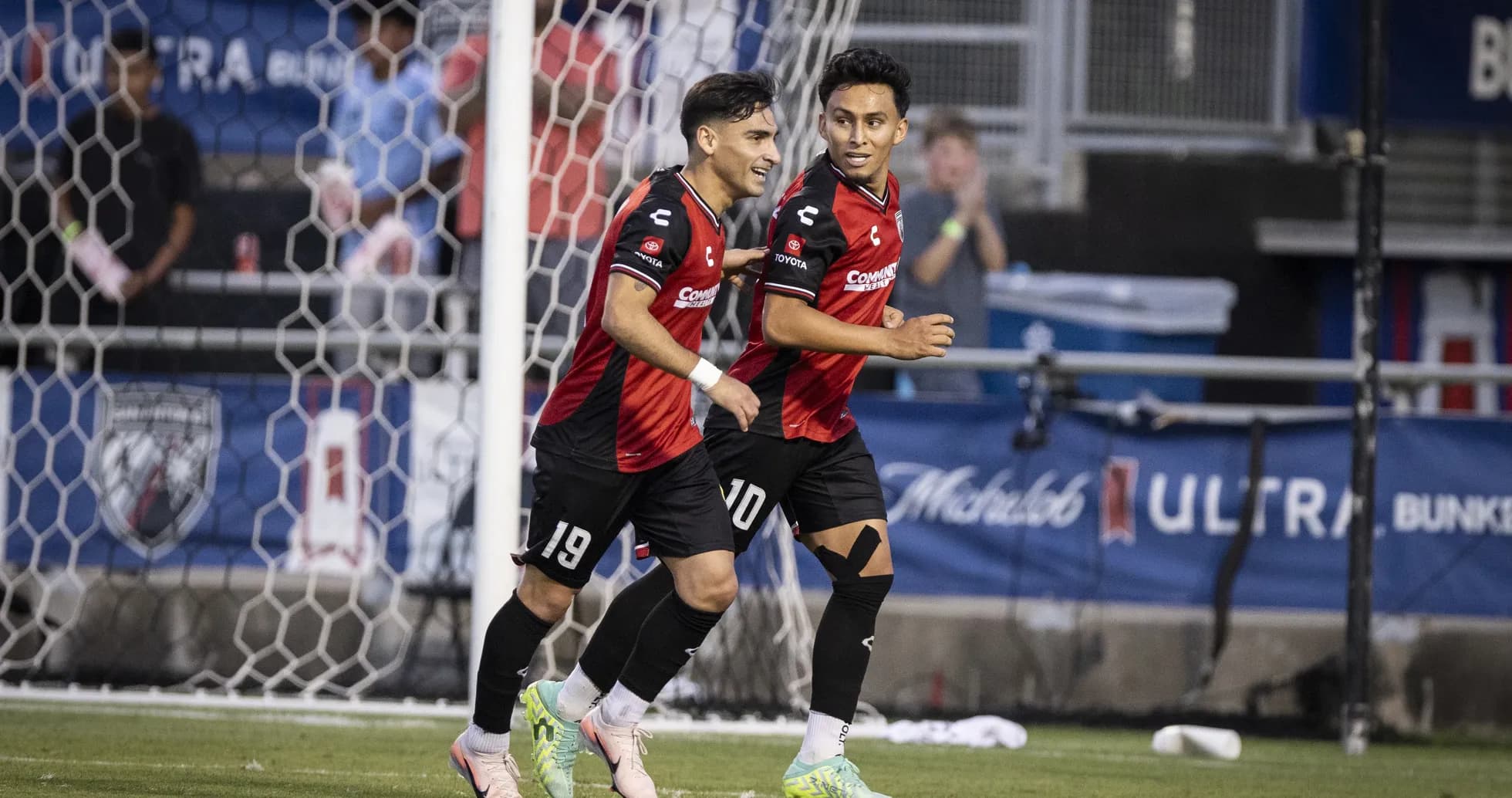
On the night, that away fragility did not show in the scoreline. Colorado Springs managed a 1–0 win, leading 1–0 at half-time and closing it out over 90 minutes, a result that tightens the pack in the playoff zone and hands Oakland a rare home blank in front of their own support.
Tactical Voids and Discipline
With no explicit injury or suspension list in the data, both coaches appeared to have close to full squads available, and the lineups reflected that. Ryan Martin set Oakland up with a spine built around goalkeeper K. McIntosh and a defensive unit featuring K. Tingey, M. Edwards and N. Hackshaw. Ahead of them, the technical axis of J. de Vicente and F. Bettache was tasked with linking to the front line spearheaded by P. Wilson, supported by wide threats like W. Prentice and the industrious B. Jacquesson.
Alan McCann’s Colorado Springs leaned into a compact, hard-running structure. C. Shutler started in goal, shielded by a back line including P. Burner, T. Maples and G. Metusala, with A. Rocha providing balance. In midfield, S. Williams and T. Magee formed the workmanlike core, while the attacking band of Y. Hanya, B. Creek and S. Masereka orbited around central presence K. Bennett.
Disciplinary trends framed the risk profile. Heading into this game, Oakland’s yellow cards were notably clustered late: 25.00% of their yellows had come between 61–75 minutes and another 25.00% between 91–105, with 18.75% from 46–60 and 18.75% from 76–90. That pattern hints at a side that often chases games and leans into aggressive pressing in the final third of matches. Red cards were rare but telling: 50.00% of their reds had arrived between 46–60 and 50.00% between 91–105, underlining how volatile their second halves can be.
Colorado Springs spread their cautions more evenly but with a clear mid‑second‑half spike: 25.00% of their yellows came between 46–60, with 12.50% in each of 0–15, 16–30, 31–45 and 76–90, and a further 18.75% between 91–105. Both teams therefore carried a known risk of late bookings, yet the 1–0 scoreline suggests Colorado managed that edge better on the night, protecting their lead without tipping into chaos.
Key Matchups
Hunter vs Shield
The core attacking question before kickoff was whether Oakland’s home scoring rhythm could overwhelm Colorado Springs’ away vulnerability. At home, Oakland had averaged 1.5 goals for per game, while Colorado Springs had been conceding 1.8 per game on their travels. On paper, that intersection tilted toward a productive night for the Roots.
Instead, Colorado Springs’ defensive “shield” held. The back line in front of Shutler absorbed pressure from Wilson, Prentice and Jacquesson, while Oakland’s creative lanes through Bettache and de Vicente struggled to find the final incision. Given Oakland had only failed to score twice overall before this match (both at home), this 0–1 result marks an outlier and a statement away clean sheet for Colorado.
Engine Room
In midfield, the duel between Oakland’s passers and Colorado’s enforcers defined the game’s rhythm. Oakland’s season profile – 1.6 goals for and 1.5 against overall – speaks to a team comfortable in open exchanges. Colorado’s overall averages of 1.8 scored and 1.7 conceded suggest a similar taste for high‑event football.
Yet Colorado’s central pairing, led by S. Williams and supported by Rocha and Magee, managed to disrupt Oakland’s usual flow. Without minute‑by‑minute possession data, the narrative still points to a visiting side that narrowed central spaces and forced Oakland wide, where Tingey and Hackshaw had to advance, exposing potential transition lanes. The single Colorado goal, arriving before the break, validated that transitional threat and allowed McCann’s side to tilt the contest into a game of control rather than chase.
Statistical Prognosis and xG Lens
If we project this match through an Expected Goals lens, the pre‑match numbers would have predicted a more open scoreline. Oakland’s overall 1.6 goals for versus Colorado’s 1.7 goals against, combined with Colorado’s 1.8 goals for versus Oakland’s 1.5 against, sketched a scenario where both sides were likely to score, perhaps in a 1–1 or 2–1 type contest.
Instead, Colorado Springs produced the classic away knockout template: strike first, then compress the game. Their season‑long penalty record – 5 taken, 5 scored, with 0 missed – underscores a clinical edge in high‑leverage moments, even though no spot kick was needed here. Oakland, by contrast, had only earned 1 penalty overall, which they converted, but their broader attacking output did not translate into the high‑quality chances required to breach a disciplined block.
Following this result, the underlying metrics still paint both teams as playoff‑calibre: Oakland remain a side with a positive goal difference and strong home scoring averages, Colorado a team with enough attacking punch to hurt anyone and a growing belief in their defensive structure. In a 1/8‑final playoff setting, this exact fixture would read as a finely poised tactical chess match – and on this night, Colorado Springs proved they can win it by the narrowest, most professional margin.