Nigeria's Super Falcons Aim for WAFCON Glory and World Cup Qualification
Nigeria will go to Morocco with a familiar look and an unforgiving ambition.
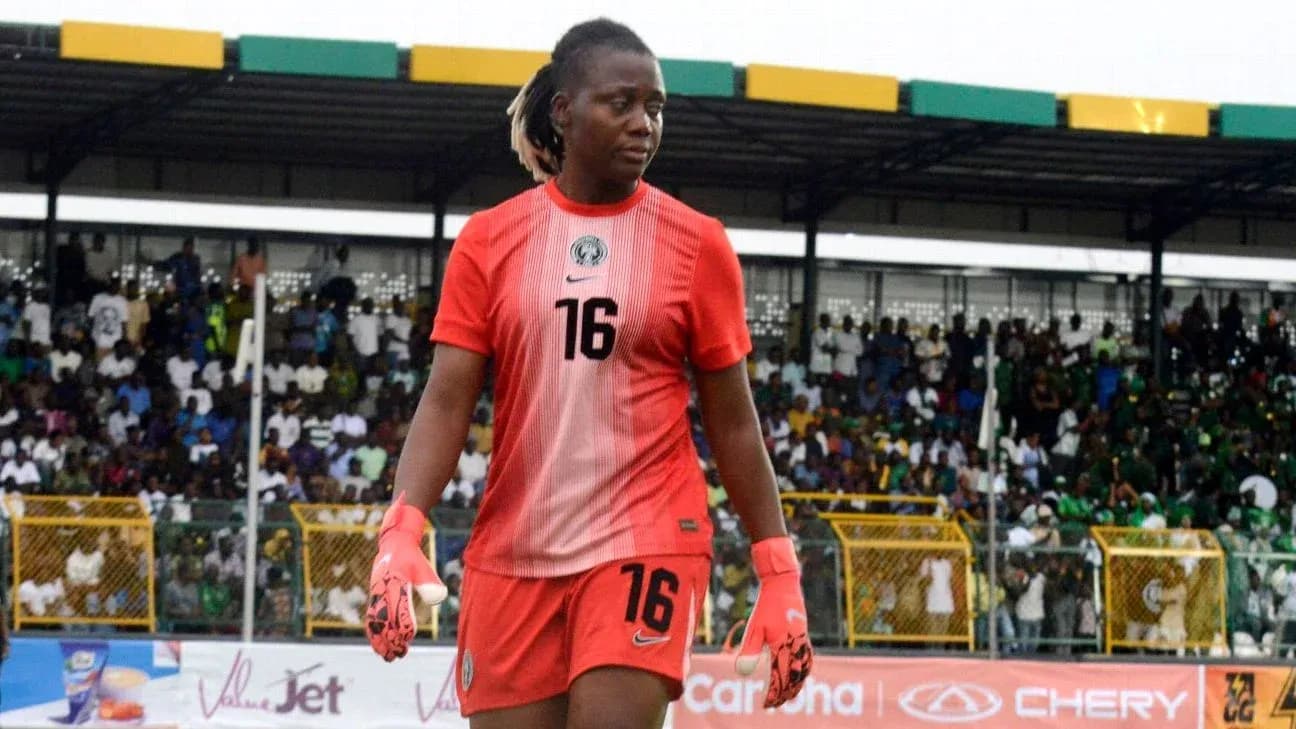
Head coach Justine Madugu has kept faith with the core that reclaimed the continent last year, naming captain Rasheedat Ajibade, star goalkeeper Chiamaka Nnadozie and talismanic forward Asisat Oshoala in a 25-player squad as the Super Falcons chase an 11th Women’s Africa Cup of Nations crown and yet another World Cup ticket.
World Cup first, trophy next
The mission is clear. WAFCON 2024 is not just about defending a title; it is the gateway to Brazil 2027.
“The next WAFCON will also serve as qualification for the 2027 FIFA Women’s World Cup, so our priority will first be to ensure that we make it to the World Cup,” Madugu told CAFonline. Only after that, he said, will the team turn fully to the task of keeping hold of their African crown.
For Nigeria, qualification is not a bonus. It is a standard. The Super Falcons are the only African side to have played at every FIFA Women’s World Cup since 1991, one of just seven nations worldwide with that perfect record. To extend it, they must reach at least the semifinals in Morocco, which guarantees automatic passage to Brazil. A fifth-place finish would drop them into an intercontinental playoff.
The pressure is obvious. Madugu does not pretend otherwise.
“We are holding something precious that everybody wants,” he said. “We know it won’t be easy because as champions everybody will now be looking at us. But we will remain resolute and focused and try as much as possible to achieve both objectives.”
Plumptre missing, but experience everywhere
One of the most recognisable faces from last year’s triumph will not be there.
Defender Ashleigh Plumptre, injured in March, has not recovered in time. On social media she admitted her body “is asking for more time and I’m listening,” and urged Nigerians to “back these women, back them on their quest for victory once more… Go easy on them, they need you. I am with you ladies.”
Her absence strips Nigeria of a composed left-sided defender with big-tournament know-how. It does not strip them of experience.
The backbone of the side that edged hosts Morocco 3-2 in last year’s final returns almost intact. Ajibade is back to lead from midfield, Nnadozie anchors from goal, and around them a hardened core: Osinachi Ohale, Michelle Alozie, Christy Ucheibe, Halimatu Ayinde and Oshoala, all seasoned, all battle-tested.
Nnadozie, widely regarded as Africa’s premier goalkeeper, gives Nigeria a safety net most teams in Morocco simply do not have. In front of her, Ohale’s leadership, Alozie’s tenacity and Ucheibe’s steel form the spine of a group that has seen almost everything the women’s game on the continent can throw at them.
A new generation steps forward
The story is not only about veterans hanging on to a dynasty. There is a new wave building behind them.
Jennifer Echegini and Deborah Abiodun in midfield, along with forwards Gift Monday, Esther Okoronkwo and Omorinsola Babajide, are expected to shoulder more of the creative and attacking load. They have been eased in; now they must influence tournaments, not just games.
This is the evolution Nigeria have needed. The Super Falcons have long dominated Africa, but the global game is moving fast. Blending the old guard with a fearless younger group is Madugu’s answer to that shift.
The squad’s profile underlines Nigeria’s reach. Only one player, goalkeeper Fatima Oloko of Abia Angels, is home-based. The other 24 are drawn from clubs across Europe, North America, Asia and the Middle East, from Brighton & Hove Albion to Paris Saint-Germain, from Benfica to Galatasaray.
Group C, Rabat and a familiar target
Nigeria’s campaign begins in Group C, where they will face Egypt, Zambia and tournament debutants Malawi, with all three group fixtures to be played in Rabat.
On paper, Nigeria will be favourites to top the group. Zambia’s rapid rise and Egypt’s technical flair, though, mean there will be no room for complacency. Malawi, new to this stage, will treat every minute as a statement.
The tournament itself has grown. Sixteen teams will contest this WAFCON, the expanded format that Nigeria mastered last year to win a record 10th title. No team has yet defended the trophy in this 16-team era. The Super Falcons intend to be the first.
The stakes match the ambition. Four semifinalists go straight to the World Cup. Fifth place earns a shot through an intercontinental playoff. For a country that measures success in trophies and streaks, anything less than a deep run would feel jarring.
Nigeria arrive as champions, record-holders and standard-setters. They also arrive hunted.
How they carry that weight in Morocco will say a lot about whether this is the last stand of a great generation, or the start of another chapter in African football’s longest-running dynasty.