Manchester United's Midfield Rebuild: From Anderson to Tielemans
Manchester United’s summer was never supposed to be simple. It rarely is. But this window, which began with grand designs and marquee names pinned to the board, has turned into a test of nerve, flexibility and restraint at Old Trafford.
What started with Elliot Anderson and Mateus Fernandes at the heart of a midfield rebuild has, after a series of blocked paths and late twists, been redrawn around Andrey Santos and Youri Tielemans. The plan hasn’t been ripped up. It has been bent, stretched and reworked on the fly.
From Anderson and Fernandes to Santos and Tielemans
Inside United, the message from CEO Omar Berrada before the window was clear: be “flexible.” It sounded like corporate jargon at the time. It now reads like a mission statement.
United identified England midfielder Anderson as their primary target early in the year. They also recognised, just as quickly, that he was drifting out of reach. Manchester City’s interest hardened, Nottingham Forest dug in over a fee close to £120 million, and the numbers began to move into territory United no longer want to inhabit.
There was a recent reminder of what happens when City walk into the room. In January, United believed they were well placed for Bournemouth winger Antoine Semenyo after positive talks with his camp. Then Semenyo met City. Wage demands rose sharply, and United walked away. Semenyo went to the Etihad for £64 million.
They had no appetite to repeat that with Anderson. Rather than get dragged into a bidding war they were unlikely to win, they cooled their interest and moved on.
The Fernandes story stung in a different way. United had budgeted between £80 million and £90 million for a midfielder and could have matched Tottenham’s £85 million deal for the Brazilian. The money wasn’t the problem. The conviction was.
During discussions, United never felt a firm signal that Fernandes saw Old Trafford as his clear destination. That mattered. When the moment came to decide whether to meet West Ham United’s demands, doubts over his commitment weighed heavily. Spurs stepped in, and Fernandes chose north London.
The contrast with last summer was stark. Bryan Mbeumo and Matheus Cunha, chased by several clubs including Champions League sides, both pushed hard to join United and made that preference unambiguous. Internally, recruitment staff point to that attitude as a key reason why they adapted so quickly. Some at the club still believe Jadon Sancho’s struggles in 2021 were rooted partly in his own uncertainty over leaving Borussia Dortmund.
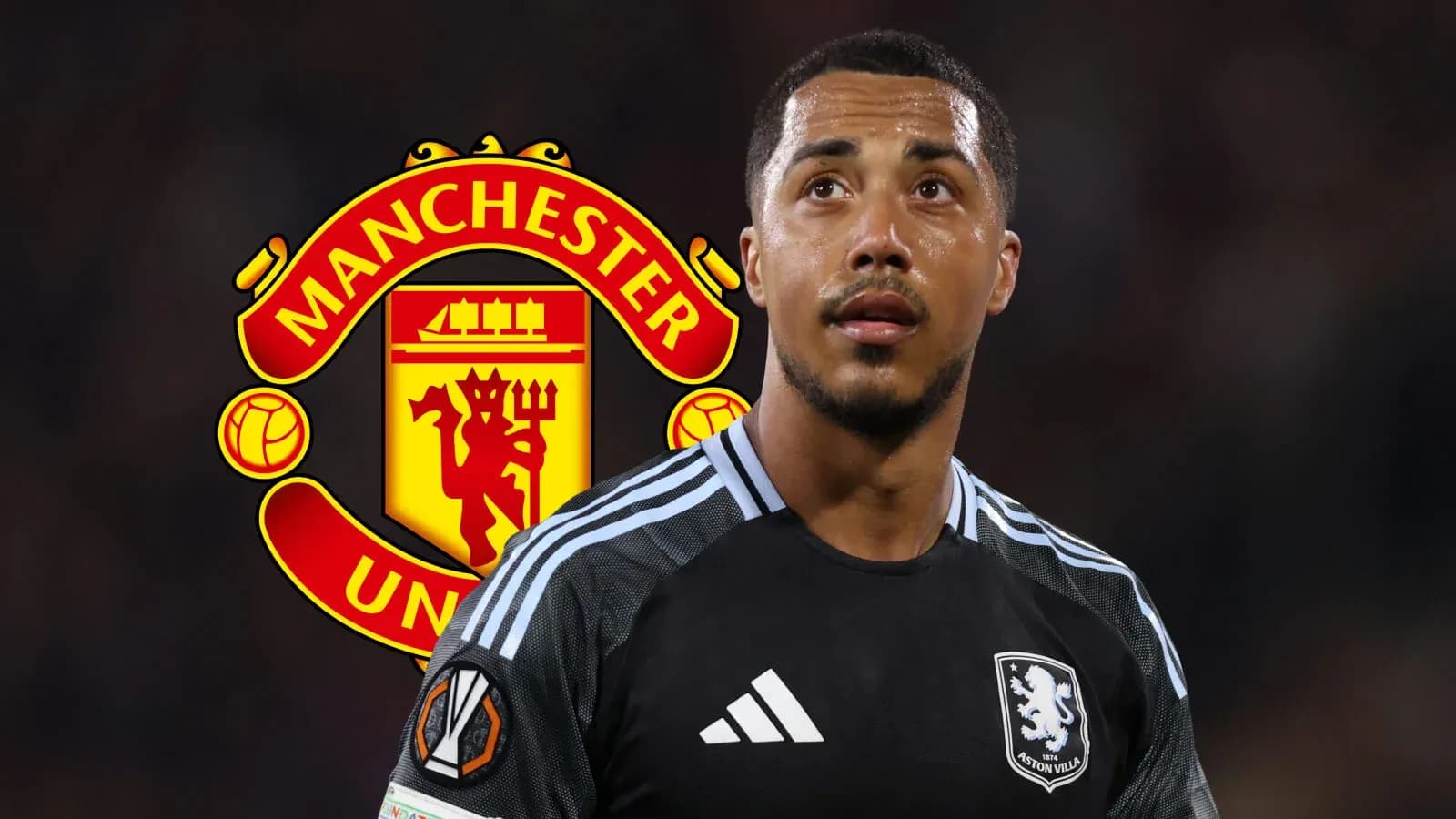
Tielemans was different. From the outset, the Belgium international made it clear he wanted United. That ticked the first box. His extensive Premier League experience ticked another. His £35 million release clause at Aston Villa, which stripped away the “United tax” Berrada is determined to avoid, sealed the deal.
Santos, signed from Chelsea for £48 million plus £2 million in add-ons, arrived as the other pillar of the reshaped midfield plan. In a market where Fernandes’ fee sparked concern that valuations might spiral, Santos was viewed as a more controlled, financially sensible move.
The Éderson twist and Tottenham’s shock spend
United’s pivot to Tielemans came straight after another jolt. A £35 million agreement with Atalanta for Éderson had been in place before the World Cup. Medical tests then flagged an issue that left United unwilling to proceed. For now, the deal is off, though club sources have not ruled out revisiting it later in the summer.
As United adjusted, Tottenham tore up everyone’s forecasts. Few at Old Trafford expected Spurs to pour a combined £185 million into Fernandes and Newcastle United’s Sandro Tonali, another midfielder on United’s scouting lists. United’s recruitment department spends as much time trying to anticipate rivals’ moves as plotting their own. Tottenham’s early aggression caught them off guard.
That aggression also shifted the market. United had initially placed Fernandes in a £40 million-£50 million bracket, especially if West Ham had gone down. When his price nearly doubled, alarm bells rang about what that might mean for other targets.
Sales that never came and a budget under strain
The original financial model for this window was straightforward enough. Raise around £90 million from outgoings, then use that to fund the major midfield arrival.
Rasmus Højlund’s £40 million move to Napoli was a start. The expectation was that Marcus Rashford, Manuel Ugarte, Joshua Zirkzee and Altay Bayindir could add significantly more.
The plan frayed quickly. Barcelona opted not to take up a £25 million permanent deal for Rashford. Ugarte then suffered a serious knee injury playing for Uruguay at the World Cup, an issue that could keep him out for most of the season and effectively remove him from the market.
The budget picture now shifts week by week. Champions League qualification has boosted revenues and given United some extra room to manoeuvre, but not enough to indulge mistakes. Inside the club, there is a clear sense that the days of overpaying simply to get a name through the door must end.
Release clauses have become a key tool. Tielemans’ £35 million clause was exactly the kind of clean, predictable deal Berrada prefers. No drawn-out negotiations, no premium simply because United are at the table.
One more midfielder?
Despite Santos and Tielemans through the door, United have not closed the book on their midfield business. Ugarte’s injury has reopened the conversation around a third signing in that area.
Bournemouth’s Alex Scott and Tyler Adams are on the list. So is Fulham’s Sander Berge. Crystal Palace’s Adam Wharton has been watched closely, as have Wolves’ João Gomes, AS Roma’s Manu Koné and Lille’s 18-year-old Morocco international Ayyoub Bouaddi, one of the breakout stories of the World Cup.
Real Madrid’s Eduardo Camavinga has been offered to a number of Premier League clubs, with United among those made aware of his potential availability. Brighton & Hove Albion’s Carlos Baleba, a player United enquired about last summer, remains a more complicated case. Brighton indicated then that any deal would require an initial fee in the region of the £100 million Chelsea paid for Moisés Caicedo in 2023. That kind of figure sits firmly in the “only if everything else is perfect” category.
Beyond midfield: gaps still to fill
The squad surgery does not end in the middle of the pitch. United still want a left-sided player — either a full back or a winger — and a second striker to ease the load up front.
In goal, Wales international Karl Darlow, 25, is expected to join from Leeds United as experienced cover for current No.1 Senne Lammens. It is not a headline signing, but it is the sort of detail work United know they must get right as the physical demands ramp up next season.
Champions League football changes the landscape. The starting XI needs more quality to compete with Europe’s elite. The bench needs more depth to cope with the extra games and intensity. United know that last season’s third-place finish cannot be a high-water mark; it has to be a platform.
Calm in the noise — for now
Outside the club, the mood is mixed. A section of the fanbase expected a statement midfield signing by now, a single name to anchor the summer narrative. That player has not arrived.
Inside, the tone is different. Sources insist Berrada and director of football Jason Wilcox have made a conscious effort to stay calm, to resist the panic that has defined too many previous windows. They talk about avoiding the wrong deals with the same weight as landing the right ones.
There are still six weeks until the Premier League kicks off on Aug. 22 and seven until the window closes on Sept. 1. Time, in theory, is on their side. But the market moves quickly, and United have already felt how quickly plans can unravel.
The best-laid blueprint has been redrawn several times. The question now is whether this more disciplined, more selective United can turn a summer of setbacks into a squad strong enough to justify all that patience when the real games start.