FIFA World Cup 2026: Power Rankings as Semi-Finals Approach
It’s hard to believe, but only four teams remain in the FIFA World Cup 2026 as the tournament nears its semi-final stage. England will face their historic rivals Argentina after a comeback win over Norway in the quarter-finals. Meanwhile, Argentina edged out Switzerland in extra time to secure their spot.
The last World Cup clash between England and Argentina was back in 2002, with England coming out on top, although Argentina has won the previous two knockout meetings. A positive memory for England might be their victory over Argentina during their 1966 championship run, a long time ago but still a spark of hope for Thomas Tuchel’s squad.
The other semi-final features heavyweights France and Spain, revisiting their Euro 2024 semi-final match. France will look to avenge that loss on German soil from two years ago.
Power Rankings for the Final Four
We’ve ranked the last four contenders just before the semi-finals kick off. Feel free to share your thoughts below!
4. Argentina ⬇️
Argentina’s journey hasn’t been as smooth as expected. Despite facing arguably the easiest group opponents—Cape Verde, Egypt, and Switzerland—they struggled in every match. Their squad’s lack of speed and width has been exposed, and Lionel Messi appears worn out after playing two periods of extra time. The team leans heavily on the Inter Miami star, though others stepped up against Switzerland when needed. Still, it’s tough to see Argentina overpowering England physically in the upcoming match.
3. England ⬆️
England’s story feels familiar: a gifted side struggles against weaker teams but finds ways to create chances and defend solidly to advance deep into tournaments. Since their 2018 World Cup semi-final run, this pattern has repeated. Thomas Tuchel has guided this group to the same stage, hoping to push further now.
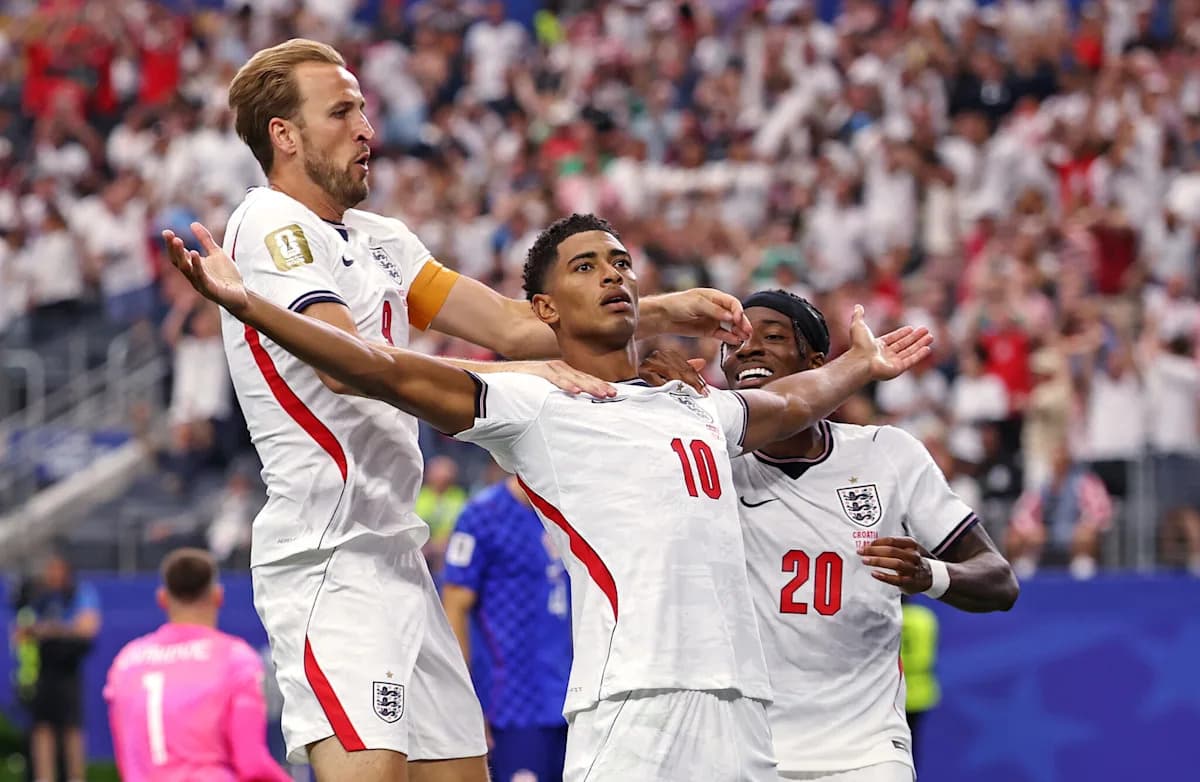
Jude Bellingham stands out, often rescuing England when they need it most. His importance rivals Messi’s influence for Argentina. The depth of England’s squad impresses too. Norway looked stronger for much of their quarter-final but should have won in regular time. Tuchel's substitutions shifted momentum; Bukayo Saka energized the right flank, Djed Spence secured the left defense, and Dan Burn was a wall against crosses.
2. Spain ↔️
Before the tournament, Spain seemed like favorites, having beaten France and England at Euro 2024 with stylish football. Yet this summer, they’ve adopted a cautious approach. Injuries to key players like Lamine Yamal and Nico Williams have forced changes. Yamal’s hamstring injury keeps him from peak form, and Williams’ muscular issue sidelined him after Uruguay.
Despite missing Williams, Spain’s defense remains strong, conceding just one goal in six matches. Fans surely breathed easier when Williams appeared for the last 10 minutes against Belgium, bringing a spark to the attack. His presence can change the game.
1. France ↔️
France’s performance hasn’t matched early expectations either. For over a decade, Didier Deschamps set up risk-averse teams, focusing on avoiding mistakes rather than thrilling play, which frustrated many watching a squad full of stars.
This year, in what may be Deschamps’ final tournament as coach, he loosened the reins. The shift is partly due to injuries, like Aurelien Tchouameni being out, limiting midfield options and ruling out the usual defensive midfielder N’Golo Kante.
Deschamps now fields four attackers, producing captivating football. Kylian Mbappe is a constant threat, made even more dangerous alongside Ballon d’Or winner Ousmane Dembele, Michael Olise, and either Desire Doue or Bradley Barcola. Moving Olise from the wing to a central role has been a brilliant move; the Bayern Munich player is France’s standout performer so far. Any team wanting to stop France must find a way to contain him.