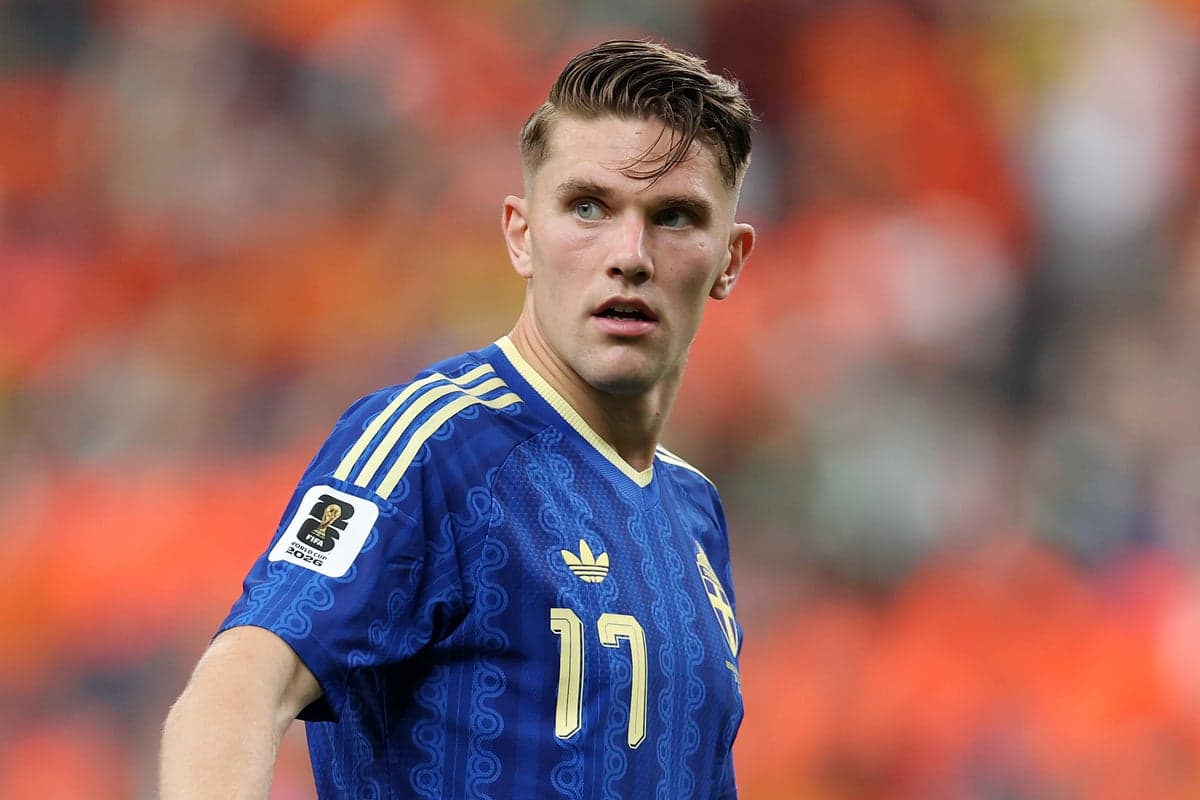
What Netherlands, Sweden, and Japan Need to Reach World Cup Knockout Stage from Group F
The group stage of the World Cup 2026 is wrapping up, and many teams are still fighting for a place in the knockout rounds. Out of 48 nations, 32 will advance. This includes the top two teams from each group plus the eight best third-place teams across all groups. With most teams still having a chance, the final round of games will be full of tension and opportunity.
Current Standings and Fixtures
In Group F, the order could shift dramatically after the last matches. The Netherlands leads Japan by goals scored but there are conditions that could change this. Both have four points from two games. Sweden trails just one point behind. Meanwhile, Tunisia sits at zero points and is eliminated. The Dutch face Tunisia in Kansas City, while Sweden meets Japan in Arlington, Texas. Both matches start at midnight BST on Friday.
How Netherlands Can Secure Progress
Ronald Koeman’s squad seems well positioned to top the group. They face a Tunisian team that has struggled so far. A win will almost guarantee them a place in the knockout rounds and possibly an easier draw ahead. The only way they drop below second place is if they lose to Tunisia and Sweden beats Japan by a smaller margin. Since the Netherlands thrashed Sweden 5-0 earlier, they hold the tiebreaker if results align with a loss and a draw elsewhere.
Japan’s Route to the Last 32
Japan needs to avoid defeat to secure a spot in the top two. Even a heavy loss might still see them qualify as one of the best third-place teams. If Japan can outperform the Netherlands’ result against Tunisia, they could even claim first place in the group.
Sweden’s Chances to Advance
Sweden must win their match to guarantee progression. A draw should also be enough. But a loss would make their fate uncertain, relying on other third-place teams having poorer records. To finish first, Sweden requires a victory combined with a Dutch loss. A draw would keep them behind Japan but still on four points.
Head-to-Head Records Over Goal Difference
If teams tie on points, their ranking depends first on head-to-head results between the tied sides. When multiple teams share the same points, a mini-league is formed using only their matches against each other. Rankings in this mini-league follow points earned, goal difference, then goals scored. If still tied, overall goal difference and goals scored come into play.
Additional Tiebreakers
Should teams remain equal after these steps, the Team Conduct Score (TCS) is used. This reflects fair play based on cards received:
- Yellow card: -1 point
- Red card from two yellows: -3 points
- Straight red card: -4 points
- Yellow followed by straight red: -5 points
Teams start with zero points and lose points for each card. The closer to zero, the better. If still tied, FIFA rankings from June's update decide who advances.
Determining the Top Eight Third-Place Teams
The eight best third-place teams are chosen by points accumulated. If more than eight teams share the same points, goal difference becomes the next factor. Typically, third-place teams with four points or more qualify. Those with three points need a strong goal difference to move on.