Cristiano Ronaldo Aims for 1,000 Goals in Saudi Pro League
There is no Mohamed Salah in Saudi Arabia this season. No grand unveiling, no record-breaking deal to drag the Liverpool icon to the Gulf. The age of the ageing megastar is starting to fade. Yet the league’s new campaign, which kicks off on Thursday, still feels like it belongs to one man.
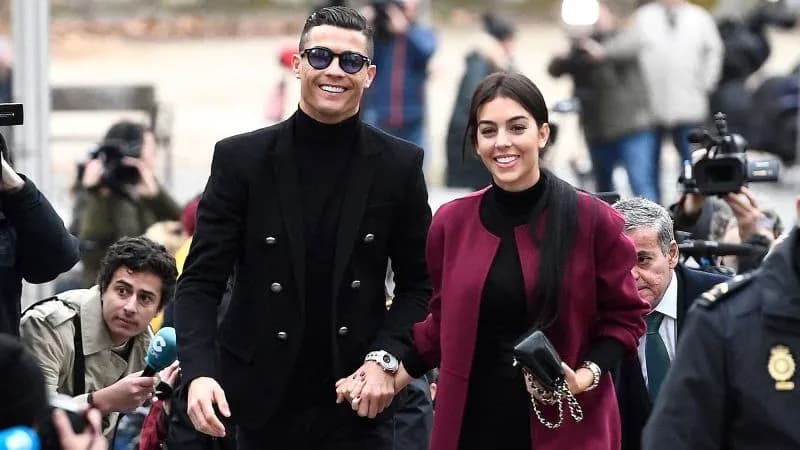
Cristiano Ronaldo.
At 41, he is 24 goals short of an astonishing 1,000 in his career. He has already hit 102 in 107 league games for Al-Nassr. Keep anything like that strike rate and the milestone does not just look possible. It looks inevitable. It could, and probably should, happen before this season is out.
What that means for the league, though, is less clear.
From spending spree to soul-searching
This is year four of the Saudi project in its current form. The wild summer of 2023, when around $957m (£710m) went on transfer fees, changed the sport’s map. The league bought headlines, international TV deals and a global wave of yellow CR7 shirts. Saudi clubs became impossible to ignore.
Now comes the awkward question: what next?
The mood inside the league has shifted. The priority is no longer just to collect famous names and social media impressions. Executives want value. They want structure. Above all, they want Saudi football itself to improve.
That urgency sharpened after a disappointing World Cup exit. On paper, it did not look disastrous – draws against Uruguay and an impressive Cape Verde, and a single defeat to eventual champions Spain. The reaction at home was different. The big debate: has all this money actually made Saudi players better?
So far, the answer is no.
The Pro League still does not export talent in any meaningful way. Of the 26-man World Cup squad, only right-back Saud Abdulhamid, now at Lens, plays his club football abroad. That statistic jars with the country’s ambitions. It also feeds a growing worry: too many local players are not playing enough.
Foreign stars dominate the most influential roles. The creative hubs. The goalscorers. The goalkeepers. The overall standard of club football has improved – Saudi sides are stronger in Asian competitions and far more dangerous on the continental stage – but the national team has yet to feel the benefit.
Salah stays away as strategy shifts
Against that backdrop, the Salah saga took on a different tone. Many inside and outside the region expected the Egyptian to end up on the Red Sea rather than at Trabzonspor on the Black Sea. The biggest name in Arab football would have been a colossal signing, commercially and emotionally.
Yet the all-out push for him seemed to fade over recent months. Even assuming Salah ever saw Saudi Arabia as a first choice, the urgency to land him cooled. At 34, he no longer fits the preferred template. The new model is clear: younger players, with resale value when they eventually head back to Europe.
That is where Crysencio Summerville comes in.
Summerville, Al-Hilal and a title they refuse to share
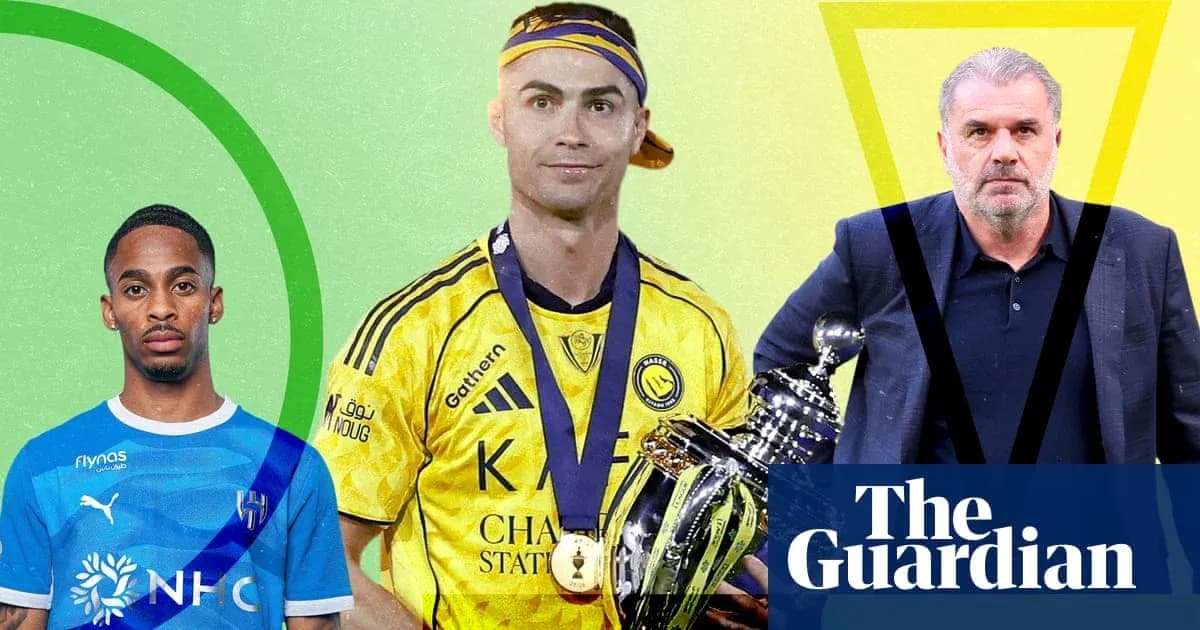
The Dutch winger is the headline arrival of the summer. Al-Hilal paid around €80m (£68m) to bring the 24-year-old to Riyadh. On paper, he is exactly what the league now craves: young enough to develop, good enough to dominate, valuable enough to sell later.
If it works, he spends key years in Saudi Arabia, wins trophies, then returns to Europe for another hefty fee. If it does not, the criticism will sound familiar: he chose money over ambition.
That line does not sit easily at Al-Hilal. Ambition is baked into the club’s identity. Nineteen league titles. Four Asian crowns. Last season they went unbeaten and still finished second. That is the scale of expectation. Perfection is not enough if someone else lifts the trophy.
The club’s ownership changed in April, with the Public Investment Fund selling, but the squad remains stacked. Karim Benzema, Rúben Neves, Theo Hernández, Yassine Bounou, Kalidou Koulibaly and others give Simone Inzaghi a squad built to dominate, not just compete. Losing the title again to the yellow half of Riyadh is unthinkable.
The pressure on the Italian is immediate and intense: bring the trophy back.
Ronaldo, Postecoglou and the weight of Al-Nassr
Ronaldo and Al-Nassr snatched that trophy in May. The triumph was quickly followed by upheaval. Jorge Jesus left to take over Portugal. Ange Postecoglou walked into the job with the kind of attacking artillery that suits his footballing beliefs.
Sadio Mané. Kingsley Coman. João Félix. And Ronaldo, still raging against time and defenders alike.
Yet Al-Nassr are not operating with a blank cheque this summer. Financial constraints have limited new arrivals so far. The squad remains powerful, but the sense of endless reinforcement has gone. That places even more emphasis on coaching, cohesion and – in Ronaldo’s case – relentless finishing.
Domestically, they want to defend their crown. Continentally, the demand is just as clear. A first Asian Champions League title would give this project a new layer of legitimacy.
Al-Ahli rocked on the eve of kick-off
The current kings of Asia, though, are Al-Ahli. Back-to-back continental titles have shifted their focus. This season was supposed to be about home, about finally adding a second SPL title to a cabinet that has lacked that particular trophy since 1984.
The plan lasted until a few days before kick-off.
Head coach Matthias Jaissle left for Newcastle, a move that stunned Jeddah. Both clubs sit under the same PIF umbrella, but that did not soften the blow. Al-Ahli had built around him. They expected stability. Instead, they watched their architect walk away on the eve of a season they believed could be historic.
Marino Pusic, Arne Slot’s former assistant, has been brought in. It is not an appointment that sets pulses racing. It is, however, a test: can Al-Ahli maintain their trajectory without the coach who made them continental champions?
Jaissle’s exit also rippled across town.
Al-Ittihad rebuild and Wissing steps into the storm
Al-Ittihad, bruised by last season’s struggles, had just unveiled their own 38-year-old German coach with RB Salzburg experience. Jens Wissing, like Jaissle, saw his playing career cut short by injury. The parallels were obvious. The timing was brutal.
Jaissle’s move to Newcastle underlined the precarious nature of long-term planning in this landscape. Wissing now faces a huge task: restore Ittihad’s domestic credibility while matching the ambition of a club that refuses to accept mediocrity.
The Tigers watched their rivals strengthen and stabilise last year. They cannot afford another campaign spent in the shadows.
Rodgers, Al-Qadsiah and the rise of a “big five”
Into this mix step Al-Qadsiah. Backed by Aramco and guided by Brendan Rodgers, they finished fourth last season. That was impressive. Now the bar rises.
If Rodgers can improve on that and deliver a first trophy since 1984, his work will be hailed as transformative. Al-Qadsiah would cement their place among the league’s elite. Saudi football would have a genuine “big five” – Al-Nassr, Al-Hilal, Al-Ahli, Al-Ittihad and Al-Qadsiah – all with resources, all with expectations, all capable of taking points off one another.
That is good for the spectacle. It could also be good for something else.
Because beneath the noise about star names and mega deals lies a quieter, more important battle: minutes for local players. If this new competitive landscape forces clubs to trust their own, to give young Saudis real roles rather than token appearances, the national team might finally feel the upside of the revolution.
The temptation to chase the next Salah, the next 34-year-old superstar, will always be there. The question for the league now is sharper. Will it keep buying the past – or start building the future while Ronaldo writes the final, outrageous chapters of his own?