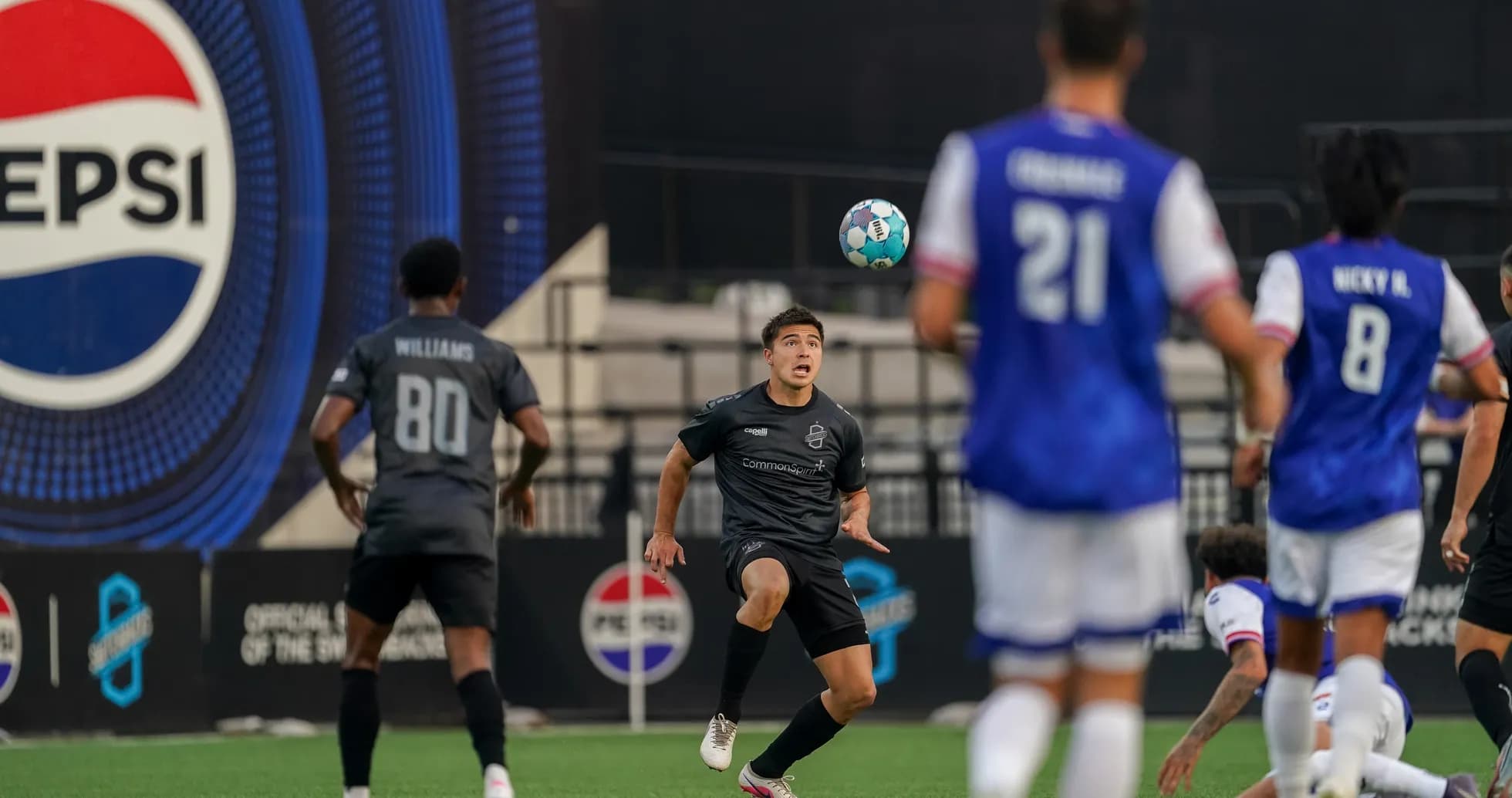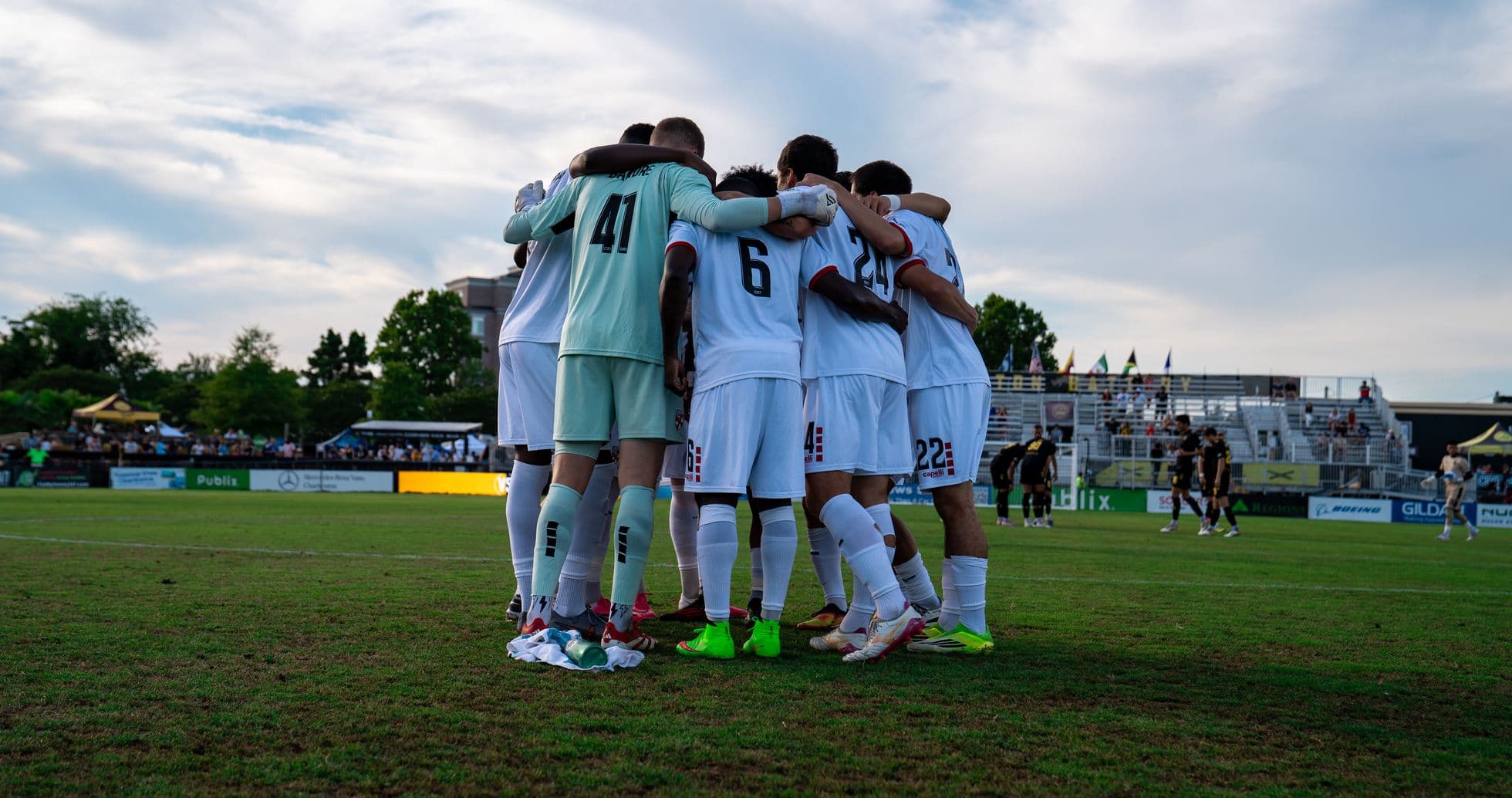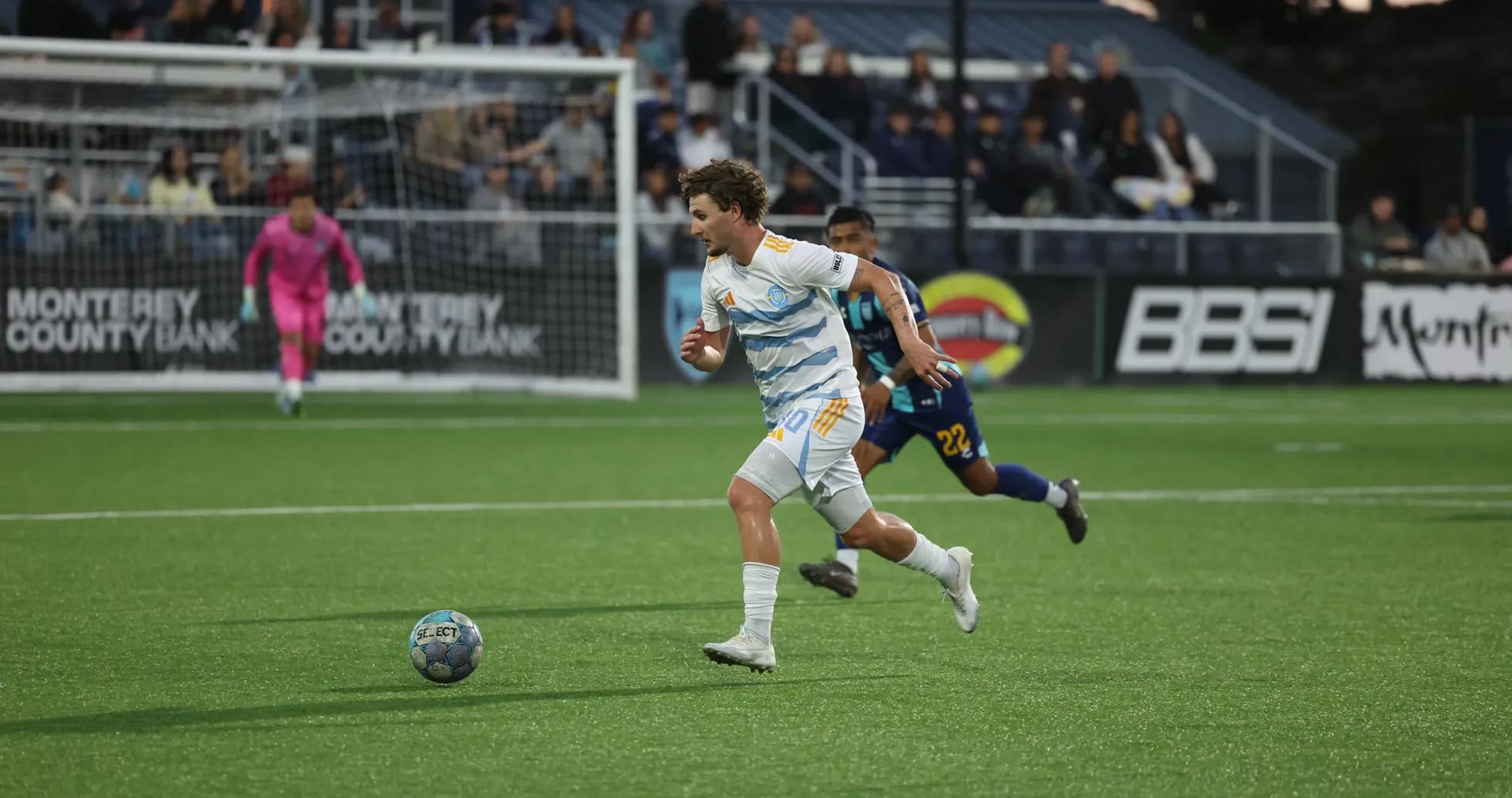
Monterey Bay Secures 2–1 Victory Over Sporting JAX
Under the lights of Cardinale Stadium, Monterey Bay’s 2–1 win over Sporting JAX felt less like a routine group-stage fixture and more like a small turning point in the USL Championship narrative. Following this result, the table still shows both sides in the lower reaches of USL 1, but the trajectories are beginning to diverge: Monterey Bay, 12th with 11 points and a goal difference of -7, now have something resembling momentum at home, while 13th-placed Sporting JAX remain winless, stuck on 3 points with a daunting -15 goal difference.
Across the campaign, Monterey Bay’s statistical DNA has been clear. In total this season, they have played 12 matches, winning 3, drawing 2 and losing 7. They have scored 13 and conceded 20 overall, a goal difference of -7 that underlines a side still learning how to manage games. Yet at Cardinale Stadium, the profile shifts. At home they have 3 wins from 7, with 9 goals for and 8 against, and a tighter average of 1.3 goals scored and 1.1 conceded. This win, carved out after a 1–0 lead at half-time and a nervy second half, fits that pattern of a team more assured in front of its own crowd.
Sporting JAX arrive at the same 12-game mark with a harsher story. In total this campaign they have 0 wins, 3 draws and 9 defeats. The raw numbers are unforgiving: 13 goals scored, 28 conceded, and a goal difference of -15. On their travels, they have played 7, drawn just 1 and lost 6, scoring 5 and conceding 14. An away average of 0.7 goals for and 2.0 against underlines the imbalance that once again surfaced in this 2–1 defeat.
Tactical Analysis
Tactically, the lineups hinted at contrasting priorities. Alex Covelo’s Monterey Bay selection was built around a stable spine. J. Jackson, wearing 98, anchored the side, with J. Garcia and N. Gordon among those providing structure. The presence of S. Lletget in the XI suggested a desire for control between the lines, linking deeper midfielders like N. Ross and R. Nakamura to the attacking thrust of I. Paul, C. Nadje and the number 9, R. Bidois. Without a listed formation, the pattern still felt like a flexible shape that could morph between a compact mid-block and quick surges into the final third.
Sporting JAX, still searching for their first win, leaned on experience and industry. C. Olivares fronted the line, supported by the creativity of K. Sadlier and the running of R. Pedder. Behind them, the likes of H. Neville, W. Ackwei and A. Gomez formed a defensive core tasked with steadying a back line that, in total this season, has leaked 28 goals. In midfield, R. Somersall and J. Rossiter were the natural enforcers, attempting to protect a defence that has yet to keep a single clean sheet, home or away.
Disciplinary Patterns
The tactical voids for both sides are less about missing personnel and more about structural habits. Monterey Bay’s season-long card data reveals a team that tends to live on the edge late in games. Their yellow cards spike between 61–75 minutes (28.57%) and 76–90 minutes (25.71%), with their only red card of the season arriving in the 61–75 window. That suggests a side that often has to scramble, either protecting a lead or chasing a result. Against Sporting JAX, that late-game tension was evident as they tried to see out the 2–1 scoreline.
Sporting JAX, by contrast, show a different disciplinary rhythm. Their yellow cards are spread but peak in the 76–90 minute band at 29.03%, reflecting a team that becomes increasingly desperate as matches slip away. They also have two red cards this season, one in the 16–30 range and another in the 76–90 window, again pointing to emotional spikes rather than controlled aggression. In a tight game like this, that volatility can be the thin line between salvaging a point and watching another defeat unfold.
Key Duels
Within that frame, several key duels defined the evening. The “Hunter vs Shield” battle effectively pitted Monterey Bay’s home attack, averaging 1.3 goals per game at Cardinale Stadium, against a Sporting JAX defence that concedes 2.0 goals per game on their travels. The numbers suggested that if Monterey Bay could create a steady flow of chances, the away side’s resistance would crack. The 2–1 full-time scoreline, built from a 1–0 half-time advantage, aligned almost perfectly with that statistical expectation.
In the “Engine Room,” the contest between Monterey Bay’s ball-players and Sporting JAX’s destroyers was just as crucial. S. Lletget and R. Nakamura were tasked with dictating tempo and finding angles into the feet of I. Paul and C. Nadje. Opposite them, R. Somersall and J. Rossiter had to disrupt, press and screen. Over 90 minutes, Monterey Bay’s midfield found just enough control to tilt the field, particularly in phases where Sporting JAX’s season-long vulnerability without the ball was exposed: in total this campaign they concede 2.3 goals per match, compared to Monterey Bay’s 1.7.
Discipline and game management also intersected with those midfield battles. Monterey Bay’s late-card tendencies meant that as the clock ticked into the final quarter of an hour, the home side walked a familiar tightrope. Sporting JAX, whose yellows and reds often cluster in the same period, struggled to translate late intensity into clear-headed pressure. Instead of a controlled siege, their push often dissolved into fractured attacks and fouls that broke their own rhythm.
Conclusion
From a statistical prognosis standpoint, the outcome feels logical. Monterey Bay’s home record of 3 wins from 7, with 9 goals scored, always made Cardinale Stadium a difficult place for a winless, travel-scarred Sporting JAX side. The visitors’ in-total average of 1.1 goals scored per game was never likely to consistently outgun a host that, while flawed, is more balanced at home than their overall -7 goal difference might suggest.
There is no explicit xG data here, but the season-long profiles act as a proxy. A home side that scores 1.3 and concedes 1.1 at this venue, against an away side that scores 0.7 and concedes 2.0 on their travels, points towards a narrow but deserved home win. The 2–1 scoreline fits neatly within that band: Monterey Bay creating and converting enough to justify their edge, Sporting JAX once again finding a goal but not the defensive solidity to back it up.
Following this result, Monterey Bay can look at Cardinale Stadium as the foundation for any climb up the USL 1 table, their home metrics validating the idea of a fortress in the making. Sporting JAX, still without a win after 12 matches and with a goal difference of -15, are left to confront the same hard truth: until their defensive structure and late-game discipline change, the numbers – and nights like this – will keep telling the same story.